Trace the sample
Record bottle, trigger and dip-tube lot where practical, together with format, recipe or setup reference and the time produced.

Quality control
Define repeatable checks for tube entry, thread engagement, cap height, torque, appearance and affected-pack control.
Pack-quality plan
A trigger sprayer can appear fitted while the tube is trapped, the thread is only partly engaged, the cap is high, the actuator is damaged or the nozzle direction is wrong. A practical inspection plan combines visual checks with repeatable measurements and a clear rule for affected packs after a stop or adjustment.
There is no universal torque or cap-height value for every trigger closure. The bottle, neck finish, liner or seal, closure material, thread design, product, application method and time between application and measurement all affect the result. Use limits approved for the actual pack and record the method with the result.
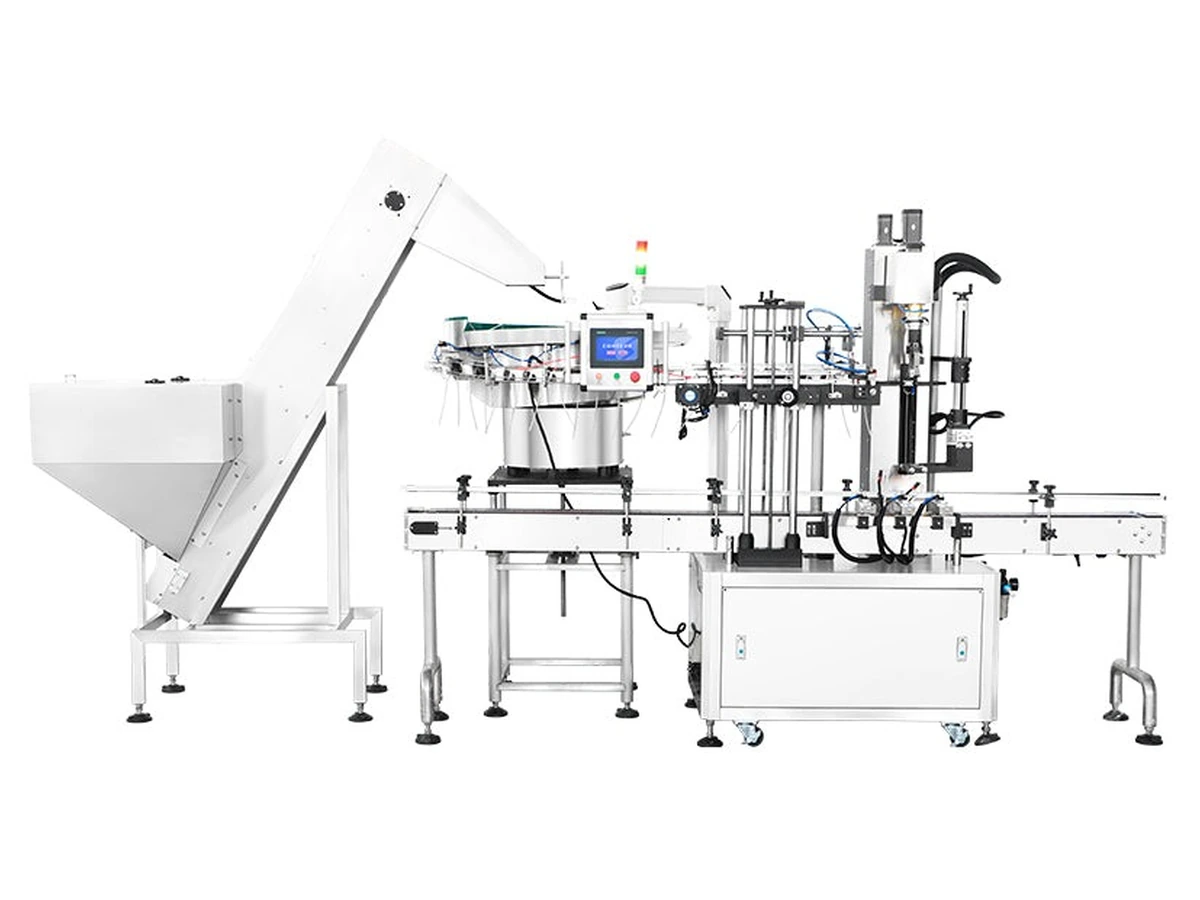
Inspection sequence
Repeatability matters as much as the instrument. The person, sample condition and measurement sequence should not change without being recorded.
| Inspection point | Method to define | Typical evidence |
|---|---|---|
| Dip-tube entry | Visual or controlled functional check for tube inside the bottle without trapping, folding or damage. | Accepted/rejected sample, defect photograph and affected format. |
| Cap seating and height | Fixed bottle reference plane, fixed closure reference point, gauge type and measurement timing. | Measured value, sample identity, limit and disposition. |
| Thread engagement | Visual or destructive check for cocking, cross-threading, incomplete start or damaged threads. | Defect category, neck/closure lot and machine state when produced. |
| Torque or removal test | Approved instrument, restraint method, direction, speed, elapsed time and project-specific window. | Instrument identity, result, sample time and approved limit. |
| Cosmetic condition | Approved visual sample for scuffing, crushing, nozzle damage, actuator movement and bottle marking. | Pass/fail result, image and defect severity rule. |
| Trigger orientation | Defined nozzle or actuator direction where downstream labelling, cartoning or presentation requires it. | Angular or visual rule and reject decision. |
| Functional spray check | Use only where agreed and safe for the product, with a defined priming and inspection method. | Sample result and any separate product-quality requirement. |
Defect diagnosis
The same visible defect can originate in the feeder, placement station, bottle control, tightening stage or component supply.
| Observed result | Areas to investigate | Immediate containment |
|---|---|---|
| Cap sits high | Tube obstruction, cap not fully seated, poor thread start, head height, bottle lift or insufficient tightening. | Hold affected packs, confirm tube entry and thread condition, then recheck after the setting or component issue is corrected. |
| Cross-threaded closure | Cap angle, bottle centring, neck damage, pre-threading, closure presentation or excessive initial contact. | Stop acceptance, inspect transfer and affected components, and approve first-off samples before restart. |
| Tube kinked or cut | Bowl recirculation, track clearance, gripper contact, tube guide, bottle shoulder or tube-end quality. | Remove affected closures from the transfer path and inspect the complete buffer before release. |
| Low or variable torque result | Thread engagement, cap/bottle variation, gripping contact, bottle rotation, wheel/chuck setup or test timing. | Verify the measurement method, segregate the affected window and check cap height and thread condition with torque. |
| Closure or bottle marked | Guide pressure, clamp contact, chuck/wheel material, dirty contact surfaces or misalignment. | Compare with the approved appearance sample and inspect tooling before continuing. |
| Wrong trigger direction | Feeder orientation rule, hand-off rotation, cap movement during pre-threading or final tightening. | Confirm the orientation reference and inspect downstream presentation before releasing stock. |
Increase inspection after startup, changeover, tooling adjustment, component-lot change, feeder jam, capper fault, maintenance or an extended stop. The sampling plan should state when normal frequency can resume.
Control plan
Record bottle, trigger and dip-tube lot where practical, together with format, recipe or setup reference and the time produced.
Note whether the sample followed normal running, restart, replenishment, changeover, adjustment or recovery from a fault.
Record the limit, result, pass/fail decision, affected quantity, corrective action and person releasing the line.
Build the checks into the FAT and SAT checklist, use the troubleshooting guide to isolate recurring defects and define sensor or reject evidence in the controls and data guide.
Buyer questions
No. Tube entry, thread engagement, cap height, closure damage and orientation can fail even when a torque result appears acceptable.
Closure systems can change after application. Comparing samples measured at different elapsed times can obscure machine or component variation.
Use the restraint and instrument method approved for the pack. Record it so results are comparable and the bottle is not distorted differently between tests.
It is the documented release of initial packs after setup, changeover or intervention before normal production is accepted.
Define an affected window, inspect or reject those packs and check the transfer path before restarting. Do not assume every pack before and after the alarm is good.
Vision may detect selected visible features when correctly specified and validated. It does not automatically prove torque, hidden tube condition or every thread defect.
Send the bottle, trigger, dip tube, approved limits and current inspection method so the machine trial can be built around the finished pack.