Trigger cappers UK

Trigger cappers for spray bottles, pump closures and screw caps

Compare practical trigger capper routes for bottles using trigger sprayers, pumps and screw closures. This page is built for buyers who need to shortlist the correct machine before asking for pricing.

Buyer route

Use this page when you are comparing capping options

Compare practical trigger capper routes for bottles using trigger sprayers, pumps and screw closures. This page is built for buyers who need to shortlist the correct machine before asking for pricing.

  • Trigger sprayer or pump closure type
  • Bottle height, neck finish and stability
  • Dip tube length and flexibility
  • Target bottles per minute or bottles per hour
  • Manual, semi-automatic or automatic cap placement
  • Conveyor, filler and labeller integration requirements
Trigger cappers for spray bottles, pump closures and screw caps

Specification notes

What affects the correct machine route?

These are the practical factors that normally decide whether a simple capper, cap feeder, automatic trigger capper or integrated line is the right choice.

What a trigger capper does

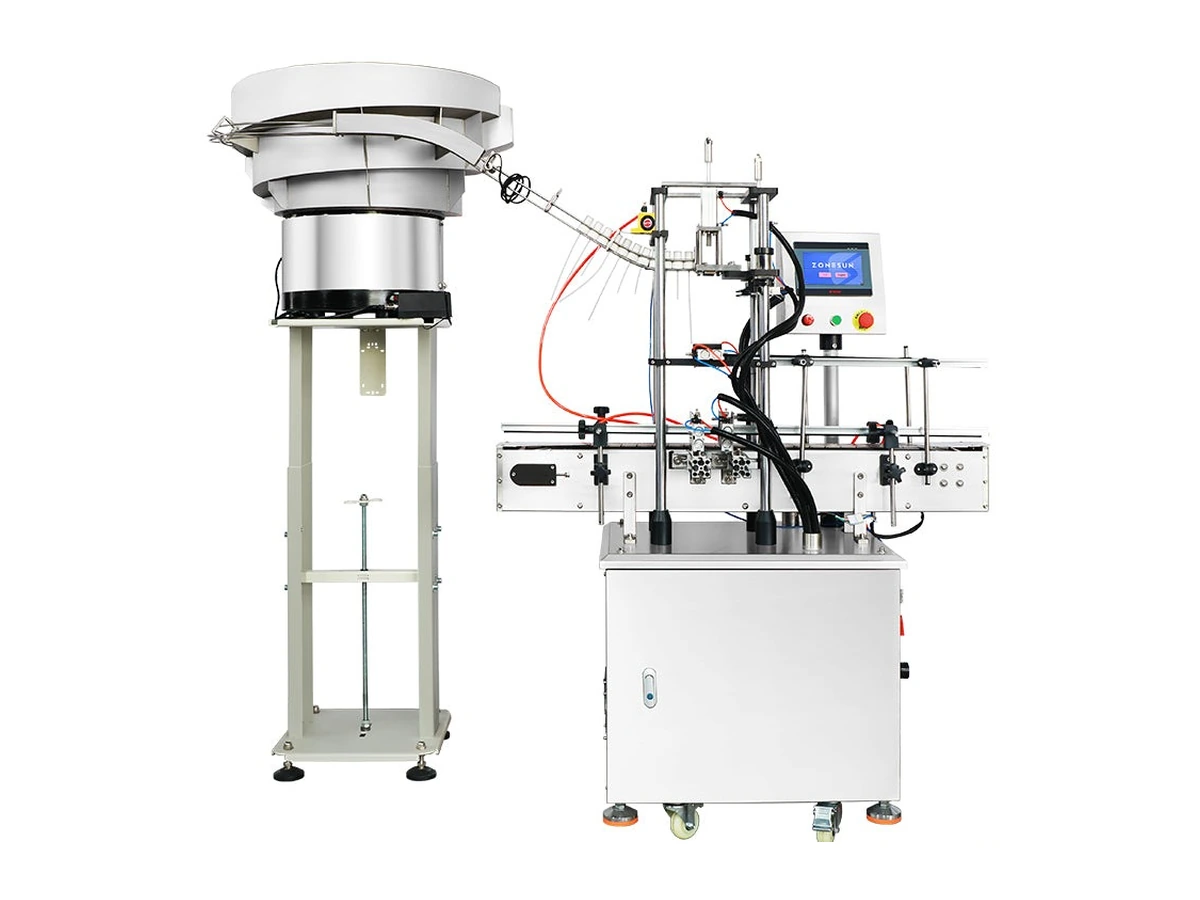
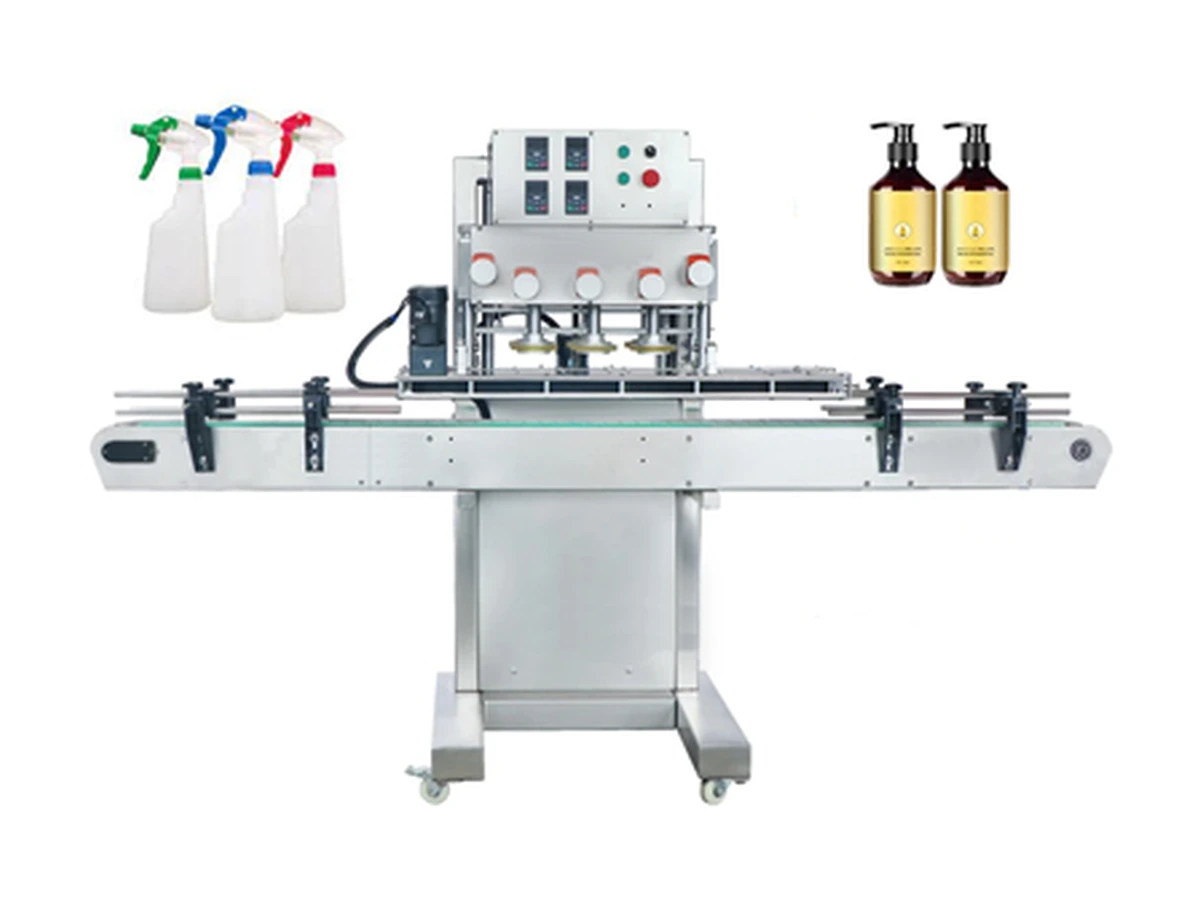
A trigger capper presents, positions and tightens a trigger sprayer or pump closure onto a filled bottle. The machine route depends on whether the closure is pre-positioned by an operator, fed automatically from a bowl, or placed by a dedicated gripper that also manages the dip tube.
When automatic cap feeding matters

Trigger caps are asymmetrical and often include a long dip tube. Automatic feeding is normally considered where the line needs higher output, repeatability, lower operator handling or a more controlled route into a filling and labelling line.

What Lancing needs to quote accurately

Send bottle samples, closure samples, tube length, product type, target output, current line layout and available utilities. These details help avoid a generic capping quote and support a better machine recommendation.

Trigger capper selection

Match the machine route to the closure-handling problem

A trigger capper is not selected from cap diameter alone. The closure body, tube behaviour, bottle stability and required labour level all affect the correct route.

Operator-presented closures

For lower volumes, an operator can place the trigger or pump while a controlled capping head applies repeatable tightening. This reduces feeding complexity but keeps labour in the cycle.

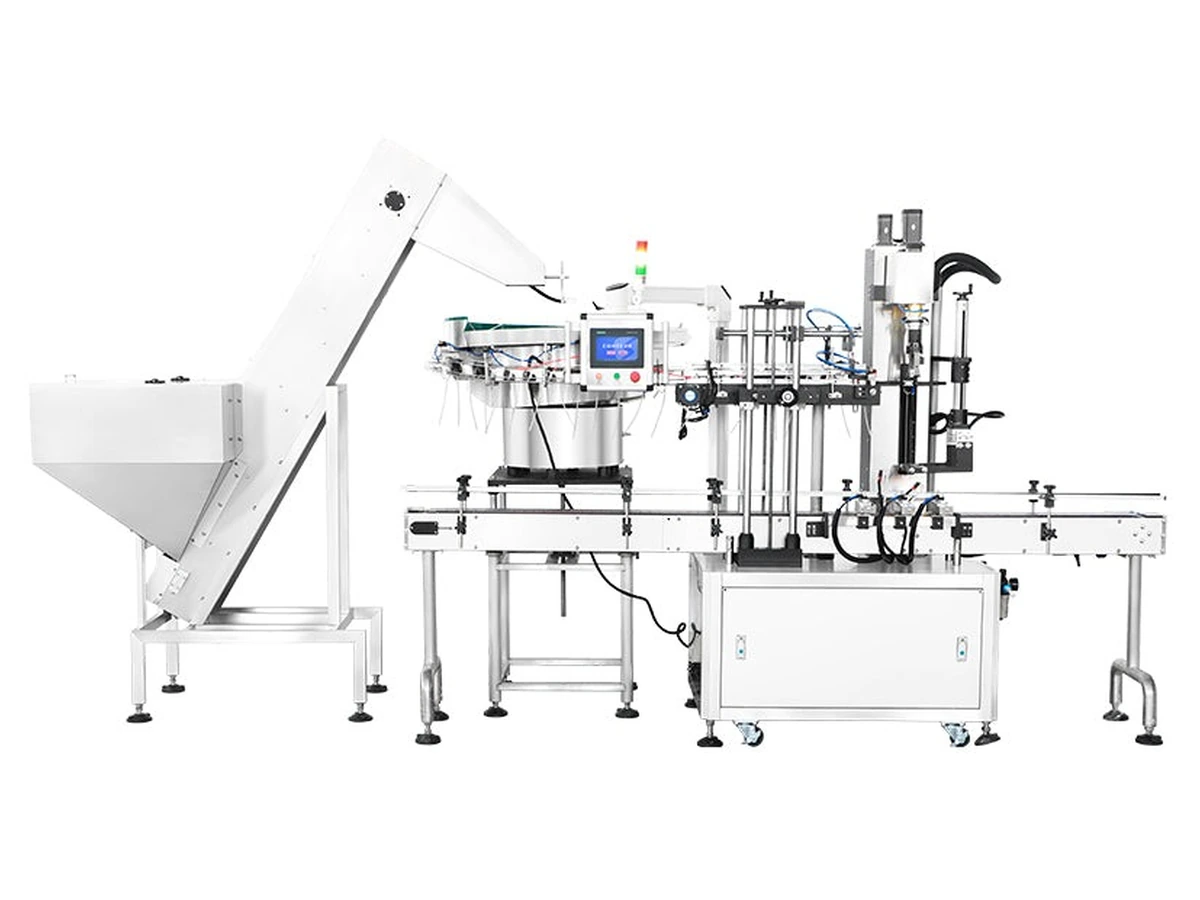
Automatic feed and orientation

Bulk-fed projects need a feeder that recognises the asymmetric trigger body, controls the dip tube and presents the closure in a repeatable position for transfer.

Dedicated placement and tightening

Higher-output projects may separate tube insertion, cap placement and final torque into controlled stages so each operation can be adjusted independently.

Integrated spray bottle line

When the capper is connected to filling and labelling, conveyor pitch, accumulation and stop/start behaviour must be planned across the whole line rather than machine by machine.

Best starting pointSend filled and empty bottles, closures from normal production batches and a complete SKU list.
Key closure riskDip-tube snagging, false orientation, cross-threading or inconsistent actuator/nozzle position.
Key bottle riskTipping, distortion under side belts, poor neck support or inconsistent conveyor spacing.
Key output riskCap feeder starvation, manual replenishment, long changeovers or downstream line stops.
Acceptance evidenceRun representative samples at the agreed sustained rate and record rejects, torque/cap height and tube damage.

Machine options

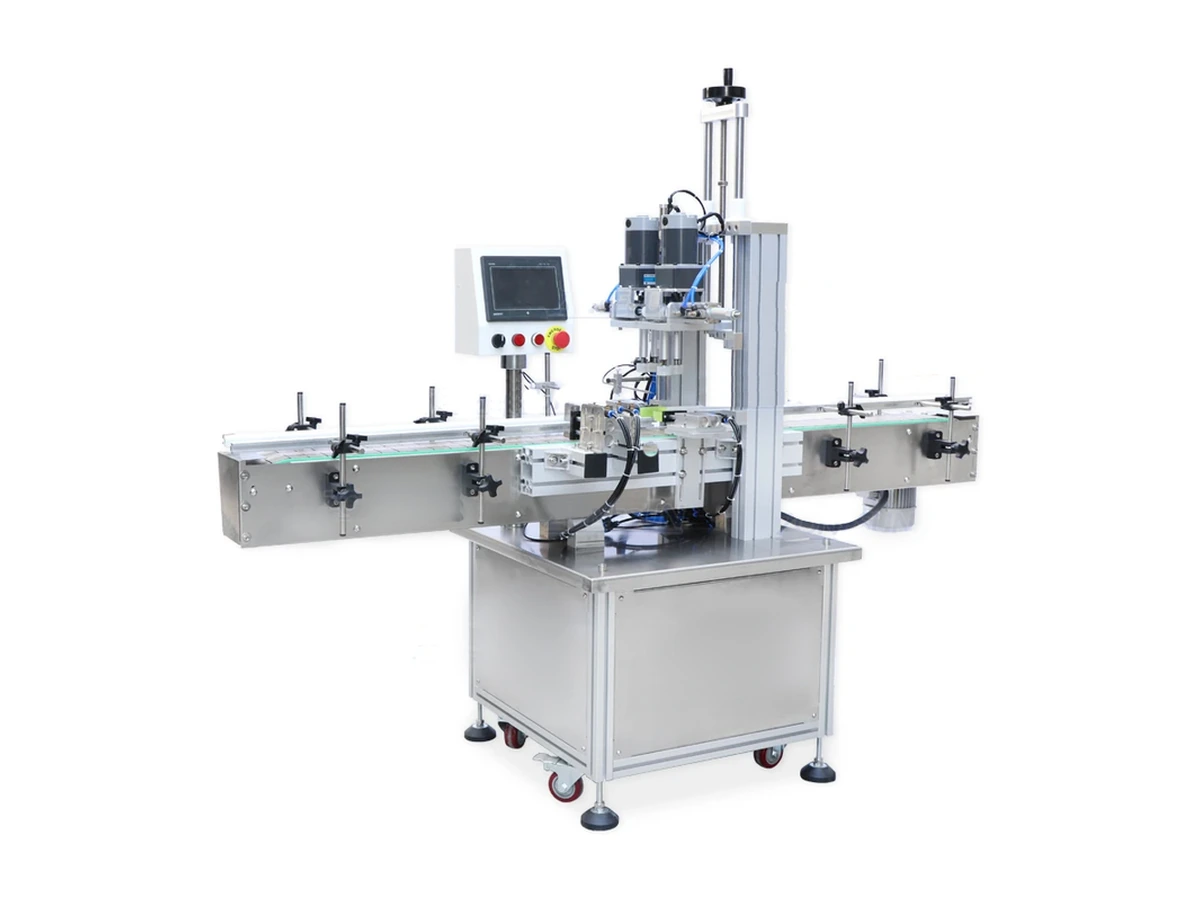
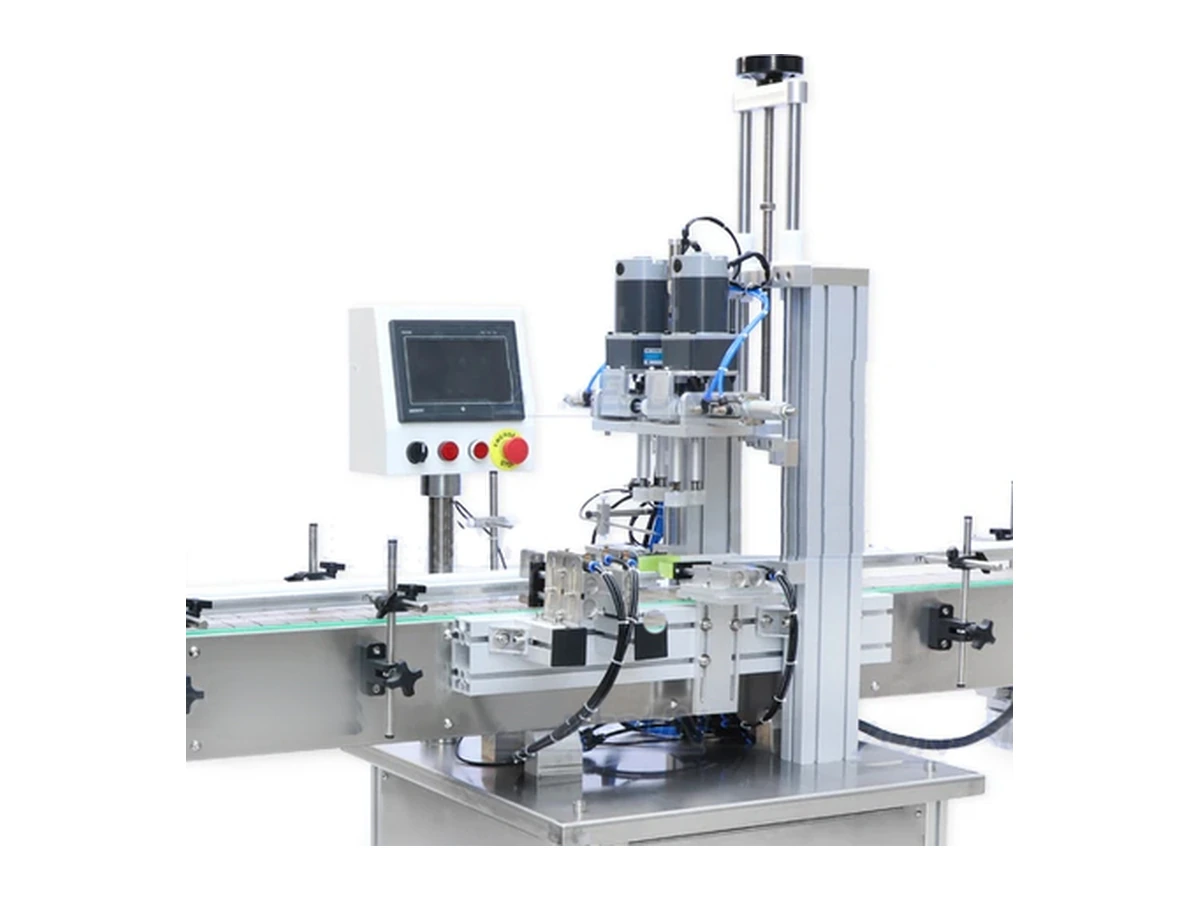
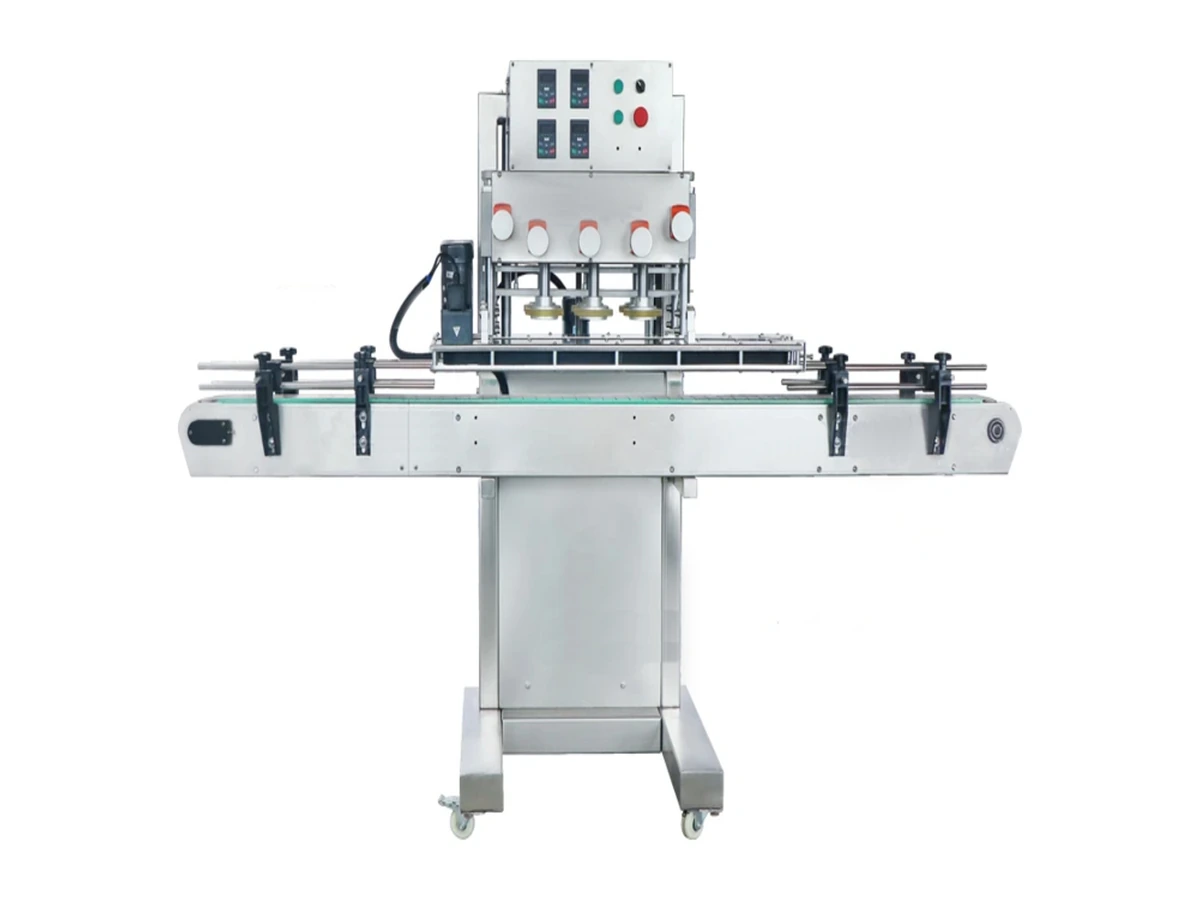
Trigger capping machines to compare

Use these product pages to compare the available machine families and then send Lancing your sample details for configuration advice.

Related searches

Useful next pages

These pages build the trigger-capping topic cluster and help users move from broad research into a machine enquiry.

FAQs

Questions buyers ask

What is the difference between a trigger capper and a normal screw capper?

A normal screw capper mainly controls torque on a round closure. A trigger capper also has to deal with trigger orientation, asymmetric closure geometry and, in many cases, dip-tube guidance into the bottle.

Can Lancing supply automatic trigger cappers?

Yes. Lancing can help compare automatic trigger capping machinery, cap feeding equipment and inline screw capping routes depending on the bottle, closure and output target.

Is a semi-automatic trigger capper enough for a small line?

It can be. Smaller projects often start with semi-automatic or compact capping where an operator can place or assist the closure and the machine provides consistent tightening.

Need a trigger capping recommendation?

Send the bottle, cap, tube length, output target and current line details. Lancing can help shortlist the right route.

Call now01494 623015