Dip-tube handling

Dip-tube trigger capping machines for spray bottles

Plan trigger capping equipment around dip-tube length, flexibility and reliable entry into the bottle neck.

Buyer guidance

What this page helps you decide

Plan trigger capping equipment around dip-tube length, flexibility and reliable entry into the bottle neck.

  • Dip-tube length and flexibility review
  • Bottle neck and mouth size checks
  • Guidance before torque application
  • Cap feeding and orientation planning
  • Sample-led configuration advice
Dip-tube trigger capping machines for spray bottles

Specification notes

Practical points before shortlisting machinery

These notes are written for buyers comparing a real trigger capping project, not for generic catalogue browsing.

The dip tube is often the real challenge

The capping head may be able to tighten the cap, but the line still fails if the dip tube misses the neck, bends badly or catches on the bottle shoulder. Tube behaviour is affected by length, stiffness, packaging, static, storage and how the cap is presented by the feeder. That is why tube-handling detail should be included at the start of the project.
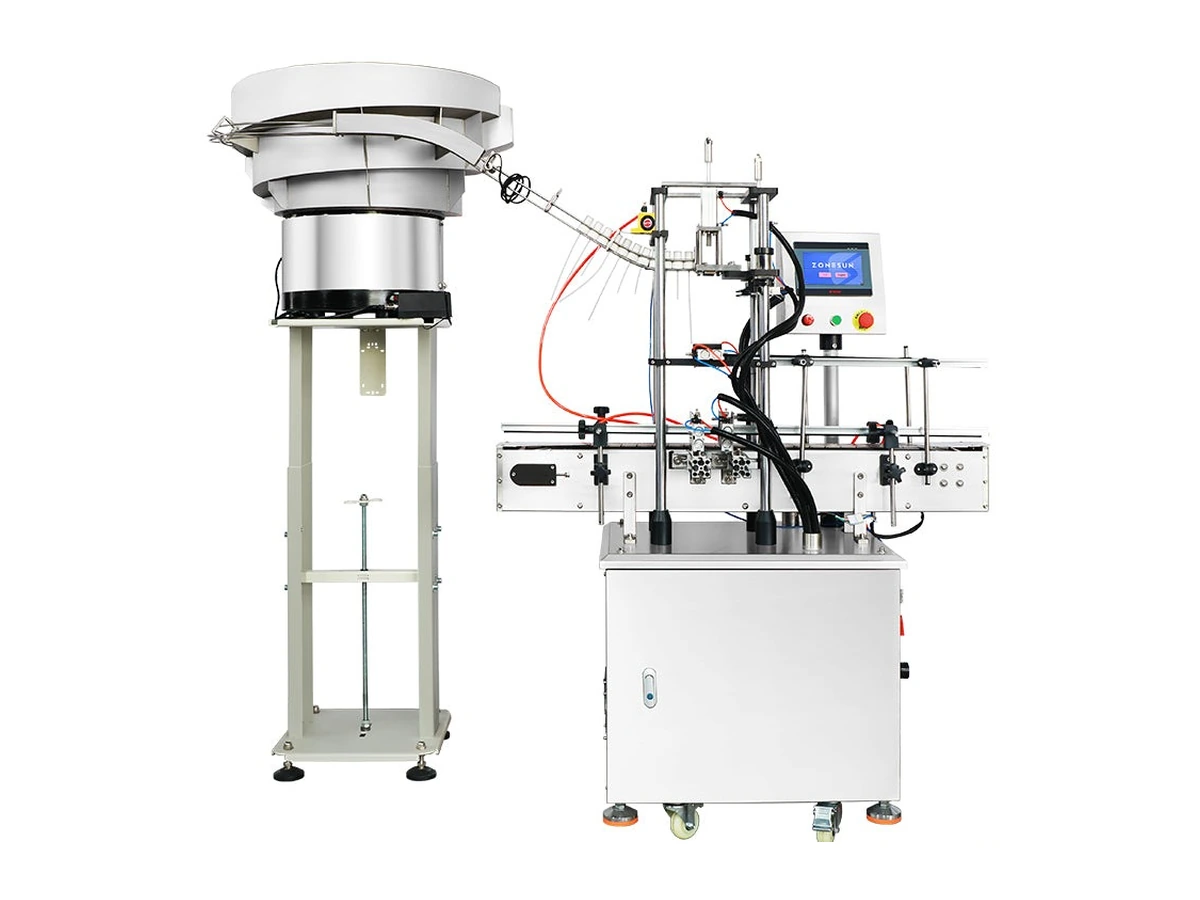
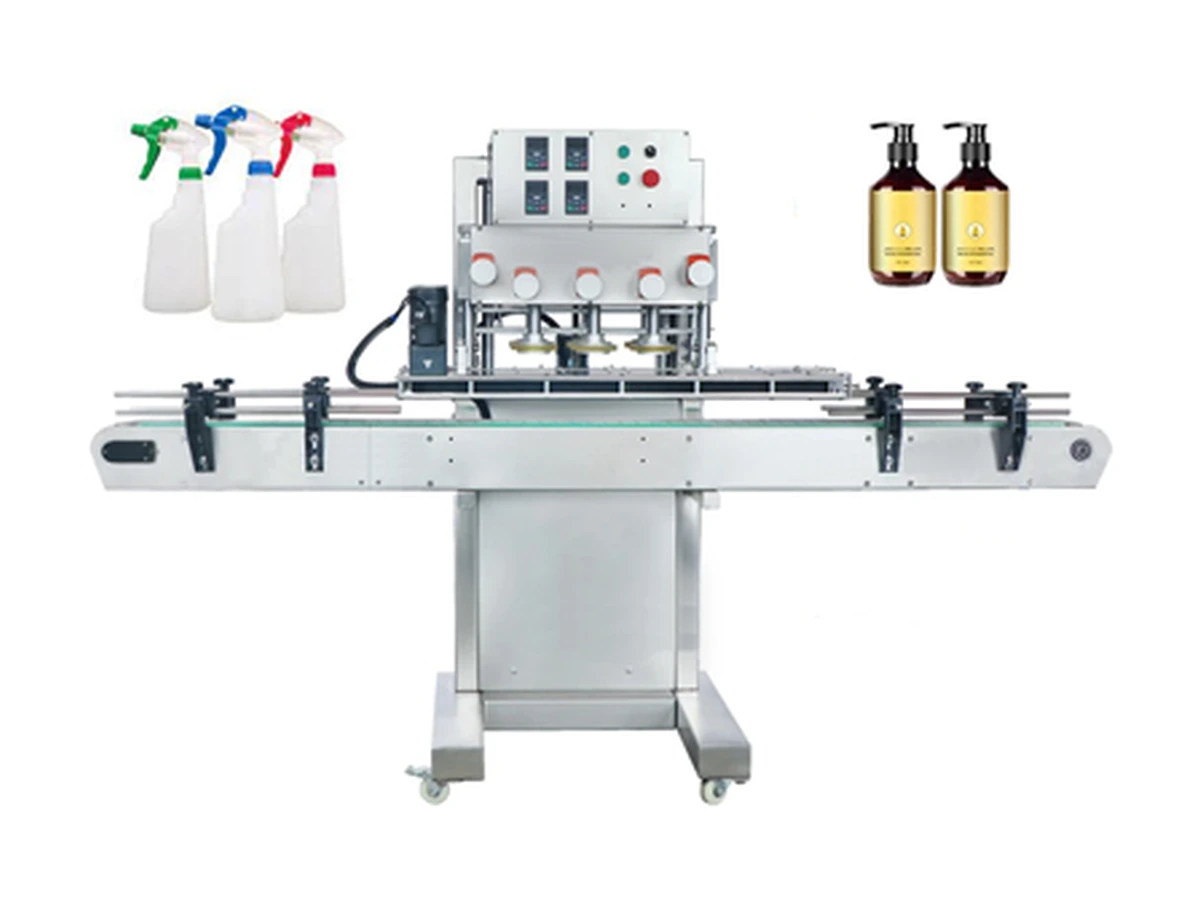
What should be tested

A practical review considers minimum and maximum tube length, bottle opening size, bottle height, cap orientation, guide funnels, bottle clamping and conveyor stability. If tubes are very flexible or arrive tangled, the project may need a more controlled placement method rather than a simple feed-and-tighten setup.

Reducing line stoppages

Reliable tube entry usually comes from matching the cap feeding method, bottle control and insertion route. Avoid over-specifying speed before the tube behaviour is understood. A slower but controlled line can outperform a nominally faster line that stops repeatedly for misfeeds and manual intervention.

Dip-tube control

Treat the tube as a critical component, not an attachment

The dip tube is often the limiting feature in automatic trigger capping. Small differences in length, stiffness, curvature or cut quality can change how reliably the tube enters the bottle neck.

Length and tolerance

Use production samples to measure the real length range, including supplier and batch variation. A tube that is only slightly too long may contact the shoulder or base before the cap is seated.

Stiffness and natural curvature

Flexible tubes may deflect away from the neck; stiffer tubes can catch on the neck finish. Curvature direction also affects how the closure should be presented.

Tube-end quality

Burrs, angled cuts, flattening or static attraction can change insertion behaviour. The machinery trial should include the least favourable acceptable tube condition.

Bottle neck and support

Neck opening, thread start, shoulder geometry and bottle stability determine the guide geometry and support needed during insertion.

Nominal tube lengthMeasure from the closure datum to the tube end and state the acceptable manufacturing tolerance.
Tube outside diameterInclude tolerance and any local deformation caused by assembly or transport.
Material and stiffnessIdentify tube material and provide samples from more than one production batch where possible.
CurvatureRecord natural bend direction and whether tubes arrive straight, coiled or constrained in packaging.
Bottle openingNeck bore, thread finish, shoulder position and any insert or restrictor that affects entry.
Insertion guideDefine whether a funnel, guide fingers, controlled pick-and-place motion or another method is proposed.
Trial conditionsTest dry and production-representative samples, including worst-case tubes and normal bottle variation.
Reject criteriaBent/folded tube, tube outside bottle, high cap, cross-thread, damaged tube or incomplete seating.

Machine options

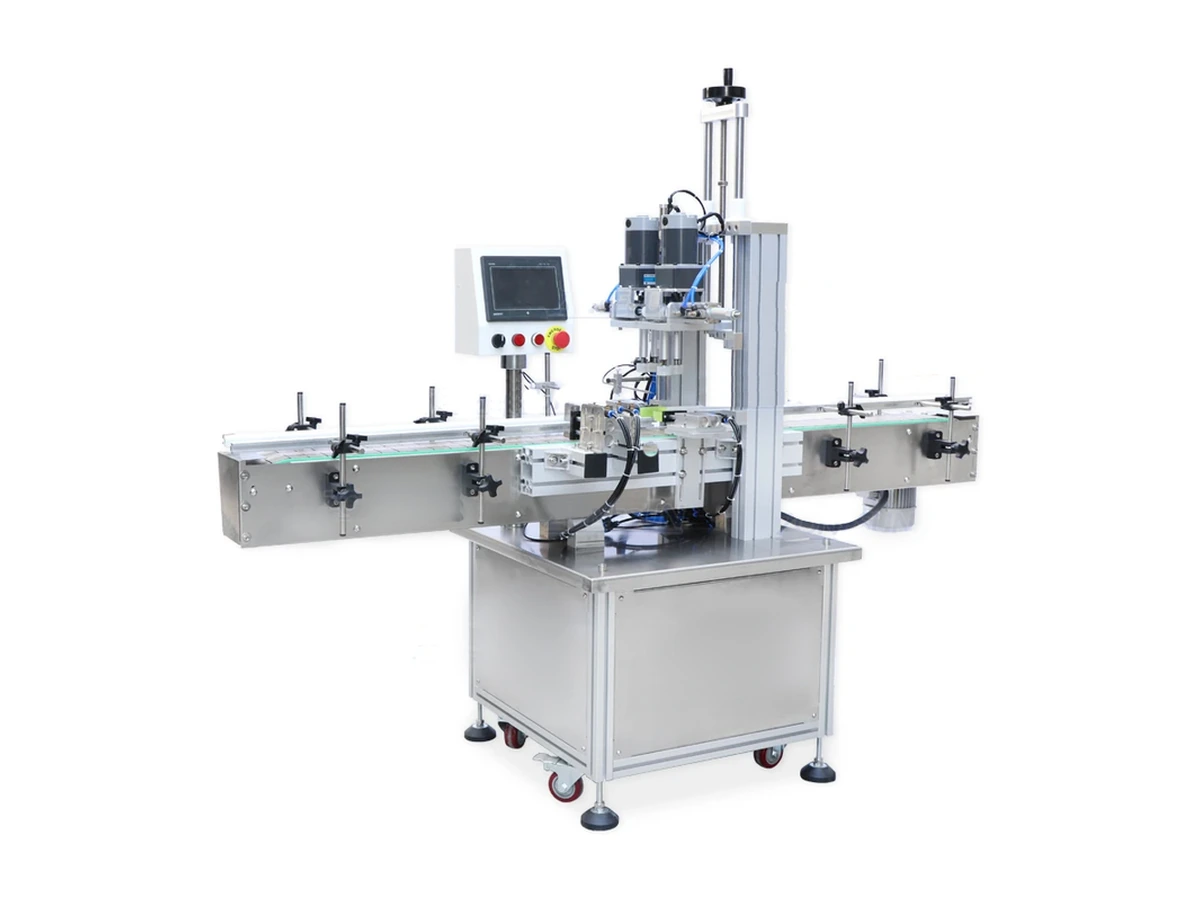
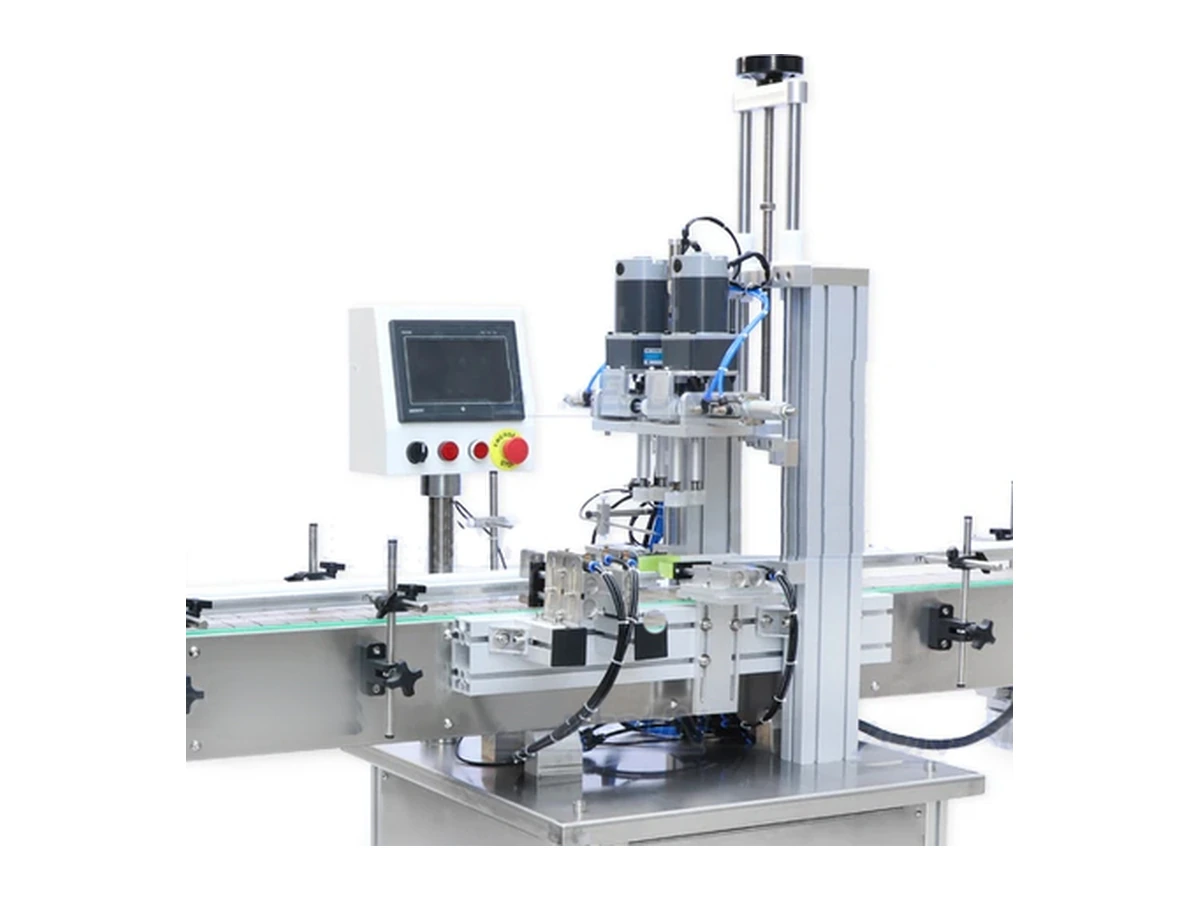
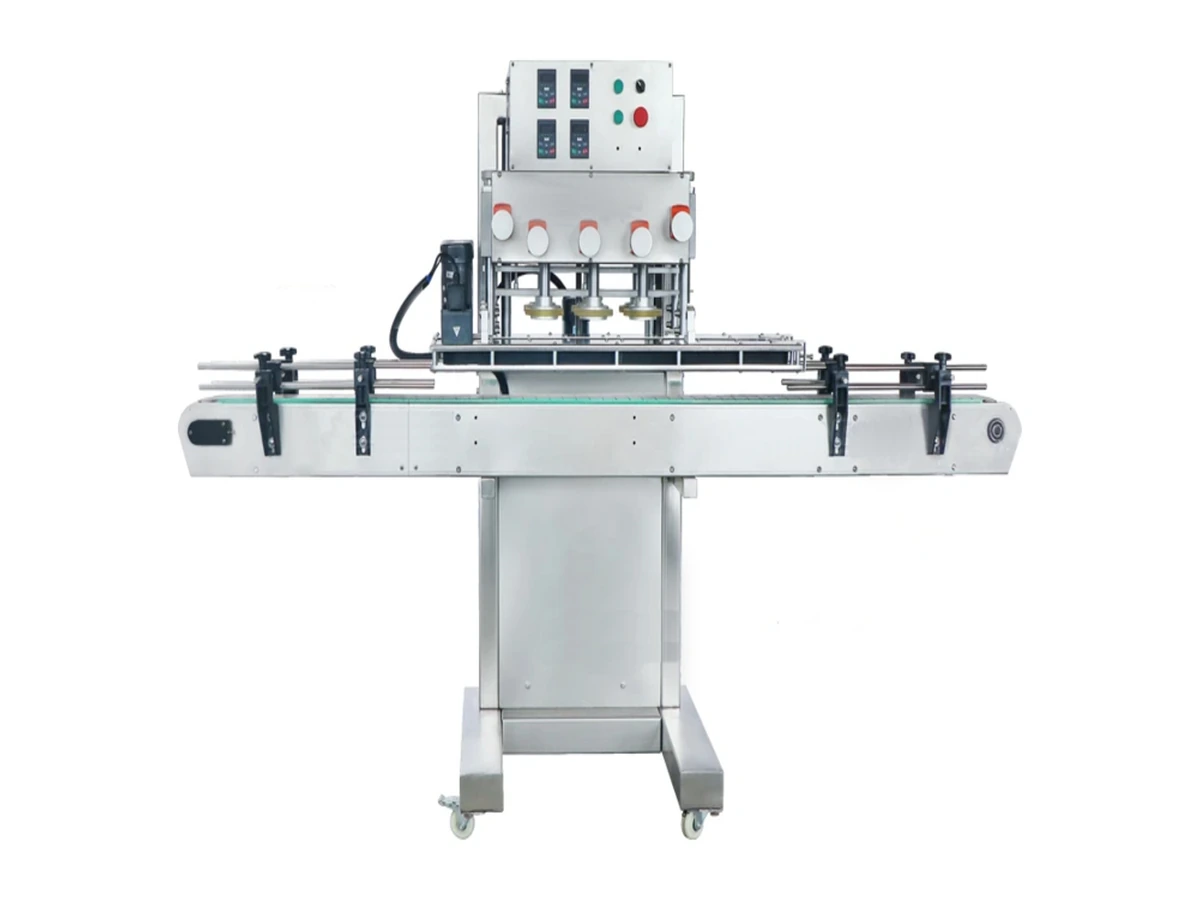
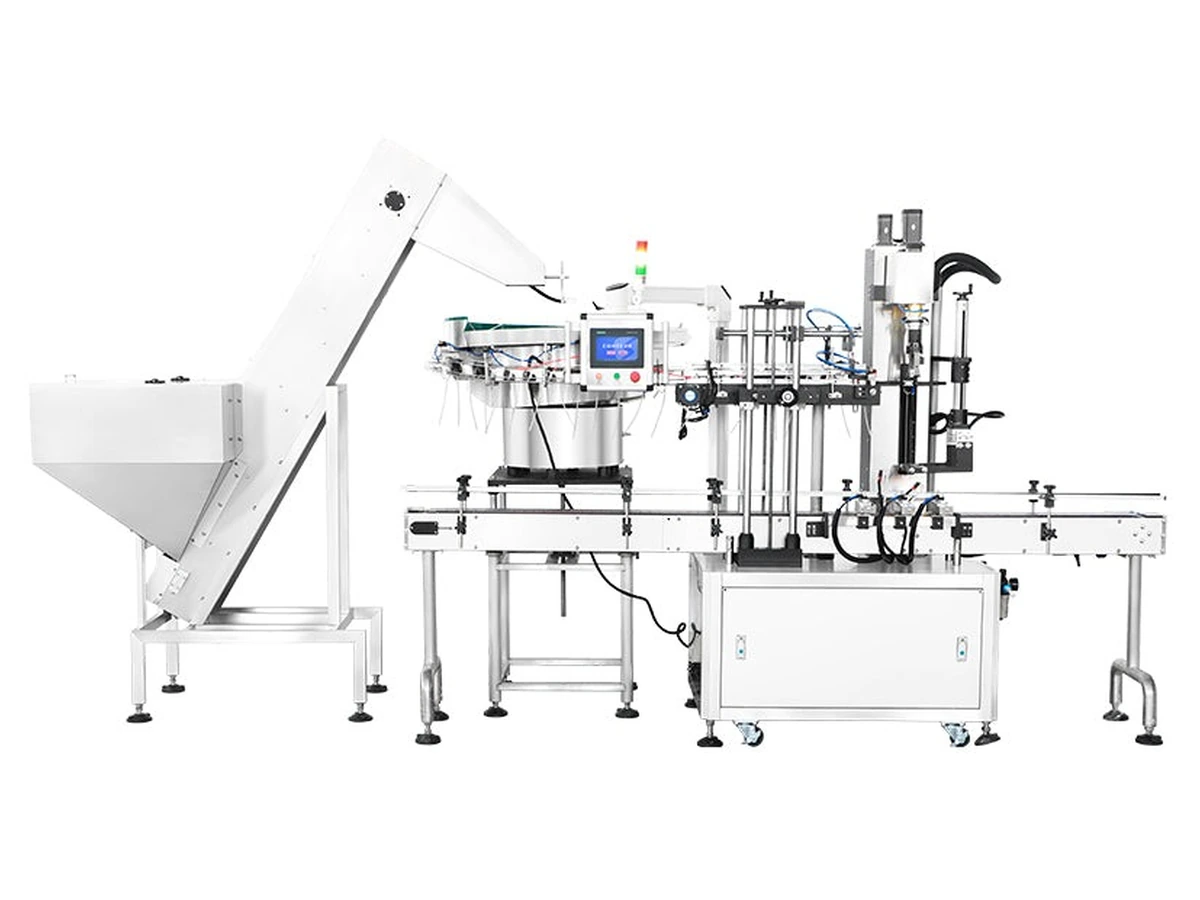
Trigger capping machines to compare

Use these product pages to compare available machine families and then send Lancing your sample details for configuration advice.

Related search routes

Pages that support this buying decision

These internal routes strengthen the trigger-capping topic cluster and help users move from research into a machine enquiry.

FAQs

Questions buyers ask

Why do dip tubes cause capping issues?

They can bend, miss the bottle neck, tangle in feeders or be damaged during placement if the machine route is not designed around them.

What samples are needed?

Send actual caps with tubes attached and bottles filled to a realistic weight where possible.

Can tube handling be automated?

Yes, but the right approach depends on the tube length, material, closure geometry and required output.

Need a trigger capping recommendation?

Send the bottle, cap, tube length, output target and current line details. Lancing can help shortlist the right route.

Call now01494 623015