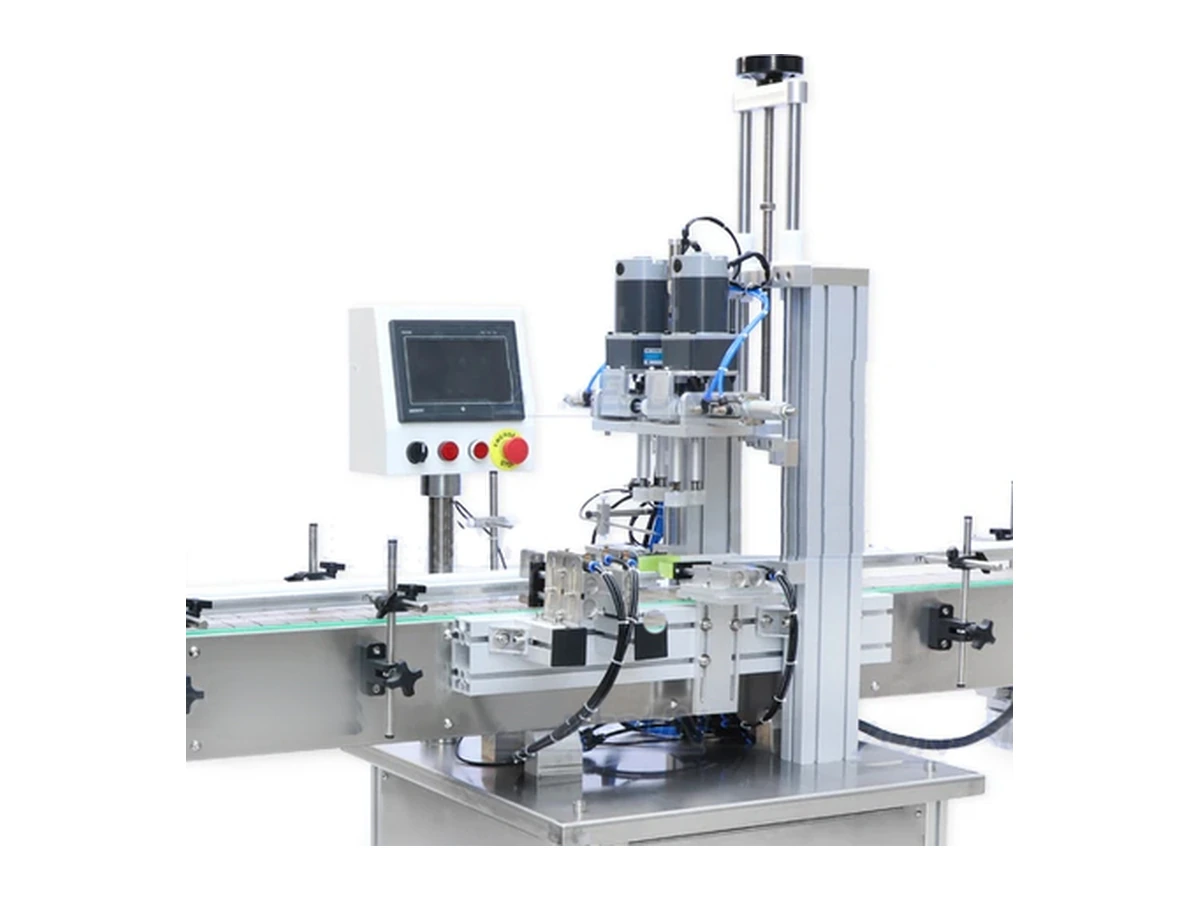
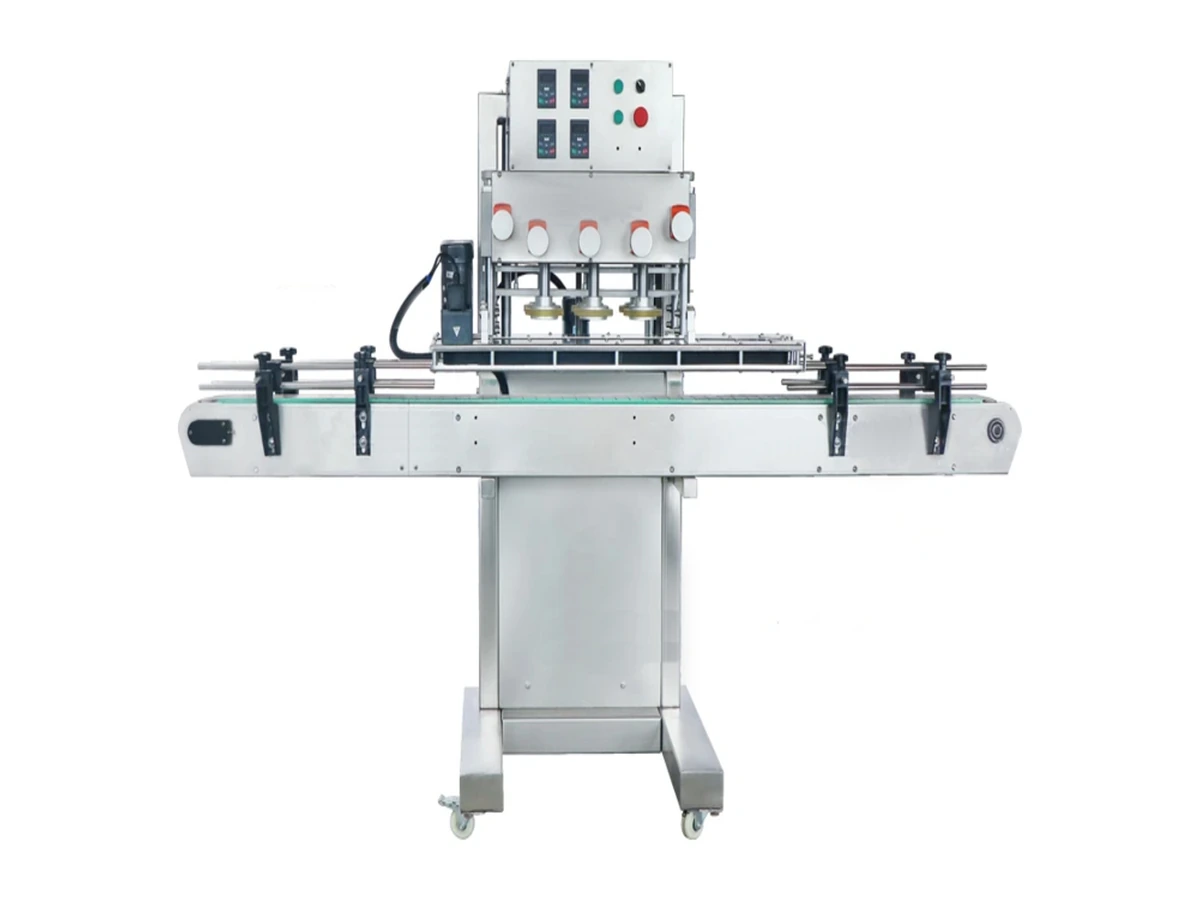
Trigger spray capping machine UK

Trigger spray capping machines for spray bottle lines

Compare trigger spray capping machine routes for spray bottles used in cleaning, home-care, chemical and personal-care products.

Buyer guidance

What this page helps you decide

Compare trigger spray capping machine routes for spray bottles used in cleaning, home-care, chemical and personal-care products.

  • Trigger spray caps with long or flexible dip tubes
  • Cap feeding and orientation where manual placement is too slow
  • Inline and compact capping routes
  • Cleaning, home-care and chemical spray bottles
  • Support from specification through installation
Trigger spray capping machines for spray bottle lines

Specification notes

Practical points before shortlisting machinery

These notes are written for buyers comparing a real trigger capping project, not for generic catalogue browsing.

What makes trigger spray capping different

A trigger spray closure is not a simple symmetrical cap. It can include a long, flexible dip tube, an angled head and a trigger that needs consistent presentation. The machine must either rely on an operator to place the cap correctly or use feeding and handling equipment that presents the closure to the bottle in a repeatable way.

Typical production routes

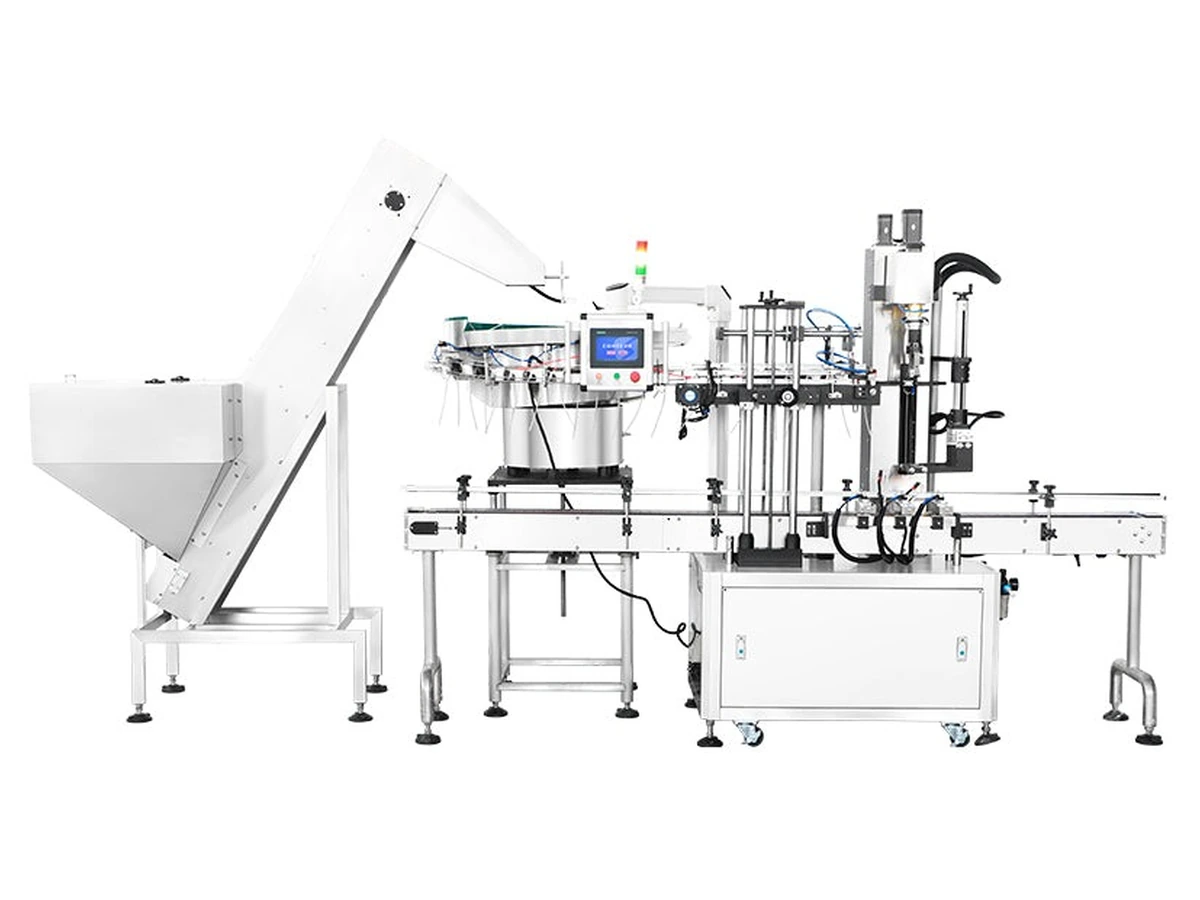
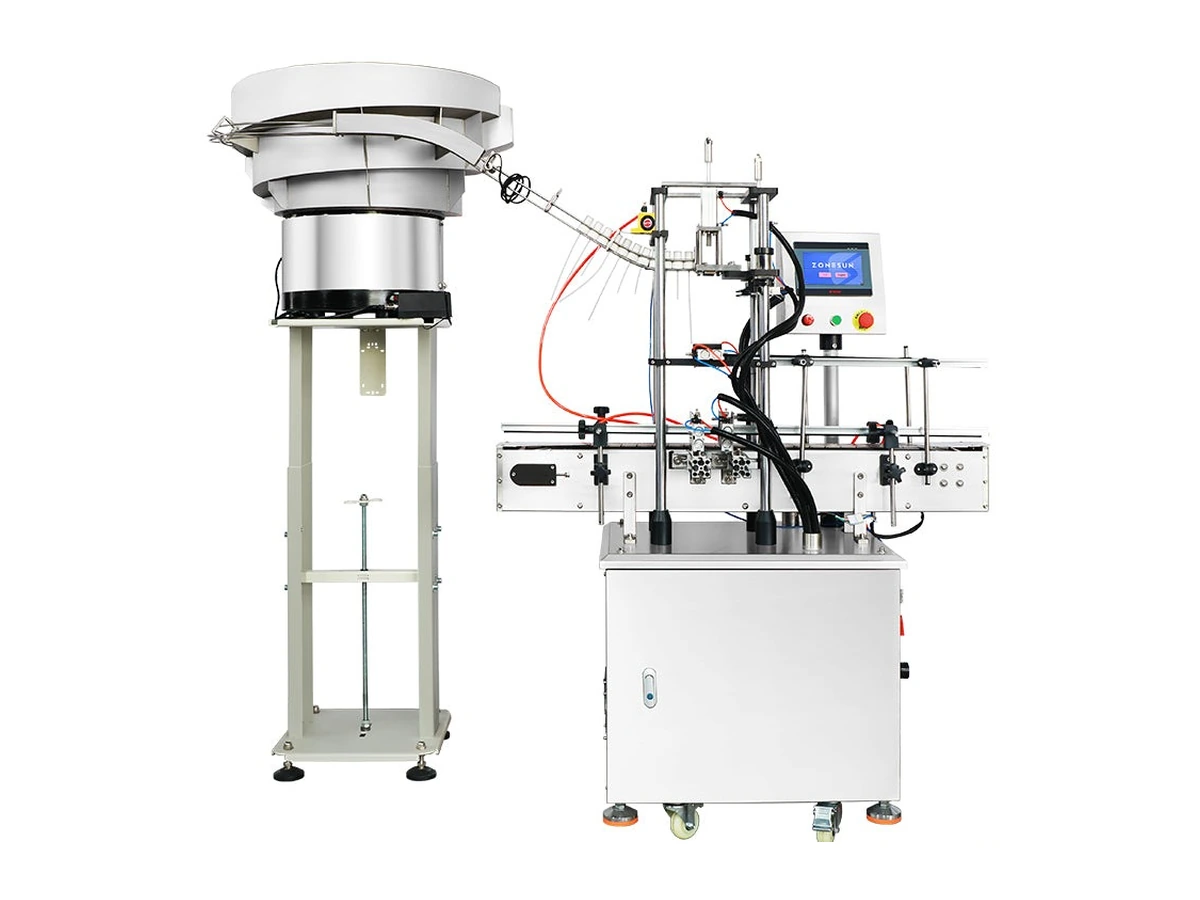
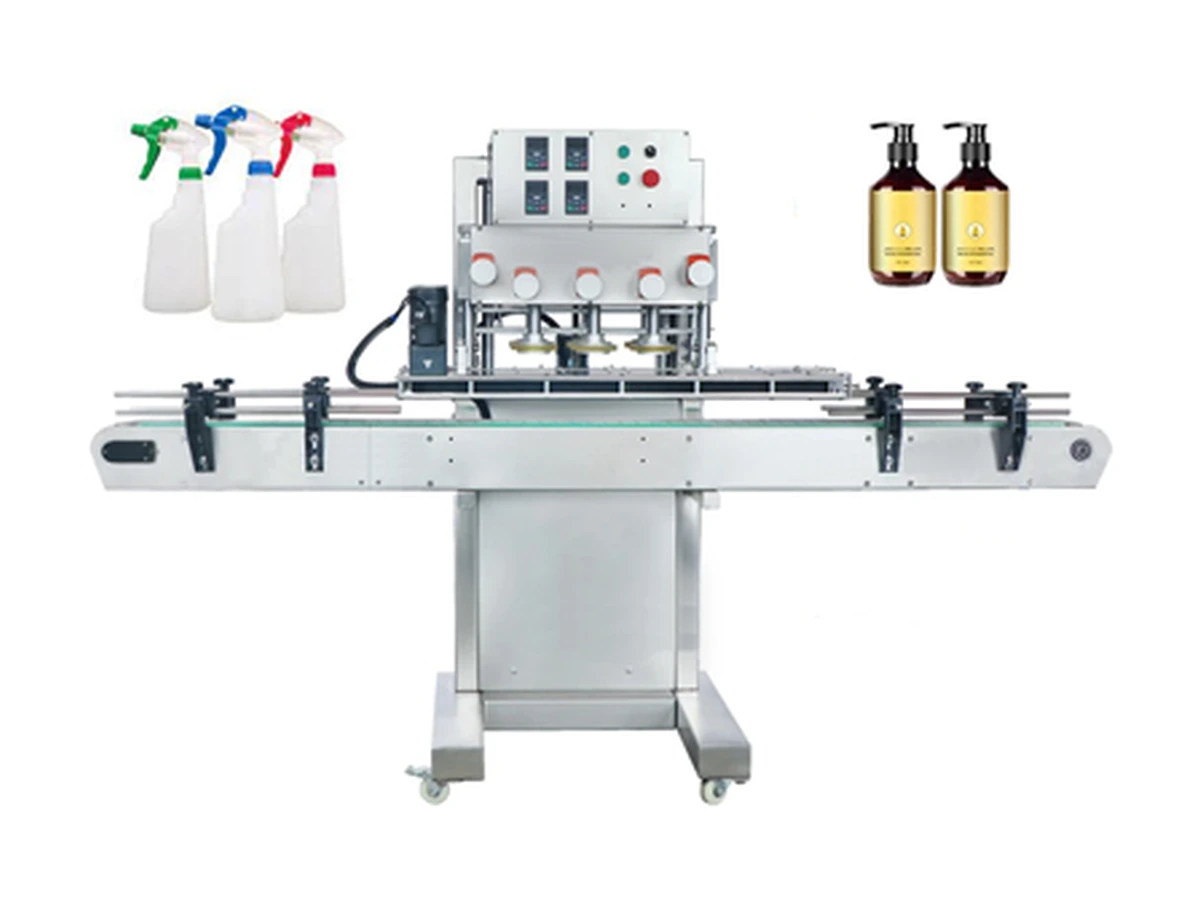
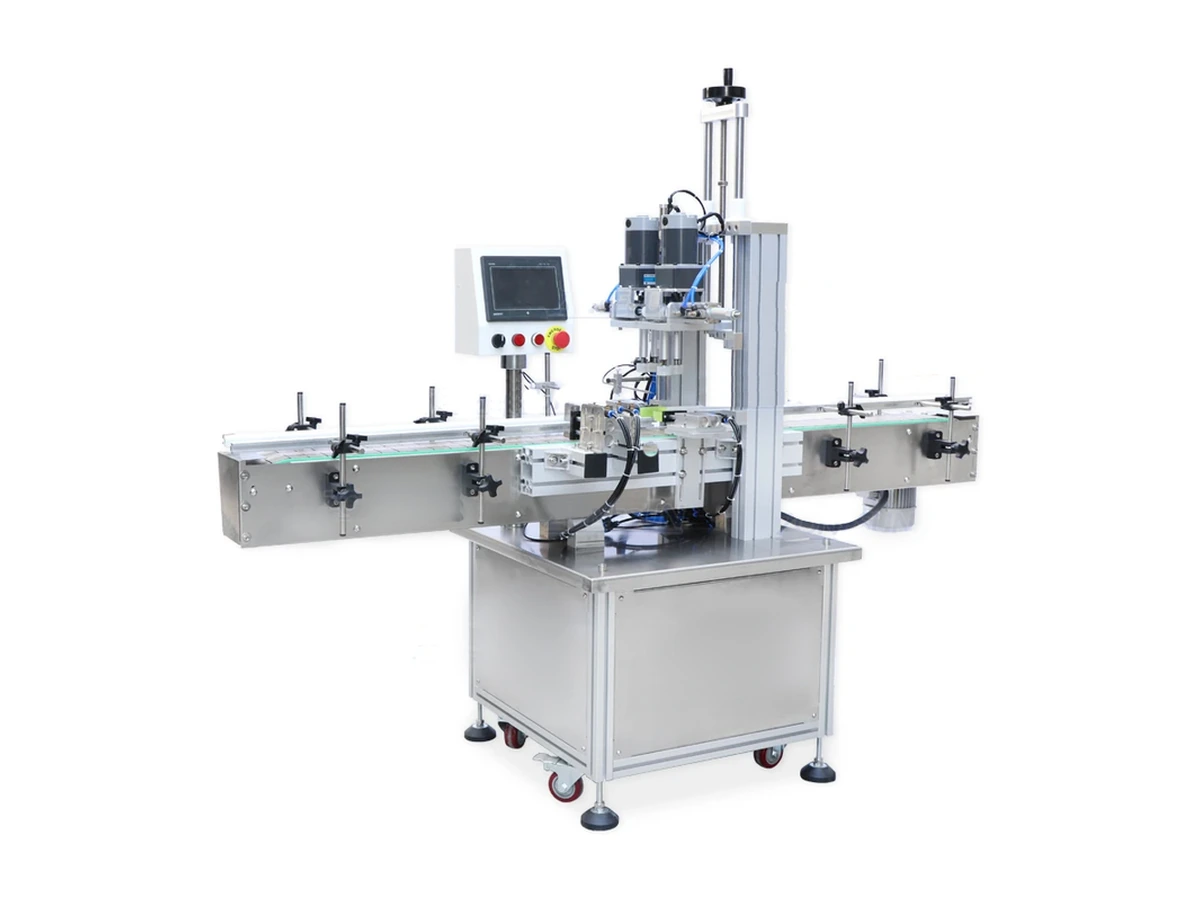
Smaller lines may use semi-automatic capping where an operator positions the sprayer and the machine applies controlled torque. Medium and higher-output lines usually consider automatic feeding, bottle indexing, clamping and inline capping. The line may also include filling, labelling, coding and end-of-line packing, so the capper should be specified as part of the wider bottle-handling process.

How Lancing helps narrow the shortlist

Lancing can review the actual cap, bottle and product requirement before recommending a route. Useful details include closure sample, dip tube length, cap diameter, bottle height, filled bottle weight, intended bottles per minute and whether the line already has a filler or labeller. This helps separate a practical machine recommendation from a generic product list.

Technical specification

Control feeding, tube entry, placement and final torque

A dependable trigger spray capping machine treats closure presentation, dip-tube insertion and tightening as connected but separately adjustable operations. The following points should be stated in the machinery brief and demonstrated during testing.

Feed the asymmetric closure

Trigger sprayers are not rotationally symmetrical. The feeder must control the trigger body, nozzle and tube while rejecting incorrect presentation before the closure reaches the bottle.

Guide the dip tube into the neck

Tube length, stiffness and curvature affect entry. A controlled insertion path and stable bottle position reduce snagging on the neck finish or folding at the tube end.

Engage the thread before full torque

The closure should be placed squarely and started without cross-threading. Final tightening is then applied within an agreed torque or cap-height window.

Detect and contain faults

Missing caps, high caps, misorientation, tube damage and bottle jams need a defined sensor, alarm or reject response so faults do not continue into downstream packing.

Closure dataThread/neck finish, skirt dimensions, trigger body envelope, nozzle orientation and any lock or transit clip.
Tube dataLength and tolerance, outside diameter, stiffness, curvature, material and cut-end condition.
Bottle dataMaterial, neck dimensions, height, width, filled weight, centre of gravity and sidewall rigidity.
Presentation methodManual placement, bowl/centrifugal feed, track, pick-and-place or another validated method.
Tightening controlRequired torque or cap-height result, head type, speed, slip/clutch behaviour and cross-thread prevention.
Line rateSustained bottles per minute, peak requirement, pitch, upstream/downstream interlocks and accumulation.
ChangeoverFormat parts, tool-free adjustments, recipe settings, verification checks and expected changeover frequency.
Acceptance testWorst-case samples, run duration, output, reject limits, cap quality checks and evidence to record.

Machine options

Trigger capping machines to compare

Use these product pages to compare available machine families and then send Lancing your sample details for configuration advice.

Related search routes

Pages that support this buying decision

These internal routes strengthen the trigger-capping topic cluster and help users move from research into a machine enquiry.

FAQs

Questions buyers ask

Is a trigger spray capper the same as a screw capper?

Not exactly. The final tightening may use screw capping principles, but trigger sprayers often require additional cap presentation and tube-handling considerations.

Can trigger spray caps be fed automatically?

Yes, many projects use a bowl feeder, track, pick-and-place or dedicated presentation system, depending on the closure shape and output target.

What output can a trigger spray capper achieve?

Output depends on cap feeding, bottle stability, dip tube behaviour, machine configuration and operator involvement. Send samples and a target output for a more realistic recommendation.

Need a trigger capping recommendation?

Send the bottle, cap, tube length, output target and current line details. Lancing can help shortlist the right route.

Call now01494 623015