Trigger capping machines UK

Trigger capping machines for UK spray, pump and screw-cap lines

Use this page when you need a UK supplier to help specify trigger capping machinery, cap feeding and bottle handling for spray, pump or screw-cap products.

Buyer guidance

What this page helps you decide

Use this page when you need a UK supplier to help specify trigger capping machinery, cap feeding and bottle handling for spray, pump or screw-cap products.

  • Trigger sprayer, pump and dispenser closure projects
  • Automatic or operator-assisted cap placement
  • Cap feeding, bowl feeding and orientation options
  • Bottle stability, dip-tube handling and torque control
  • UK installation, commissioning and aftercare support
Trigger capping machines for UK spray, pump and screw-cap lines

Specification notes

Practical points before shortlisting machinery

These notes are written for buyers comparing a real trigger capping project, not for generic catalogue browsing.

Who this page is for

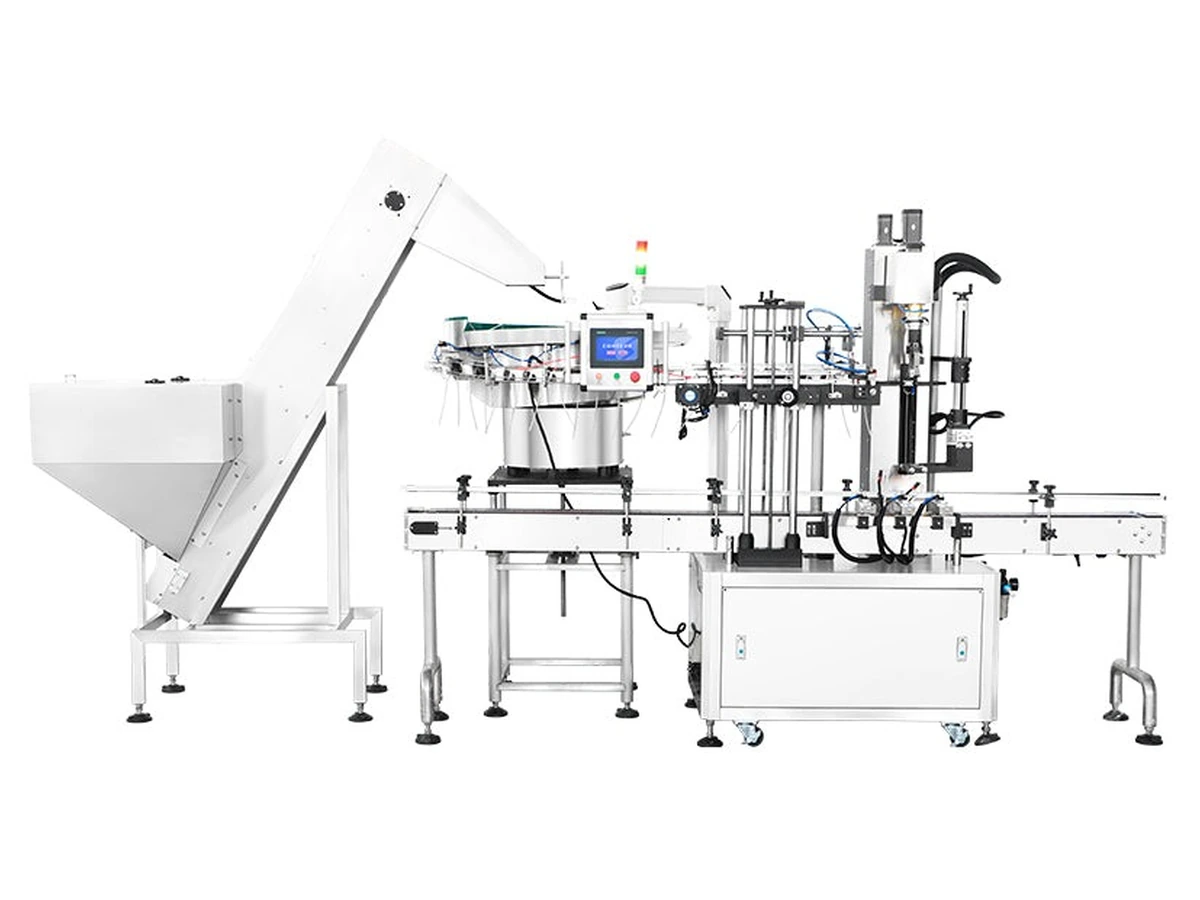
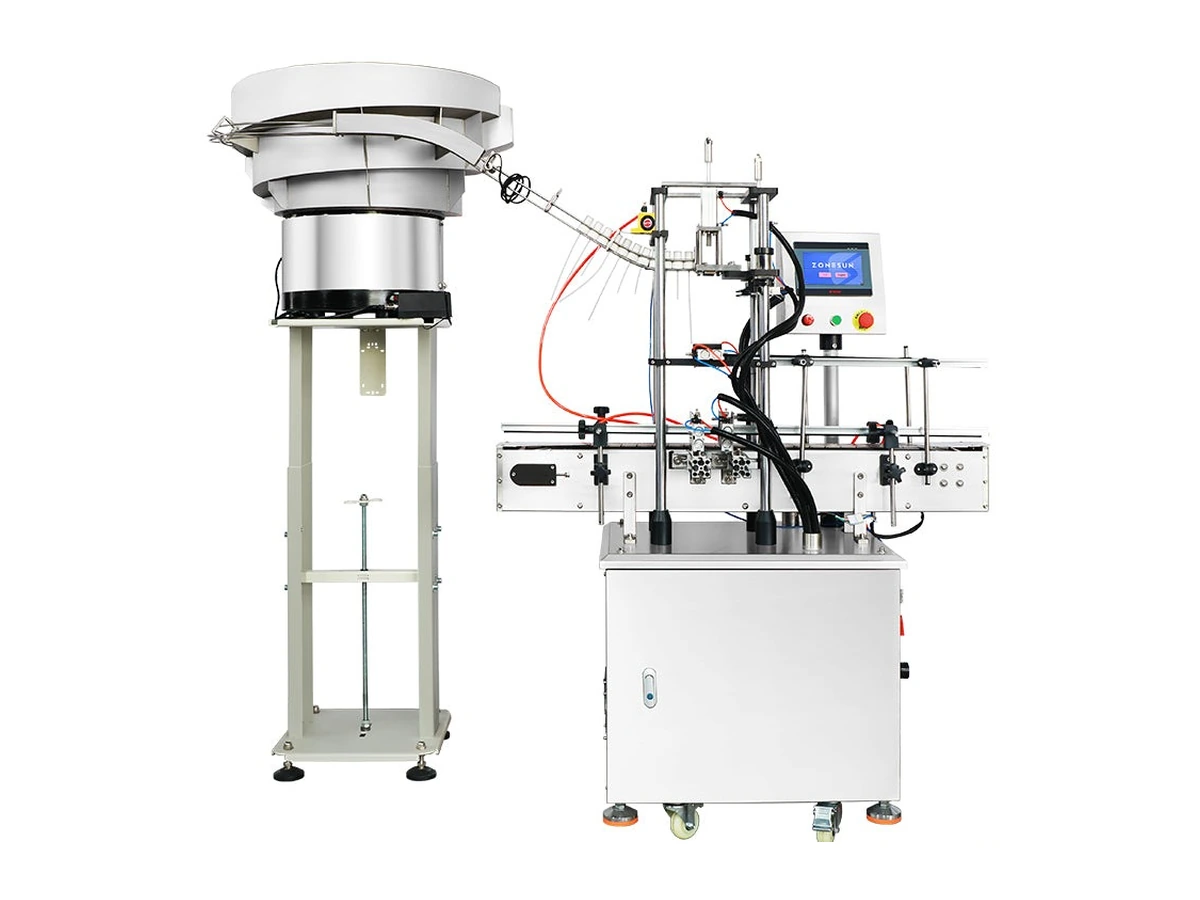
This route is aimed at production managers, engineers and buyers comparing trigger capping machines for cleaning products, home-care sprays, chemicals, cosmetics and contract-packing projects. The right machine depends on the closure, the bottle neck, the dip tube and the level of automation required. A trigger sprayer behaves differently from a normal round screw cap because the head shape, tube and orientation can create extra handling steps before torque is applied.
What to compare before asking for a quote

Start with the bottle material, filled weight, neck finish, cap diameter, tube length and target output. Then decide whether an operator can place the trigger manually or whether the line needs automatic cap feeding and orientation. For higher-output lines, the capper may need to integrate with filling, labelling, conveyors, accumulation and coding. A stronger brief lets Lancing compare a simple screw capping route against a dedicated automatic trigger capper without guessing.

Why exact machine selection matters

Trigger caps can be awkward because the dip tube needs reliable entry into the bottle while the head is presented at the right angle. Light bottles, flexible containers and tall necks can also affect bottle stability. Machine selection should therefore consider cap presentation, bottle clamping, conveyor control, torque repeatability, format changeover and future SKU growth. This reduces the chance of buying a machine that works on a sample run but struggles in daily production.

Automation comparison

Choose the lowest-complexity route that meets sustained output

The best trigger capping machine is not automatically the most automated. Compare labour, closure presentation, changeovers and line interfaces before choosing the machinery level.

Semi-automatic tightening

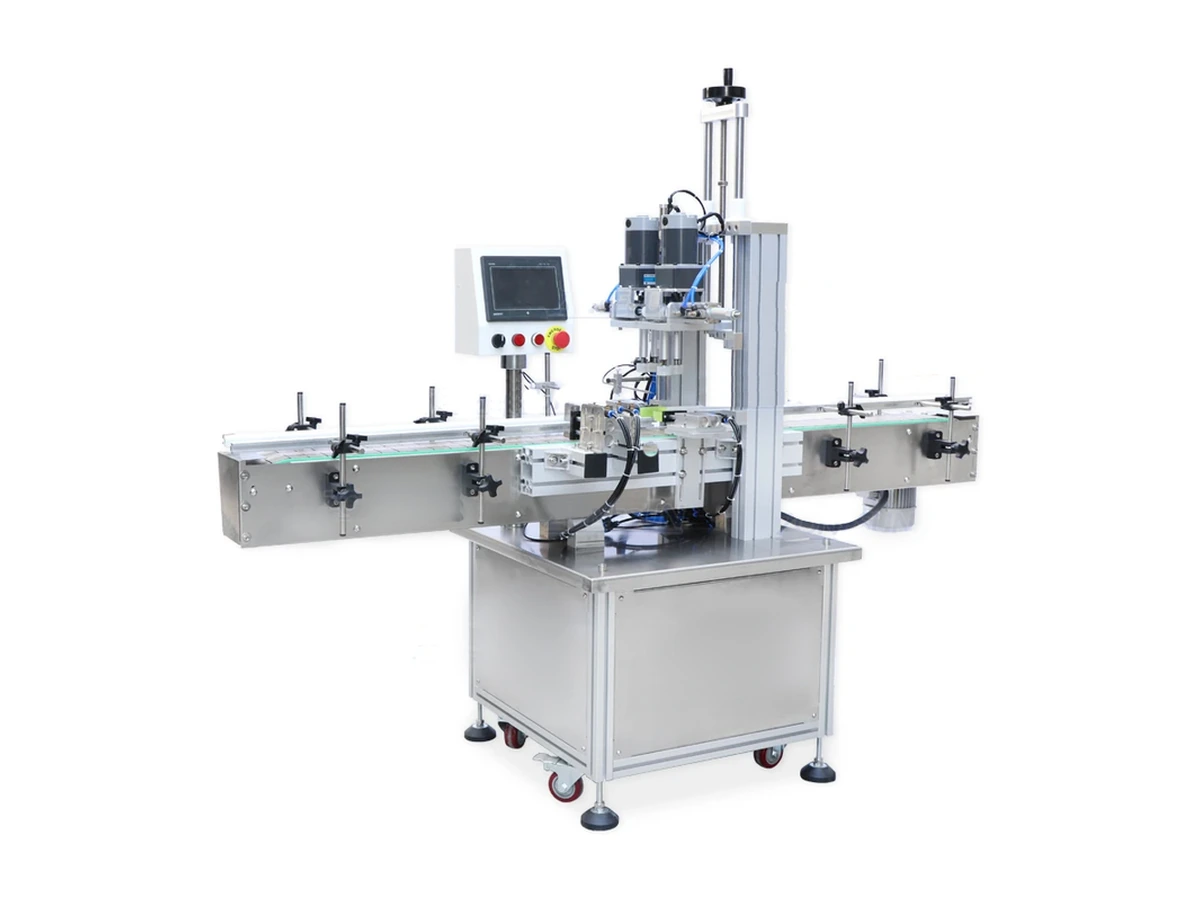
An operator presents the closure and the machine controls the tightening cycle. This can suit smaller batches, frequent format changes and projects where automatic tube handling is not justified.

Inline automatic tightening

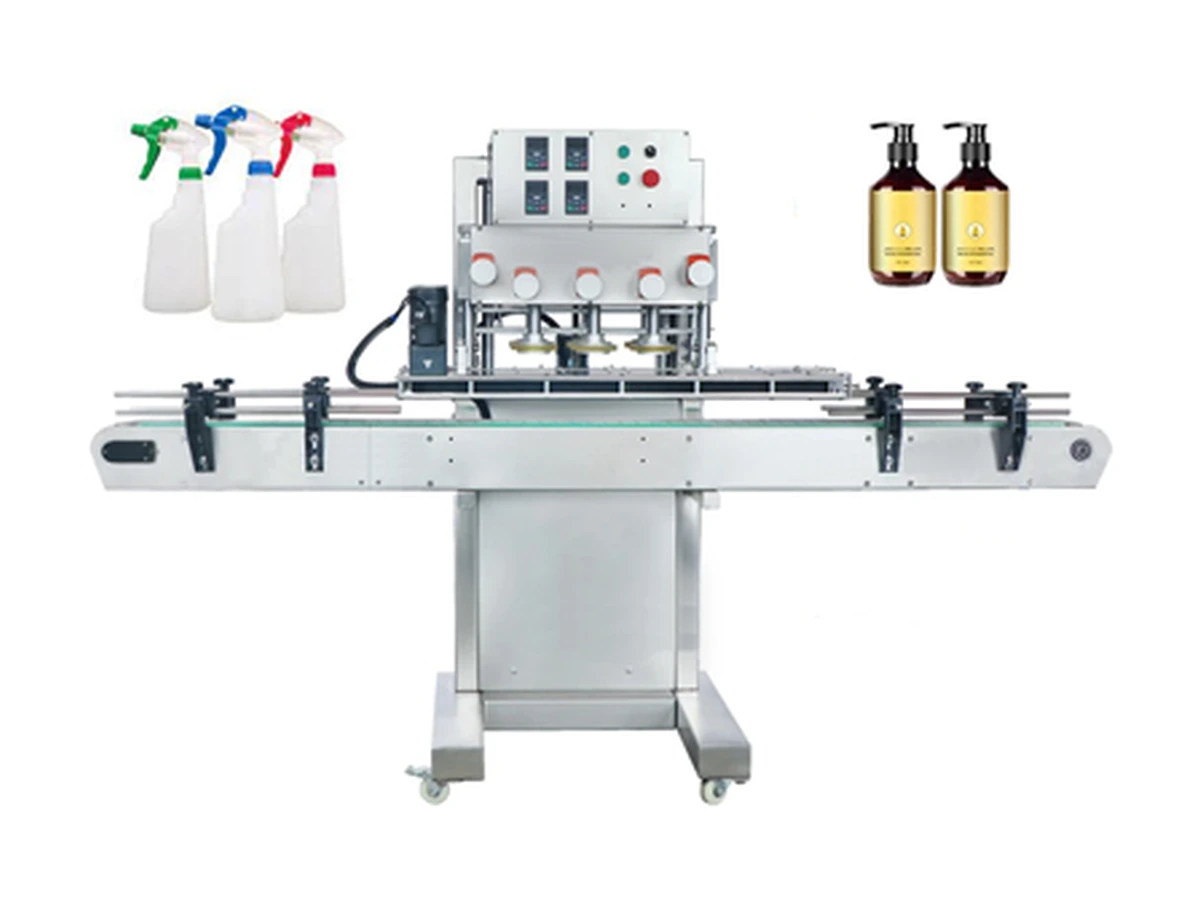
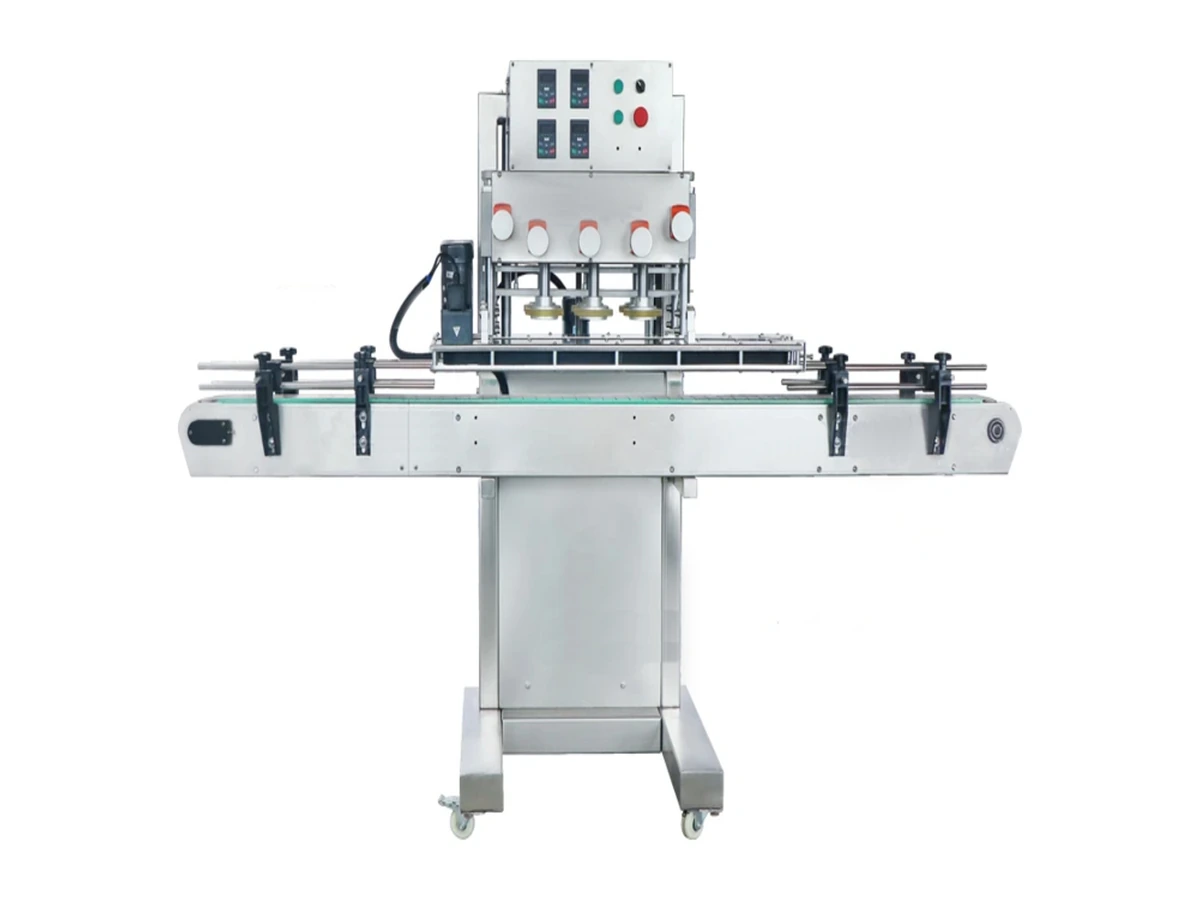
Bottles move through guides or side belts while the closure is tightened. The closure may still be presented manually or by a separate feed-and-place module.

Automatic feed, place and tighten

Bulk closures are oriented, transferred, inserted and tightened with minimal operator handling. This route needs more sample testing and a clearer change-parts strategy.

Complete line integration

Filling, capping, labelling and inspection are balanced as one system, with common interlocks, accumulation and recovery procedures.

Operator involvementState who loads bulk closures, replenishes hoppers, places caps, clears faults and performs quality checks.
Sustained outputSpecify the required continuous rate after normal micro-stops and replenishment, not only a theoretical maximum cycle.
SKU flexibilityList every bottle/closure combination and the order in which they are normally produced.
Capital scopeCompare like for like: machine, feeder, change parts, guarding, conveyors, controls, FAT, delivery and installation.
Site readinessConfirm space, access, power, air, conveyor height, floor condition and connection to adjacent machinery.
Support scopeDefine commissioning, training, documentation, recommended spares, response route and planned maintenance.

Machine options

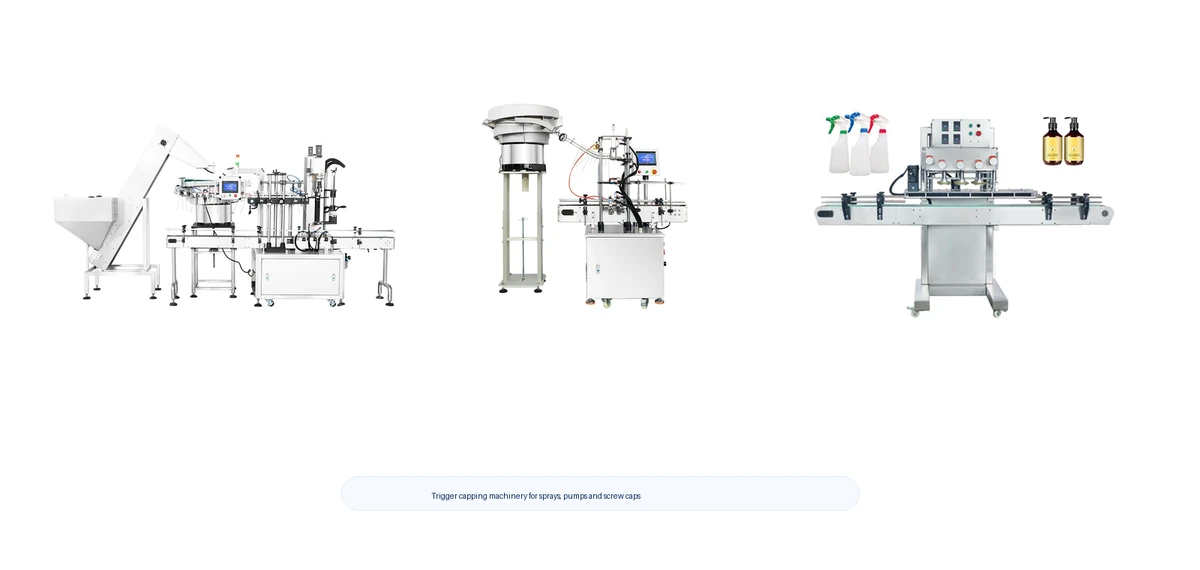
Trigger capping machines to compare

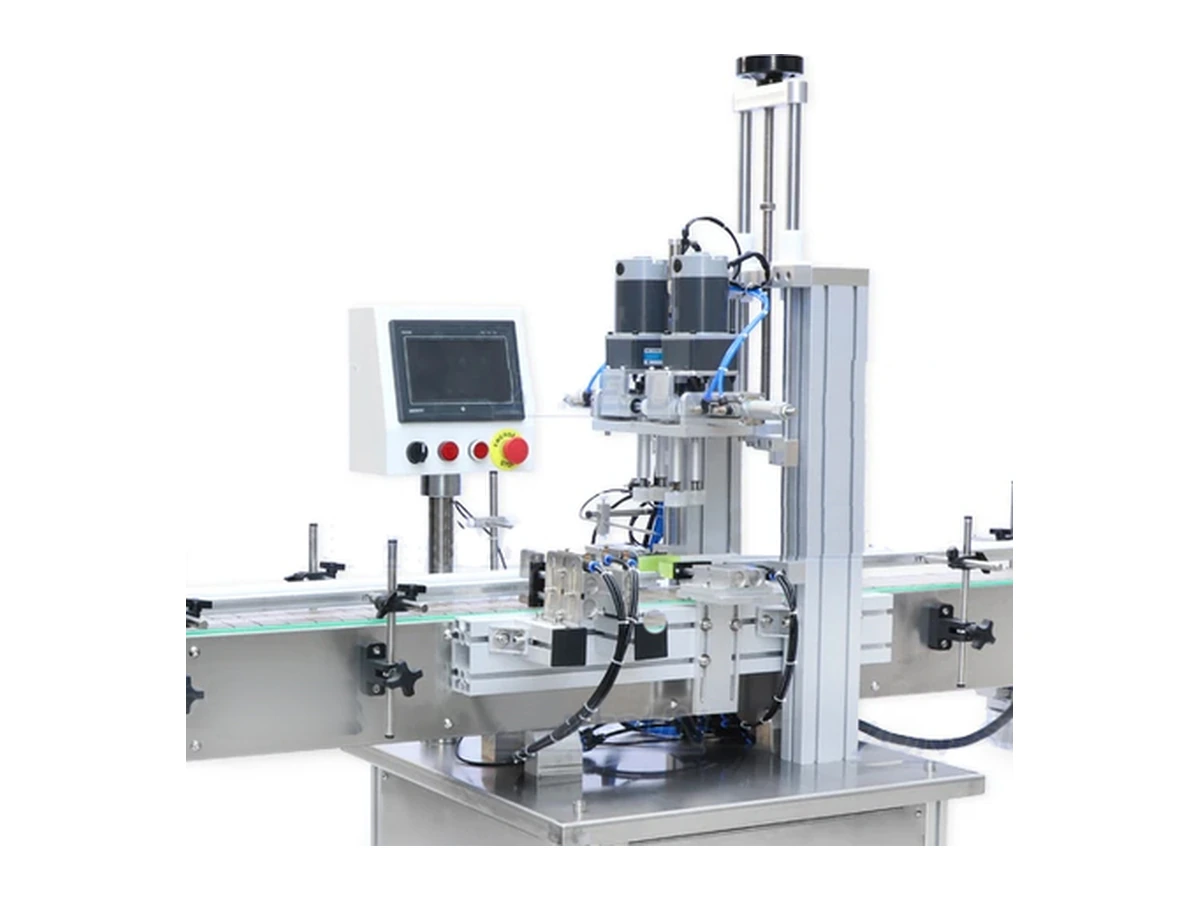
Use these product pages to compare available machine families and then send Lancing your sample details for configuration advice.

Related search routes

Pages that support this buying decision

These internal routes strengthen the trigger-capping topic cluster and help users move from research into a machine enquiry.

FAQs

Questions buyers ask

What is a trigger capping machine?

A trigger capping machine places and tightens trigger sprayer closures onto bottles. Some machines rely on manual cap placement, while automatic systems can feed and orientate the cap before capping.

Can one capper handle trigger sprayers and normal screw caps?

Often yes, but tooling, guides and settings may need changing. Suitability depends on cap geometry, diameter, height, bottle stability and target output.

What information should I send for a quote?

Send bottle samples, cap samples, tube length, product type, output target, available utilities, current line layout and any changeover requirements.

Need a trigger capping recommendation?

Send the bottle, cap, tube length, output target and current line details. Lancing can help shortlist the right route.

Call now01494 623015