Troubleshooting

Trigger capper troubleshooting guide for spray bottle lines

Diagnose common trigger capping issues before deciding whether the line needs adjustment, tooling changes, feeder changes or a replacement machine.

Buyer guidance

What this page helps you decide

Diagnose common trigger capping issues before deciding whether the line needs adjustment, tooling changes, feeder changes or a replacement machine.

  • Cap misfeeds and orientation issues
  • Dip-tube entry problems
  • Inconsistent torque and cross-threading
  • Bottle instability on conveyors
  • Changeover and format setting checks
Trigger capper troubleshooting guide for spray bottle lines

Specification notes

Practical points before shortlisting machinery

These notes are written for buyers comparing a real trigger capping project, not for generic catalogue browsing.

Common trigger capping symptoms

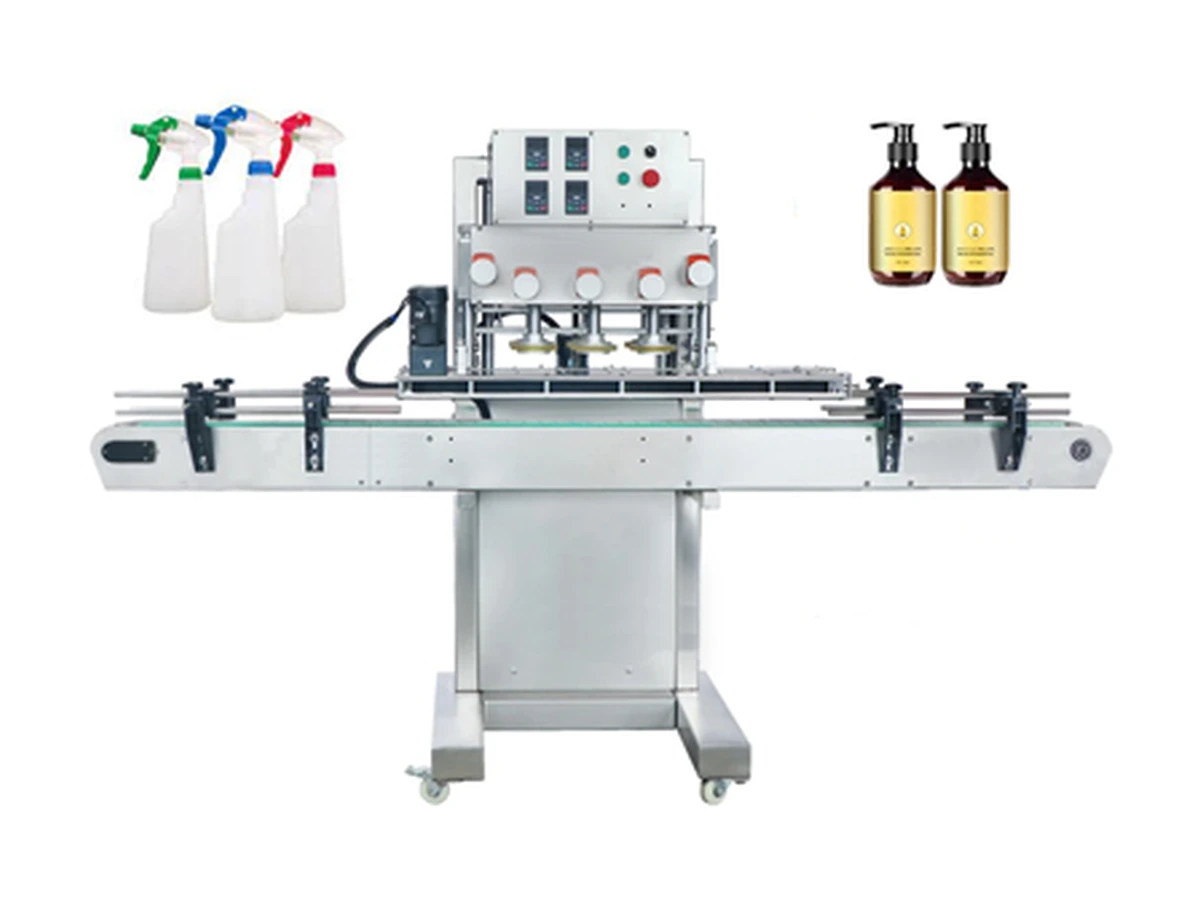
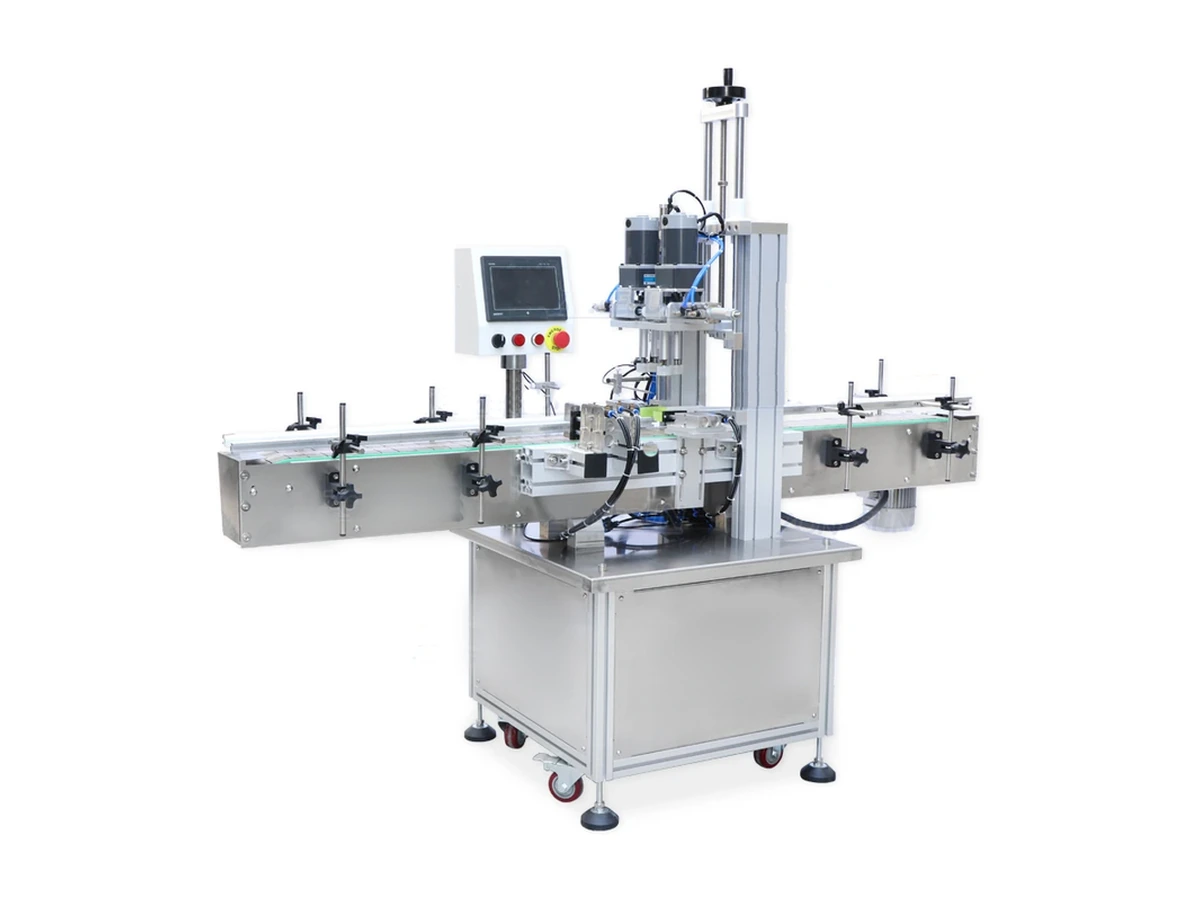
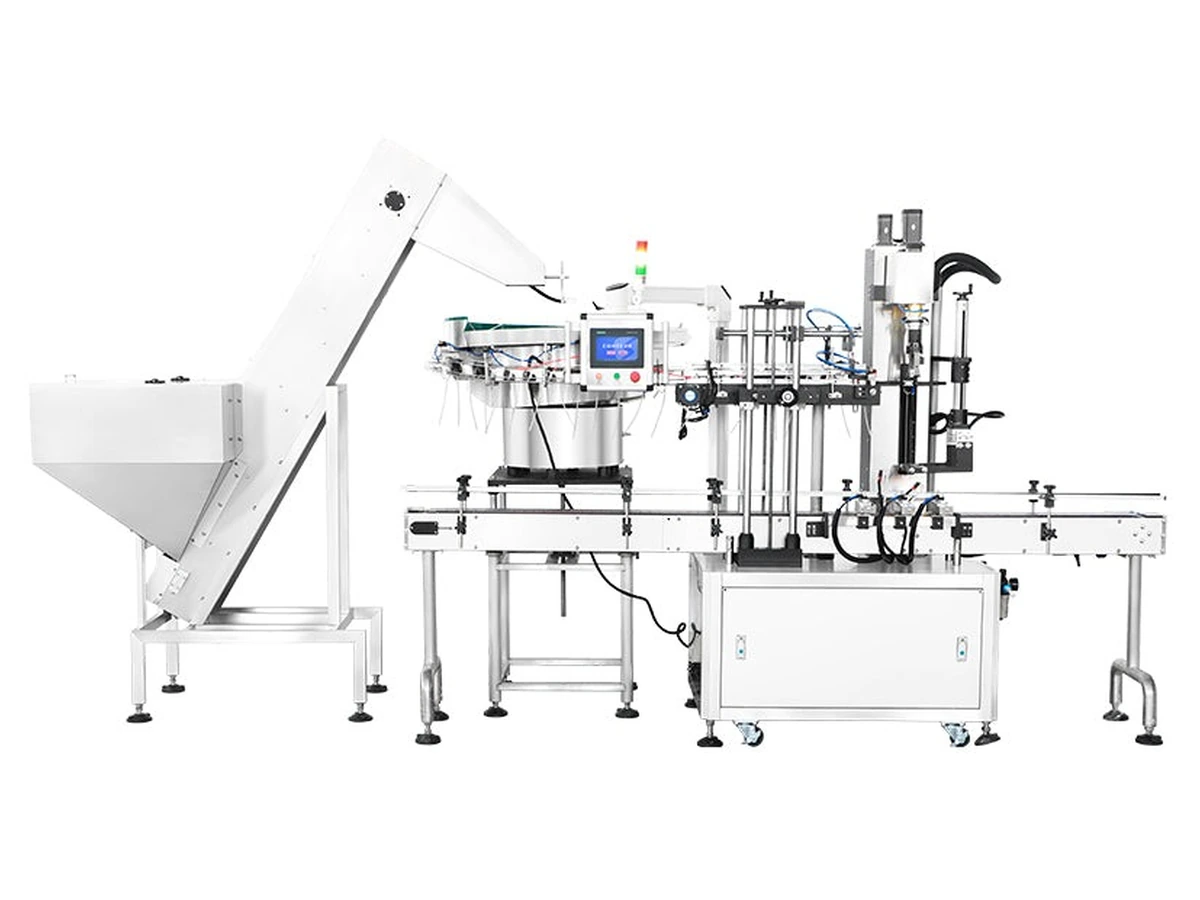
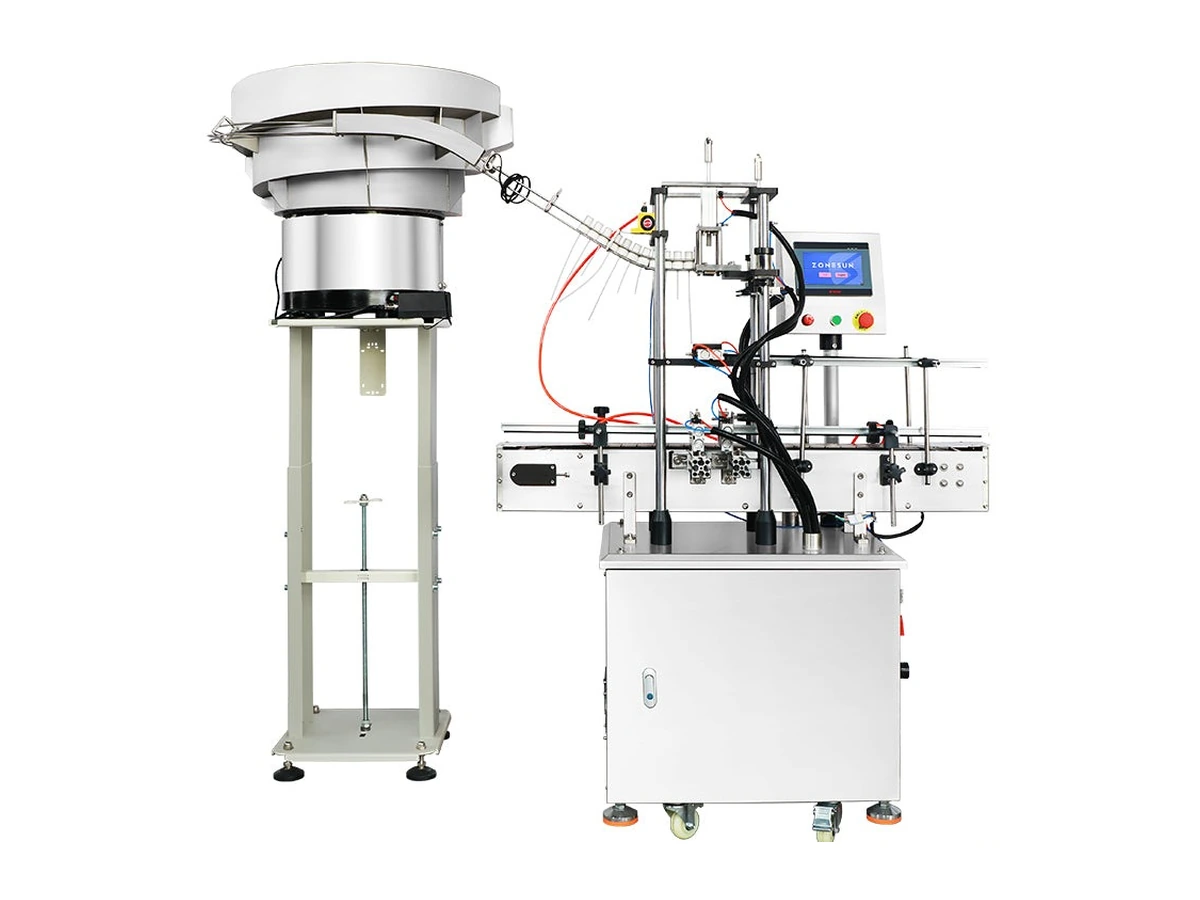
Typical problems include caps arriving in the wrong orientation, dip tubes missing the neck, inconsistent torque, bottle wobble, cap cross-threading, damaged triggers, slow operator placement and stoppages at the feeder. Each symptom can have several causes, so diagnosis should start with the pack and process, not just the capping head.
Where to look first

Check bottle stability, guide rail adjustment, cap dimensions, tube length variation, feeder cleanliness, conveyor speed, capper height, torque setting and whether the cap is seated before tightening. If several cap styles are being run, confirm that the changeover settings match the active format.

When to re-specify the machine

If the line has outgrown manual placement, if cap feeding cannot be made reliable, or if new SKUs fall outside the original machine range, it may be time to review the capper configuration. Lancing can assess whether adjustments, change parts, a feeder upgrade or a different capping route is more appropriate.

Machine options

Trigger capping machines to compare

Use these product pages to compare available machine families and then send Lancing your sample details for configuration advice.

Related search routes

Pages that support this buying decision

These internal routes strengthen the trigger-capping topic cluster and help users move from research into a machine enquiry.

FAQs

Questions buyers ask

Why are trigger caps cross-threading?

Common causes include poor initial seating, bottle movement, incorrect capper height, unsuitable torque settings or inconsistent cap presentation.

Why does the dip tube miss the bottle?

The cap may be poorly oriented, the tube may be too flexible, the bottle may be mispositioned, or the guide system may not suit the pack.

Can troubleshooting avoid buying a new machine?

Sometimes. Adjustments, tooling or feeder changes may solve the issue. In other cases, the original machine may not suit the new production requirement.

Need a trigger capping recommendation?

Send the bottle, cap, tube length, output target and current line details. Lancing can help shortlist the right route.

Call now01494 623015