Conveyor integration
The capper must receive bottles at a pace that matches filling and labelling.

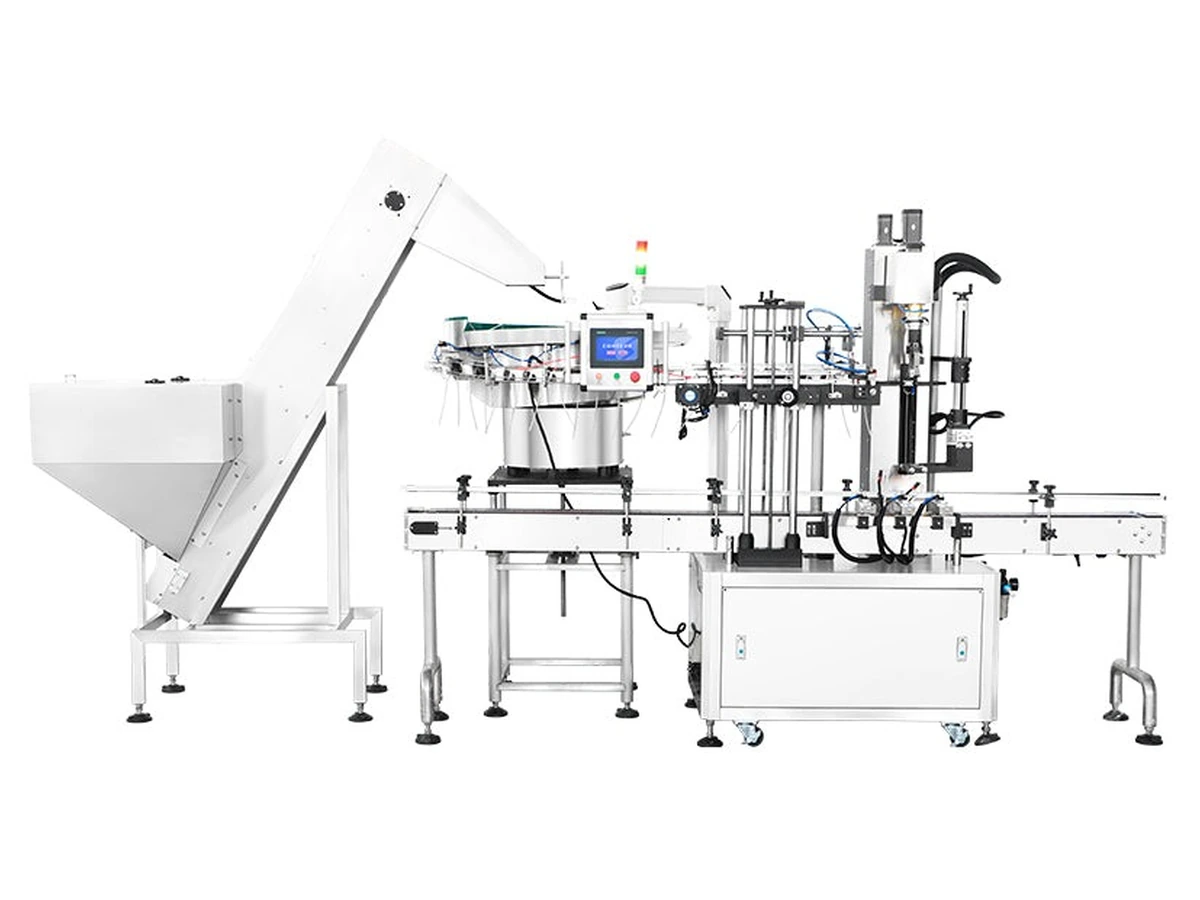
Inline trigger capping machine
An inline trigger capping machine is normally selected when bottles move through filling, capping, labelling and packing as part of a connected line. Conveyor control and bottle spacing are as important as the capping head itself.
Buyer guidance
This page is aimed at buyers comparing inline capping machinery for conveyor-fed production. The right machine route depends on the cap, bottle, dip tube, output target and the wider line rather than the machine name alone.
Specification priorities
These points help narrow the shortlist before samples are reviewed or a formal quotation is prepared.
The capper must receive bottles at a pace that matches filling and labelling.
Indexing, timing screws, side belts or stops may be required for consistent positioning.
Inline routes can be planned so filling, coding, labelling or case packing can be added later.
Related machinery
Use these machine routes to compare the practical equipment options before sending samples for review.
Automatic capping route for cleaning, home-care and chemical bottles with trigger sprayers.
View machine →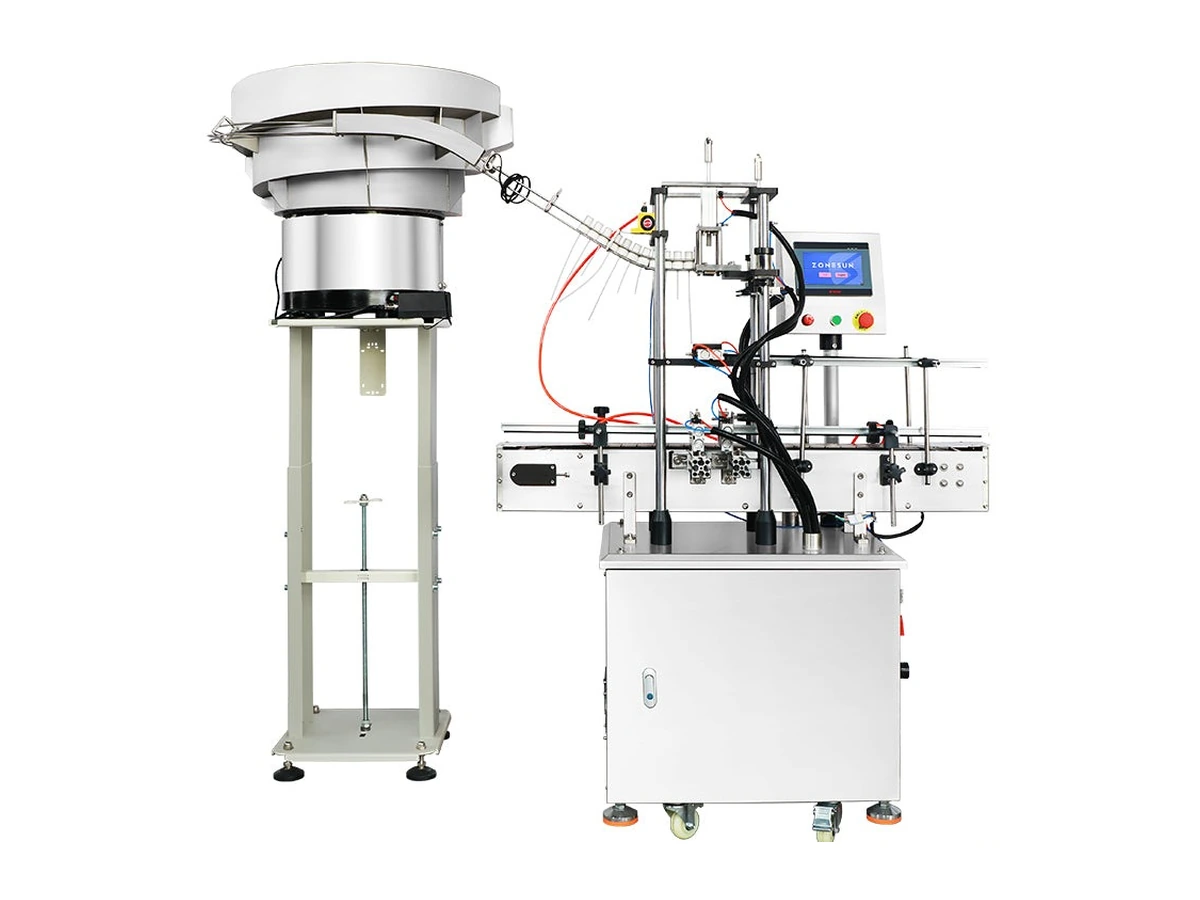
Feeding and orientation route for trigger sprayers with soft dip tubes.
View machine →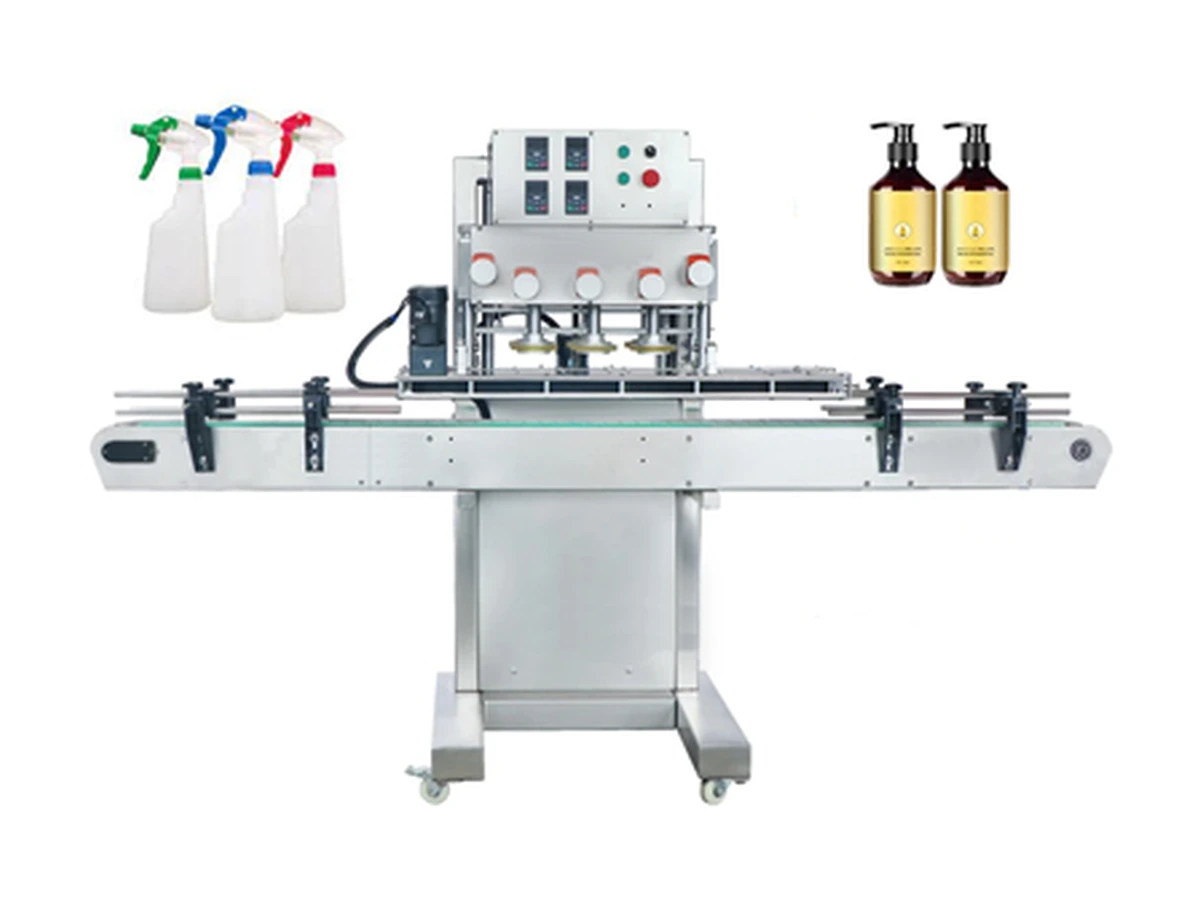
High-output inline belt and spindle capping route for compatible screw and spray closures.
View machine →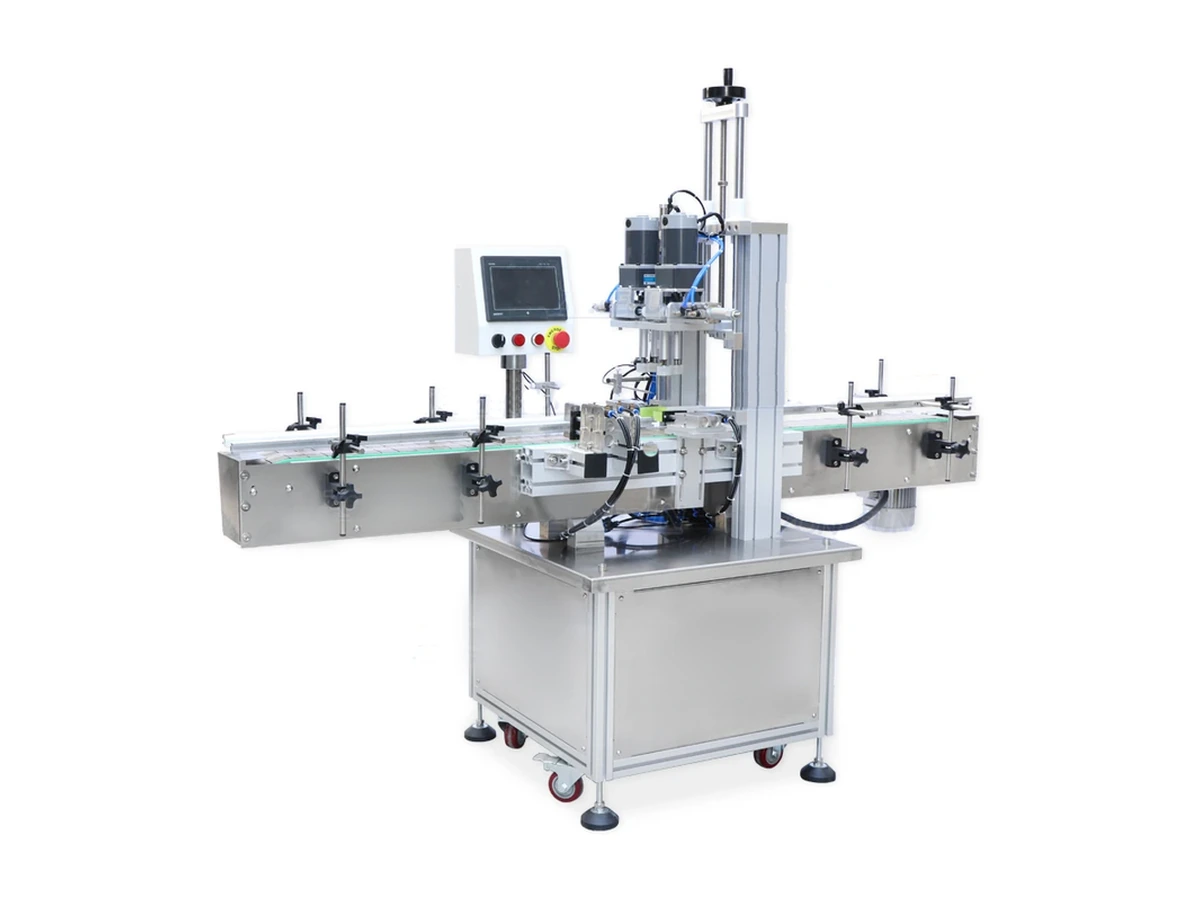
Automatic screw capping route for repeatable cap placement, torque and line integration.
View machine →Quick answers
It is a conveyorised capping system that caps bottles as part of a straight-line production flow.
Inline systems are often flexible and practical for varied formats. The best route depends on speed, footprint and changeover requirements.
Yes. Lancing can help review layout, conveyor interfaces, utilities and installation planning.
Send bottle samples, trigger caps, dip-tube length, product details and target output. Lancing can help compare semi-automatic, compact and automatic routes.
More routes