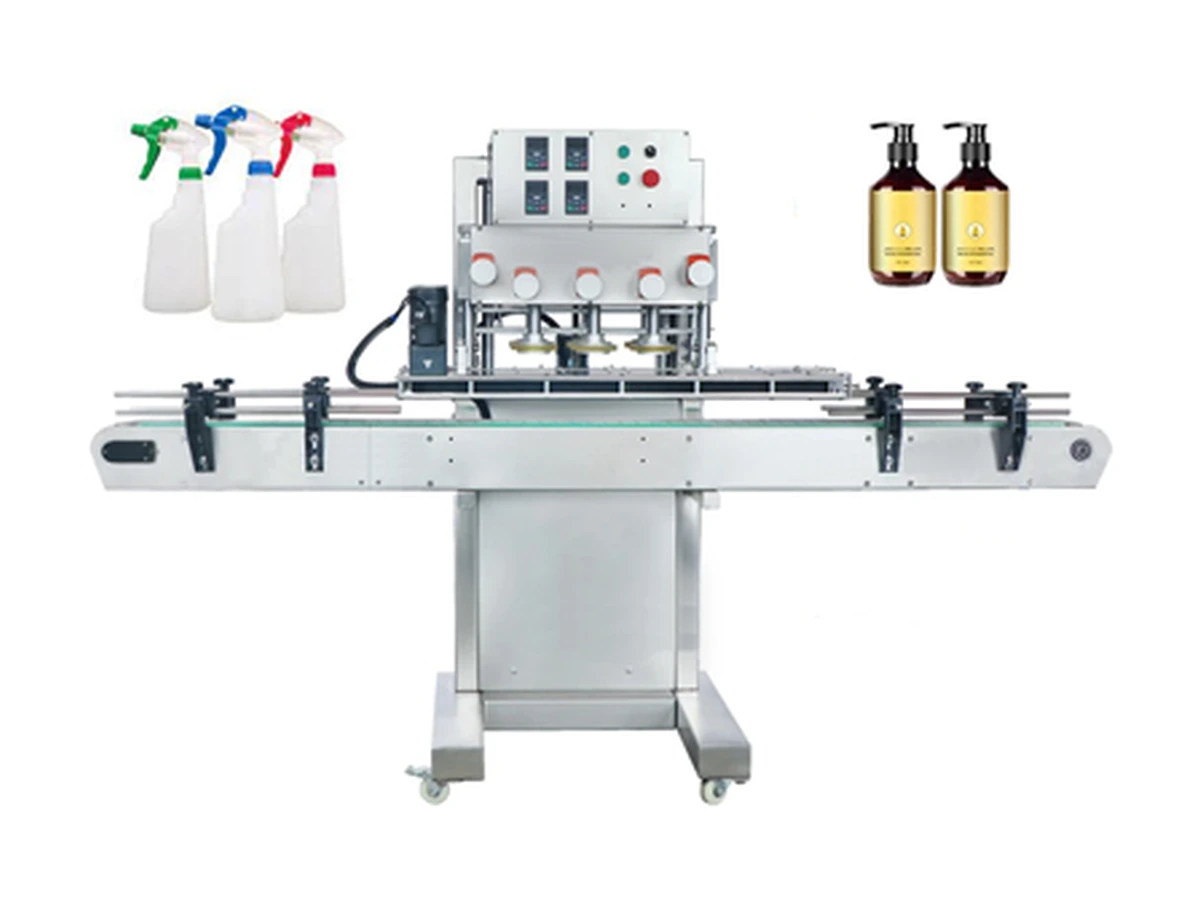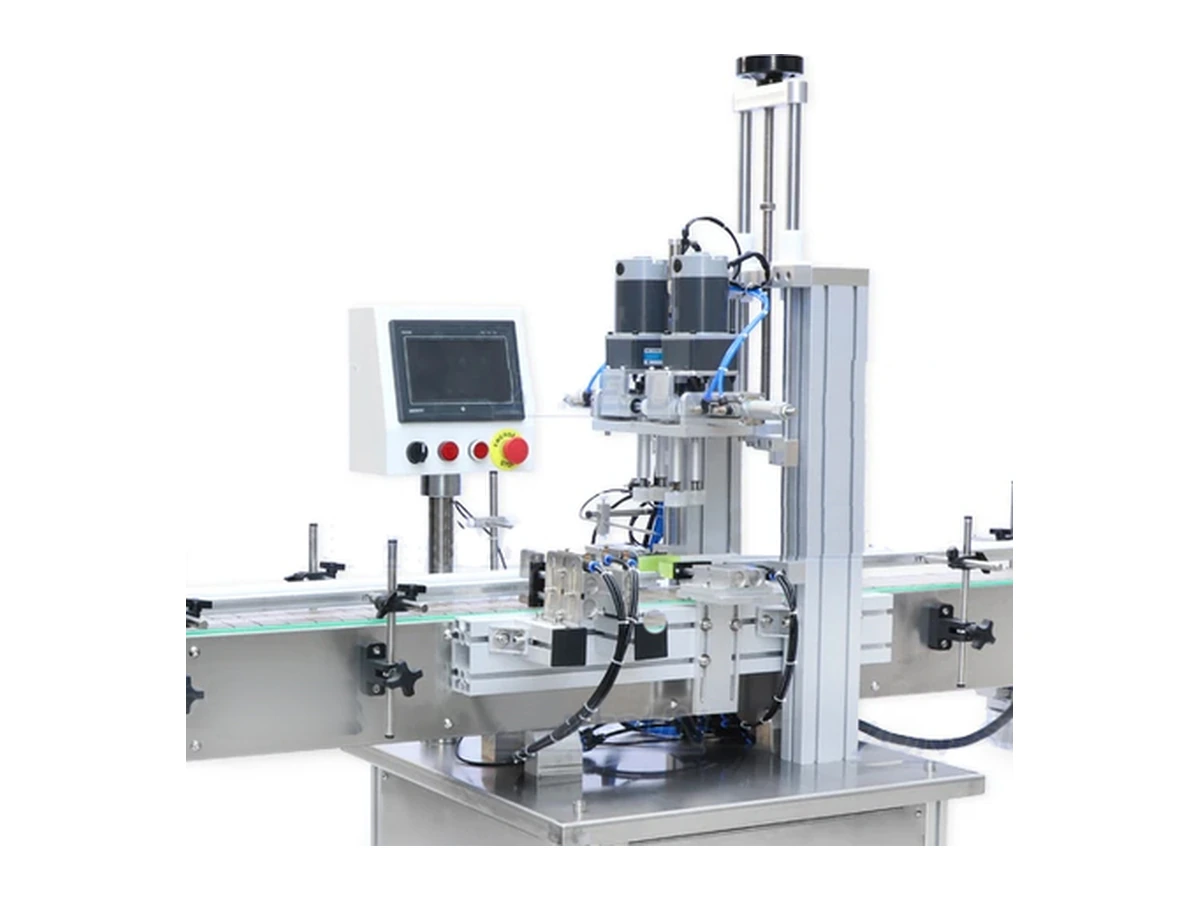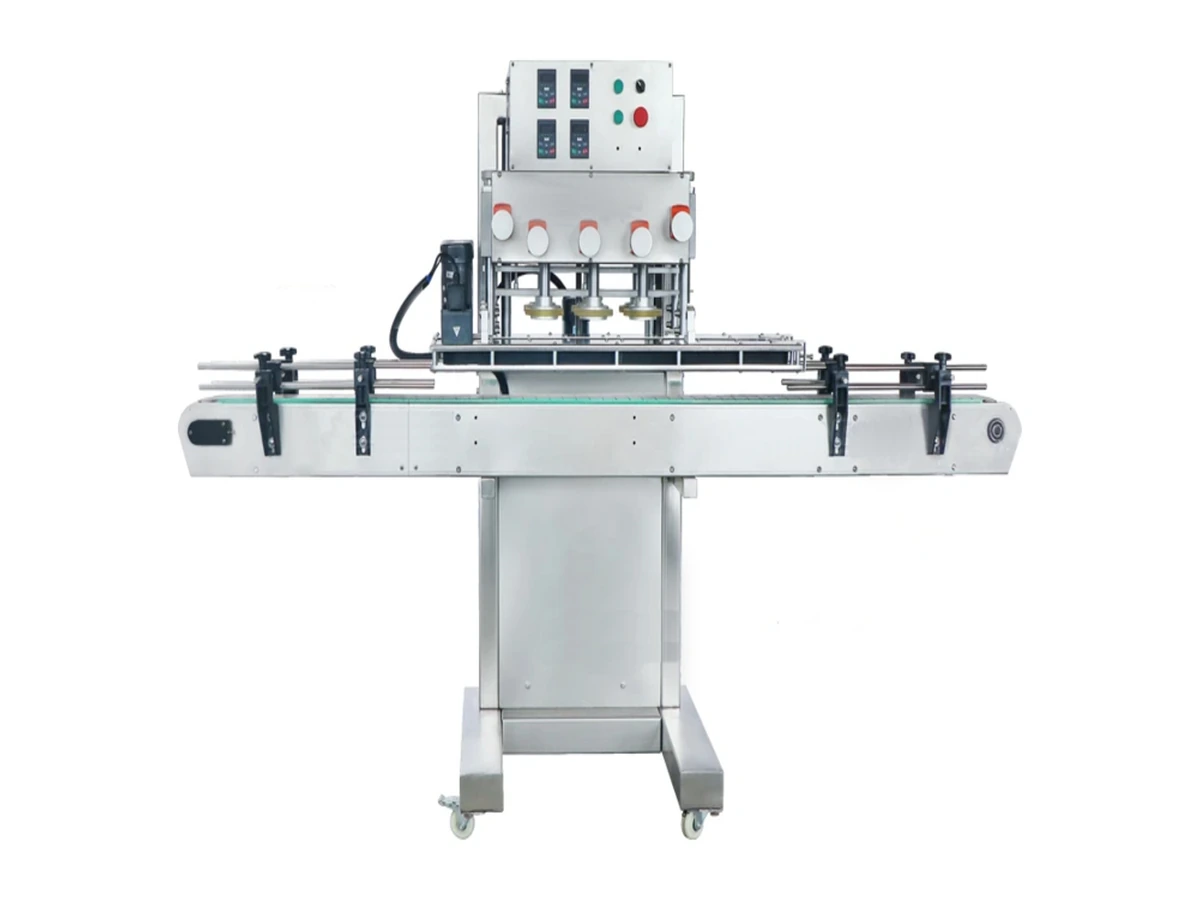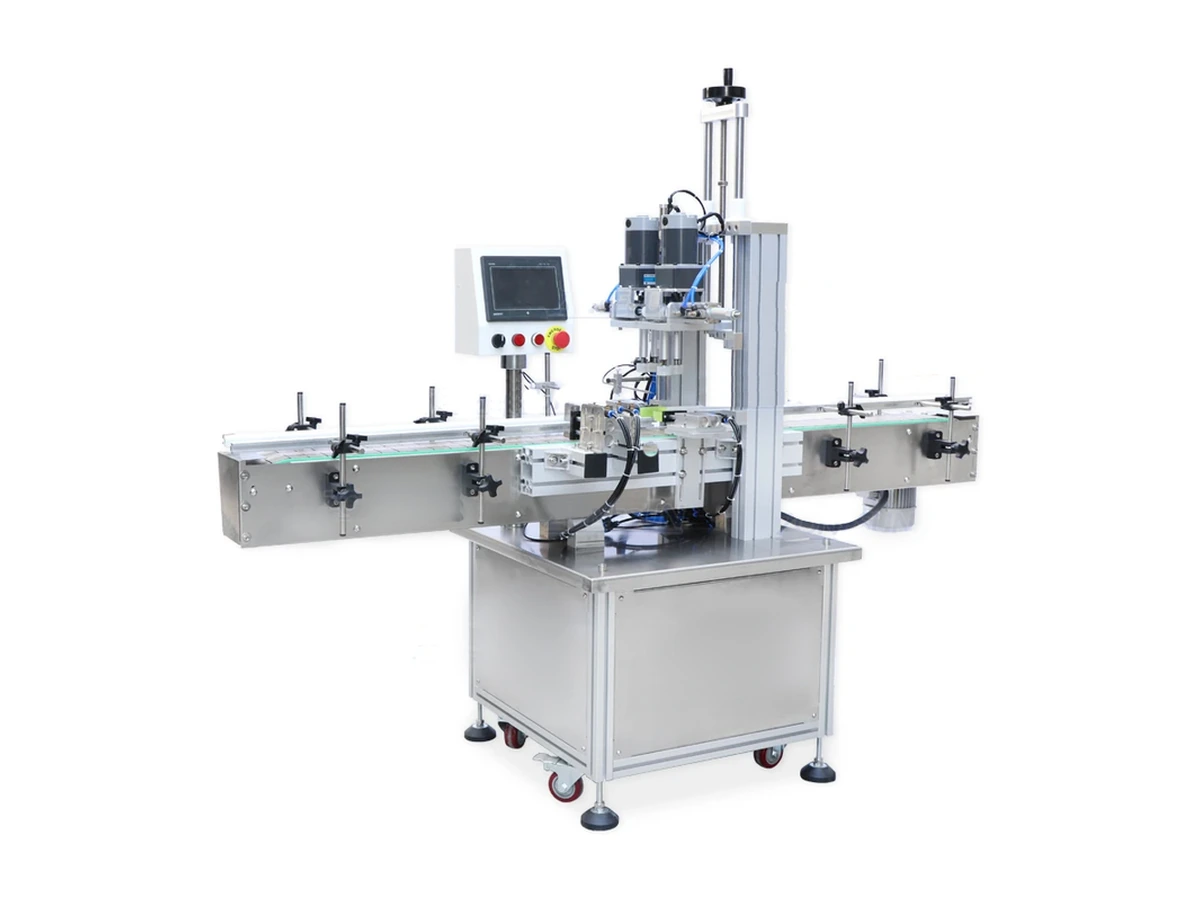
Pump and trigger capping

Pump and trigger capping machines for dispenser bottle closures

Compare capping machinery routes for pump bottles, trigger sprayers, dispenser caps and screw closures that need controlled placement and torque.

Buyer guidance

What this page helps you decide

Compare capping machinery routes for pump bottles, trigger sprayers, dispenser caps and screw closures that need controlled placement and torque.

  • Pump caps, trigger sprayers and dispenser closures
  • Semi-automatic, compact and inline machinery options
  • Cap placement, tube entry and torque control
  • Cleaning, cosmetics and chemical bottle projects
  • Support for complete packaging-line planning
Pump and trigger capping machines for dispenser bottle closures

Specification notes

Practical points before shortlisting machinery

These notes are written for buyers comparing a real trigger capping project, not for generic catalogue browsing.

Closures that need more than simple tightening

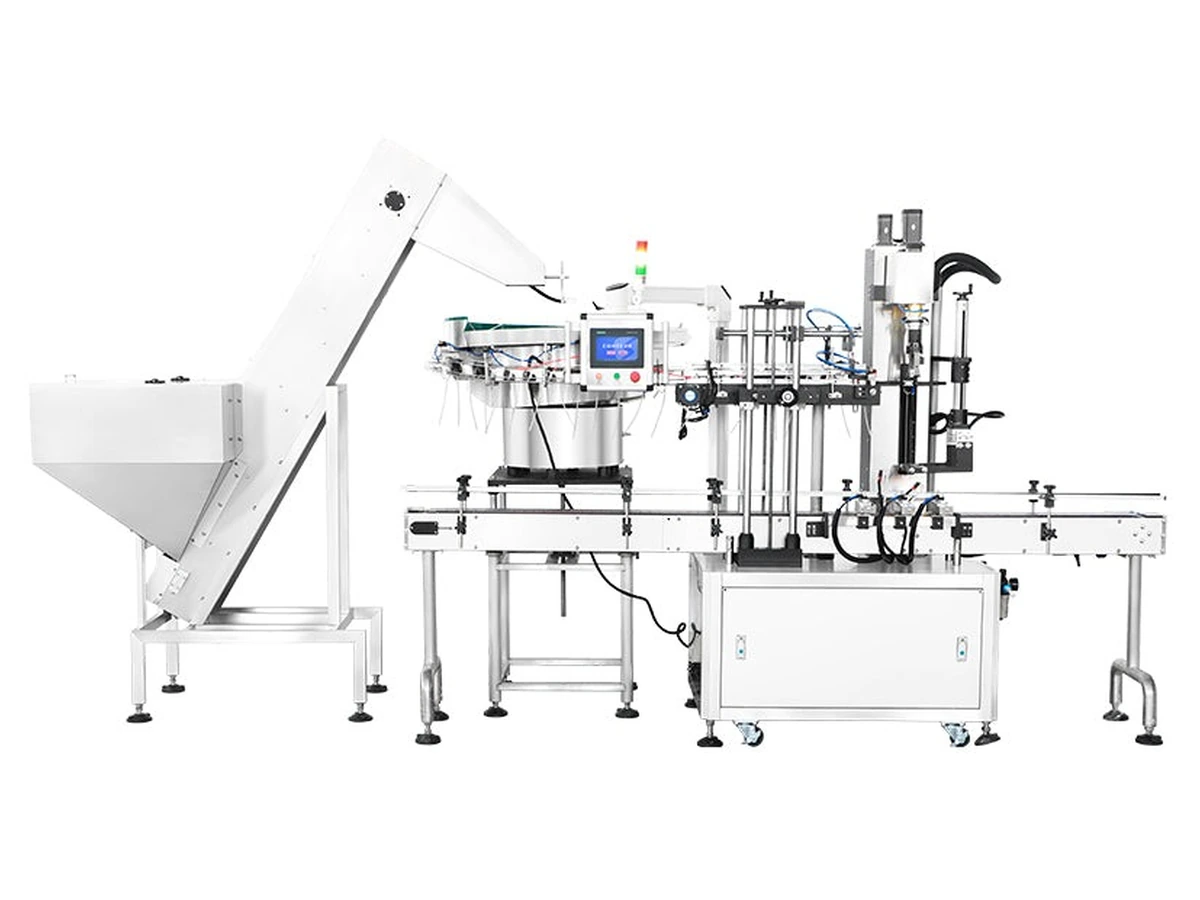
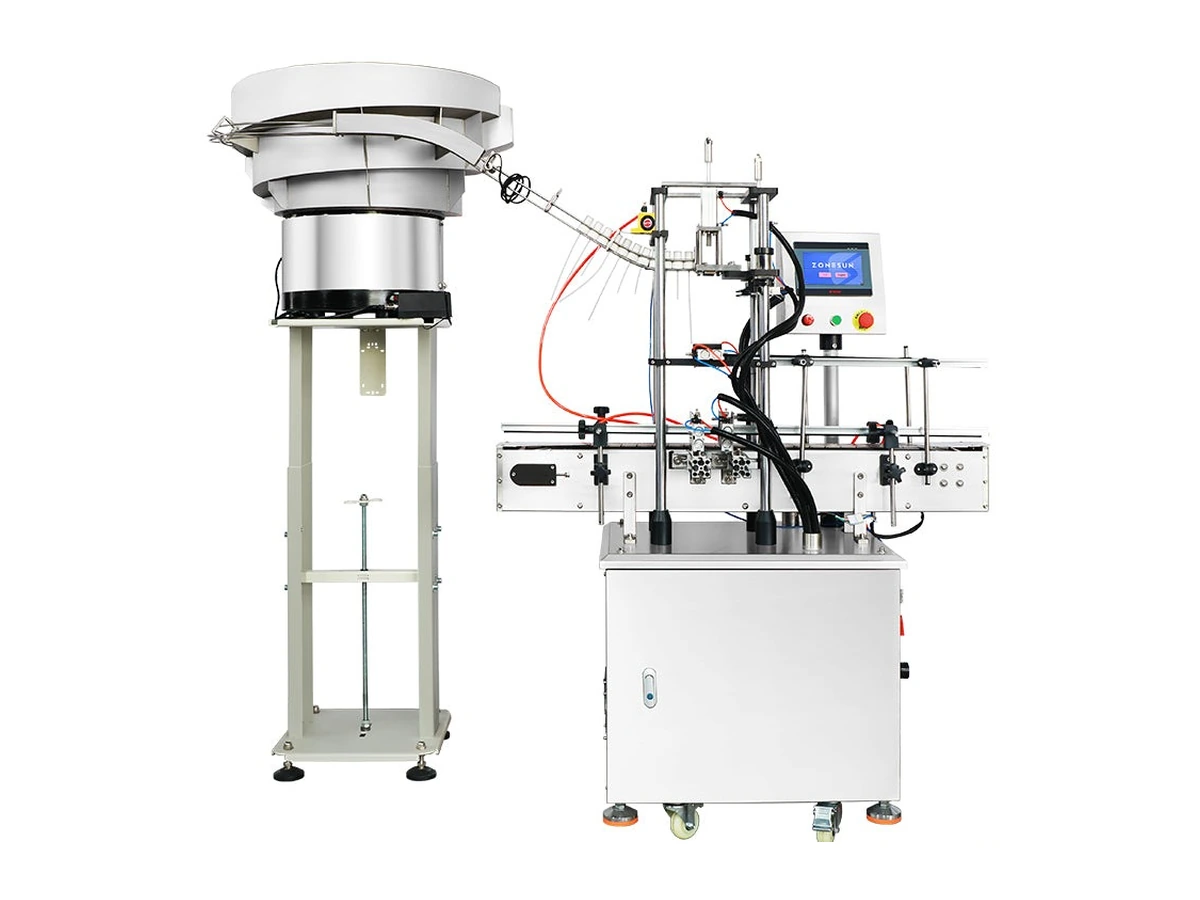
Pumps and triggers often have tubes, asymmetric heads or presentation requirements that standard round caps do not have. The machine route must manage cap placement, tube entry, bottle stability and final torque. Some applications can run through an adapted screw capper, while others need feeding and orientation equipment.
Typical applications

Pump and trigger capping is common in hand wash, cosmetics, sanitisers, cleaning products, chemicals, garden products and household liquids. Product viscosity and filling process also matter because wet or unstable bottles can affect downstream capping. If filling and capping are being planned together, the overall line layout should be considered as a system.

Choosing the right automation level

Manual placement with a semi-automatic capping head may be enough for small batches. Compact or inline machinery suits growing lines with limited space. Automatic cap feeding and full integration are more suitable where throughput, labour reduction or consistency are the main drivers.

Mixed closure production

Compare trigger and pump handling before sharing one machine

Trigger sprayers and pumps both use dip tubes, but their body shape, actuator height and orientation requirements can be different. A flexible line needs a clear changeover and validation plan for each closure family.

Trigger closure geometry

The trigger body is asymmetric and may require a defined nozzle angle. Long tubes can tangle in bulk and need controlled entry into the neck.

Pump closure geometry

Pump heads may be taller, narrower or protected by clips. Actuator orientation, stroke protection and cap height can be important quality checks.

Shared tightening station

A common chuck, spindle or belt station may handle several closures when the torque range, cap diameter and bottle support are compatible.

Dedicated feed/change parts

Even when the tightening machine is shared, feeders, tracks, guides and pick heads may be closure-specific and should be included in the quote.

Closure matrixSupplier reference, cap dimensions, tube details, actuator/nozzle orientation and required final position.
Bottle matrixNeck finish, height, width, shape, filled weight and stability for every compatible closure.
Common toolingIdentify which chucks, belts, guides and sensors are genuinely shared and which are format-specific.
Torque/cap heightDefine separate quality windows for each closure and the method used to verify first-off bottles.
Changeover methodParts, recipe settings, adjustment references, tools, cleaning and target time.
Feeding strategySeparate feeders, interchangeable tooling, manual presentation or a validated universal feed route.
Production sequenceNormal SKU order and batch sizes, so the machinery layout supports the real changeover pattern.

Machine options

Trigger capping machines to compare

Use these product pages to compare available machine families and then send Lancing your sample details for configuration advice.

Related search routes

Pages that support this buying decision

These internal routes strengthen the trigger-capping topic cluster and help users move from research into a machine enquiry.

FAQs

Questions buyers ask

Can pump caps and trigger caps use the same machine?

Sometimes, but tooling, cap feeding and torque settings may differ. The exact cap geometry decides suitability.

What is the difference between pump capping and trigger capping?

Both may involve tubes and non-round heads, but trigger sprayers usually create more orientation and handling complexity.

Can the machine be integrated with a filler?

Yes. The capping stage can be planned as part of a complete fill-cap-label line where required.

Need a trigger capping recommendation?

Send the bottle, cap, tube length, output target and current line details. Lancing can help shortlist the right route.

Call now01494 623015