Spray bottle line planning

Spray bottle packaging lines with filling and trigger capping

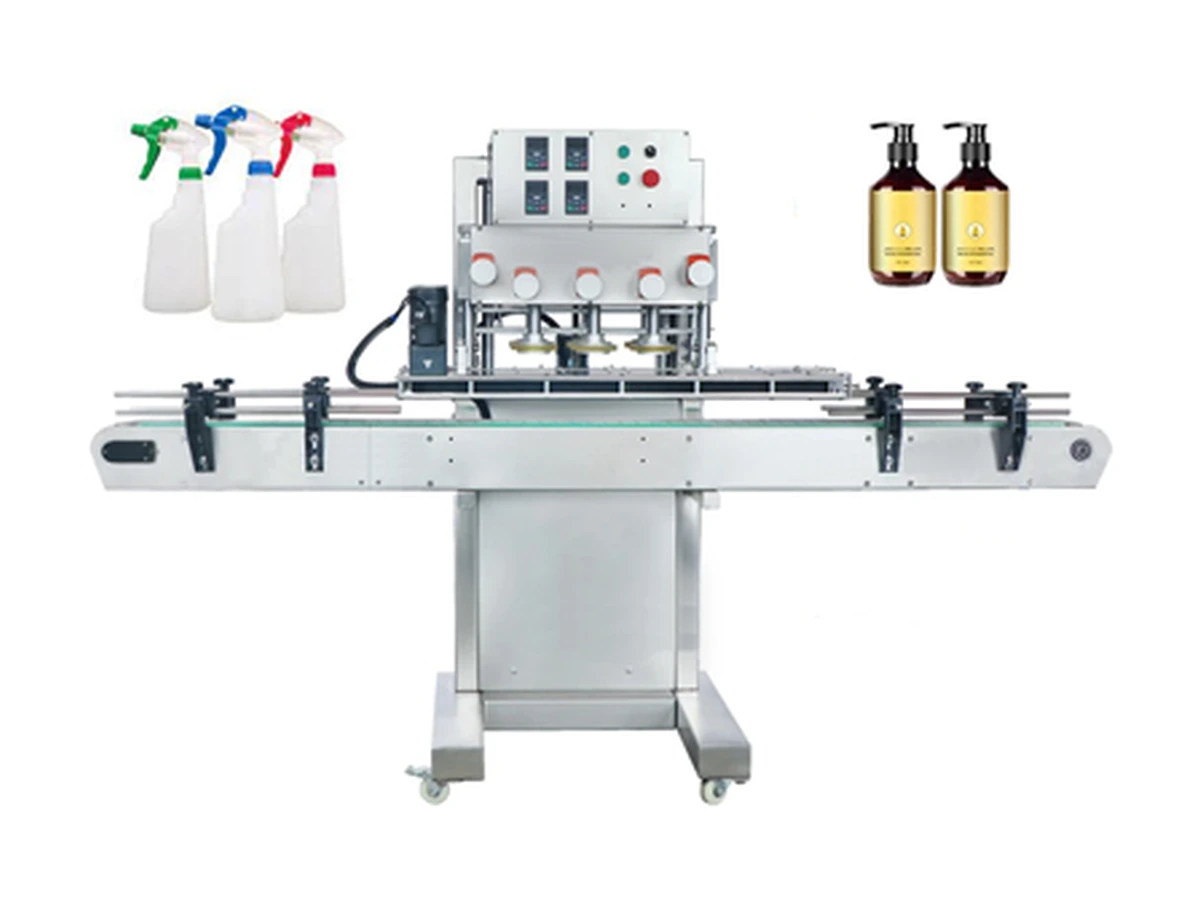
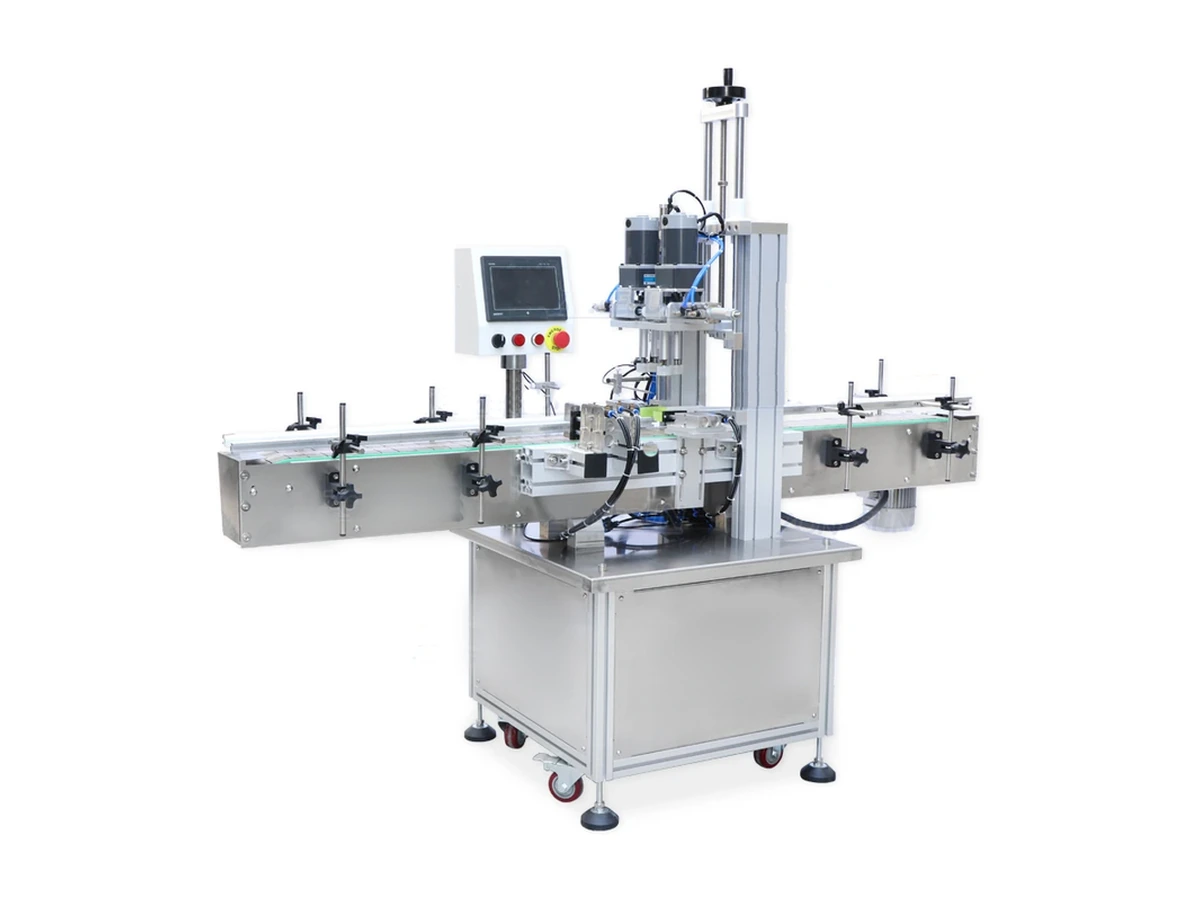
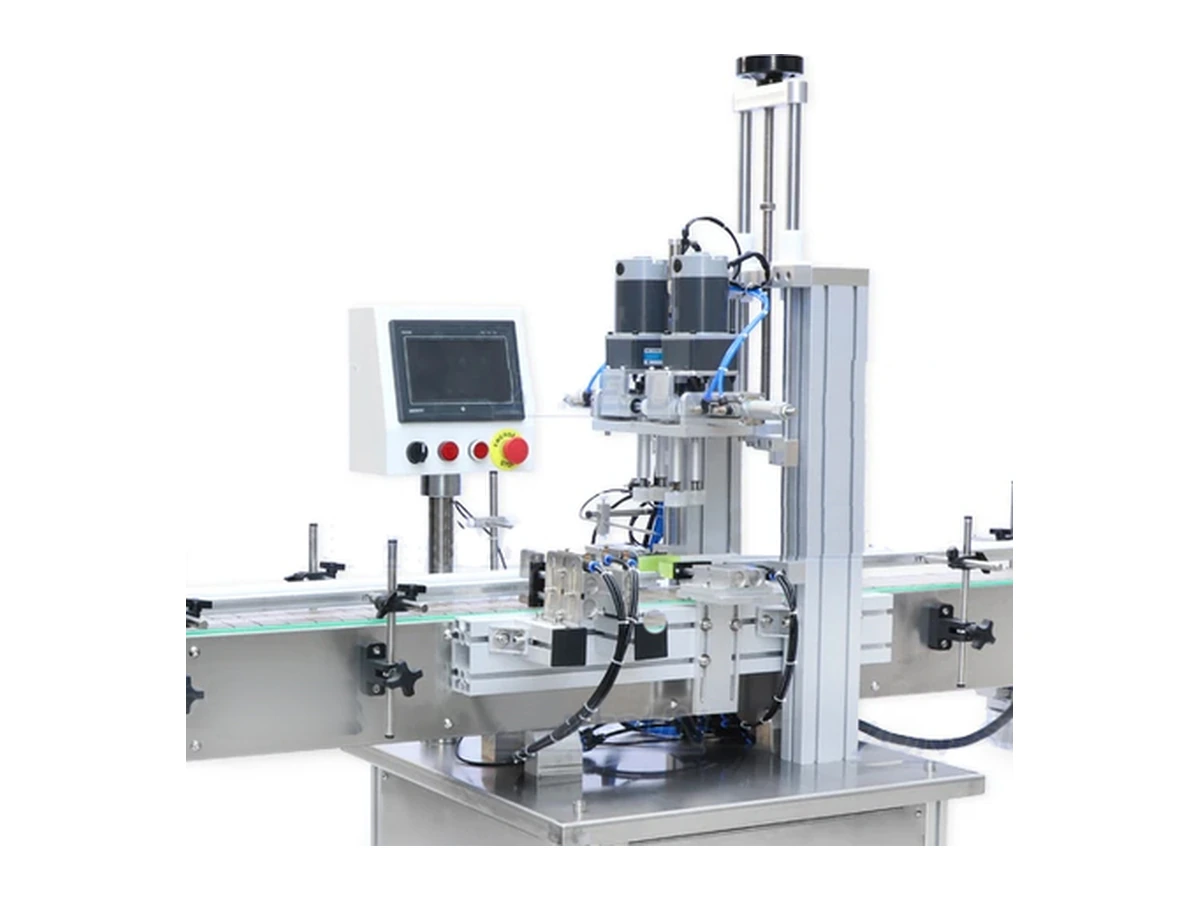
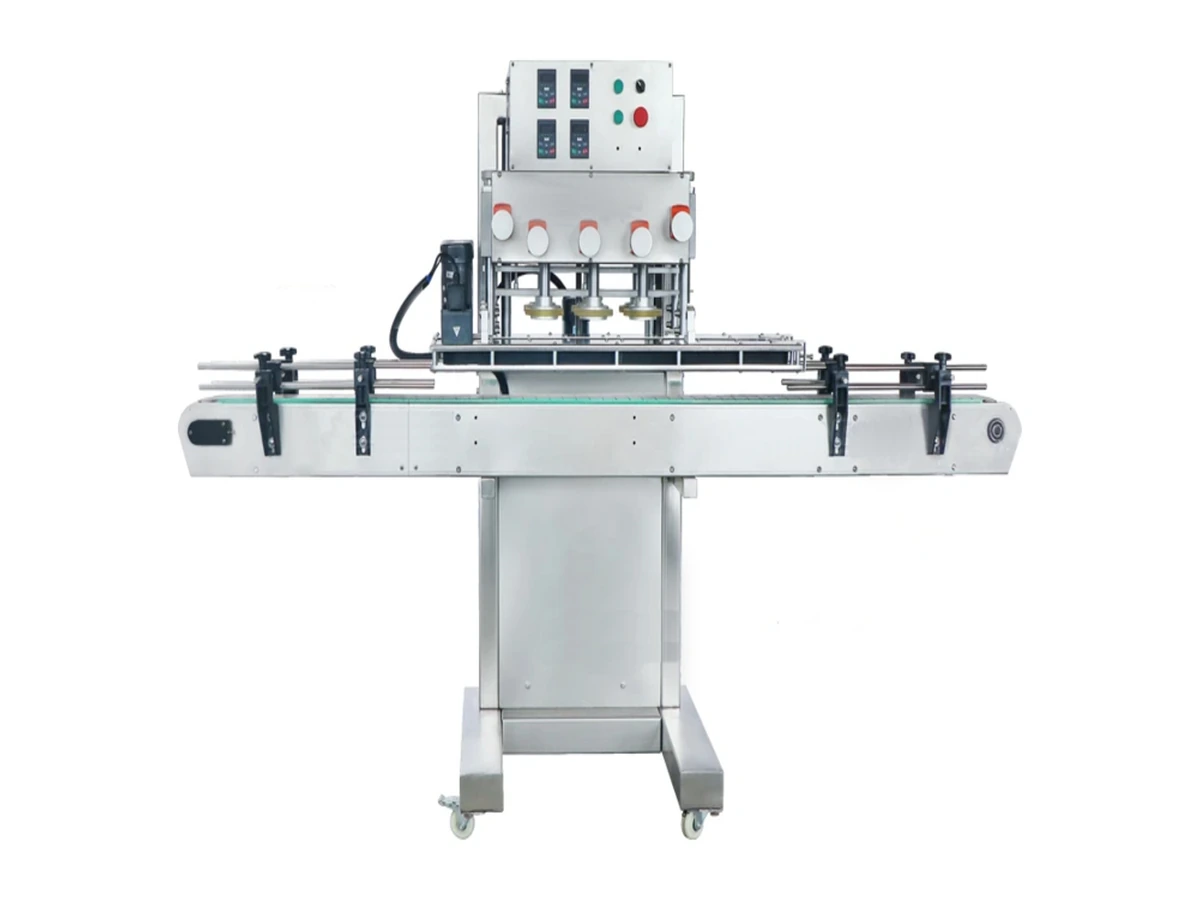
Plan the complete route around filling, trigger capping, labelling, conveying and end-of-line handling for spray bottle products.

Buyer guidance

What this page helps you decide

Plan the complete route around filling, trigger capping, labelling, conveying and end-of-line handling for spray bottle products.

  • Filling, trigger capping and labelling integration
  • Bottle conveyors and accumulation planning
  • Cleaning, chemical and home-care spray products
  • Manual, semi-automatic or automatic cap placement
  • Layout support before installation
Spray bottle packaging lines with filling and trigger capping

Specification notes

Practical points before shortlisting machinery

These notes are written for buyers comparing a real trigger capping project, not for generic catalogue browsing.

Why the whole line matters

A trigger capper rarely works in isolation. Bottle spacing from the filler, product drips, conveyor stability, labeller timing and operator loading can all affect the capping result. A complete line view helps avoid solving one problem while creating a bottleneck elsewhere.
Key decisions in a spray bottle line

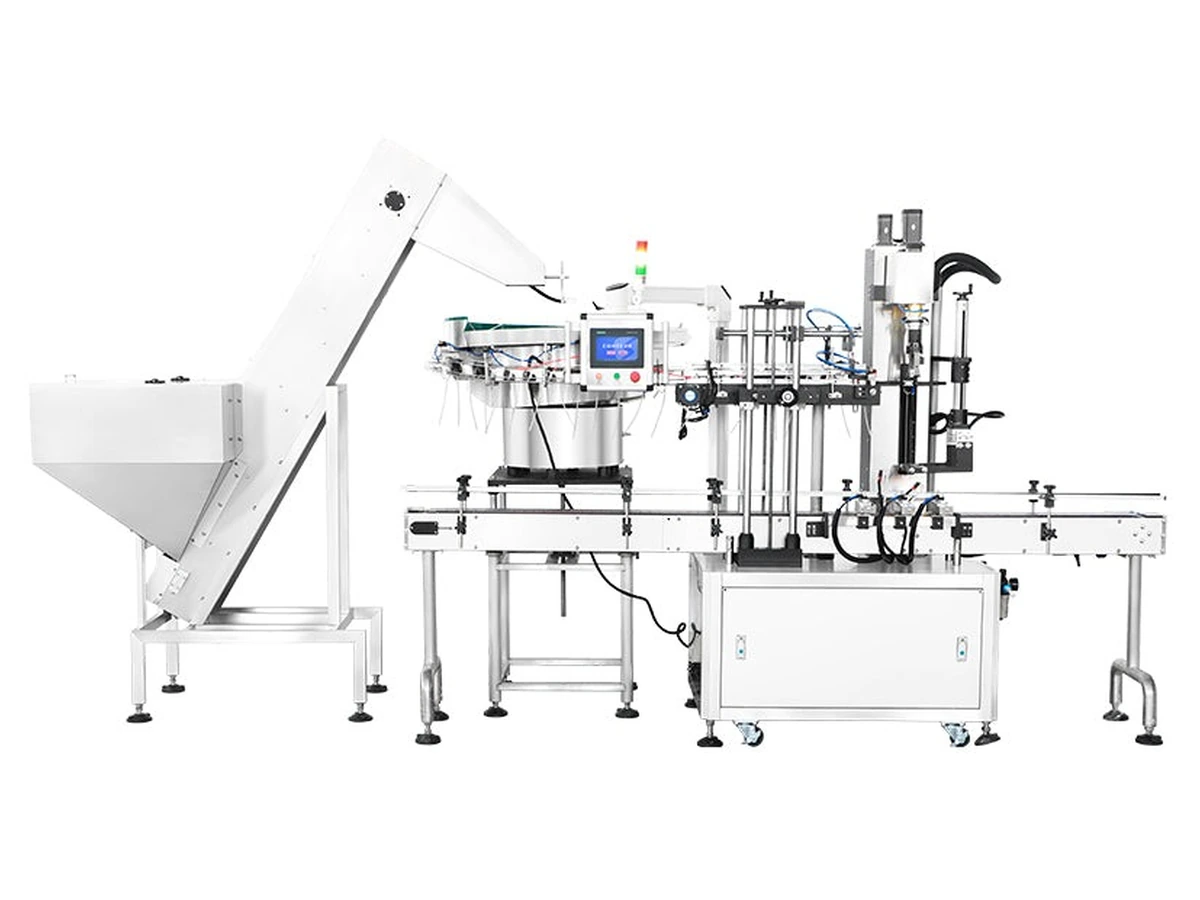
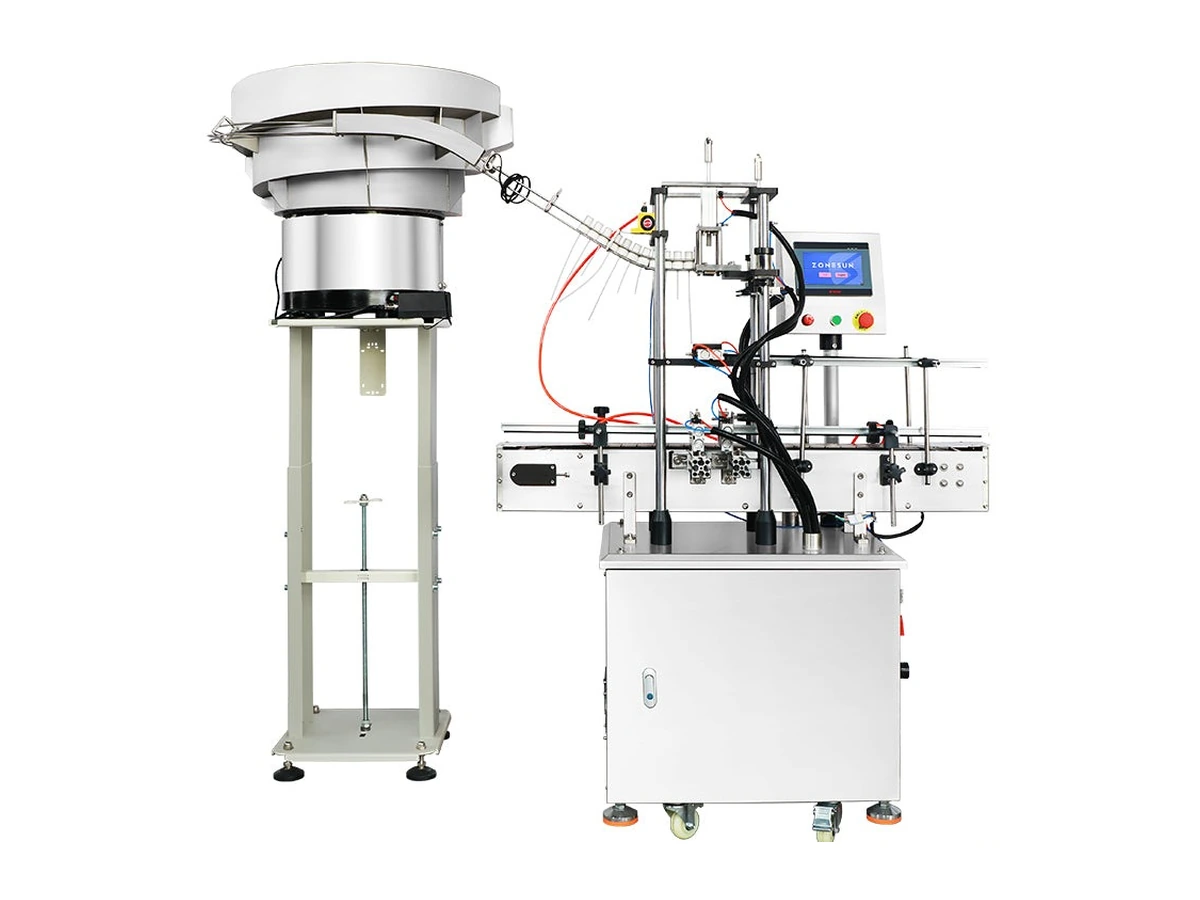
The main decisions include filling principle, number of filling nozzles, cap feeding or manual placement, capping method, label application, coding, conveyors, accumulation and changeover strategy. The right order depends on product type, bottle family, output target and site footprint.

Building a useful enquiry

Send the product, fill volume, bottle drawings, trigger cap samples, expected output, label requirement, available space and whether the line must run multiple SKUs. This allows Lancing to compare a stand-alone capper against a wider line integration route.

Complete line planning

Balance filling, capping, labelling and inspection as one system

A spray bottle packaging line should be specified from the finished pack backwards. The capper cannot deliver stable output if the filler releases inconsistent bottle spacing or the downstream labeller stops without enough accumulation.

Bottle infeed and filling

Define bottle presentation, product characteristics, fill accuracy, foaming and the discharge pattern from the filler.

Cap feeding and capping

Match closure buffer, tube insertion, bottle control and tightening rate to the filler’s sustained output.

Labelling, coding and inspection

Confirm label position, date/batch coding, cap presence, fill level and reject requirements before the line layout is fixed.

Accumulation and recovery

Use controlled buffers and line signals so short stops do not immediately stop every machine or create bottle pressure at the capper.

Required line outputSustained finished packs per minute, shift pattern, product changes and planned growth.
Filler dischargeBottle pitch, stop/start behaviour, reject points and any filled-bottle stability issues.
Capper demandClosure feed margin, buffer quantity, tube insertion rate and recovery after feeder interruption.
Downstream capacityLabeller/coder rate, inspection, packing method and accumulation before end-of-line equipment.
Control philosophyLine start/stop sequence, blocked/starved signals, emergency-stop zones and fault recovery.
Layout and accessOperator walkways, replenishment points, maintenance access, services and future expansion space.
Changeover matrixEvery product, bottle, closure and label combination with required parts and recipe settings.
Acceptance testFinished-pack quality, sustained line rate, normal replenishment, planned stops and changeover demonstration.

Machine options

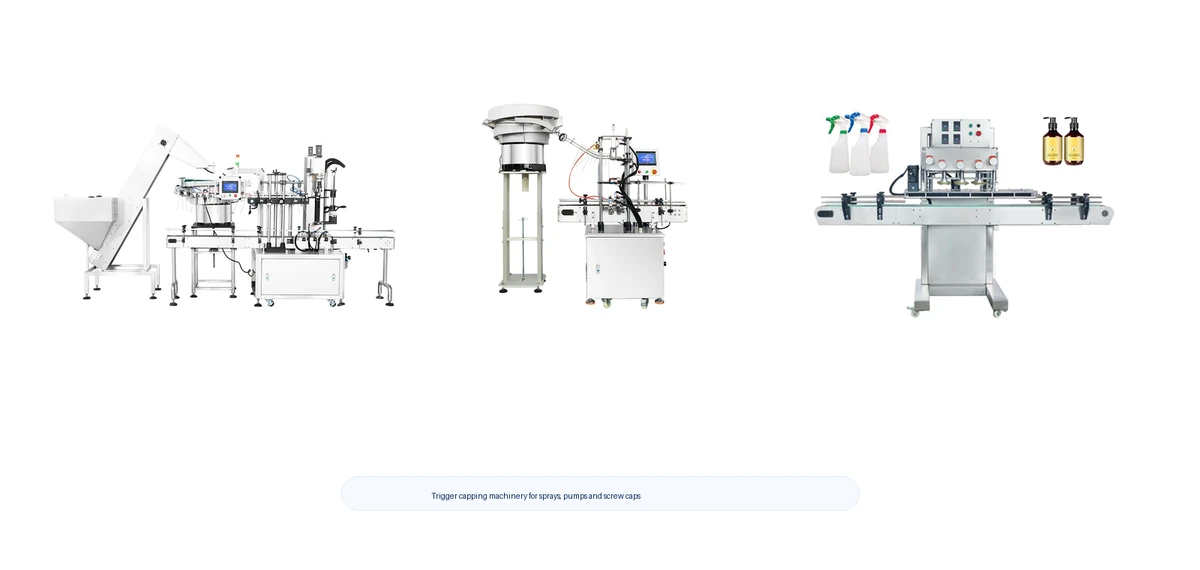
Trigger capping machines to compare

Use these product pages to compare available machine families and then send Lancing your sample details for configuration advice.

Related search routes

Pages that support this buying decision

These internal routes strengthen the trigger-capping topic cluster and help users move from research into a machine enquiry.

FAQs

Questions buyers ask

Can Lancing help with a full spray bottle line?

Yes. Lancing can help with capping machinery and wider line planning around filling, labelling, conveying and support equipment.

Should I choose the filler or capper first?

Usually the pack, product and output target should be defined first, then the machine sequence can be selected as a complete route.

What causes bottlenecks in spray bottle lines?

Common bottlenecks include manual cap placement, poor bottle accumulation, unstable containers, slow changeovers and inconsistent product supply.

Need a trigger capping recommendation?

Send the bottle, cap, tube length, output target and current line details. Lancing can help shortlist the right route.

Call now01494 623015