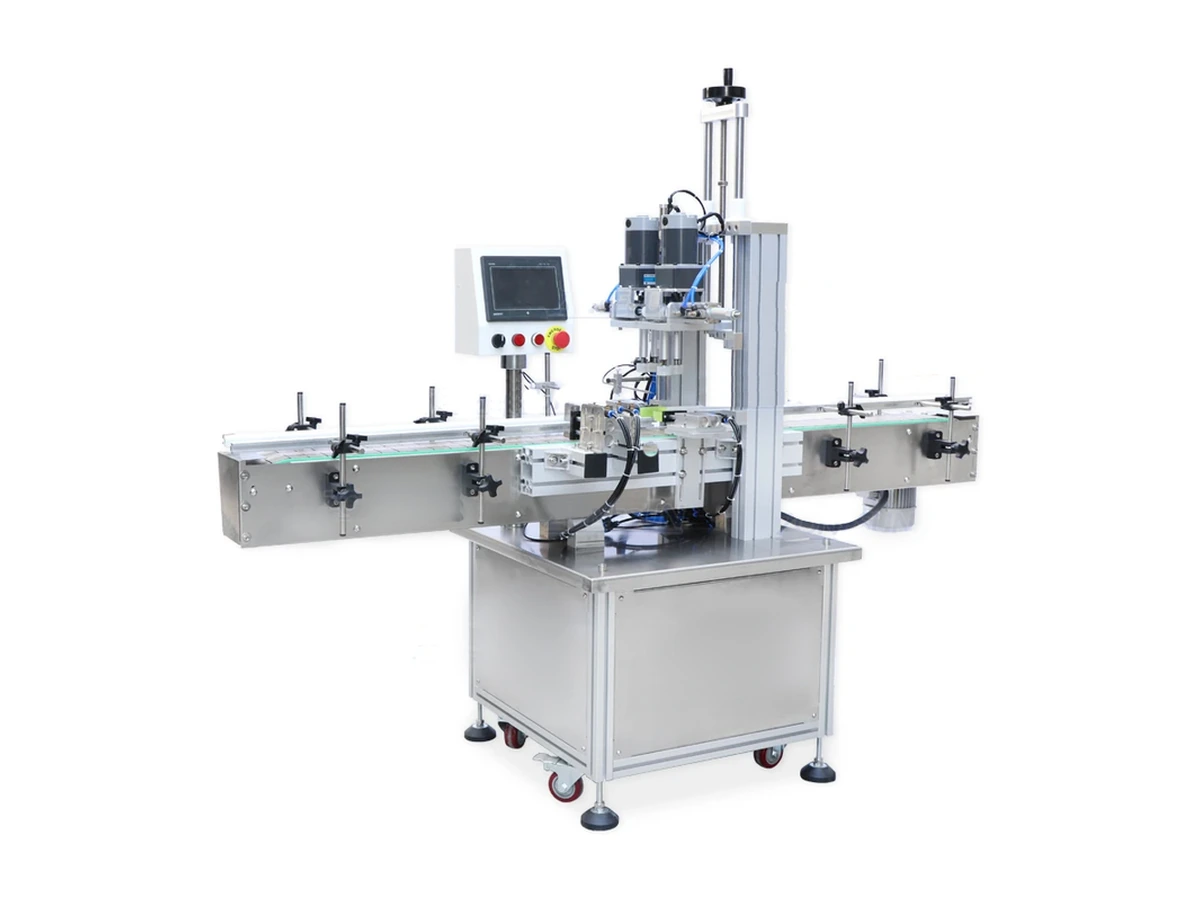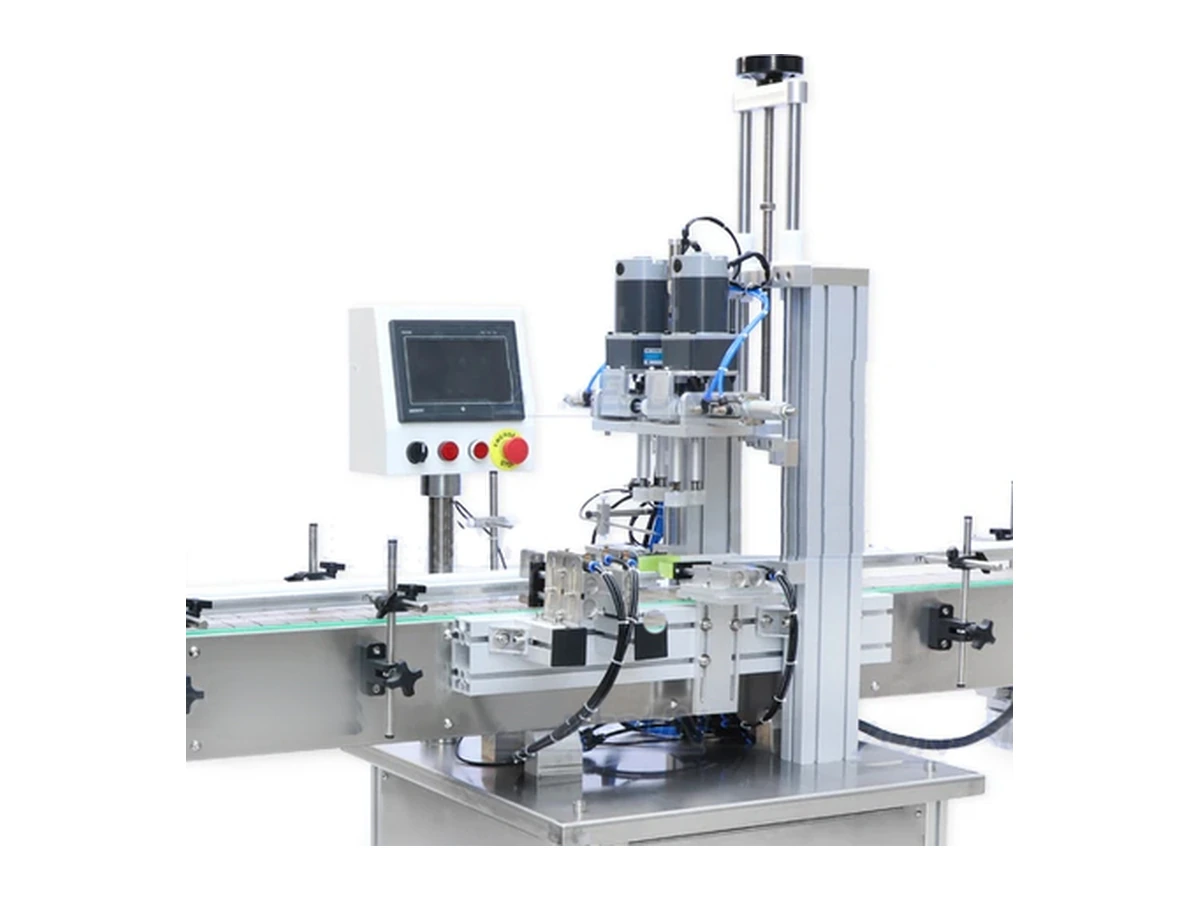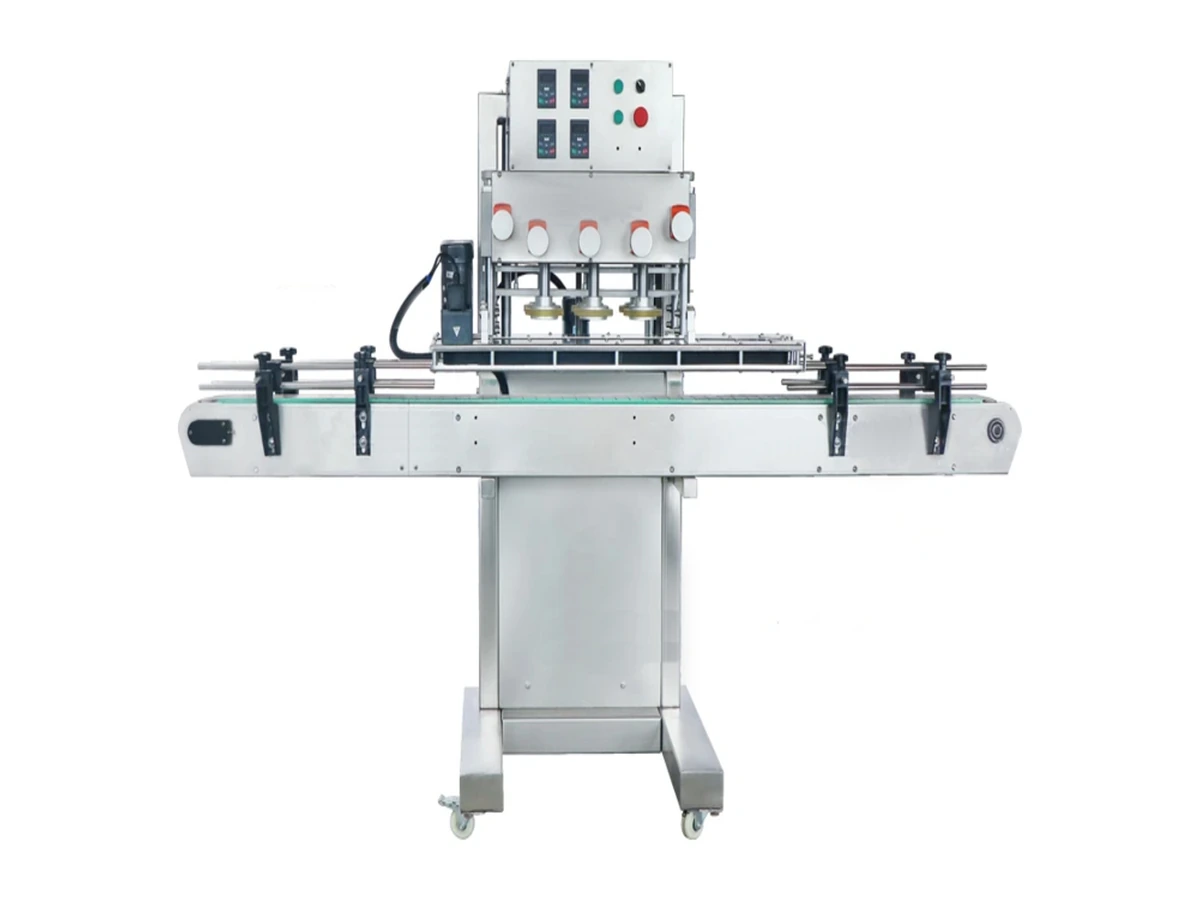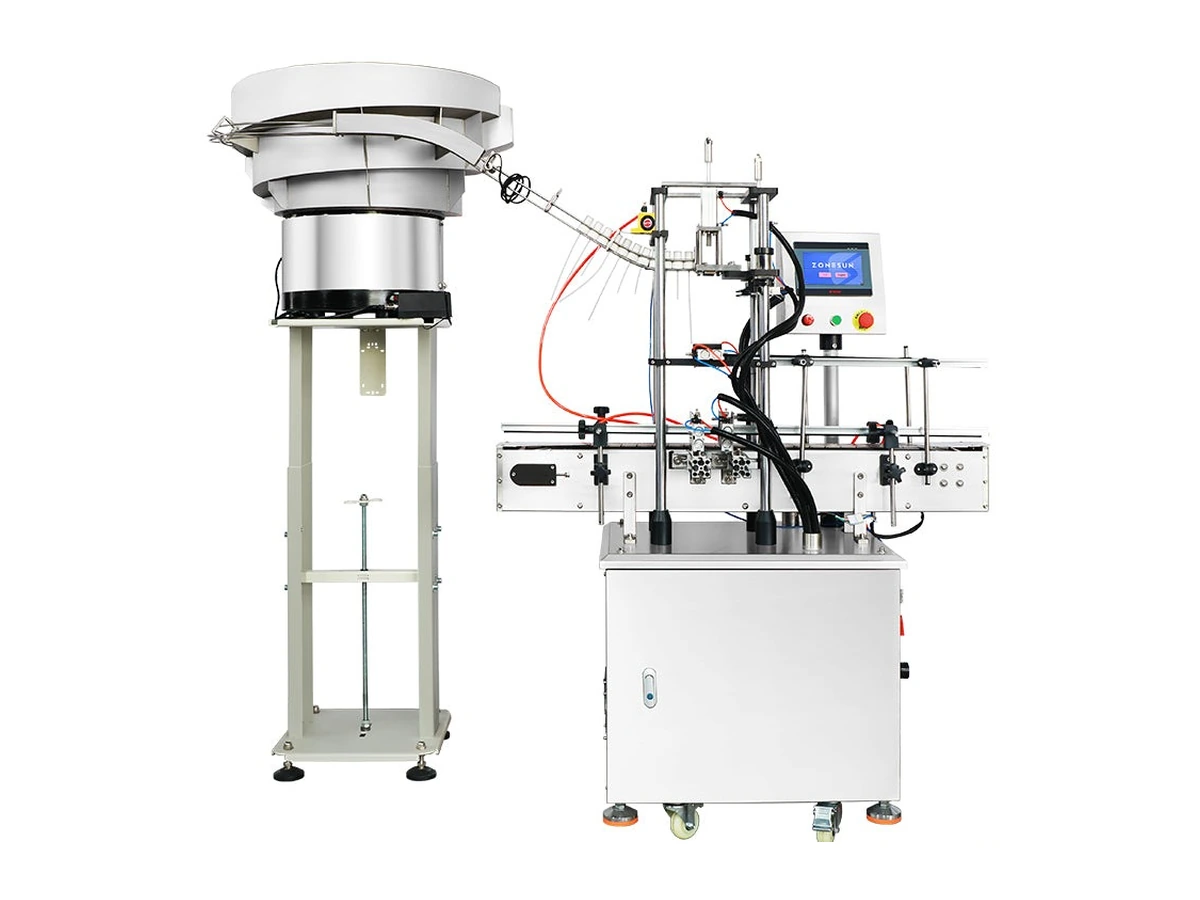
Cap orientation equipment

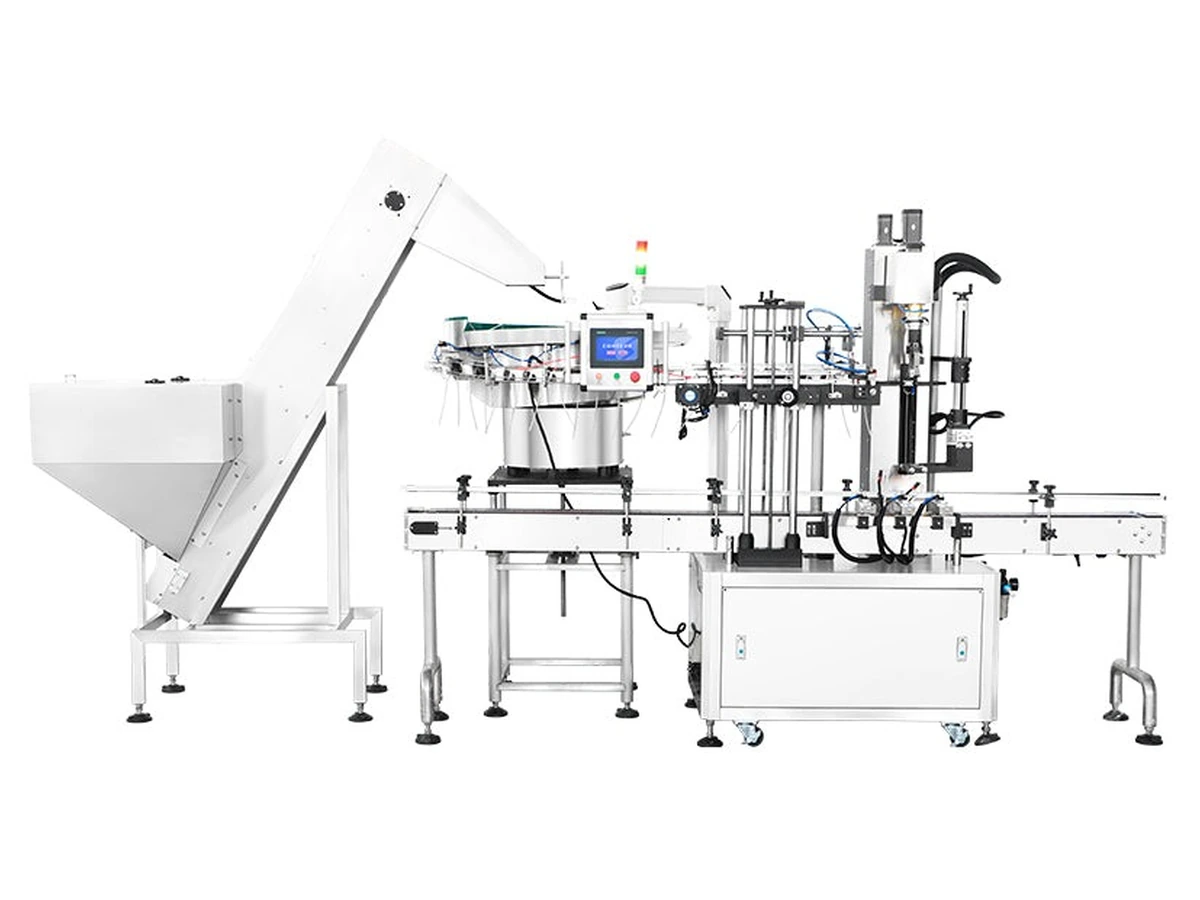
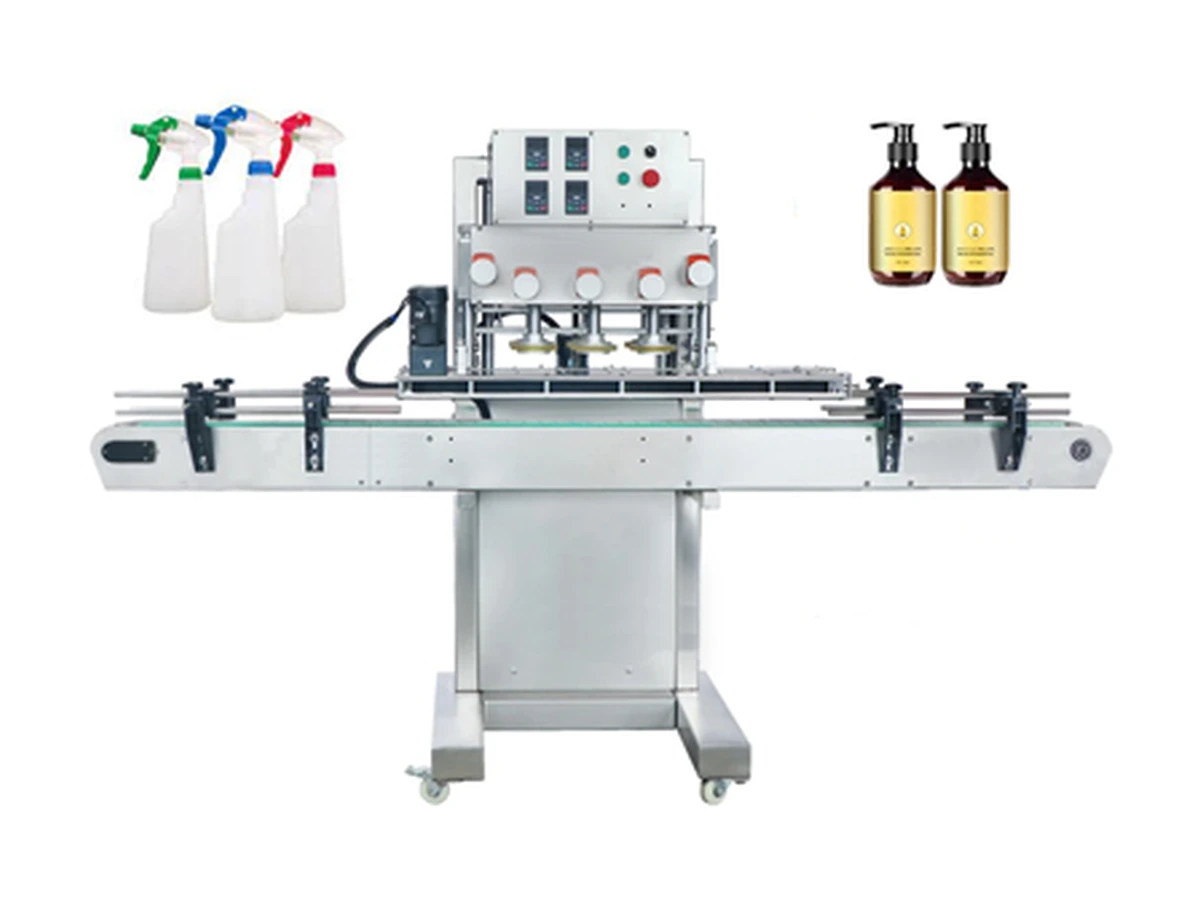
Trigger cap orientation equipment for spray capping lines

Use this route when the closure orientation is the main bottleneck in a trigger sprayer capping project.

Buyer guidance

What this page helps you decide

Use this route when the closure orientation is the main bottleneck in a trigger sprayer capping project.

  • Orientation around trigger head shape and tube length
  • Track design and transition points
  • Feeder-to-capper handoff planning
  • Changeover for multiple closures
  • Sample-led specification before ordering
Trigger cap orientation equipment for spray capping lines

Specification notes

Practical points before shortlisting machinery

These notes are written for buyers comparing a real trigger capping project, not for generic catalogue browsing.

Why orientation drives performance

A trigger cap can only be placed reliably if it reaches the capping point in a predictable position. Orientation affects tube entry, bottle presentation, cap seating and the final tightening process. Poor orientation can create missed caps, damaged tubes, rework and inconsistent output even when the capping head itself is capable.
What the orientator must handle

The orientation system may need to separate caps, control head direction, prevent dip tubes from tangling and pass caps to the next stage without tipping or bouncing. The engineering solution depends on closure weight, centre of gravity, trigger shape, tube length and line speed. Multiple closures increase complexity and may require change parts or separate tracks.

Planning a robust route

The most useful enquiry includes samples of every cap, the expected hourly output, tube length tolerance, bottle family and information about whether caps arrive clean, bulk packed, bagged or nested. This lets Lancing assess whether bowl feeding, track orientation or a more bespoke presentation method is likely to be dependable.

Machine options

Trigger capping machines to compare

Use these product pages to compare available machine families and then send Lancing your sample details for configuration advice.

Related search routes

Pages that support this buying decision

These internal routes strengthen the trigger-capping topic cluster and help users move from research into a machine enquiry.

FAQs

Questions buyers ask

Why do trigger caps need orientation?

Because the trigger head and tube are not symmetrical. The cap must be presented correctly for tube entry and placement onto the bottle.

Can orientation equipment handle multiple trigger caps?

Often it can, but different closures may need change parts, track adjustment or speed changes. Samples are required to confirm.

Is orientation needed for semi-automatic lines?

Usually not where an operator places each cap, but it becomes important when cap feeding is automated.

Need a trigger capping recommendation?

Send the bottle, cap, tube length, output target and current line details. Lancing can help shortlist the right route.

Call now01494 623015