Manual placement
Smaller projects may use an operator to place the trigger before the capper tightens it.

Cap placement
Trigger cap placement is the stage where the closure is presented to the bottle before torque is applied. Getting this stage right reduces cross-threading, tube problems and inconsistent capping.
Buyer guidance
Trigger cap placement is the stage where the closure is presented to the bottle before torque is applied. Getting this stage right reduces cross-threading, tube problems and inconsistent capping.
Specification priorities
These notes help narrow the shortlist before a machine quote is prepared.
Smaller projects may use an operator to place the trigger before the capper tightens it.
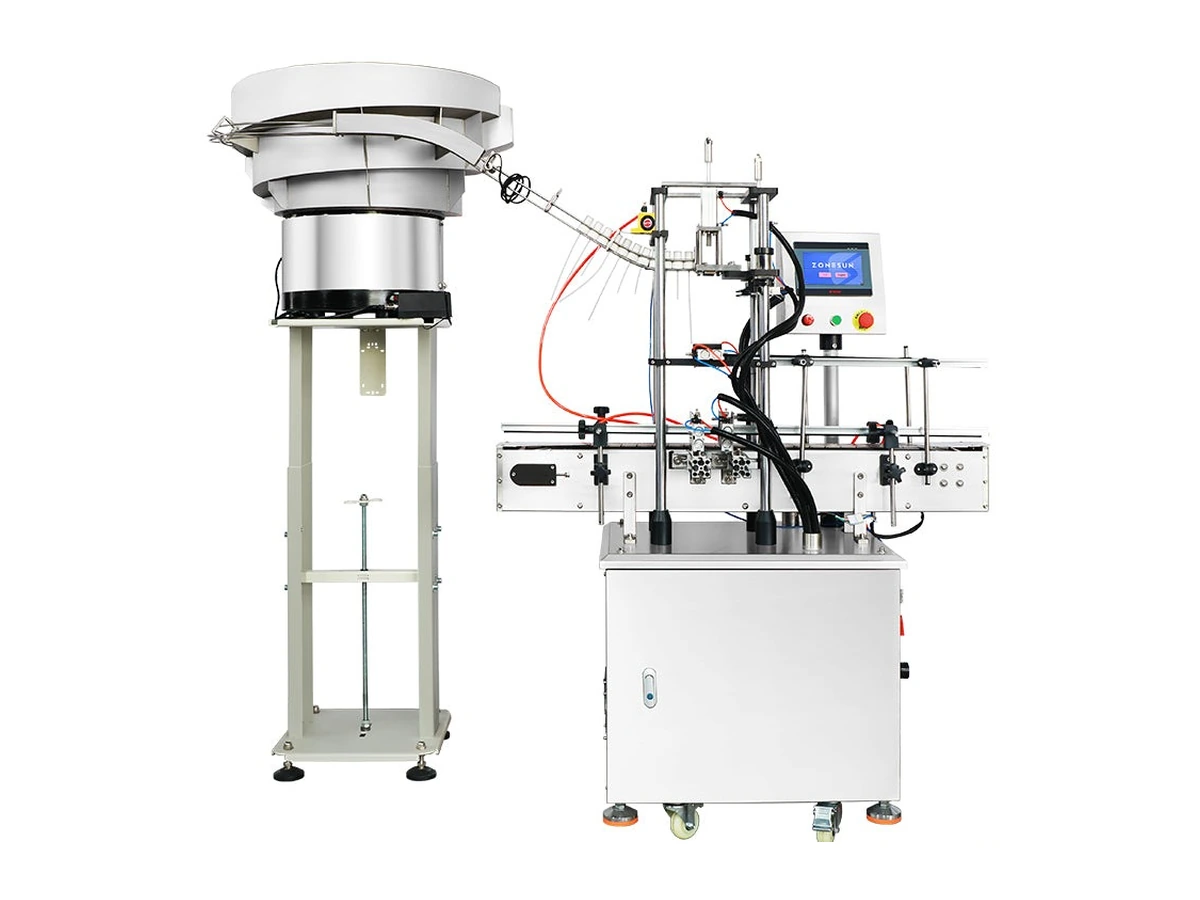
Higher-volume projects may need cap feeding and placement to reduce labour and improve repeatability.
The trigger head, tube and bottle neck must be checked together before the placement route is confirmed.
Machine comparison
Use these machine routes to compare the practical equipment options before sending samples for review.
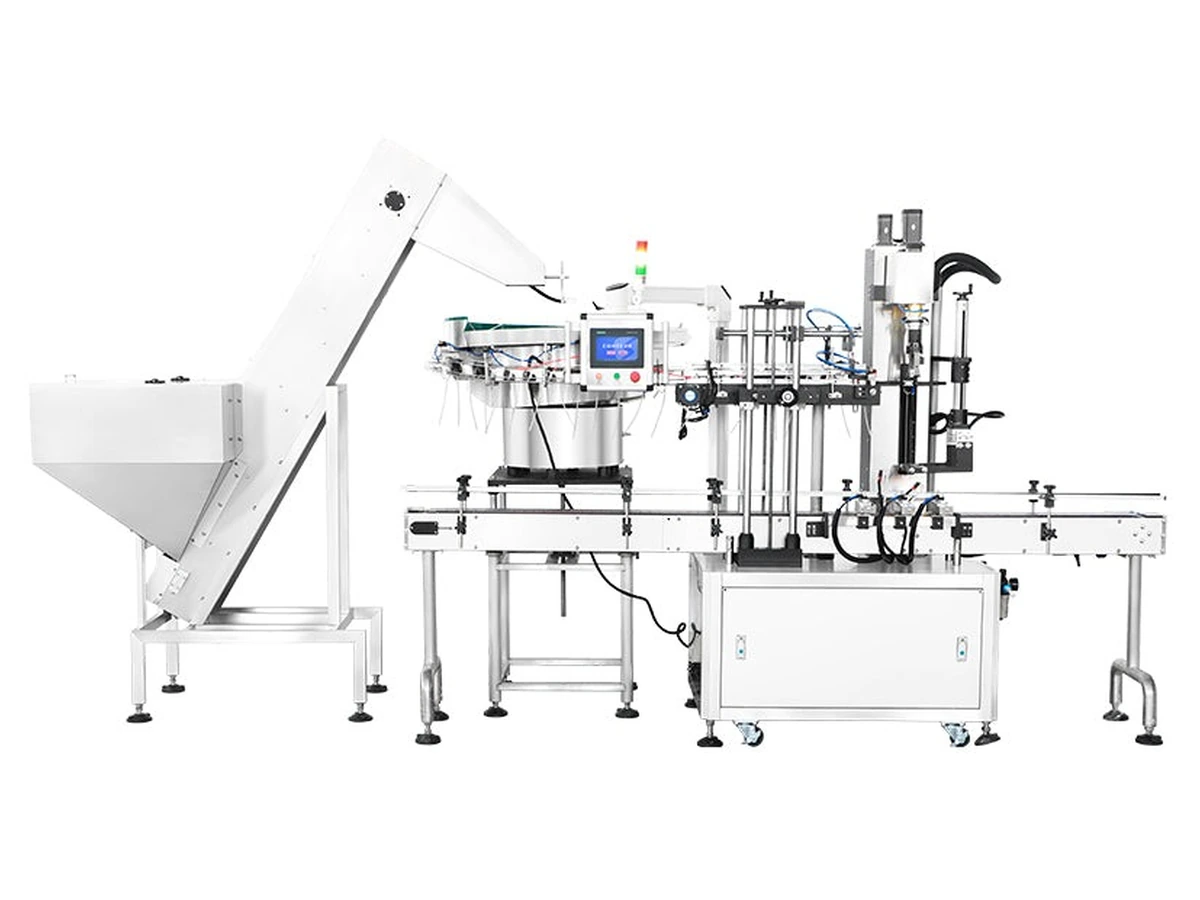
Automatic capping route for cleaning, home-care and chemical bottles with trigger sprayers.
View machine →Cap feeding and orientation route for trigger sprayers with soft dip tubes.
View machine →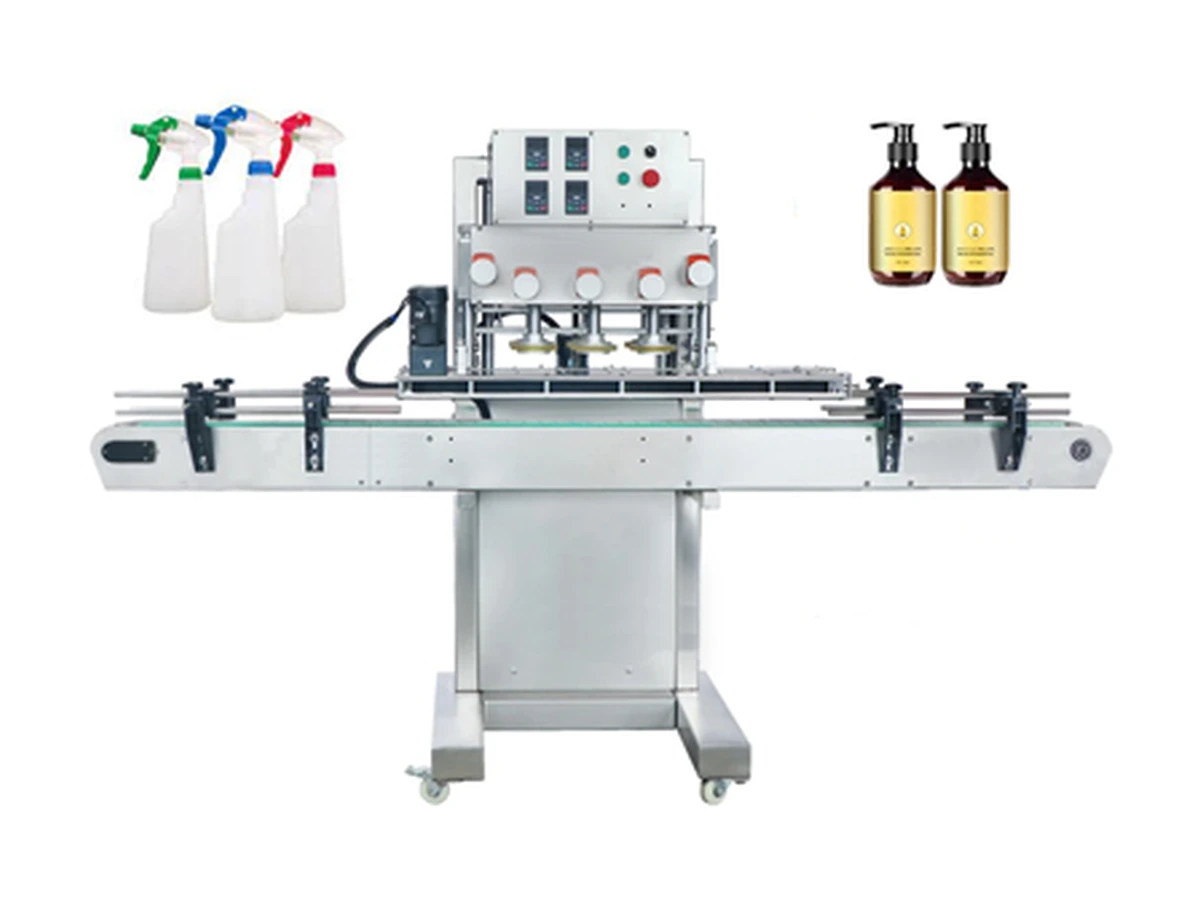
High-output inline belt/spindle capping route for compatible screw and spray closures.
View machine →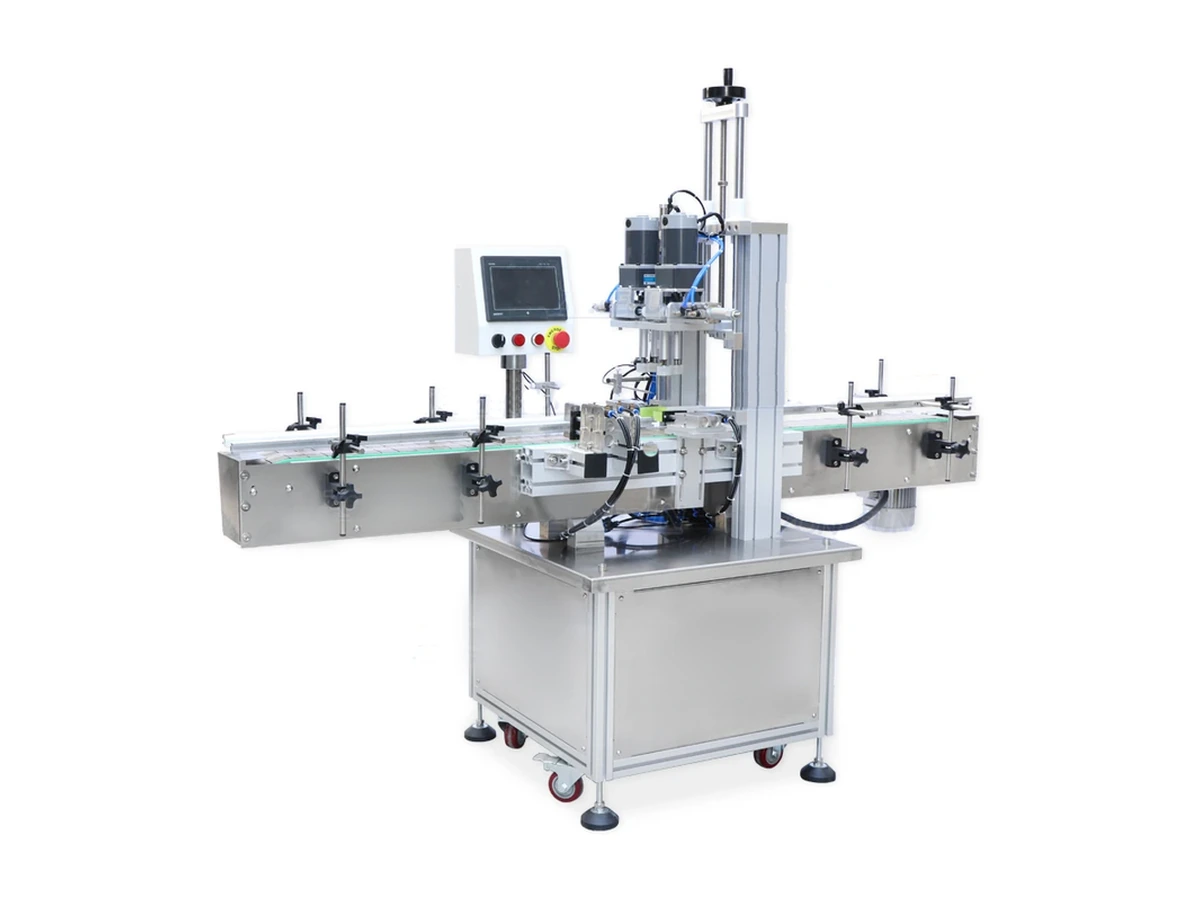
Inline screw capping route for spray, pump and screw-cap bottles with controlled torque.
View machine →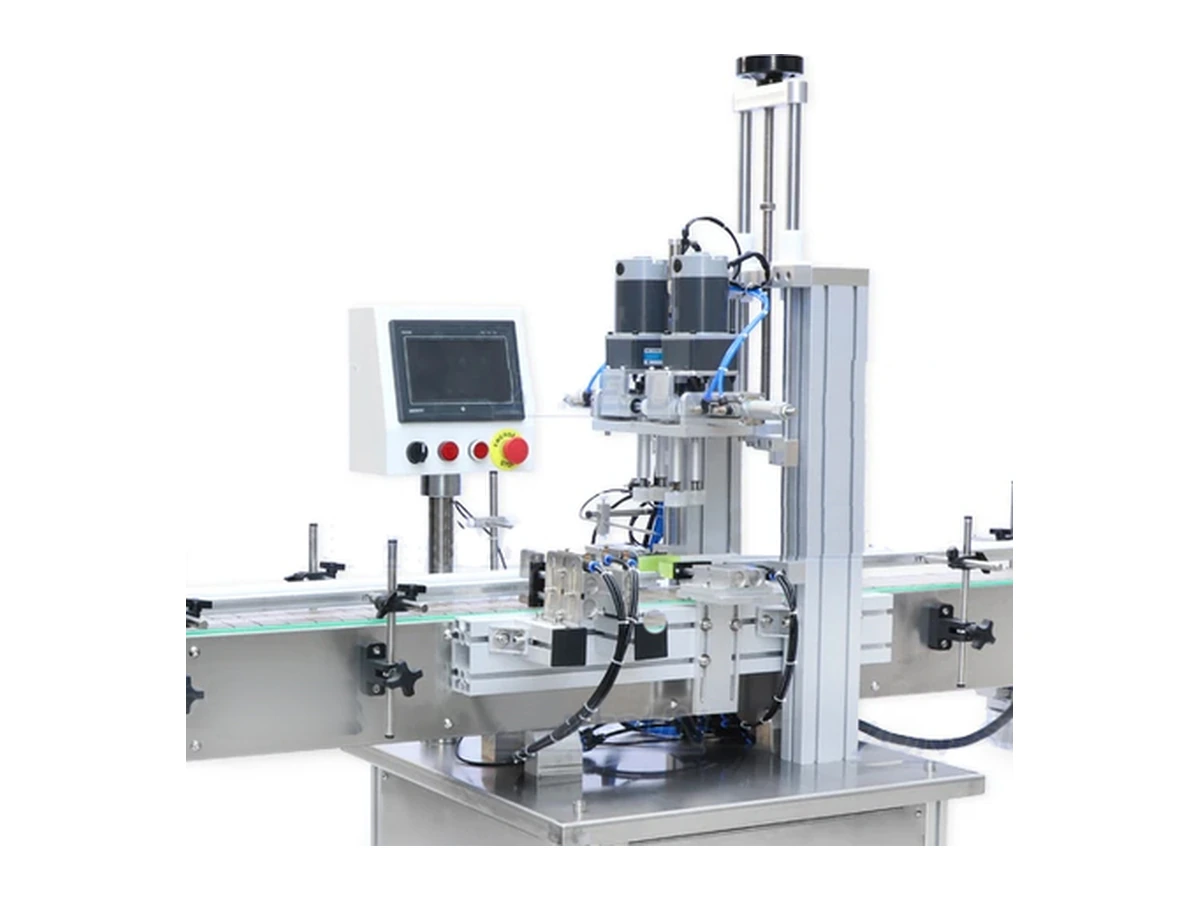
Space-saving capping option for smaller production areas and compact bottle lines.
View machine →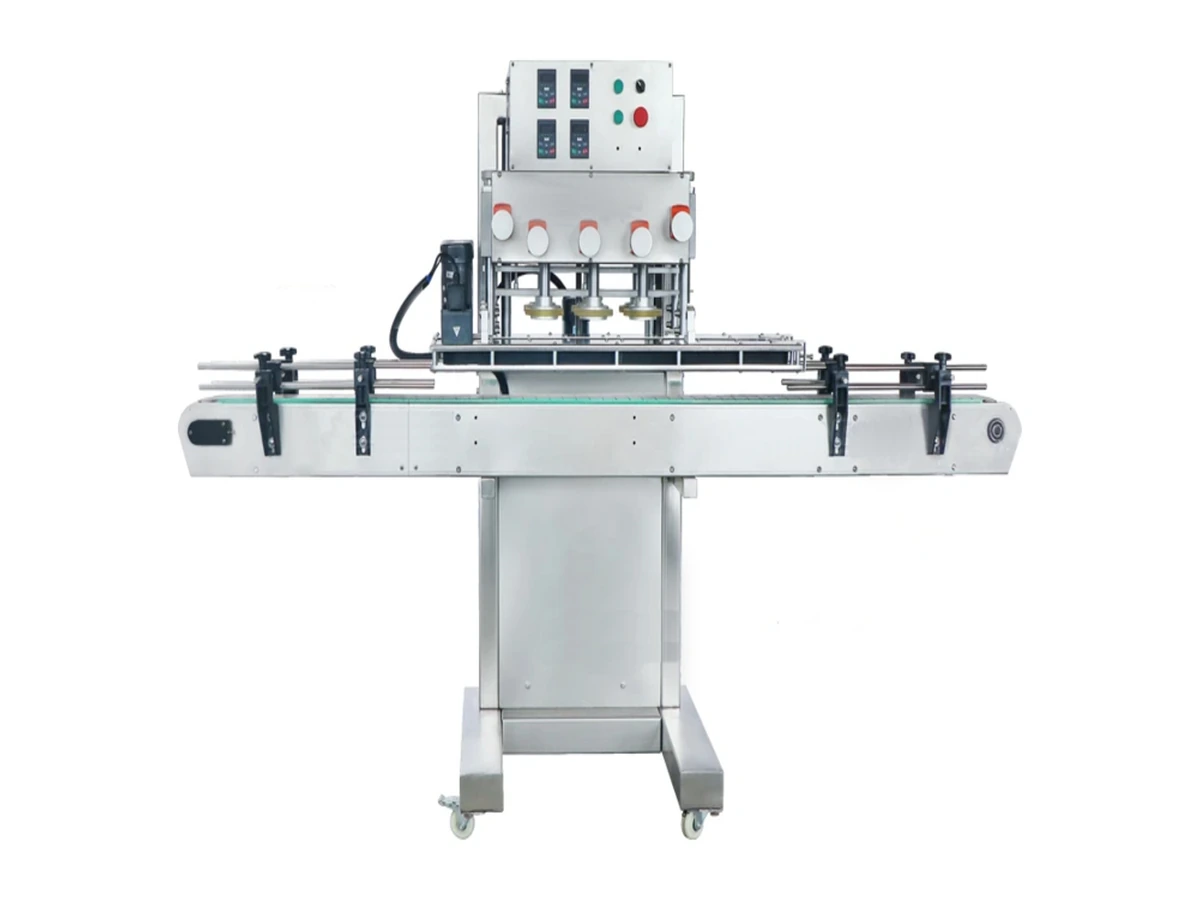
Operator-assisted capping route for lower-volume projects and smaller batches.
View machine →Topic cluster
These pages support the same trigger capping decision from different product, closure and automation angles.
Overview route for UK trigger capping machine buyers.
Read page →Specific route for trigger sprayers, dip tubes and cap feeding.
Read page →Higher-output automatic capping route for spray bottle lines.
Read page →Cap feeding and orientation route for awkward trigger sprayer closures.
Read page →Guidance around dip-tube placement, tube length and bottle neck entry.
Read page →Compare pump, dispenser and trigger capping routes.
Read page →What to send before requesting pricing or a machine recommendation.
Read page →Compare output, labour and automation level for trigger capping projects.
Read page →FAQs
It can be, because the trigger head and tube must be controlled before tightening.
Yes, some systems integrate placement and capping, while others use separate assisted steps.
Improve cap presentation, bottle support, alignment and torque control.
Send the bottle, cap, tube length, output target and current line details. Lancing can help shortlist the right route.