Loose caps
Under-tightening can cause leaks, returns and poor pack presentation.

Trigger cap torque control
Trigger cap torque control affects leak prevention, consumer usability and downstream pack quality. Torque should be matched to the closure, thread and seal rather than judged by hand feel alone.
Buyer guidance
This page is aimed at quality and operations teams trying to solve under-tightening or over-tightening issues. The right machine route depends on the cap, bottle, dip tube, output target and the wider line rather than the machine name alone.
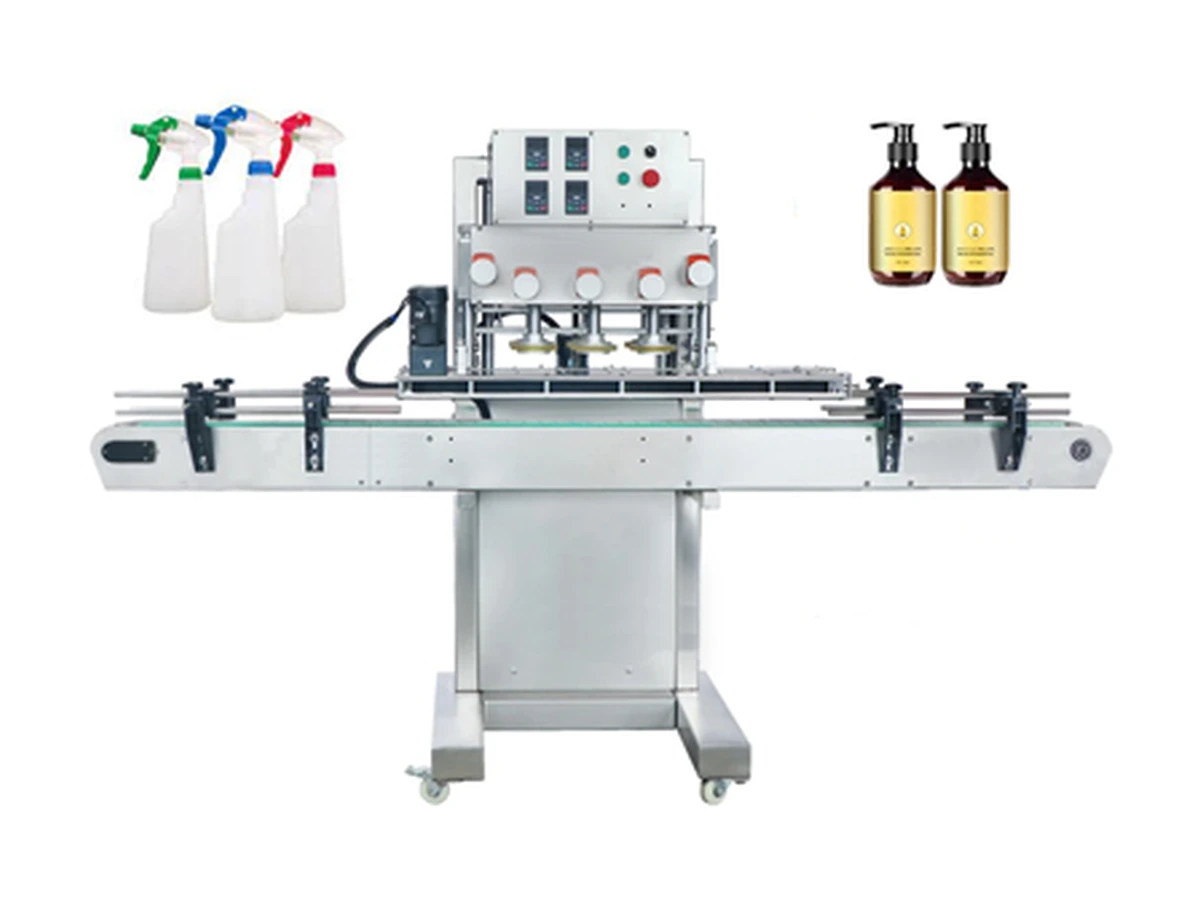
Specification priorities
These points help narrow the shortlist before samples are reviewed or a formal quotation is prepared.
Under-tightening can cause leaks, returns and poor pack presentation.
Too much torque can damage threads, deform bottles or make caps hard to use.
Controlled machine tightening improves consistency across shifts and operators.
Related machinery
Use these machine routes to compare the practical equipment options before sending samples for review.
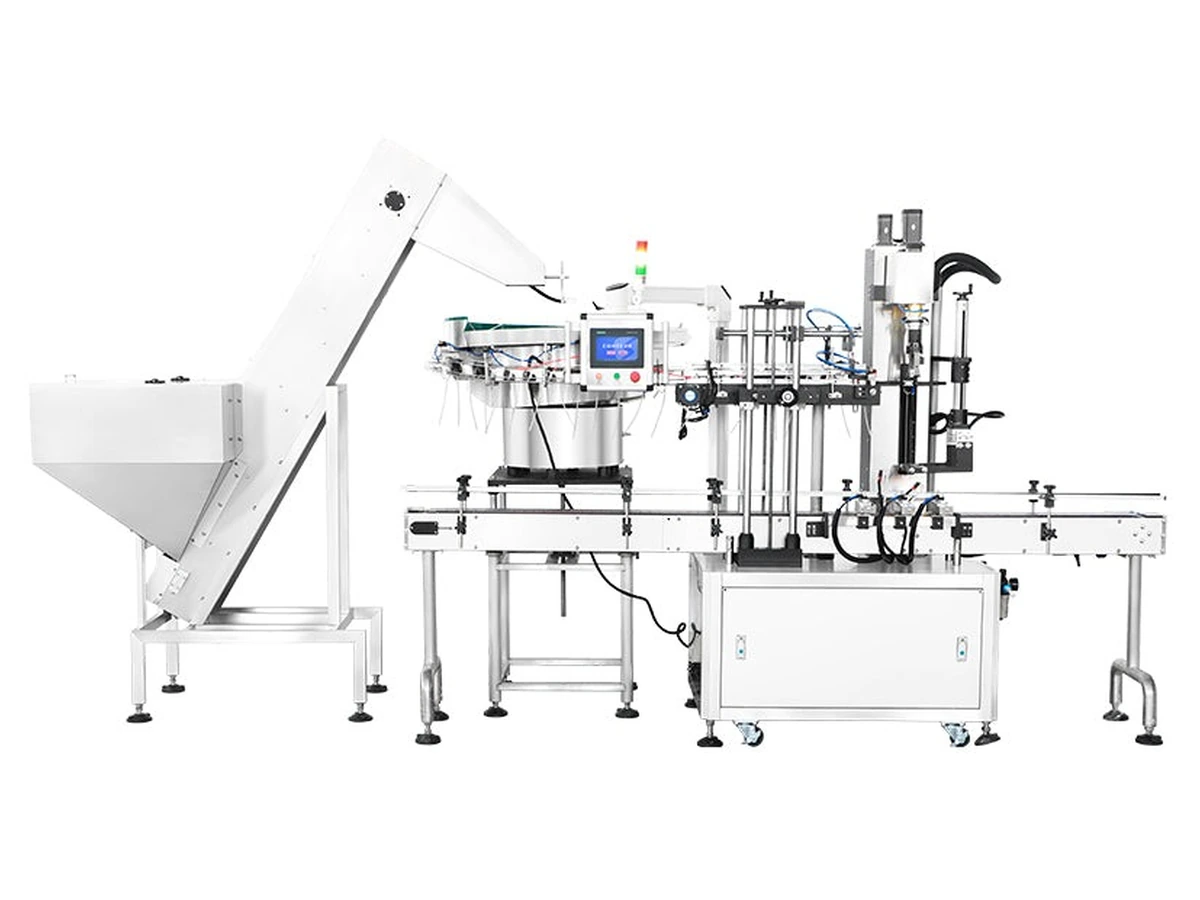
Automatic capping route for cleaning, home-care and chemical bottles with trigger sprayers.
View machine →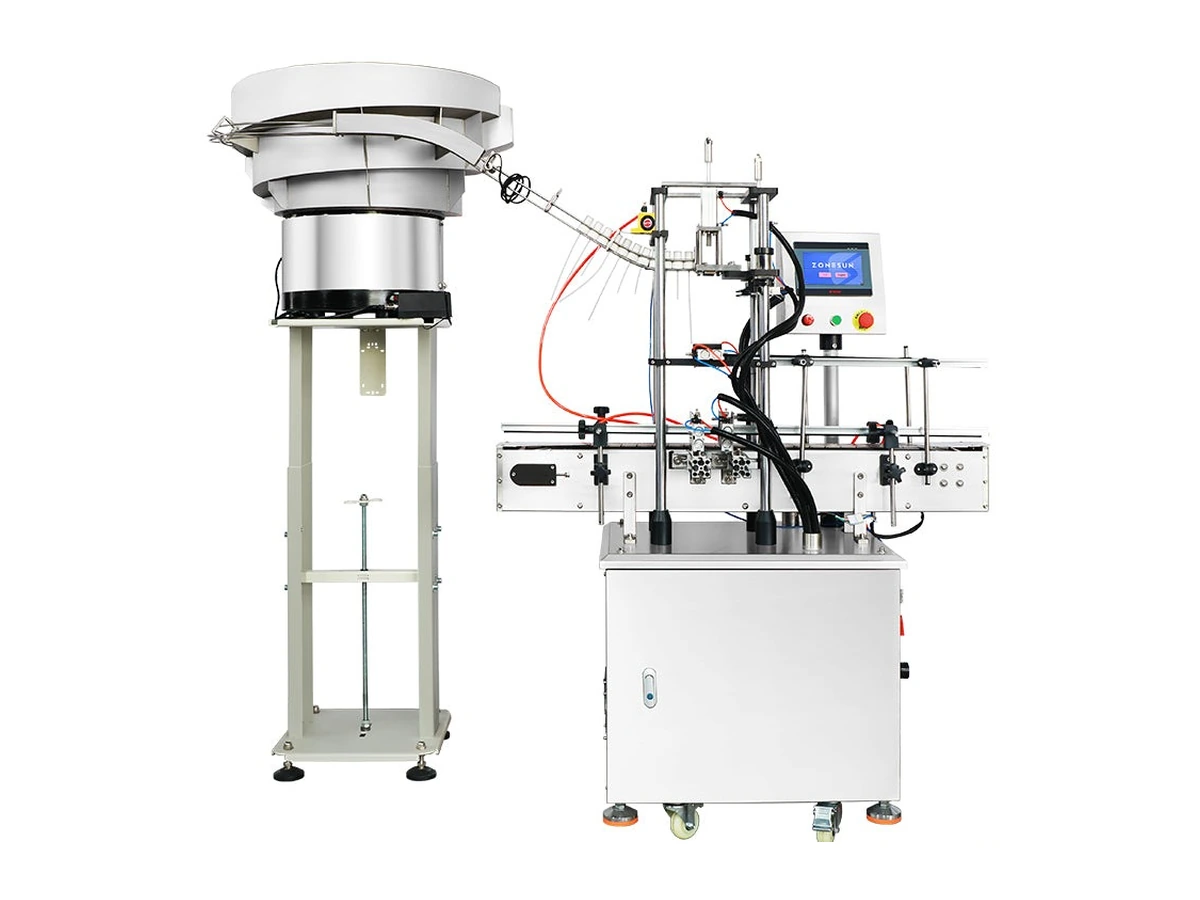
Feeding and orientation route for trigger sprayers with soft dip tubes.
View machine →High-output inline belt and spindle capping route for compatible screw and spray closures.
View machine →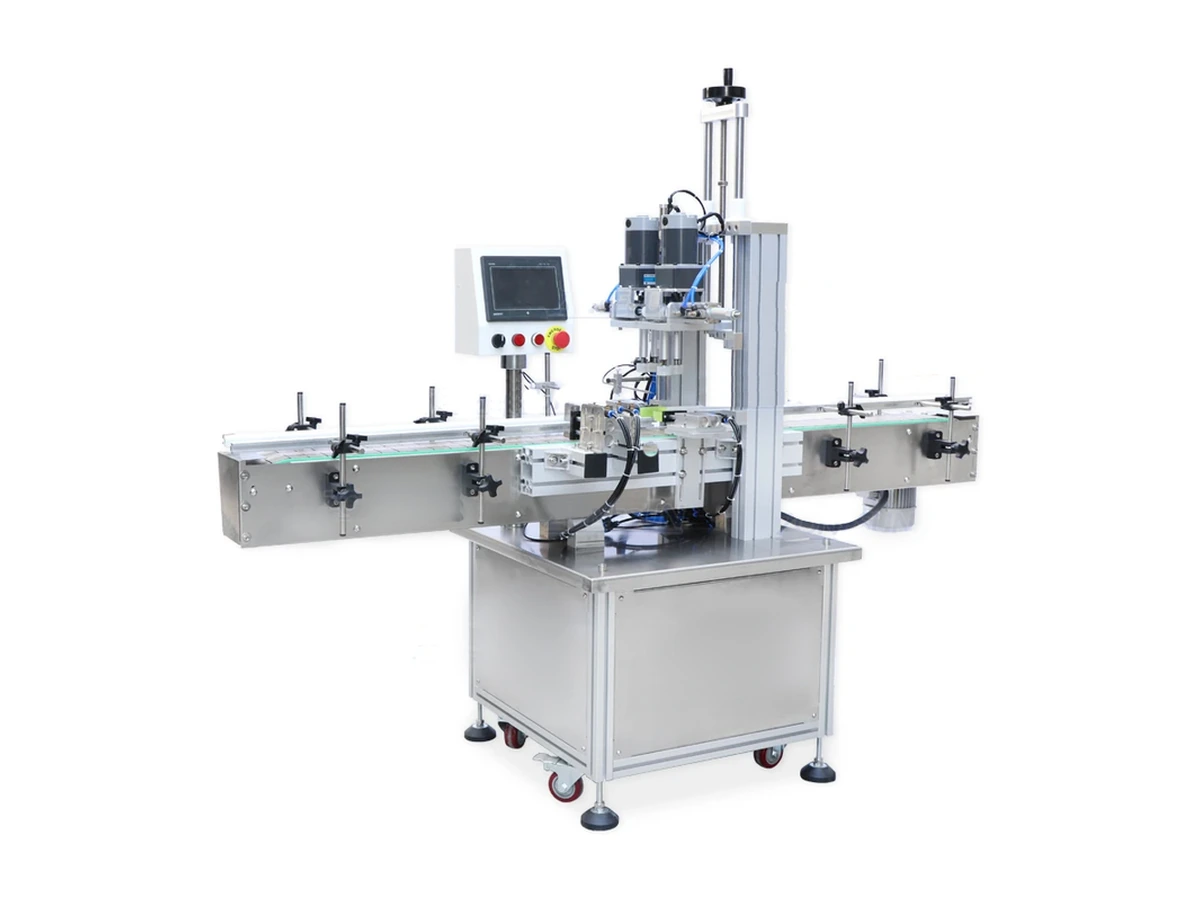
Automatic screw capping route for repeatable cap placement, torque and line integration.
View machine →Quick answers
The right torque depends on cap design, bottle thread, liner or seal, product and customer requirements.
It can help where leaks are caused by inconsistent cap placement or tightening, but the complete pack must be reviewed.
Yes. Lancing can discuss existing line issues and compare manual, semi-automatic and automatic routes.
Send bottle samples, trigger caps, dip-tube length, product details and target output. Lancing can help compare semi-automatic, compact and automatic routes.