Installation support

Trigger capper installation and commissioning support

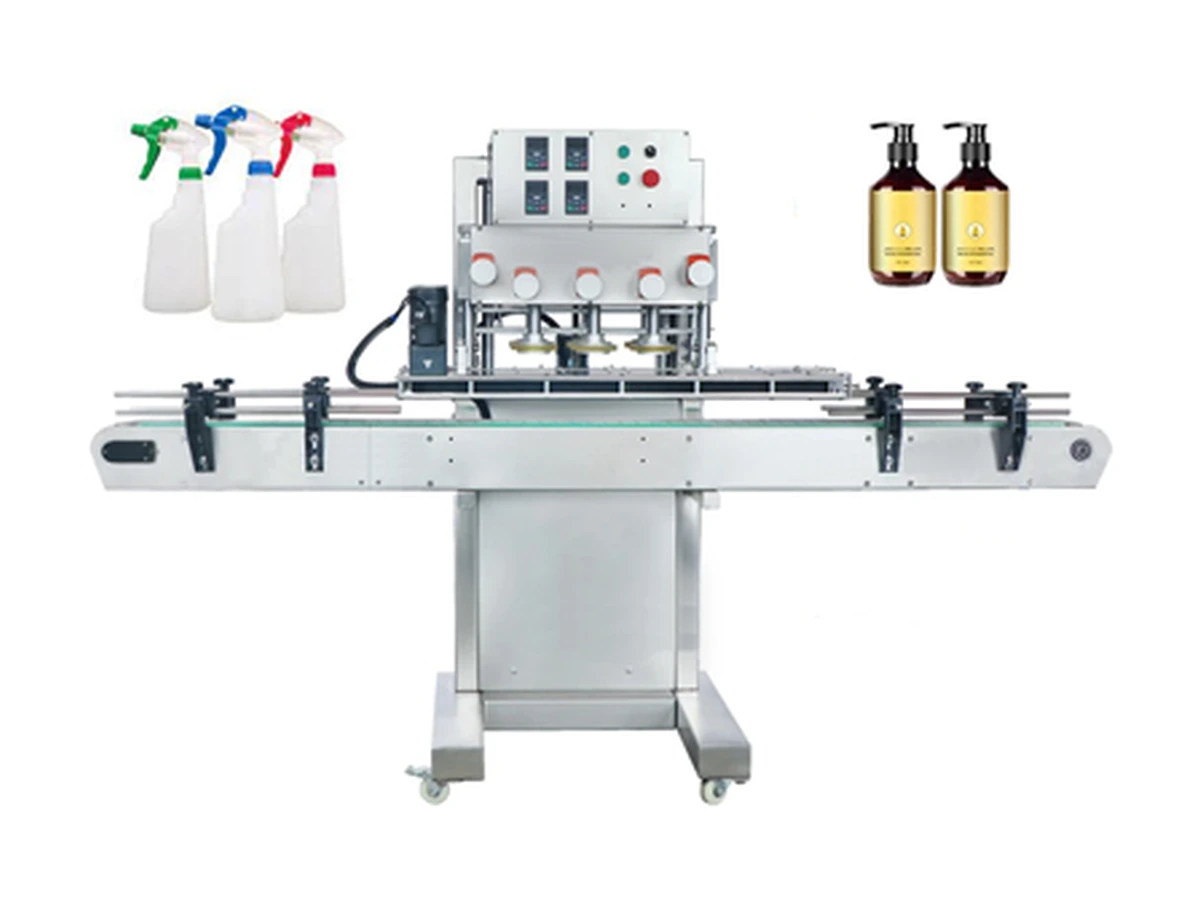
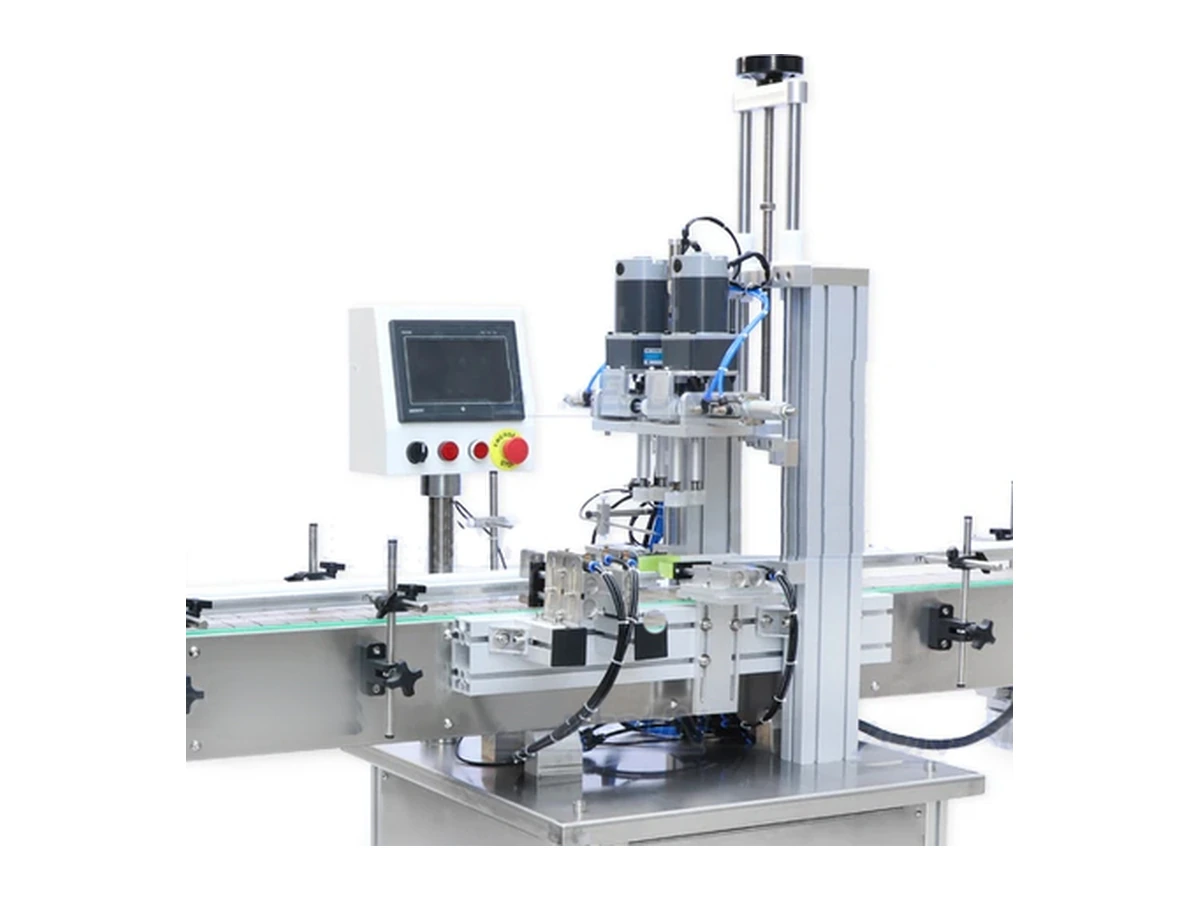
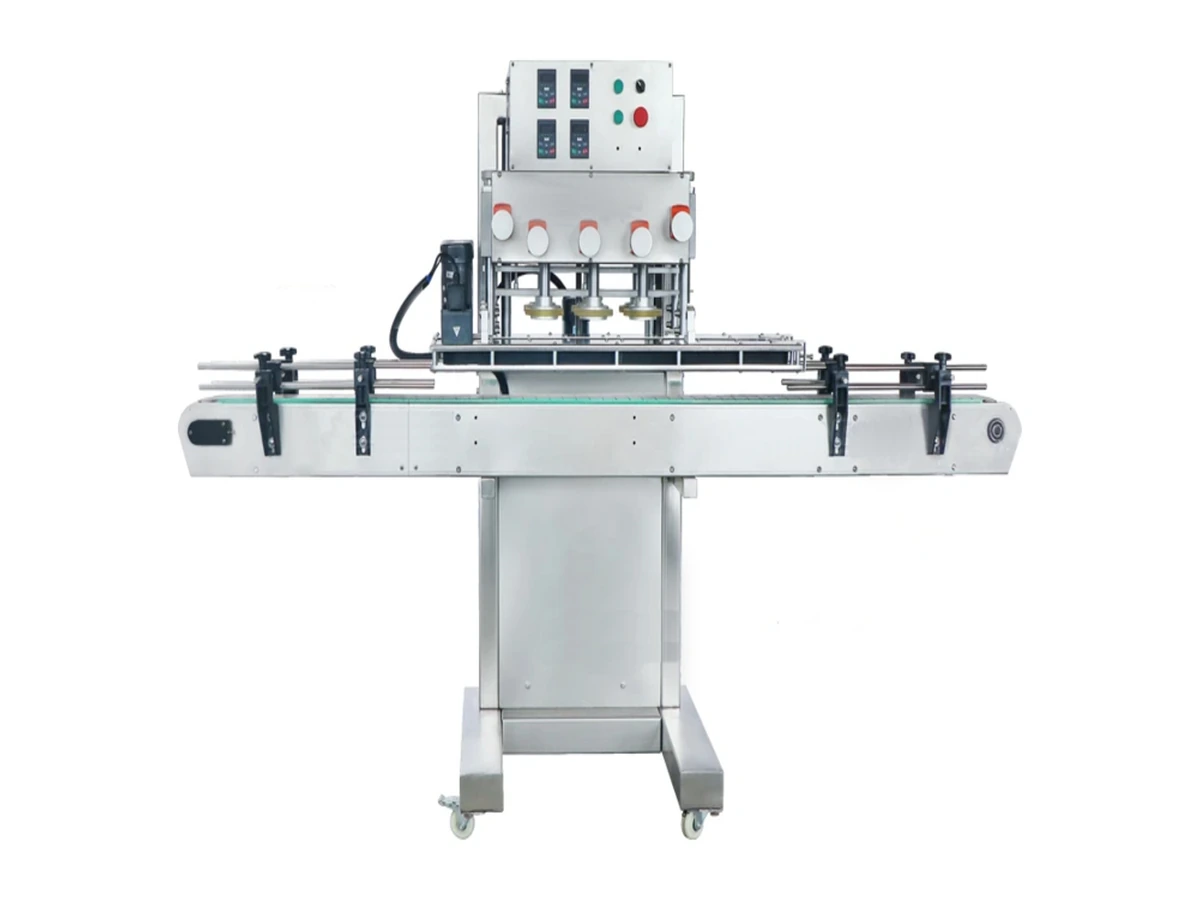
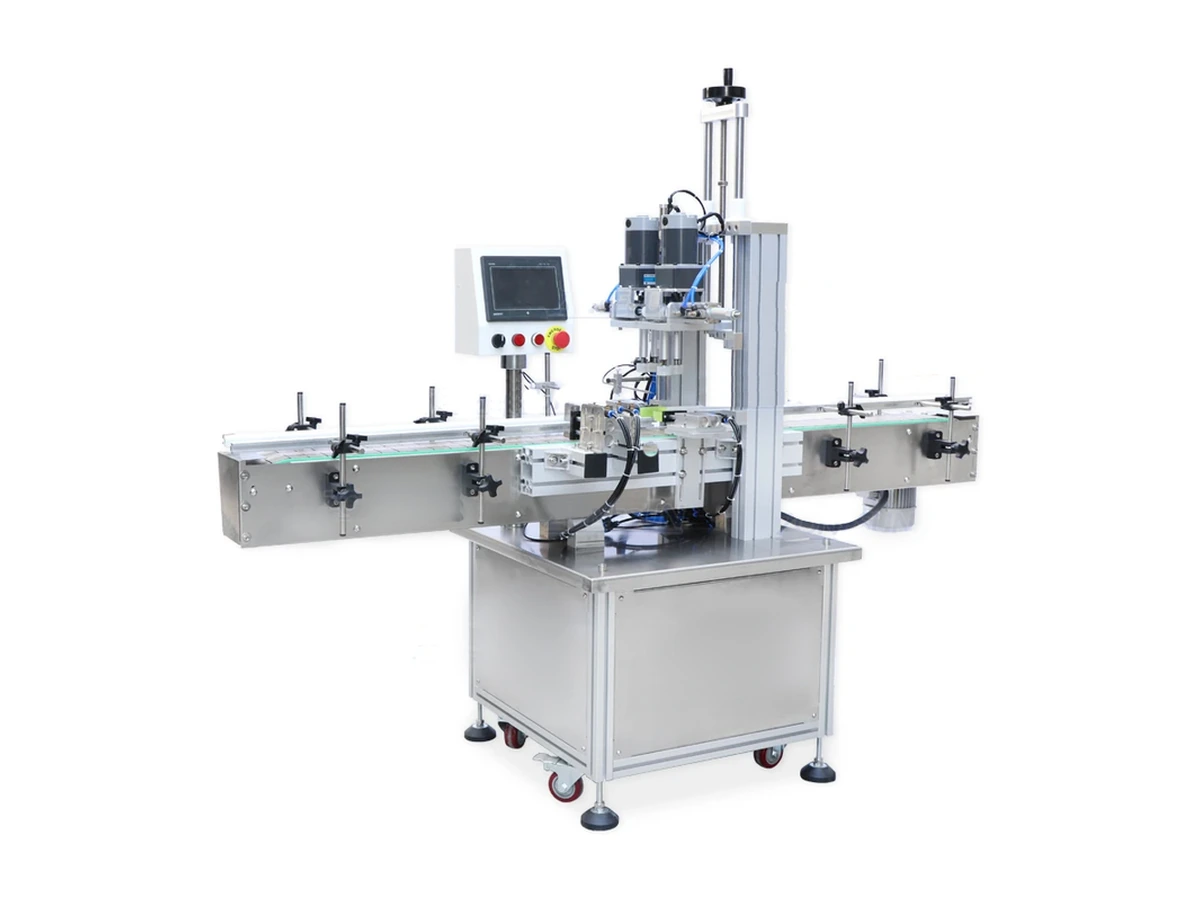
Prepare your site, operators and sample materials so a new trigger capping machine can be commissioned more smoothly.

Buyer guidance

What this page helps you decide

Prepare your site, operators and sample materials so a new trigger capping machine can be commissioned more smoothly.

  • Site access, utilities and layout checks
  • Bottle and cap samples for commissioning
  • Operator training and handover
  • Settings for multiple SKUs
  • Aftercare, spares and support planning
Trigger capper installation and commissioning support

Specification notes

Practical points before shortlisting machinery

These notes are written for buyers comparing a real trigger capping project, not for generic catalogue browsing.

What commissioning should prove

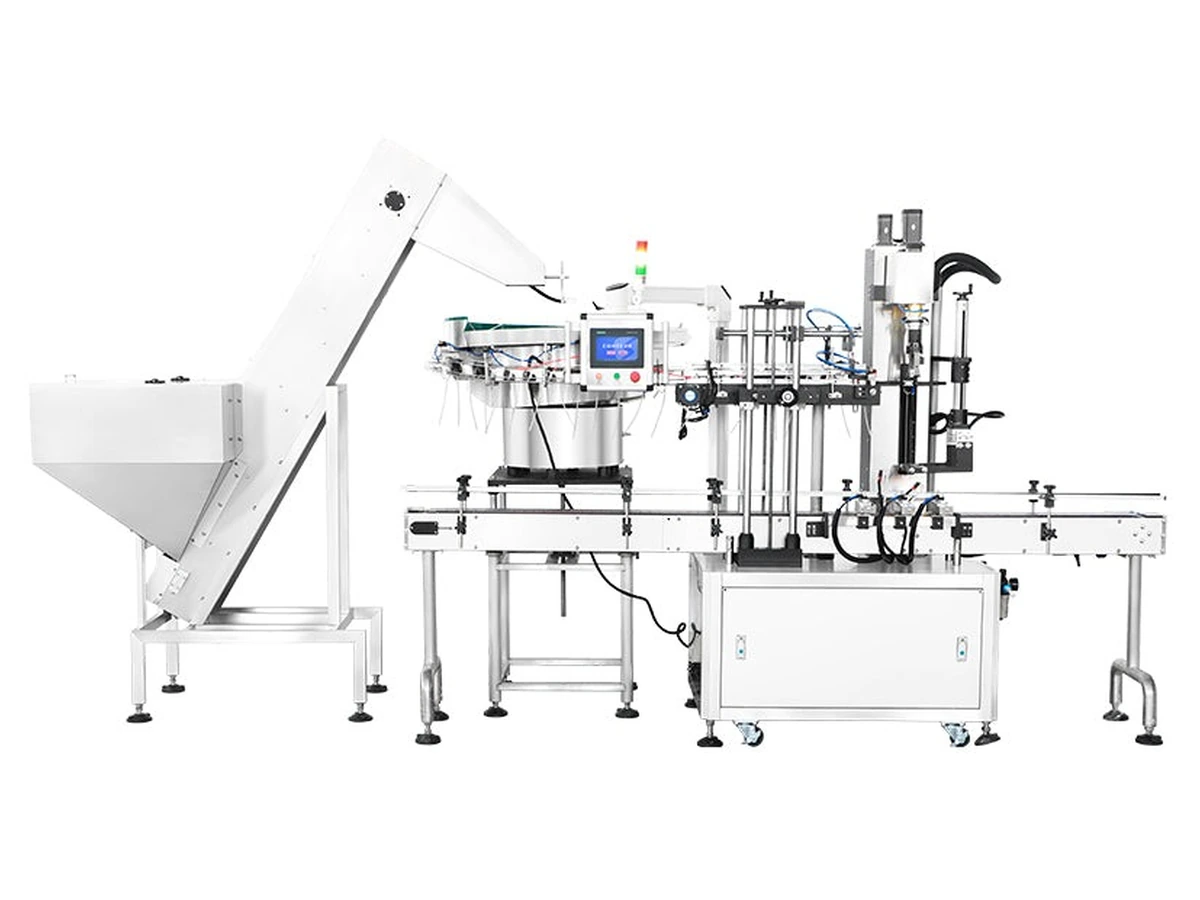
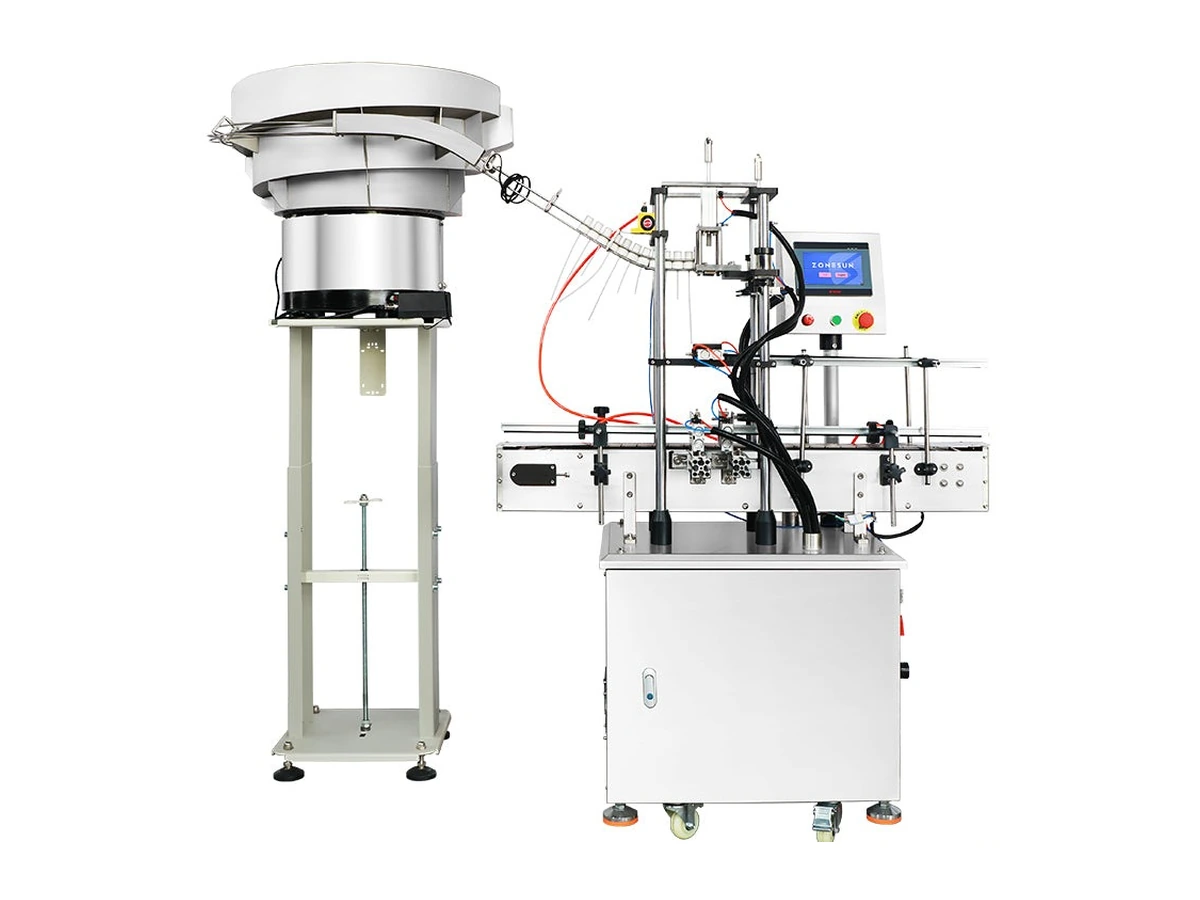
Commissioning should confirm that the capper runs the agreed bottle and closure, that torque and placement are repeatable, that operators understand setup, and that the machine interfaces correctly with conveyors or surrounding equipment. For trigger caps, dip tube handling and cap orientation should be checked with real production samples.
Site readiness

Before installation, confirm access route, floor space, power, air supply, conveyor height, lighting, operator access and any local safety requirements. Prepare enough bottles, caps and product or surrogate liquid for testing. If the machine is part of a line, the upstream and downstream equipment should also be ready.

After handover

Keep a record of agreed settings, changeover points, routine checks and spare parts. Early operator feedback is useful because trigger cap handling often reveals practical improvements once the machine is running in real production.

Machine options

Trigger capping machines to compare

Use these product pages to compare available machine families and then send Lancing your sample details for configuration advice.

Related search routes

Pages that support this buying decision

These internal routes strengthen the trigger-capping topic cluster and help users move from research into a machine enquiry.

FAQs

Questions buyers ask

What should be ready before installation?

Prepare utilities, access, bottles, caps, product samples, operators and any surrounding equipment that needs to interface with the capper.

Can commissioning use empty bottles?

Some checks can, but filled-weight testing is more realistic for bottle stability and conveyor handling.

Should operators attend commissioning?

Yes. Operators should see setup, adjustment, changeover and routine checks during handover.

Need a trigger capping recommendation?

Send the bottle, cap, tube length, output target and current line details. Lancing can help shortlist the right route.

Call now01494 623015