Maintenance and support

Trigger capper maintenance, spares and support planning

Reduce avoidable downtime by planning routine checks, cleaning, feeder inspection and spare parts for trigger capping machinery.

Buyer guidance

What this page helps you decide

Reduce avoidable downtime by planning routine checks, cleaning, feeder inspection and spare parts for trigger capping machinery.

  • Routine inspection and cleaning
  • Cap feeder and track checks
  • Torque and bottle-control settings
  • Spare parts planning
  • Service and technical support routes
Trigger capper maintenance, spares and support planning

Specification notes

Practical points before shortlisting machinery

These notes are written for buyers comparing a real trigger capping project, not for generic catalogue browsing.

Why maintenance matters

Trigger cappers rely on consistent cap presentation, bottle positioning and controlled tightening. Wear, contamination, vibration, loose settings or damaged tooling can quickly show up as misfeeds, poor torque or product stoppages. A simple maintenance routine helps protect output and reduces emergency callouts.
Routine checks

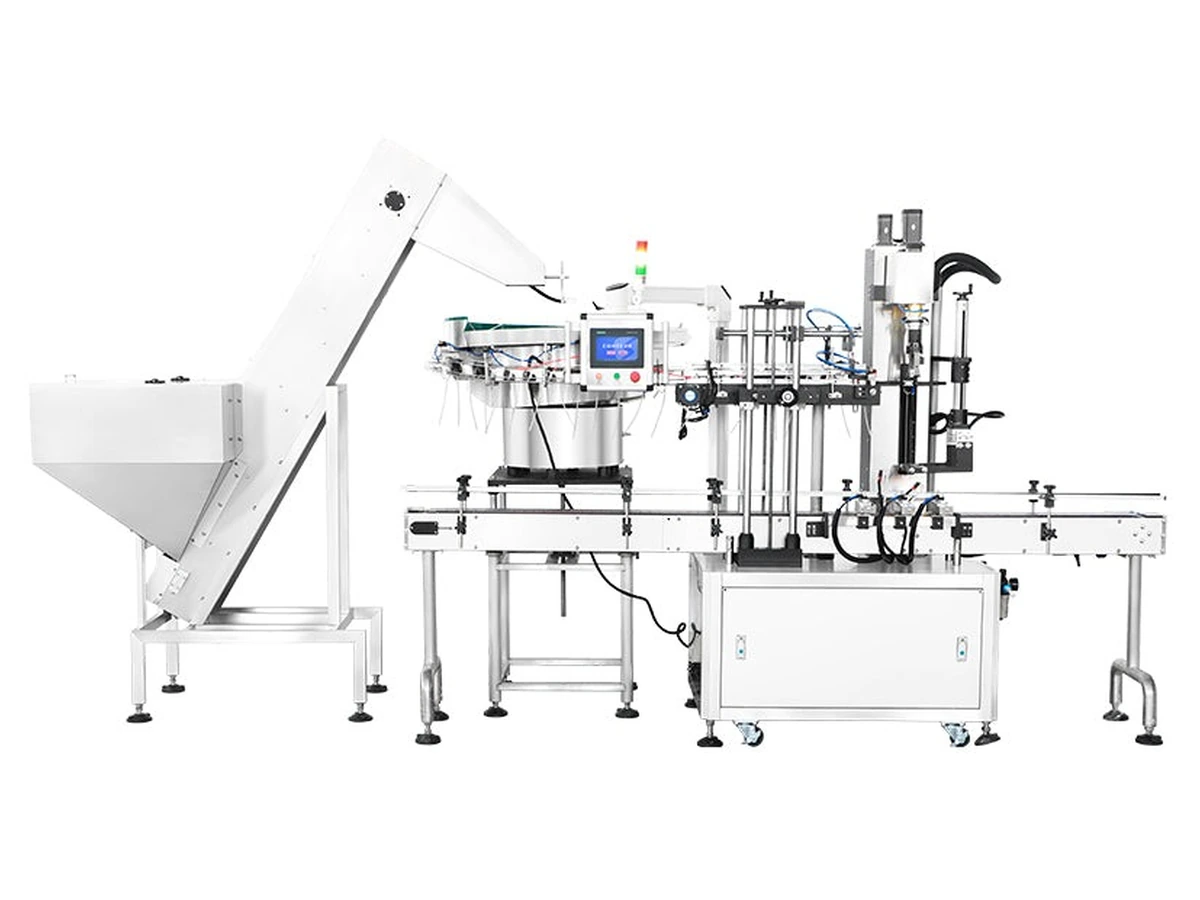
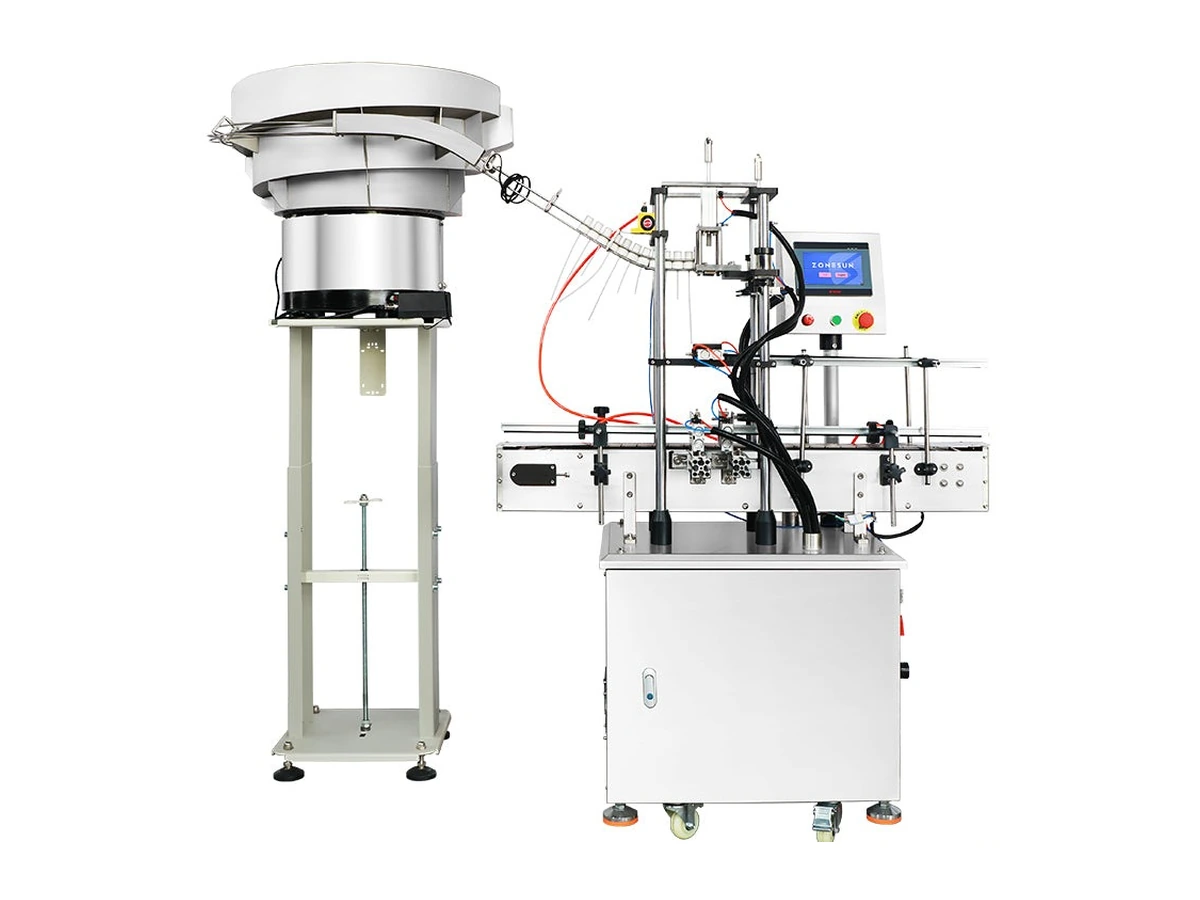
Inspect cap tracks, bowl feeders, guide rails, belts, clamping points, torque heads, sensors, air supply and guards. Clean contact areas where product residue or cap debris can accumulate. Record settings for each bottle and cap format so changeovers do not depend on memory.

Spares planning

Useful spares may include belts, grippers, sensors, guide components, format parts and consumables specific to the machine. Lancing can advise on spares based on the installed configuration and the consequences of downtime for your production schedule.

Machine options

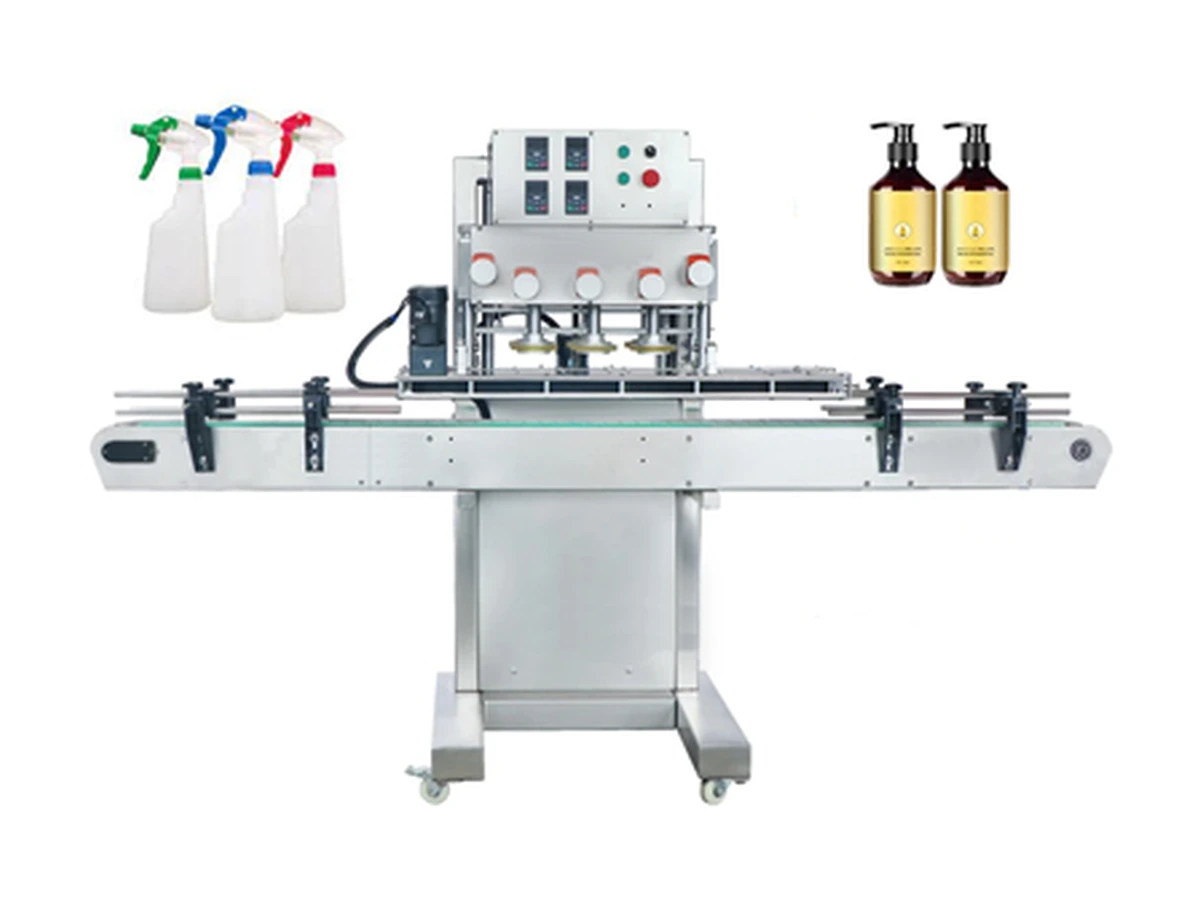
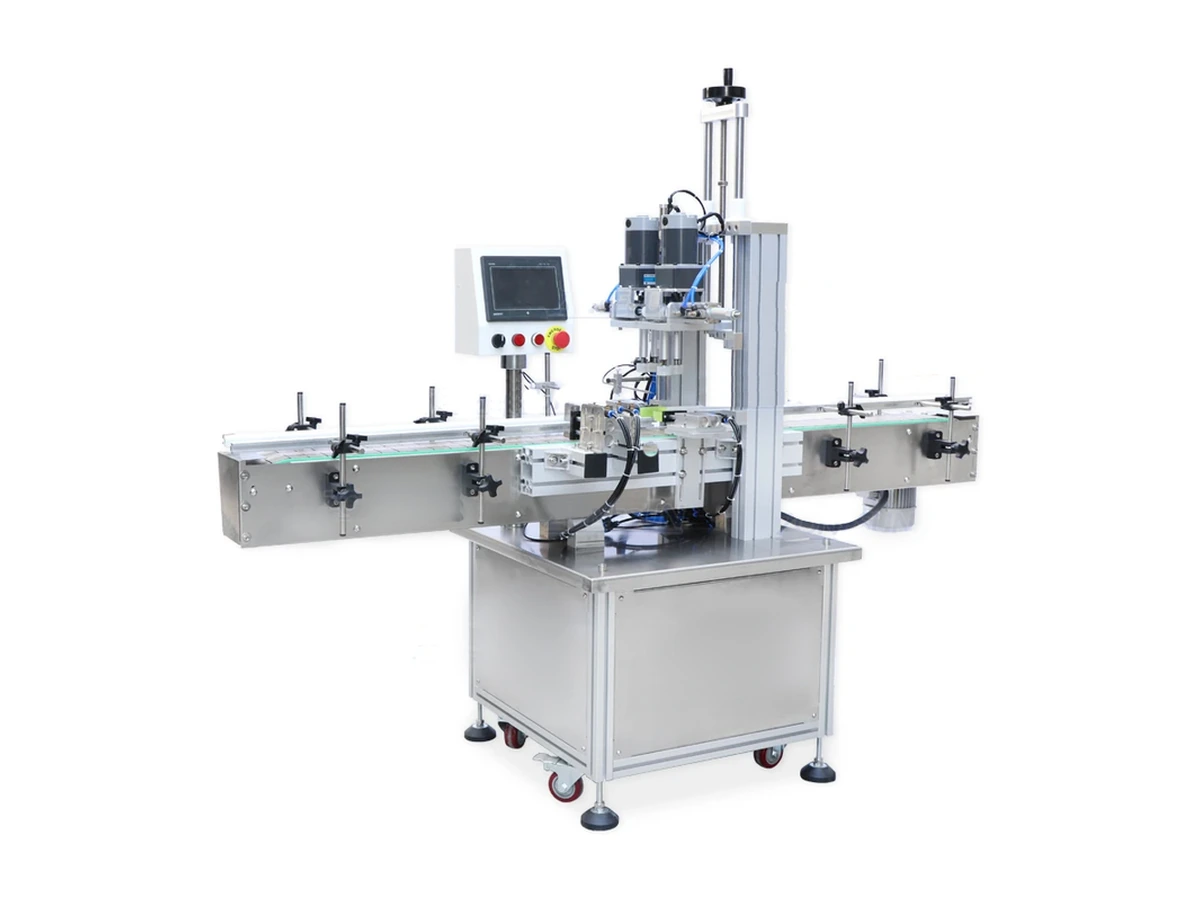
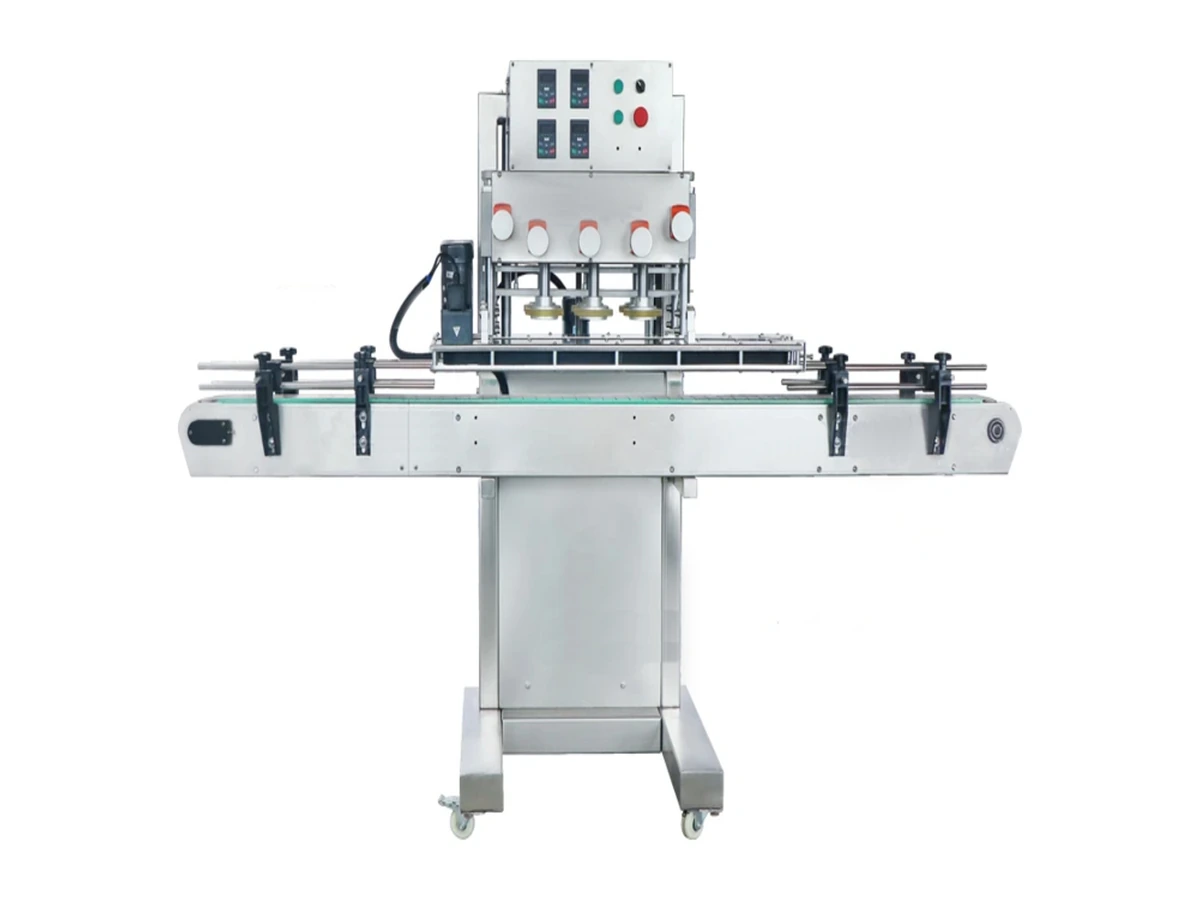
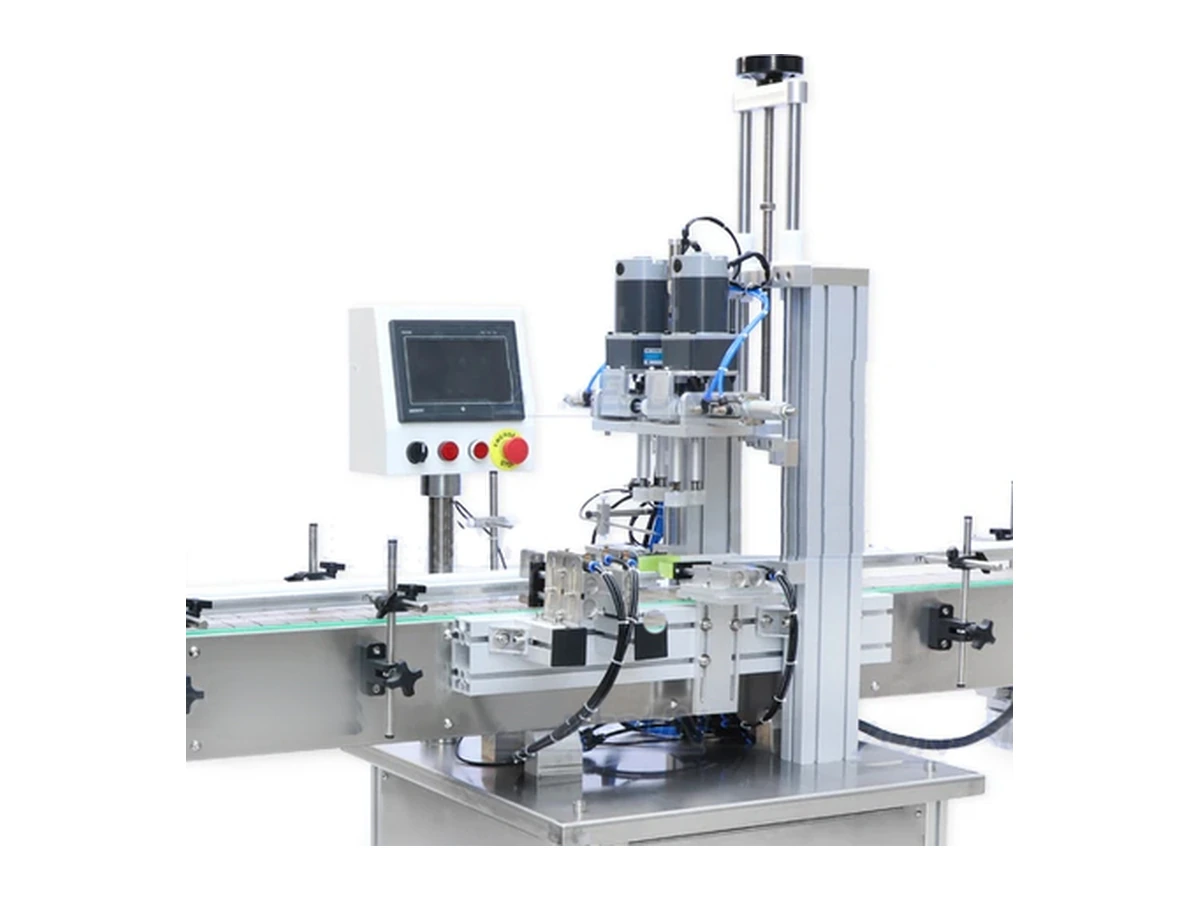
Trigger capping machines to compare

Use these product pages to compare available machine families and then send Lancing your sample details for configuration advice.

Related search routes

Pages that support this buying decision

These internal routes strengthen the trigger-capping topic cluster and help users move from research into a machine enquiry.

FAQs

Questions buyers ask

How often should a trigger capper be checked?

Frequency depends on usage, product environment and output, but daily visual checks and planned periodic maintenance are sensible for production lines.

What causes repeated cap feeder issues?

Worn tooling, contamination, wrong cap batch, mixed caps, incorrect settings or unsuitable feed rate can all cause problems.

Can Lancing help with spares?

Yes. Lancing can support spare parts and technical advice for supplied equipment.

Need a trigger capping recommendation?

Send the bottle, cap, tube length, output target and current line details. Lancing can help shortlist the right route.

Call now01494 623015