Pre-start and format identity
Confirm correct bottle, trigger, dip tube, tooling, guides, recipe, approved settings, utilities and inspection equipment before parts are released.

Training and handover
Build role-specific training for normal running, changeover, quality checks, fault response, maintenance boundaries and controlled handover.
Competent handover
Operator training should cover normal production and the boundaries of permitted intervention. Setter, maintenance and supervisory roles may need different knowledge for changeover, fault diagnosis, isolation, quality release and control changes. A signed attendance sheet alone does not show that the person can perform the task safely and consistently.
UK HSE guidance on PUWER states that work equipment should be used by people who have received adequate information, instruction and training. The employer or dutyholder remains responsible for assessing the work, machine, site and competence required.
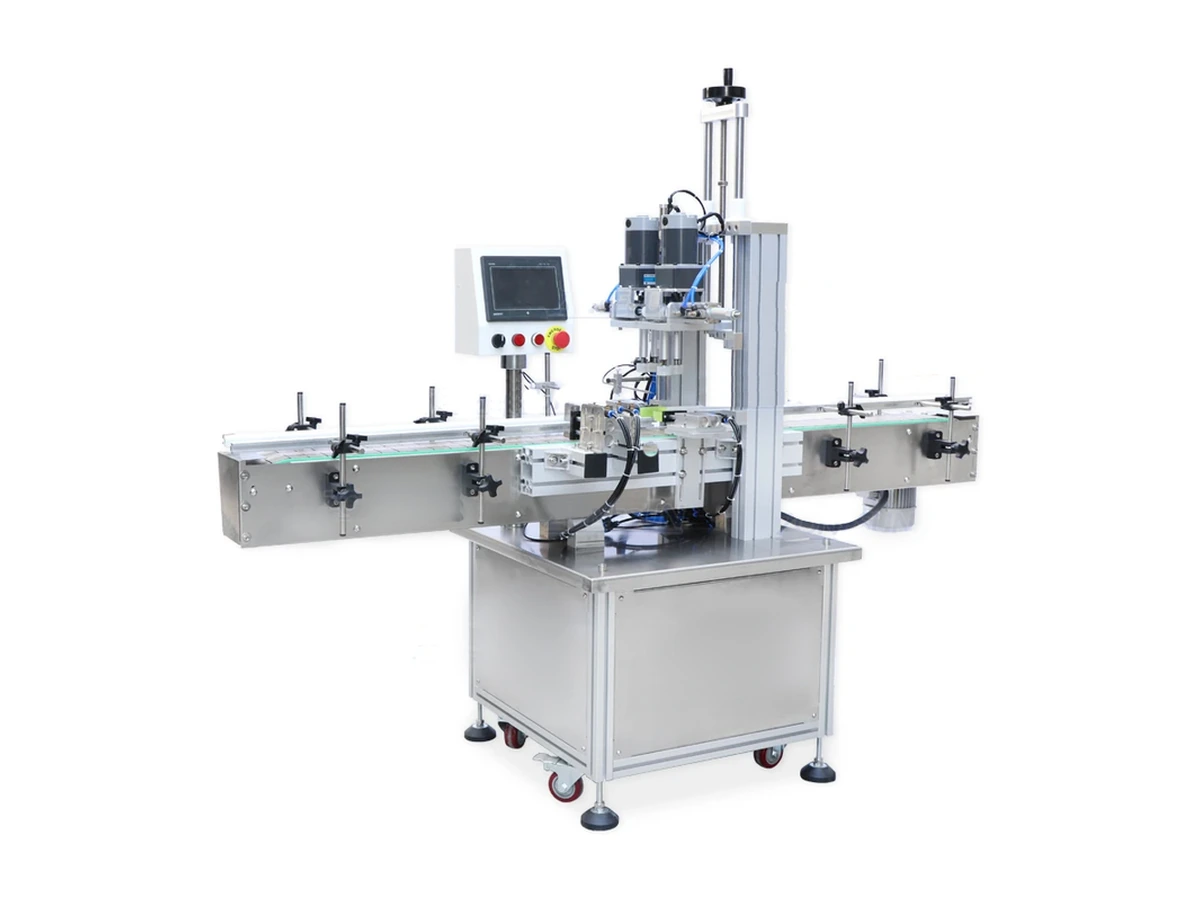
Role matrix
| Role | Typical training scope | Evidence of competence |
|---|---|---|
| Production operator | Pre-start checks, normal start/stop, bottle and closure replenishment, visual quality checks, housekeeping, permitted minor recovery and escalation. | Observed production cycle, correct quality decisions, correct response to defined alarms and knowledge of prohibited access. |
| Machine setter/changeover technician | Format parts, guide and height settings, recipes, first-off checks, tooling inspection, controlled adjustment and restoration to approved setup. | Completed changeover using the settings sheet, correct first-off approval and stable accepted run. |
| Maintenance technician | Machine-specific hazards, isolation, stored energy, fault diagnosis, inspection, lubrication or wear checks, repair boundaries and return-to-service checks. | Demonstrated isolation and task method, maintenance record and controlled hand-back to production. |
| Quality or line-release role | Sample plan, cap-height reference, torque or closure method, cosmetic standard, reject control and affected-pack disposition. | Consistent measurement and release decisions using approved limits and instruments. |
| Supervisor/engineering owner | Production state definitions, escalation, change control, recurring fault review, training authorisation and documentation control. | Ability to review evidence, assign actions and prevent unauthorised changes or restart. |
Training modules
Confirm correct bottle, trigger, dip tube, tooling, guides, recipe, approved settings, utilities and inspection equipment before parts are released.
Show the approved loading quantity and method, nesting or tube-tangling signs, buffer target and response to low supply.
Explain bottle location, tube entry, pre-threading, tightening contact and the visible signs of a pack that must not be accepted.
Demonstrate the cap-height, torque or functional method, sample timing, appearance standard and affected-pack control.
Use real or safely simulated states to show starved, blocked, fault, reset and escalation behaviour without encouraging unsafe bypass or reaching.
Follow the approved parts/settings list, check the transfer path and release initial packs before normal production resumes.
Handover pack
Machine manual, normal sequence, startup/shutdown, alarm meanings, replenishment, cleaning and permitted operator recovery.
Tooling list, settings sheet, recipe identity, first-off checks, approved sample and storage/identification of change parts.
Inspection and maintenance tasks, safe-isolation requirements, wear parts, lubrication where applicable, recommended spares and support route.
Cap-height and torque method, sampling points, visual standards, reject categories, affected-pack rules and release authority.
Line signals, state definitions, reset logic, alarm list, reject confirmation and backup/change-control arrangements for approved settings.
Role, machine/format scope, date, trainer, assessment activity, result, restrictions and refresher or retraining trigger.
Official UK guidance: HSE PUWER overview, maintenance of work equipment and introduction to machinery safety.
Assessment
Assessment should use the real task and clearly state the scope the person is authorised to perform.
| Assessment activity | What good evidence looks like |
|---|---|
| Normal production | Correct pre-start, replenishment, quality checks, response to routine states and orderly shutdown. |
| Abnormal condition | Correct stop, containment, alarm interpretation and escalation without unsafe access or bypass. |
| Changeover | Correct parts and settings, transfer-path check, first-off approval and control of removed tooling. |
| Quality release | Consistent method, correct decision and traceable record against the approved limits. |
| Maintenance hand-back | Isolation and work record complete, guards restored, tools removed, checks performed and production formally released. |
Use the safety and PUWER guide for dutyholder questions, the quality inspection guide for release checks and the service-support page for ongoing technical evidence.
Buyer questions
The employer or dutyholder should define and assess competence for the actual task, machine and site. Supplier training can support that process but does not replace the employer’s responsibility.
Yes where maintenance involves different hazards, isolation, access, diagnostic work or authorisation from normal production operation.
It should cover alarm response, permitted recovery and when isolation or maintenance support is required. Training must not normalise reaching into a danger zone.
Consider it after material machine or process changes, recurring errors, an incident, a long absence, new formats or evidence that the task is no longer being performed correctly.
Verbal instruction alone is difficult to control. Use an approved settings or changeover record linked to the format and current revision.
Agree the required manuals, drawings, settings, parts information, quality methods, training records and open-action list within the project scope.
Share the machine route, roles, formats, quality checks and site procedures so handover requirements can be included in the project scope.