Technical route

Trigger capping machinery for spray bottles

Trigger sprayer closures need reliable cap orientation, dip-tube handling and bottle support. This guide explains the key selection points before you shortlist a machine.

Selection factors

How trigger capper selection works

The best route depends on whether caps are manually presented, bowl fed, automatically placed and tightened, or integrated into a complete filling line.

  • Closure style, cap diameter and trigger body shape.
  • Dip tube length, flexibility and ability to enter the bottle cleanly.
  • Container stability through the conveyor and gripping section.
  • Output target and operator involvement.
  • Changeover frequency across products, bottles and caps.
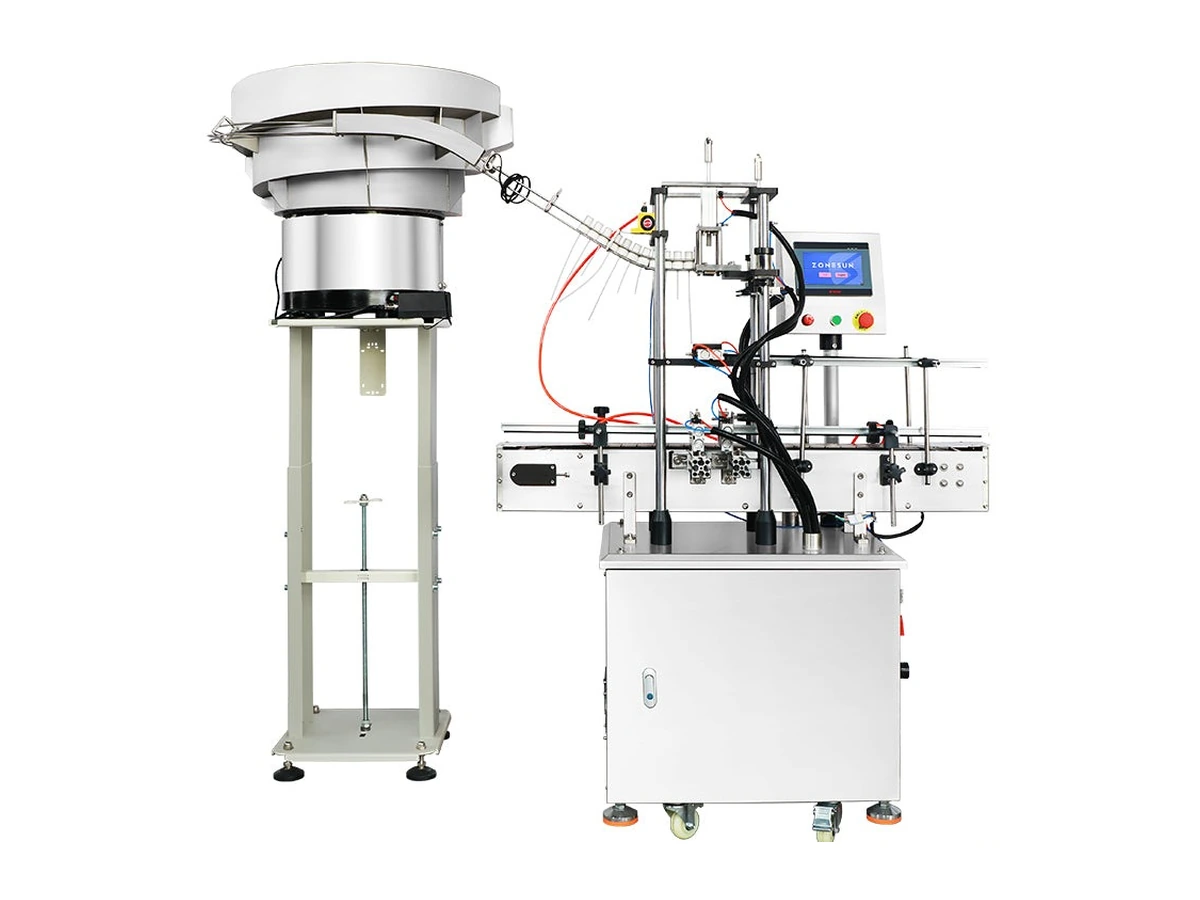
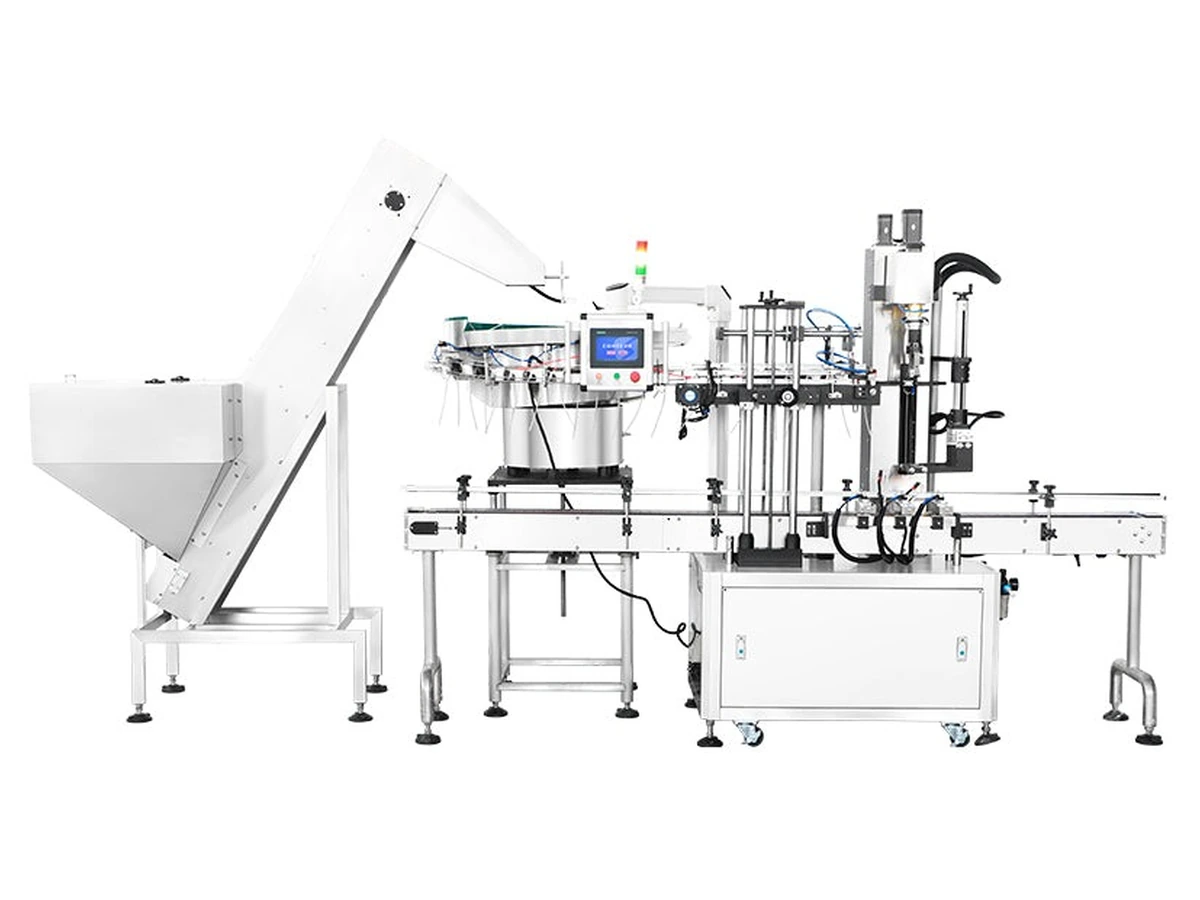
Automatic trigger capper with feed system

Shortlist

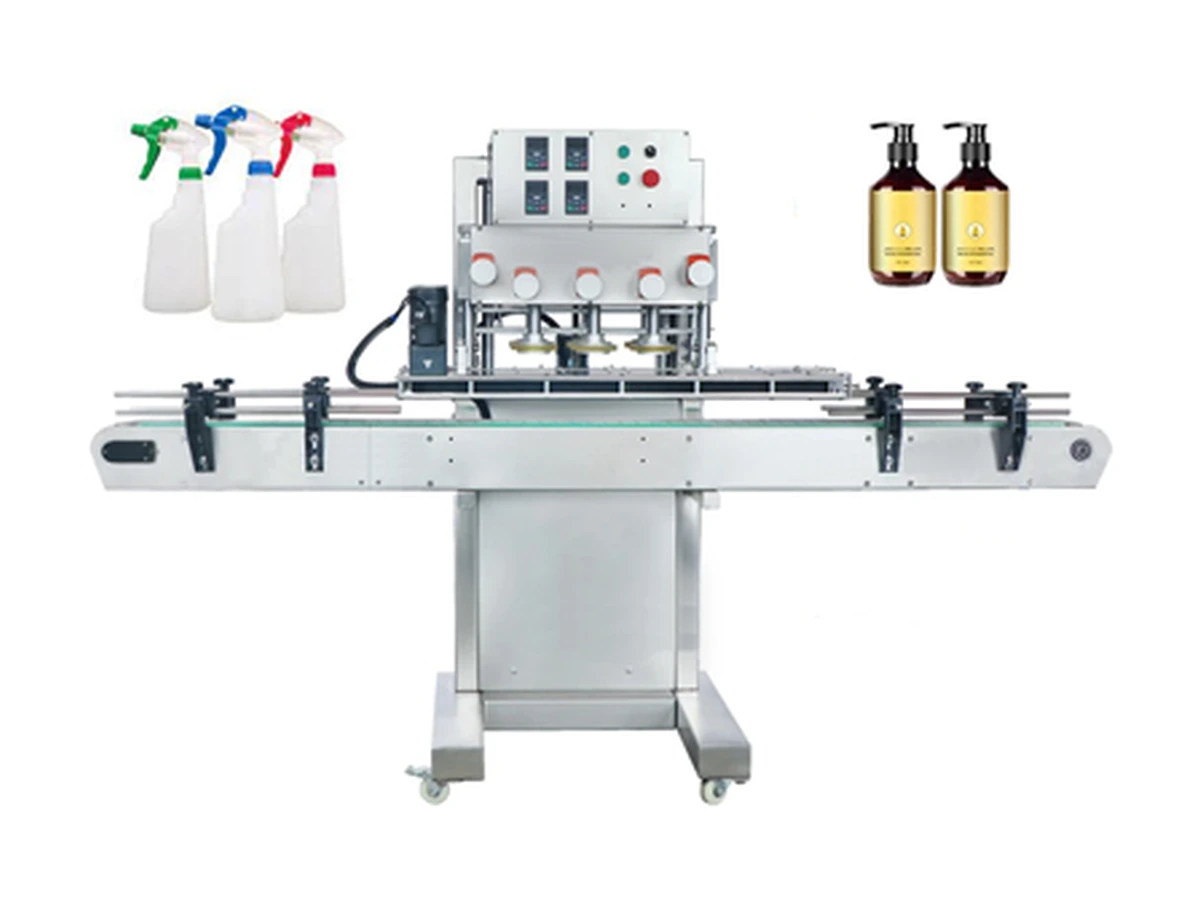
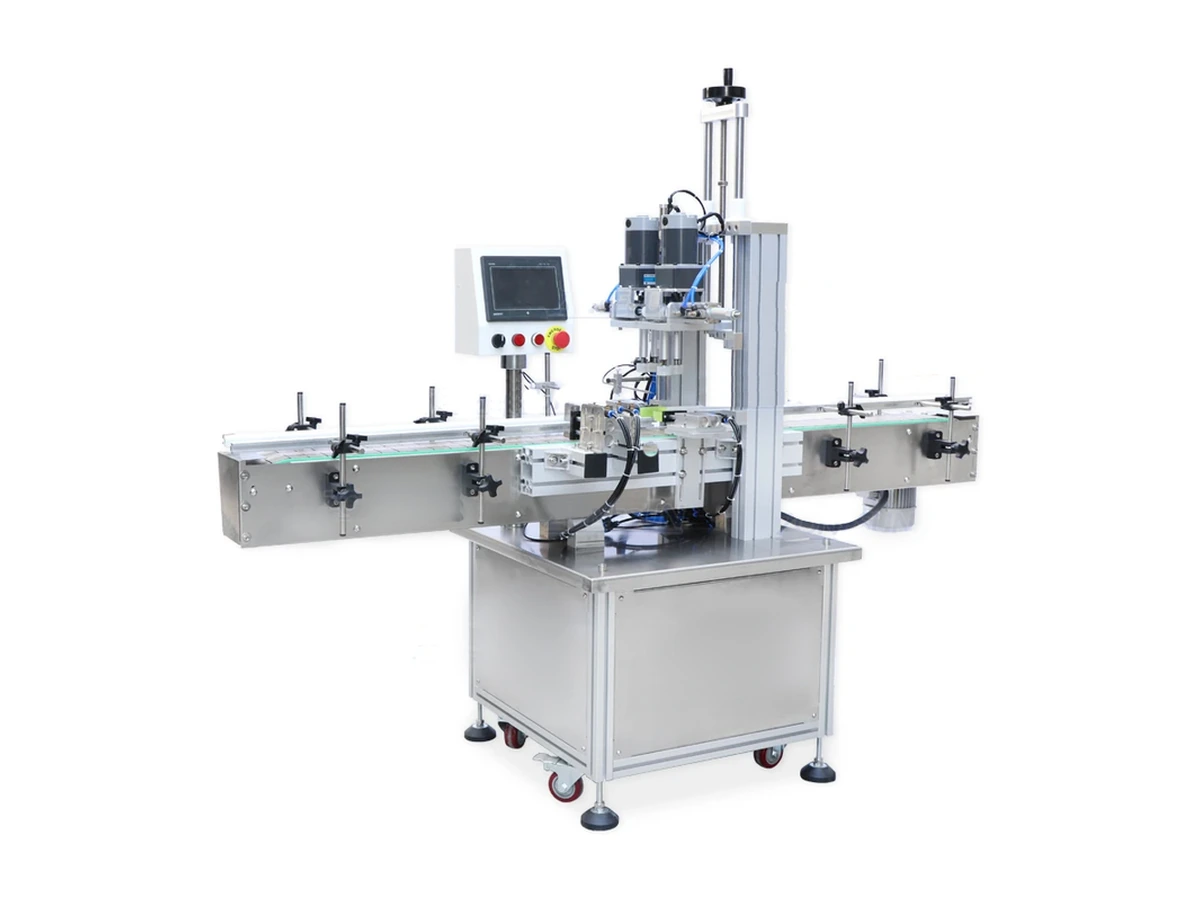
Relevant trigger and screw capping machines

These machines cover the usual routes from lower-volume cap feeding through to fully automatic capping.

Process

Typical project route

Confirm the samples

Review bottle, cap and dip tube, including tolerance variation across a production batch.

Check line conditions

Review conveyor height, bottle transfer, upstream filling and downstream labelling or coding.

Select automation level

Compare semi-automatic, compact, feeder-assisted or fully automatic capping options.

Confirm support scope

Agree installation, operator training, spare parts, change parts and commissioning requirements.

Technical buyer guide

The five machinery functions behind reliable trigger capping

Even when supplied as one guarded machine, trigger capping normally combines several distinct functions. Defining each function makes quotations easier to compare and reduces hidden assumptions.

1. Closure storage and feeding

A hopper, elevator, bowl or other feed system stores closures and meters them into the orientation process without tangling or damaging dip tubes.

2. Orientation and presentation

The trigger body and actuator must be presented consistently. Sensors and reject paths should deal with wrongly oriented or nested closures before placement.

3. Tube entry and cap placement

Guides, controlled motion and bottle support help the tube enter the neck cleanly before the thread is engaged.

4. Tightening and verification

The machine applies controlled rotation or torque, then checks cap height, presence, position or other agreed quality criteria.

Machine boundaryState whether the quote includes bulk loading, cap feeding, insertion, tightening, inspection and rejects.
ControlsConfirm recipe storage, alarms, fault history, line interlocks and access levels required by the site.
Change partsList the components needed for every bottle and closure format and how changeover settings are recorded.
GuardingDefine access doors, interlocks, safety circuits and the responsibilities for connection to adjacent machines.
DocumentationRequest manuals, drawings, electrical information, recommended spares and maintenance schedules.
TestingAgree samples, run duration, output, reject criteria and the evidence needed at factory and site acceptance.

Send your bottle and trigger cap details

We will help you compare the correct trigger capping route.

Call now01494 623015