Chemical packaging needs a practical brief
The capper should be considered alongside product properties, bottle material, closure material, working environment and the required level of cleaning or containment.

Chemical bottle capping machines
Chemical bottle capping projects need practical attention to closure type, material compatibility, bottle handling and operator workflow. Lancing can help turn the bottle and closure details into a realistic shortlist.
Buyer route
Chemical bottle capping projects need practical attention to closure type, material compatibility, bottle handling and operator workflow. Lancing can help turn the bottle and closure details into a realistic shortlist.
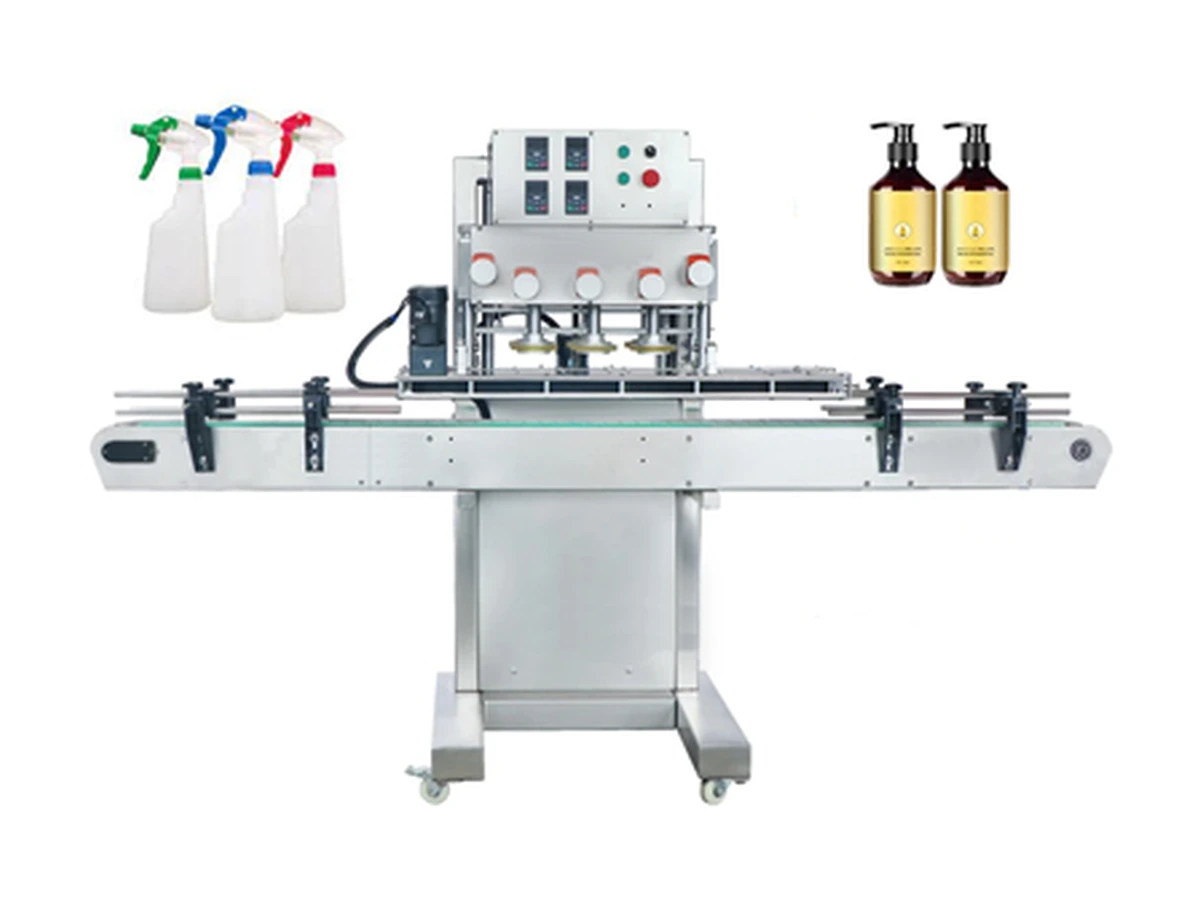
Specification notes
These are the practical factors that normally decide whether a simple capper, cap feeder, automatic trigger capper or integrated line is the right choice.
The capper should be considered alongside product properties, bottle material, closure material, working environment and the required level of cleaning or containment.
Chemical bottles may use child-resistant caps, screw caps, pump closures or trigger sprayers. Each closure family changes the capping head, torque and feeding requirements.
A good enquiry includes product type, bottle and cap samples, output requirement, available utilities and any site-specific safety considerations.
Chemical packaging projects
Chemical bottle capping projects require the same mechanical checks as other trigger lines, plus a clear review of product compatibility, spill control and the site risk assessment. Equipment requirements should be confirmed from the product and operating environment.
Review product contact from drips or spills against conveyor, guide, guarding, seals and other exposed materials. Provide the SDS and cleaning method during specification.
Use production bottles and closures because product exposure, storage and filled weight can affect rigidity, thread behaviour and sealing performance.
Define drip trays, washable areas, extraction or ventilation requirements identified by the site, and safe access for cleaning and maintenance.
Where the site risk assessment identifies a flammable atmosphere or other special hazard, suitable equipment, controls and certification requirements must be agreed before supply.
| Product/SDS | Chemical identity, concentration, temperature, viscosity, hazard information and cleaning method. |
|---|---|
| Container system | Bottle material, neck finish, closure liner/seal, trigger or pump and expected storage conditions. |
| Exposure points | Filler discharge, neck drips, spills, rejects, cleaning and maintenance activities. |
| Site classification | Any hazardous-area, ventilation, electrical, grounding or local engineering requirements. |
| Closure quality | Torque/cap height, seal performance, leak testing, tube entry and visible damage criteria. |
| Materials/finish | Required construction materials, coatings, fasteners and cleanability for exposed areas. |
| Documentation | Risk information, manuals, electrical drawings, certificates where applicable and recommended spares. |
Machine options
Use these product pages to compare the available machine families and then send Lancing your sample details for configuration advice.
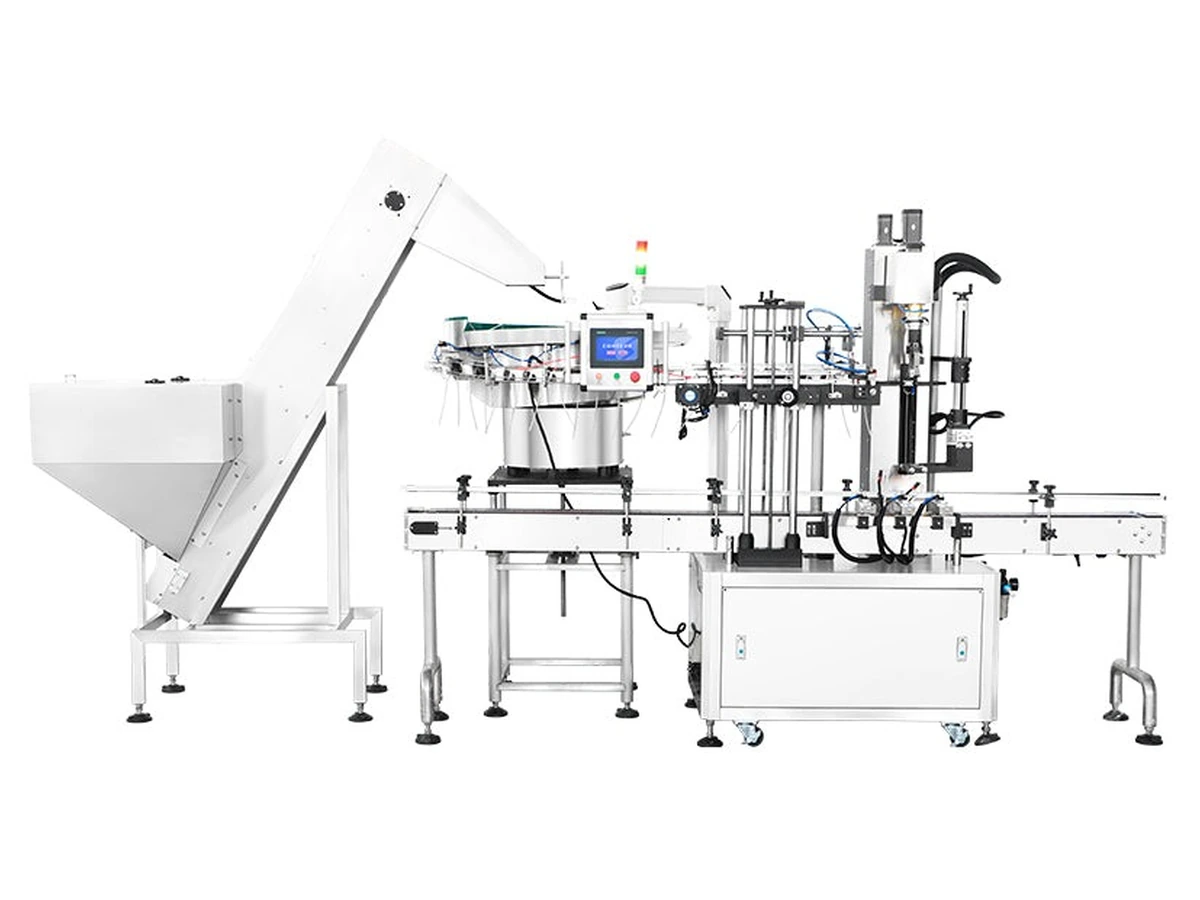
Automatic trigger capping route for cleaning, home-care and chemical bottles with trigger sprayer closures.
View machine →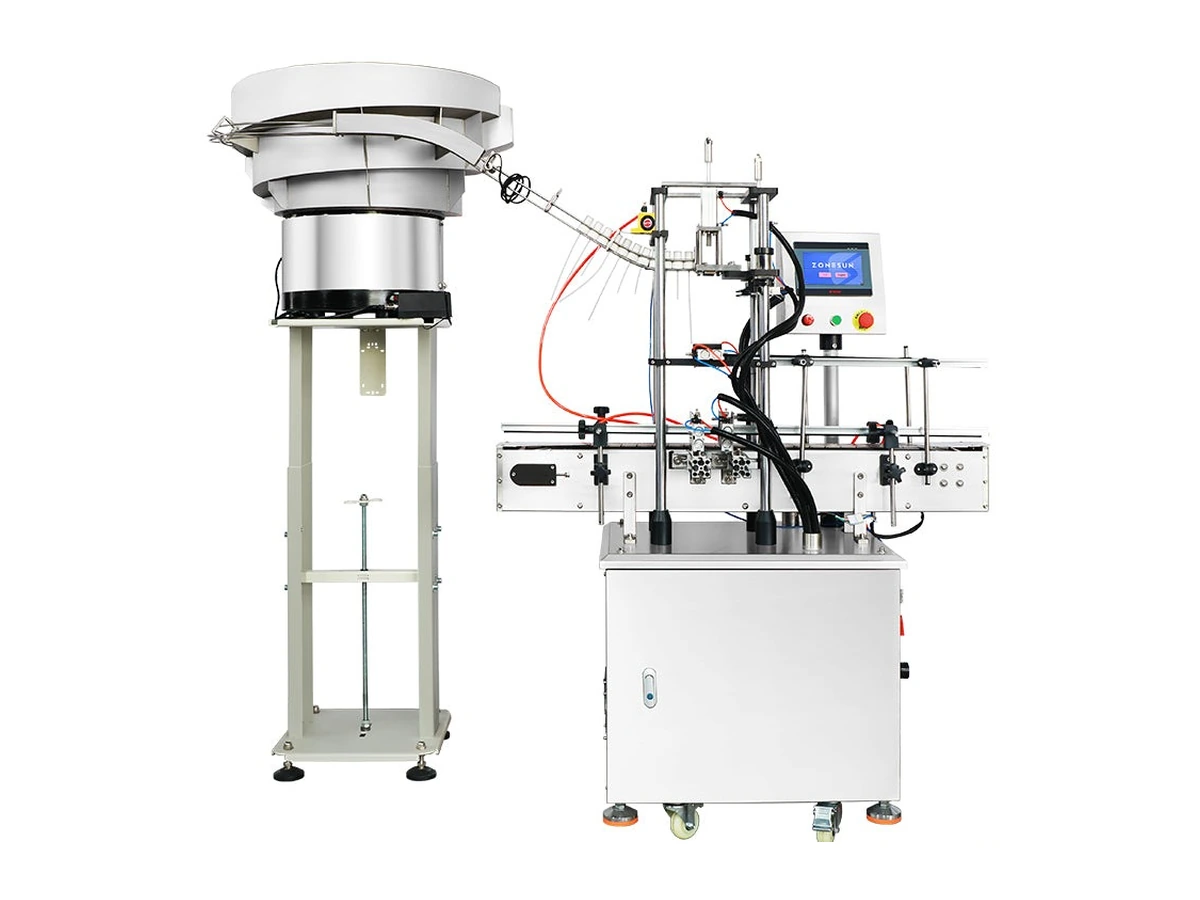
Cap feeding, orientation and dip-tube placement support for awkward trigger sprayer closures.
View machine →Inline belt/spindle capping route for higher-speed screw, spray and pump closure projects.
View machine →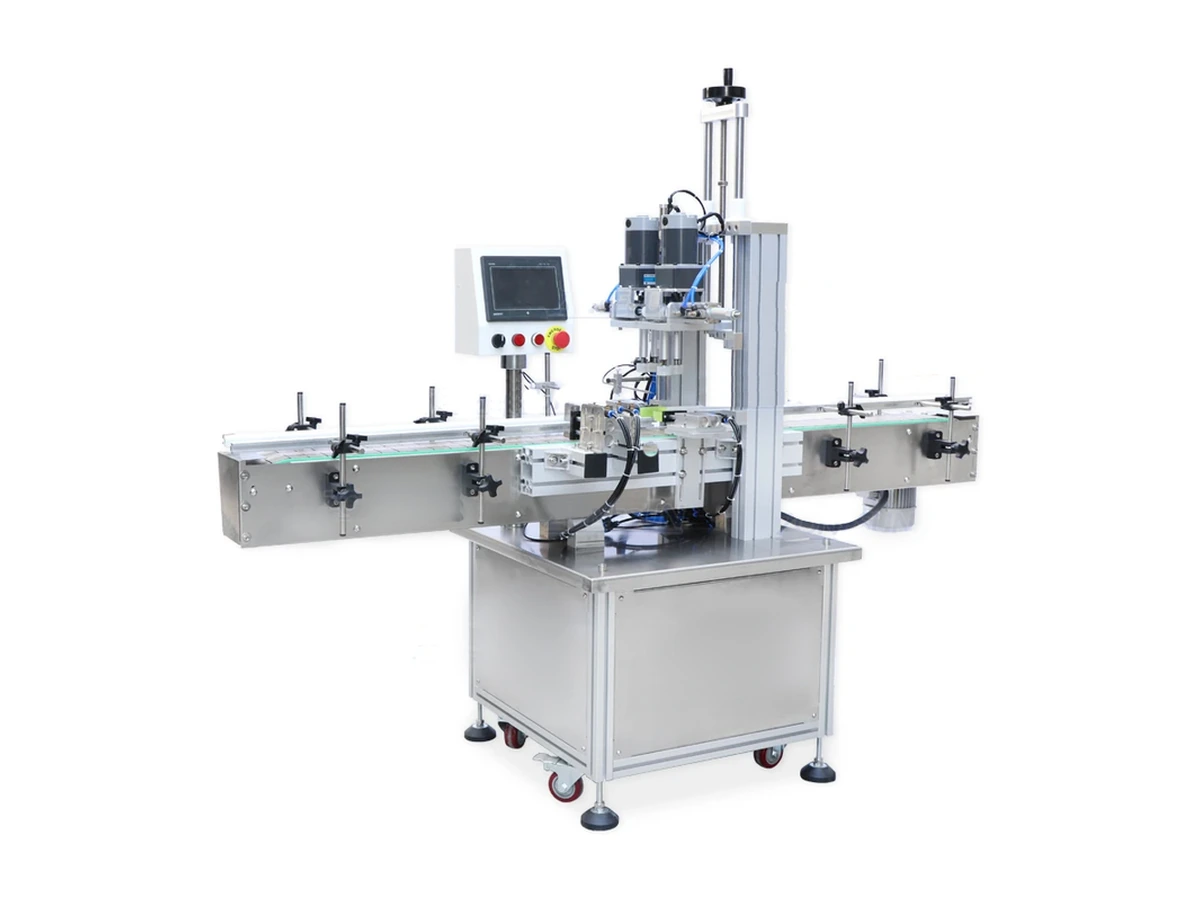
Pneumatic inline screw capper for spray, pump and screw-cap bottles with repeatable torque control.
View machine →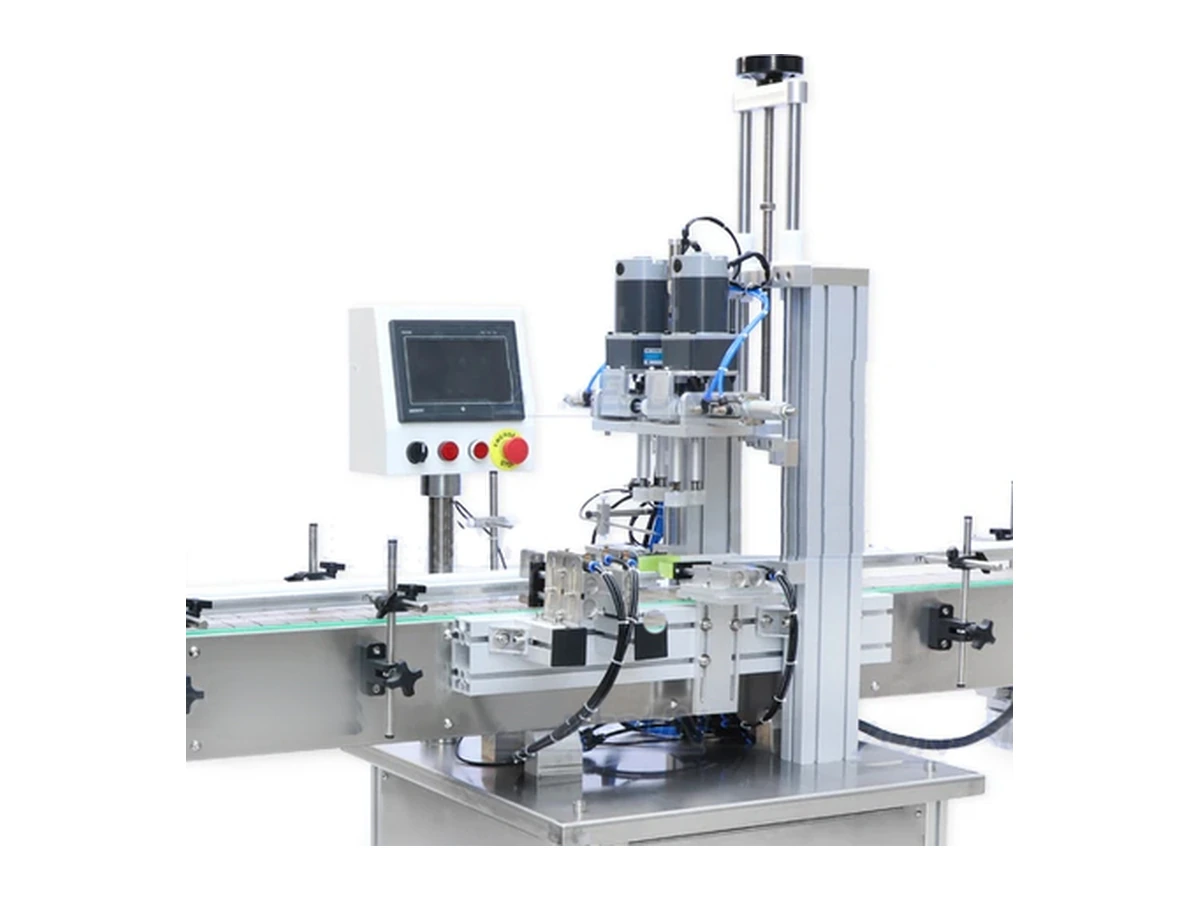
Space-saving screw capper for compact production areas, laboratories and lower-footprint lines.
View machine →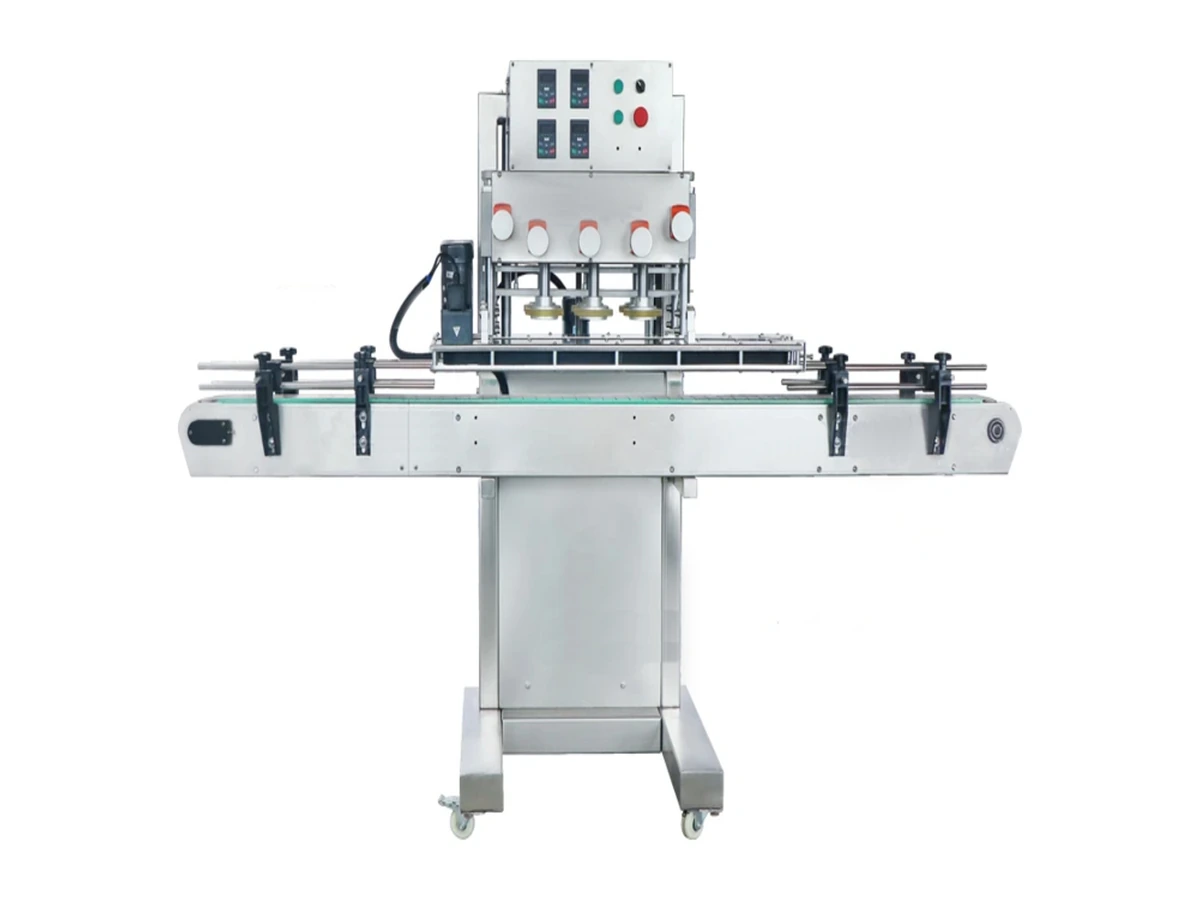
Semi-automatic capping route for smaller batches, early-stage projects and manual-assisted operation.
View machine →Related searches
These pages build the trigger-capping topic cluster and help users move from broad research into a machine enquiry.
Capping machines for cleaning products, disinfectants and home-care trigger spray bottles. Plan trigger cappers, pump cappers and line integration.
Read page →Spray bottle capping machine options for trigger sprayers, pump closures and screw caps. Compare semi-automatic and automatic capping routes.
Read page →UK trigger cappers for spray bottles, pump closures and screw caps. Compare automatic trigger capping, cap feeding, dip-tube handling and Lancing support.
Read page →Trigger capper pricing guide for UK buyers. Understand what affects cost: cap feeding, automation level, output, tooling, installation and support.
Read page →FAQs
Yes, where the trigger closure and bottle format are suitable. The product and site requirements should also be reviewed.
Provide product type, pack samples, closure details, output target, current workflow and any handling or cleaning requirements.
Lancing can discuss wider packaging machinery routes, but the right solution depends on pack size, closure and line scope.
Send the bottle, cap, tube length, output target and current line details. Lancing can help shortlist the right route.