
Thread engagement

What is pre-threading in trigger capping?

Pre-threading is the controlled initial engagement of a threaded trigger closure with the bottle neck before final tightening. Its purpose is to start the thread squarely and consistently, so the final capping stage completes the application rather than trying to correct a closure that is already tilted, trapped or cross-threaded.

Direct answer

What does pre-threading actually do?

Pre-threading establishes the first clean turns of the closure thread while the cap and bottle are aligned. It is a placement-and-engagement function, not a substitute for final tightening. The mechanism may rotate the closure, control vertical pressure or use another application method, but the result should be a square, stable closure that can be tightened without forcing the thread.

For trigger sprayers, the dip tube and asymmetric trigger body can influence the closure angle before thread engagement. The trial must therefore evaluate tube entry, cap seating and thread start together.

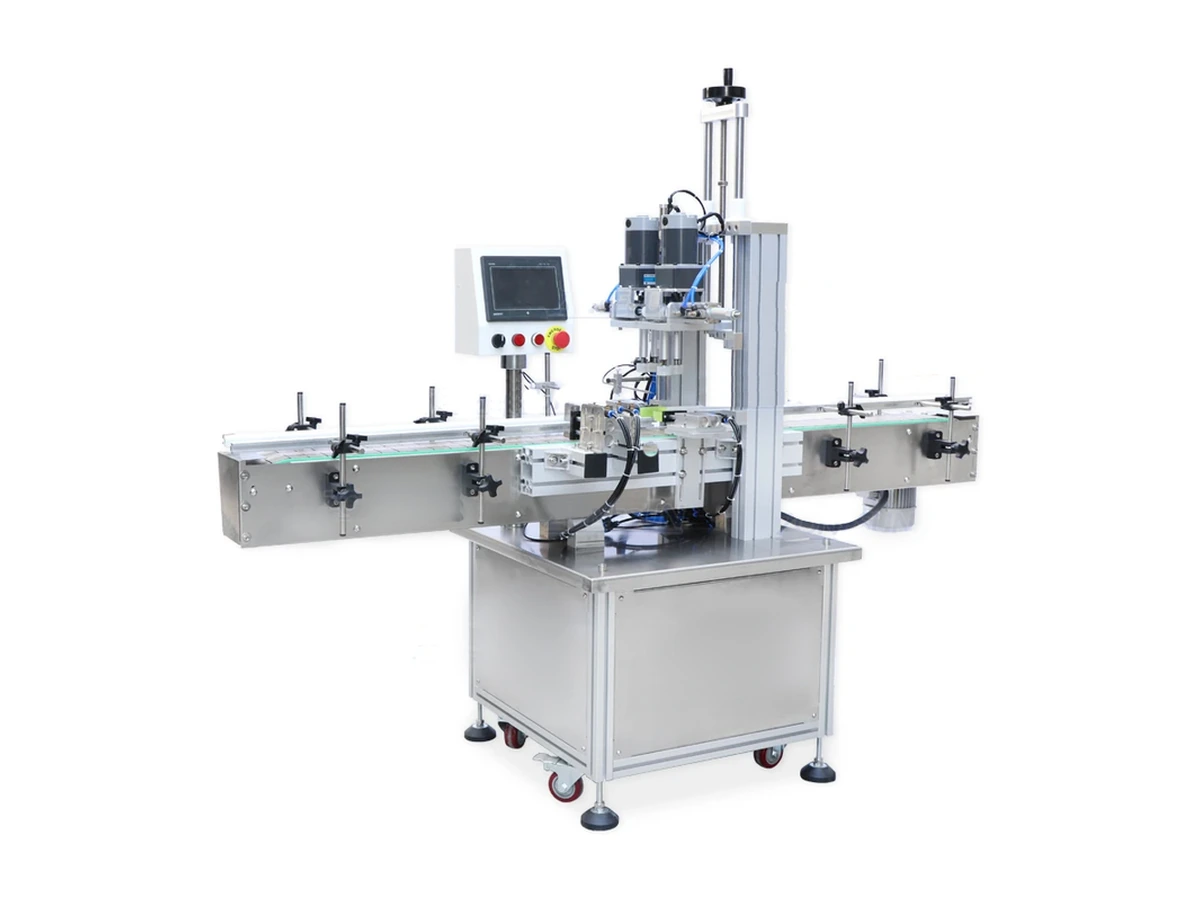
Automatic screw capping machine illustrating controlled thread engagement before final tightening

Pre-threading versus tightening

Separate the two functions in the specification

A project brief is clearer when it states what must be proved at initial engagement and what must be proved after final tightening.

StagePrimary purposeUseful checks
Closure placementBring the trigger closure onto the neck without trapping the dip tube or applying a damaging side load.Tube entry, cap angle, neck contact and component marking.
Pre-threadingStart the closure on the correct thread path while cap and bottle remain aligned.Square seating, clean engagement, repeatability and absence of thread damage.
Final tighteningComplete the closure application to the agreed pack-quality condition.Torque or approved alternative, cap height, appearance and functional checks.

How is pre-threading different from final torque?

Pre-threading is concerned with correct engagement; final torque is concerned with completing the tightened closure condition. A closure can receive a torque value after starting on the wrong thread, so the acceptance method should combine thread, height and appearance checks rather than treating torque as the only evidence.

What causes a closure to start crooked?

Common contributors include cap skew at placement, bottle movement, a dip tube pushing the closure sideways, inconsistent neck or closure geometry, excessive vertical force before engagement, and tooling that does not support the approved component range. The cause should be identified with representative samples rather than masked by more tightening force.

How should pre-threading be checked during a trial?

Pause or observe the process before final tightening where the machine design allows, then inspect seating angle, thread start, cap height and component condition. Run the approved component extremes, include normal feeder replenishment and retain affected packs from stops or adjustments for separate inspection.

Does every trigger closure need the same pre-threading method?

No. Neck finish, closure thread, trigger-body geometry, dip-tube behaviour and the allowed orientation can change the suitable engagement method. Lancing needs the actual bottle and trigger samples, plus drawings where available, to confirm the machinery route and trial method.

Call now01494 623015