Best used when
The bottle, cap and output target fit this machine route better than a generic capper or a fully bespoke line.

Desktop semi-automatic screw capper with automatic bottle clamping, manual/automatic cycling and stable torque control for smaller batches.
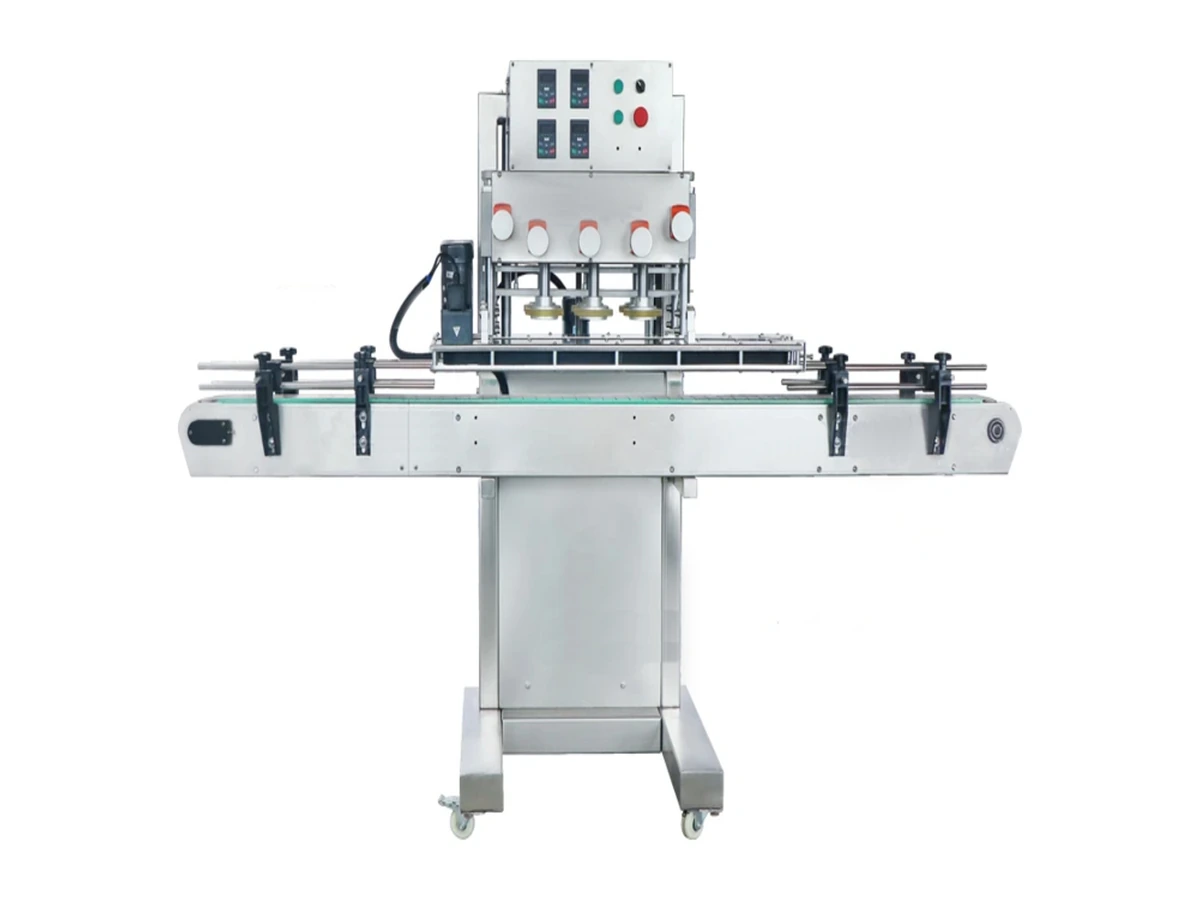
Machine intent
This page is focused on semi-automatic screw capping. It is relevant when an operator can place the cap and the machine is needed for consistent tightening, bottle support and repeatable output on smaller batches.
The bottle, cap and output target fit this machine route better than a generic capper or a fully bespoke line.
Send cap samples, bottle samples, closure dimensions, tube length where relevant and the target output so tooling and configuration can be checked.
Use the quote form or call Lancing to compare this machine against the other trigger capping and spray bottle capping options.
Machine overview
Desktop semi-automatic screw capper with automatic bottle clamping, manual/automatic cycling and stable torque control for smaller batches.
Applications
This machine is normally considered where the closure family, output target and container format need a practical balance between automation, operator involvement and changeover flexibility.
Specifications
Final machine configuration, guarding, conveyor height and options should be confirmed against your actual bottle and cap samples.
| Model | LU-XG6100 |
|---|---|
| Bottle height | 100–300mm |
| Cap diameter | 20–60mm, custom up to 90mm |
| Working speed | 20–60 bottles/min, format-dependent |
| Working mode | Manual / Automatic |
| Voltage | AC 220/110V, 50–60Hz |
| Power | 120W |
| Machine size | 475 × 350 × 500mm |
| Net / gross weight | Approx. 28kg / 35.5kg |
Before quotation
Better samples and project data reduce guesswork and make the first proposal more accurate.
Send photos, drawings or physical samples showing cap diameter, closure style, thread and dip-tube length where relevant.
Confirm target bottles per minute or bottles per hour, plus whether the line is manually loaded or fully automatic.
Confirm available footprint, conveyor height, upstream filling equipment and downstream labelling or packing stages.
Related machines
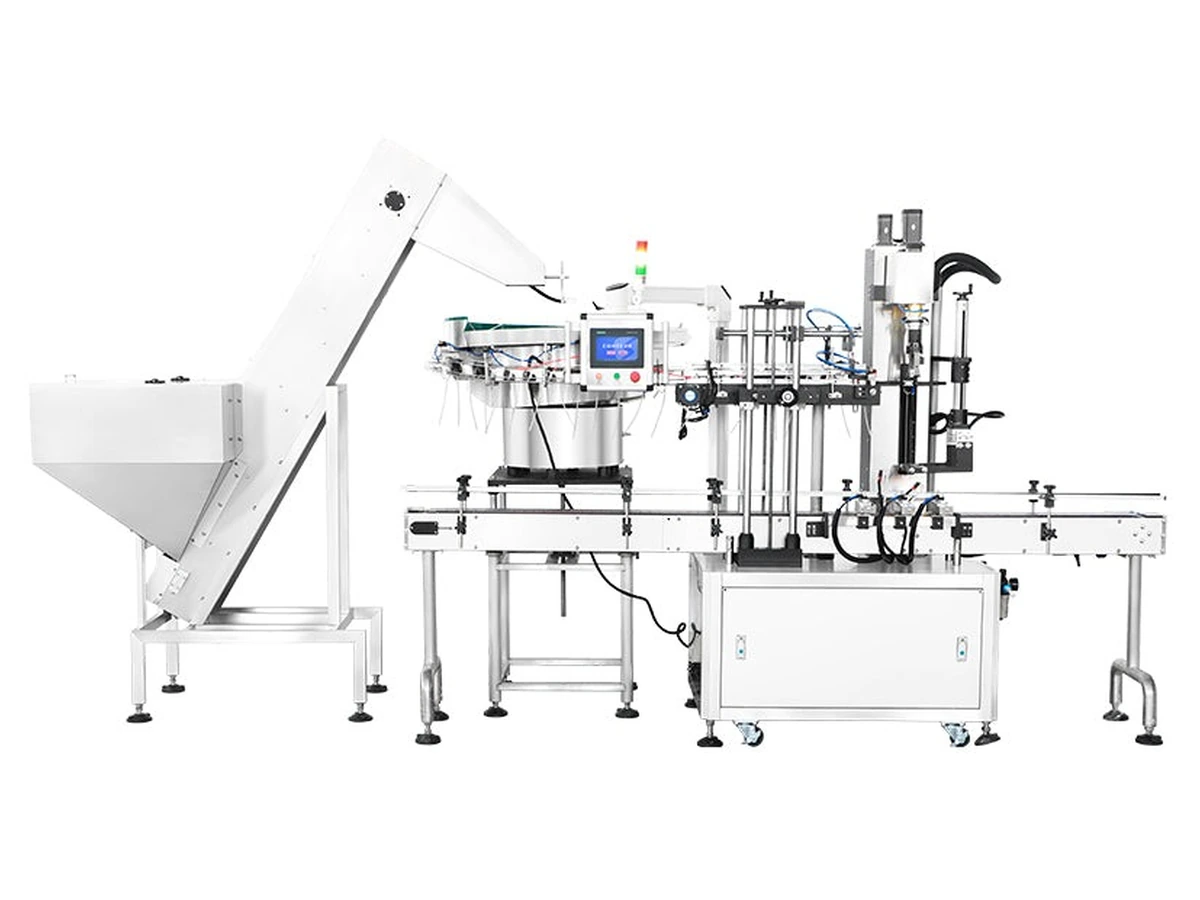
Automatic trigger-sprayer capping system for cleaning, care and chemical bottles requiring stable cap presentation and repeatable closure control.
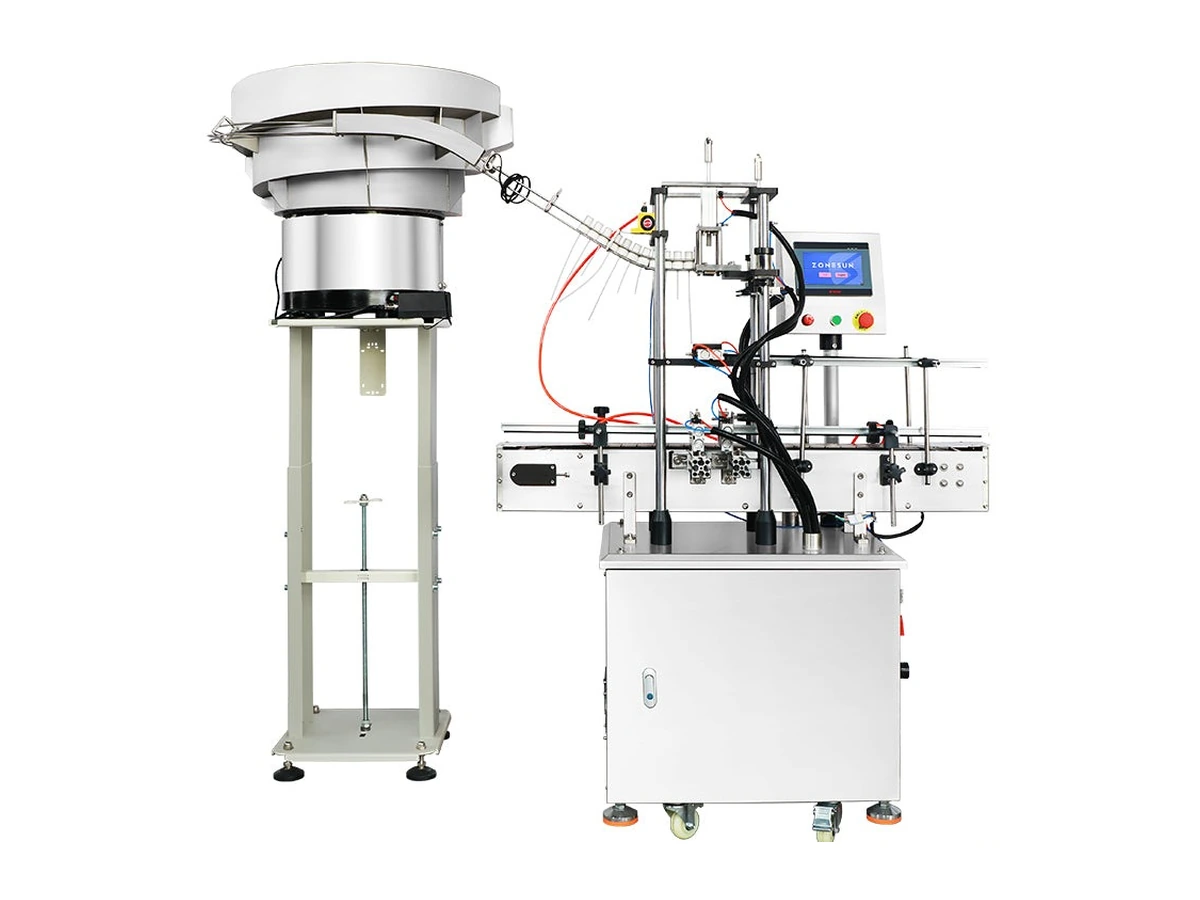
Vibratory bowl trigger-spray cap feeding and placement equipment for bottles with soft dip tubes and awkward trigger closure geometry.
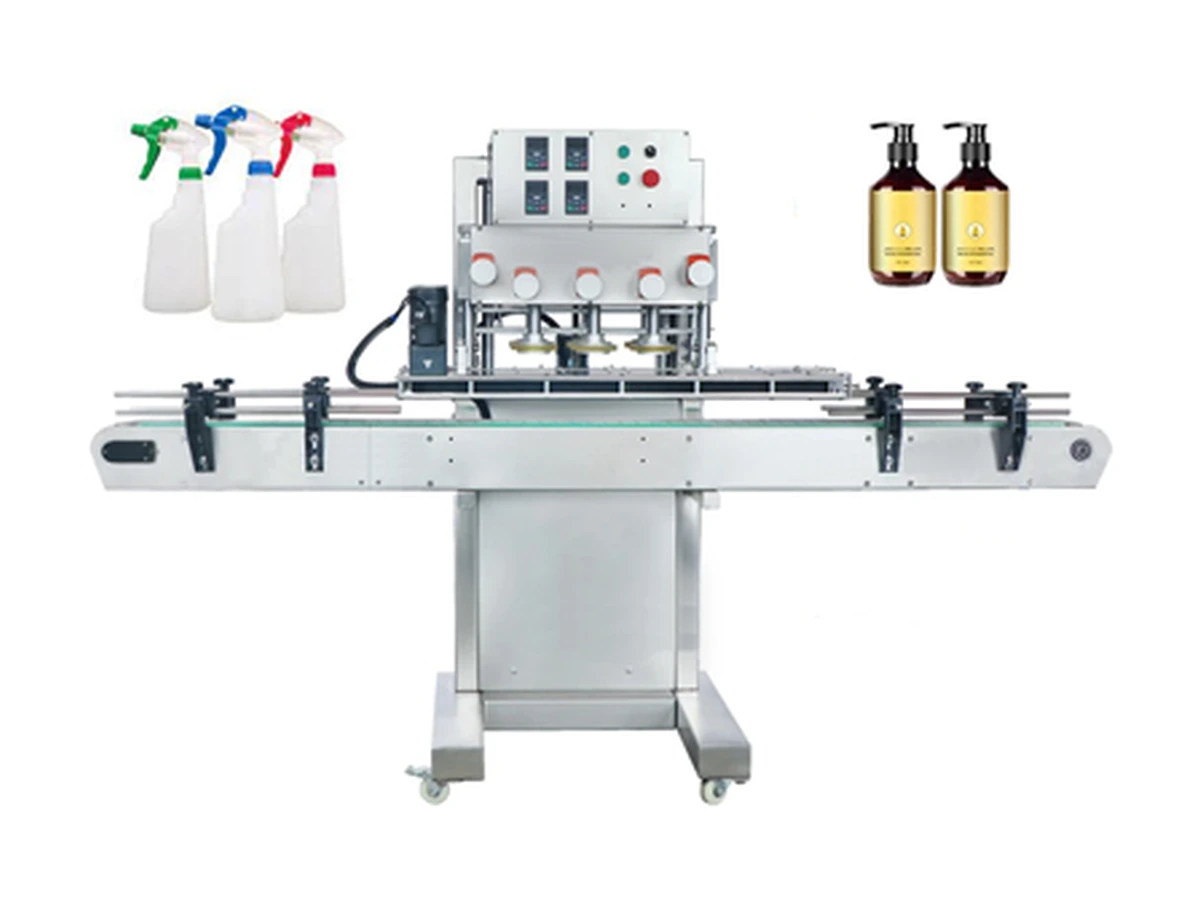
High-speed inline belt/spindle screw capper for round plastic bottles, with guided side-belt transport and cap feeding options.
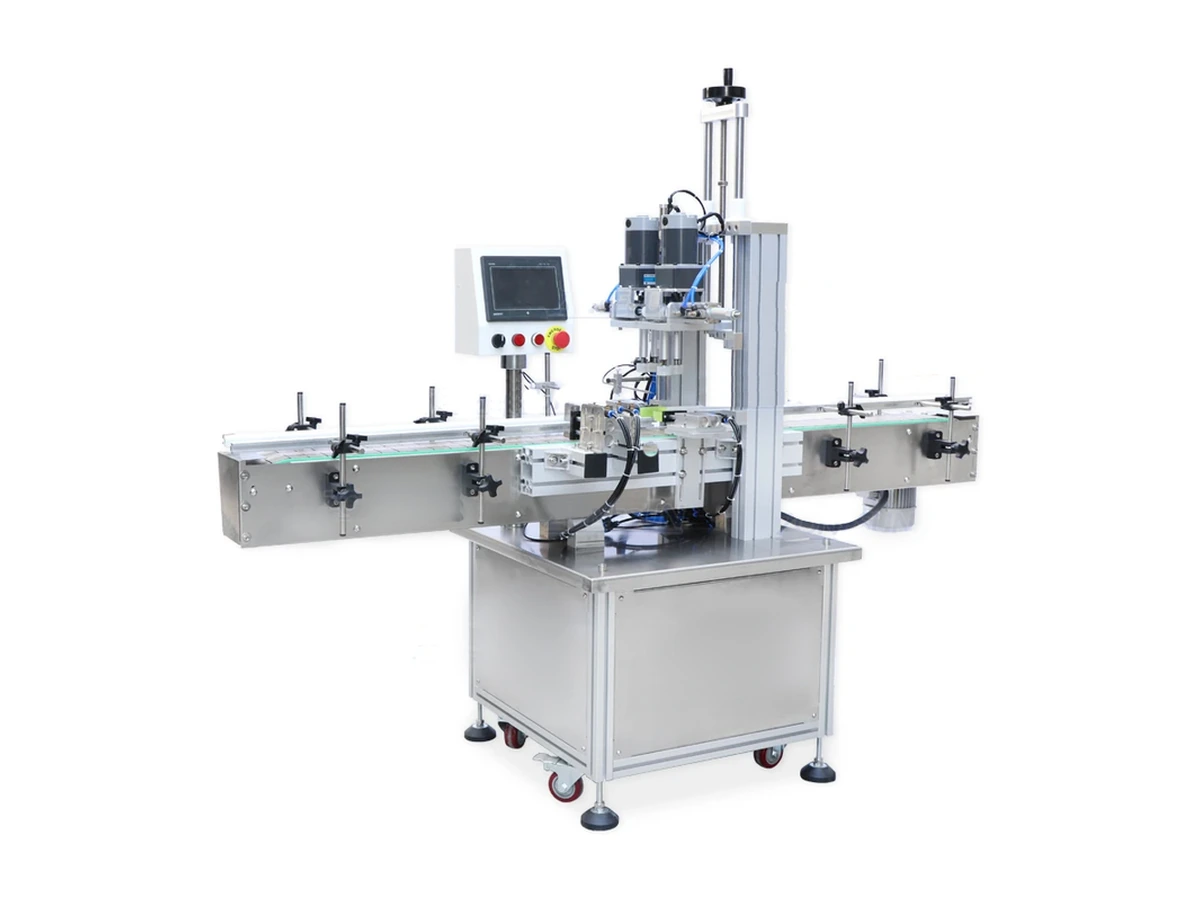
Pneumatic inline screw capping machine for spray, pump and screw-cap bottles with adjustable fixtures and repeatable torque control.
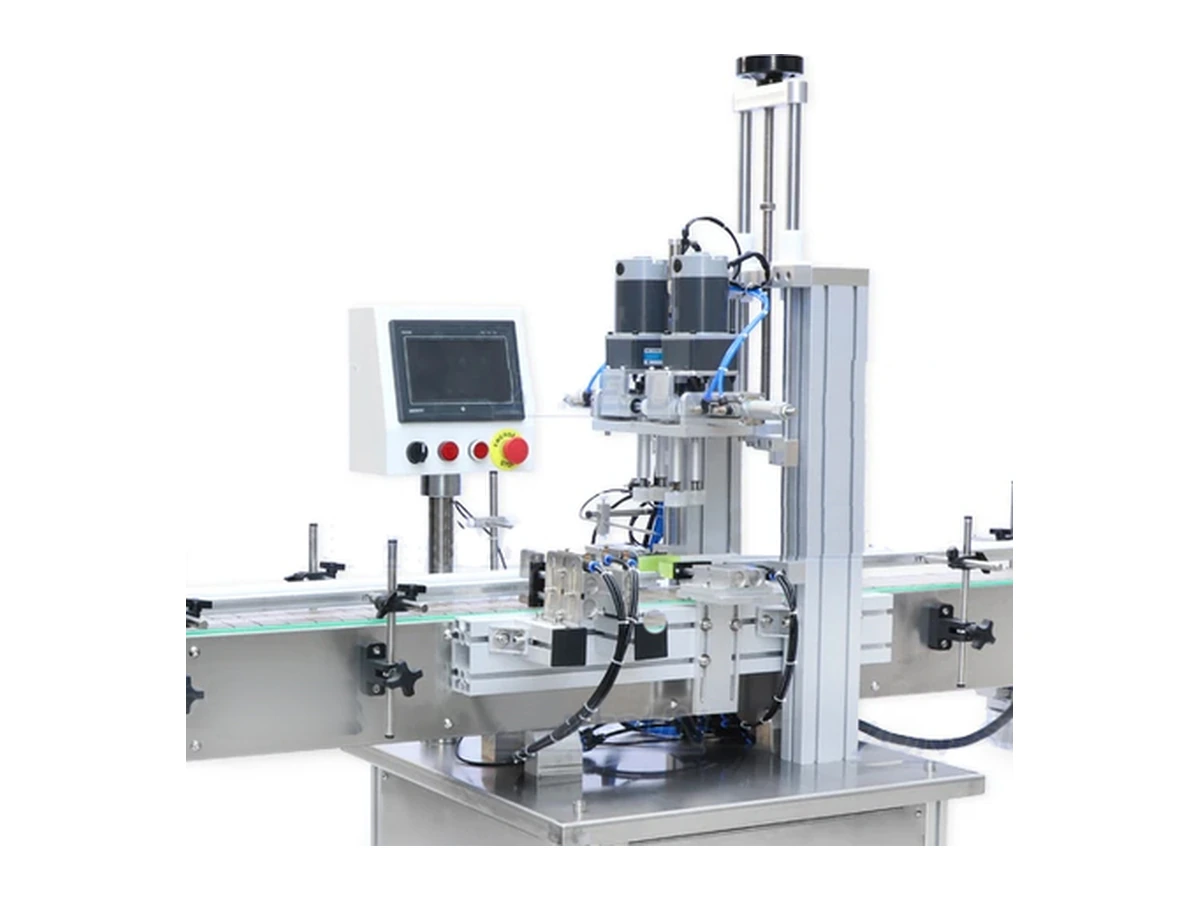
Space-saving screw capper for smaller production areas, laboratories and compact lines running sprays or standard screw caps.
Send bottle, cap, closure sample and output target to Lancing UK.
Operator-controlled capping
The LU-XG6100 lists a 20–60 bottles/min format-dependent reference. In semi-automatic production, real accepted output also depends on how quickly the operator can pick, orient and place closures, present bottles, remove finished packs and perform checks without unsafe or fatiguing work.
| Operating factor | What to define | How to verify |
|---|---|---|
| Cap placement | Whether the operator places simple screw caps, pump closures or trigger sprayers with dip tubes. | Timed representative work using production components, not loose mechanical cycles. |
| Bottle presentation | How the bottle is located and clamped, including the least stable filled format. | No tipping, twisting, crushing or unsafe hand position during the full cycle. |
| Chuck/tool contact | Which cap surfaces can be gripped without marking or actuator damage. | Approved appearance sample and repeatable cap-height/torque result. |
| Manual/automatic mode | How the cycle is initiated and what safeguards prevent unexpected movement. | Operator training and demonstration of normal start, stop and reset. |
| Batch output | Required accepted bottles per batch, shift pattern, breaks and inspection duties. | Representative timed run including normal cap/bottle replenishment. |
| Changeover | Chuck, guide, clamp, height and setting changes for every SKU. | Documented setup and first-off approval before the next batch. |
A semi-automatic machine should reduce inconsistent hand tightening without creating awkward repeated lifting, reaching or tube insertion. Arrange bottle and cap staging so the operator can maintain quality and safe posture through a representative batch.
Semi-automatic questions
No. It is a format-dependent reference. Sustained accepted output depends on cap placement, bottle presentation, operator work, replenishment and quality checks.
Yes for suitable batch work, but tube insertion, trigger orientation, ergonomics and the required output must be assessed with the real pack.
It locates the bottle and resists rotation during tightening. The clamp contact and force must suit the bottle shape, material and filled weight.
Use the same calibrated method, sample timing and acceptance window for each format. The machine setting alone is not a finished-pack measurement.
Normal loading, cycle initiation, adjustment limits, first-off inspection, safe stop/reset, jam boundaries, cleaning and escalation for abnormal packs.
When manual placement cannot sustain the required output or consistency, or when tube/orientation handling needs a controlled automated route.