Quote checklist

Trigger capper quote checklist for accurate machinery guidance

Use this checklist before asking for trigger capping machine pricing so the recommendation is based on the real pack, closure and production requirement.

Buyer guidance

What this page helps you decide

Use this checklist before asking for trigger capping machine pricing so the recommendation is based on the real pack, closure and production requirement.

  • Bottle and cap samples
  • Dip-tube length and cap geometry
  • Target bottles per minute or bottles per hour
  • Product type, filled weight and line layout
  • Format range, changeovers and future growth
Trigger capper quote checklist for accurate machinery guidance

Specification notes

Practical points before shortlisting machinery

These notes are written for buyers comparing a real trigger capping project, not for generic catalogue browsing.

Why the brief matters

A vague enquiry usually produces a vague shortlist. Trigger capping machinery depends on the cap geometry, bottle stability, dip tube, output target and level of automation. Providing these details early helps Lancing compare the right routes and reduces the risk of under-specifying or over-specifying the machine.

Details to include

Send bottle drawings or photos, filled bottle weight, cap samples, tube length, neck finish, product type, output target, number of SKUs, expected run length, available space, utilities and whether the machine must connect to existing conveyors or filling equipment. If you already have a preferred automation level, include that too.

Useful samples and evidence

Physical bottle and cap samples are best. Short videos of the current manual process can also help identify handling issues. If the project is replacing an existing machine, explain what works, what fails and what output or reliability improvement is required.

Request for quotation

Give every supplier the same technical and commercial scope

A structured enquiry reduces assumptions and makes quotations easier to compare. The strongest brief includes representative samples, a complete SKU matrix and measurable acceptance criteria.

Product and pack data

Provide bottle and closure drawings where available, production samples, filled weights, tube details and product/SDS information relevant to equipment selection.

Production and changeovers

State sustained output, shift pattern, batch sizes, SKU sequence, expected growth and target changeover time.

Site and integration

Include layout, conveyor height/direction, utilities, access, upstream/downstream machines, control interfaces and installation constraints.

Commercial and acceptance scope

Ask suppliers to state inclusions, exclusions, assumptions, FAT/SAT, delivery, installation, training, warranty, spares and support.

SamplesRepresentative bottles and closures from normal production, including worst-case accepted variation.
SKU matrixOne row for every bottle/closure/product combination and planned future format.
Required outputSustained accepted bottles per minute/hour and the conditions under which it will be measured.
Quality criteriaCap presence, height, torque, thread engagement, tube condition, leaks, orientation and reject limits.
Machine scopeFeeding, placement, tightening, inspection, rejects, conveyors, guarding and controls.
TestingSample quantity, run duration, product or substitute, replenishment, changeover and evidence required.
Site workDelivery, offload, positioning, services, integration, commissioning, training and production support.
AftercareDocumentation, recommended spares, warranty, response route, service options and software backup.

Machine options

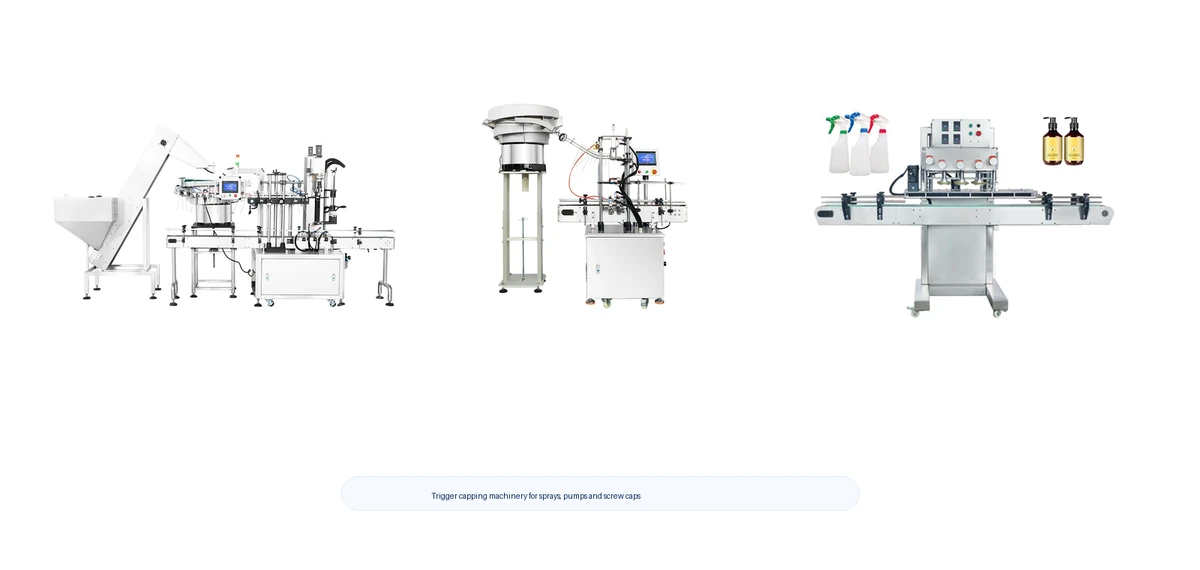
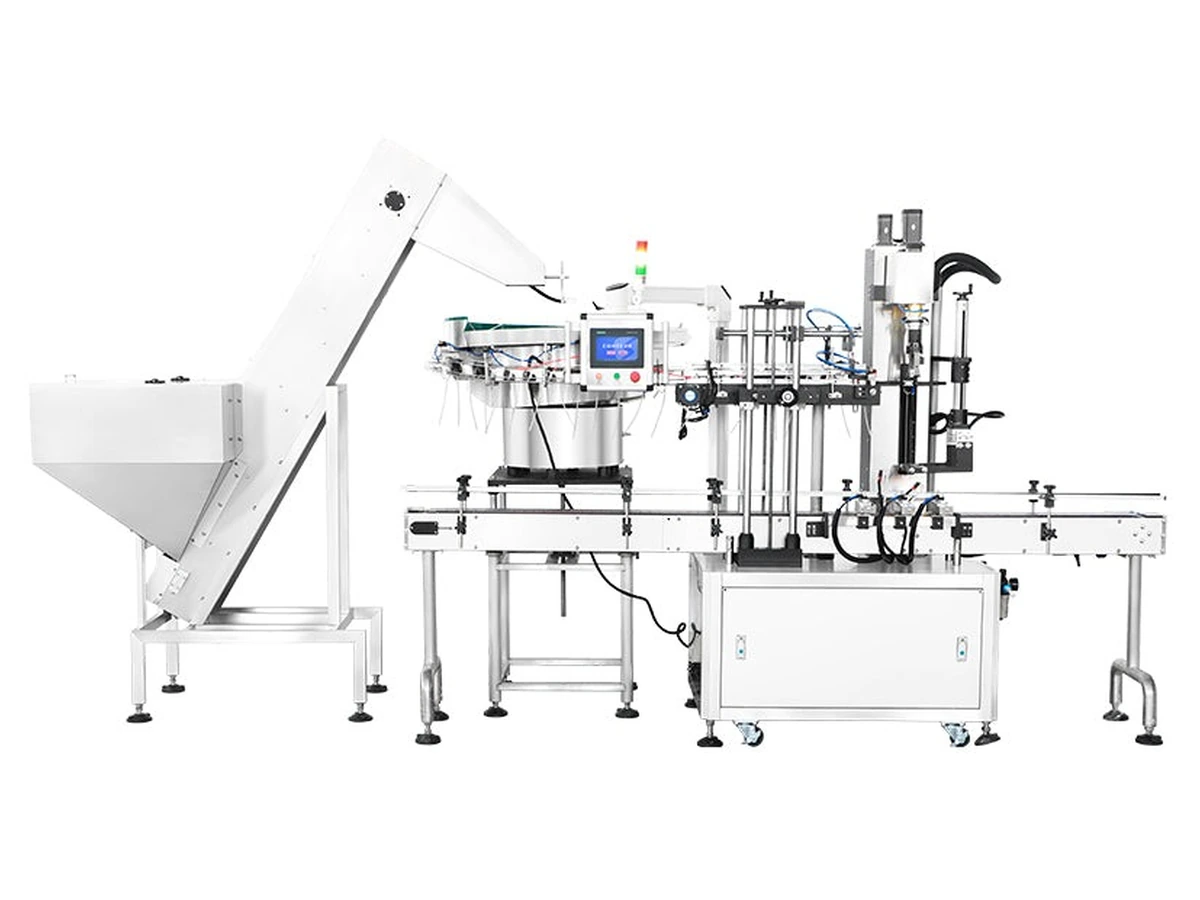
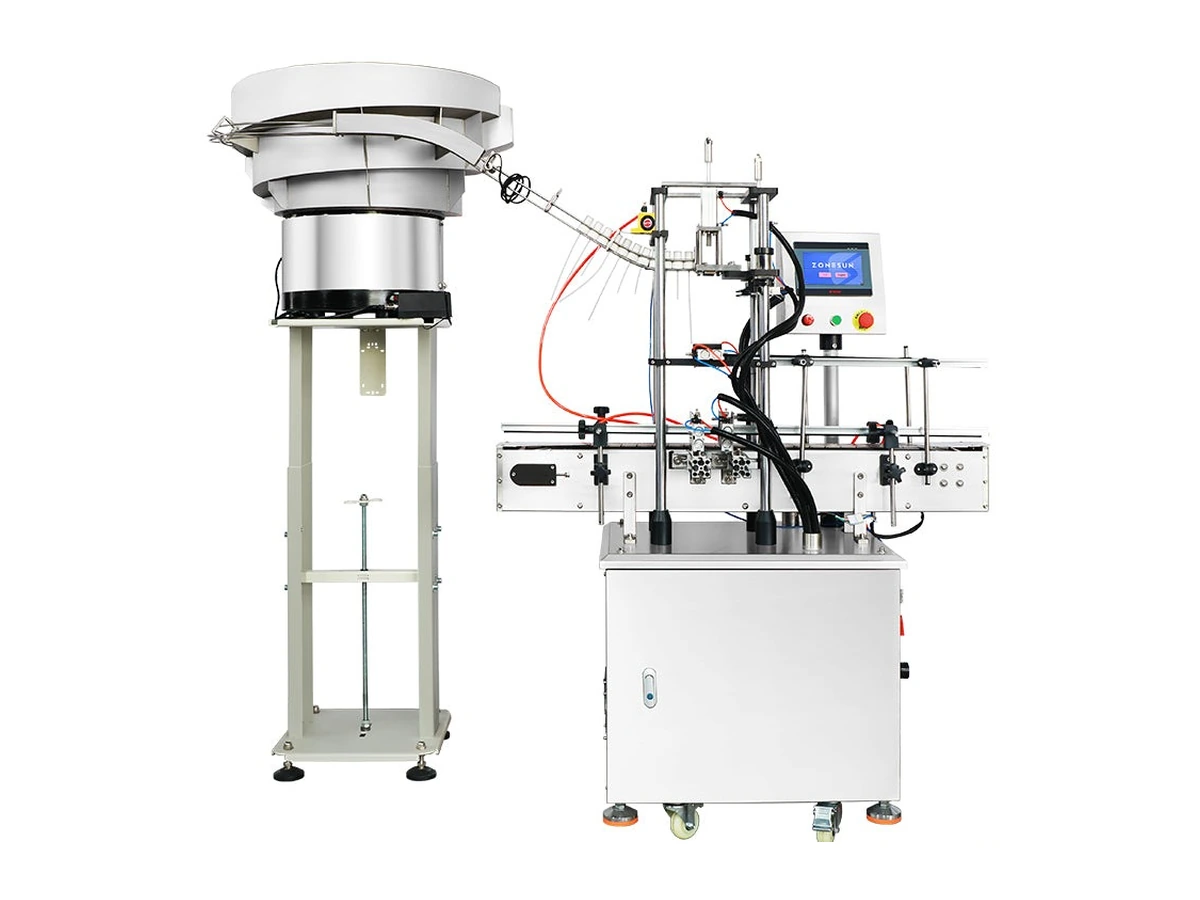
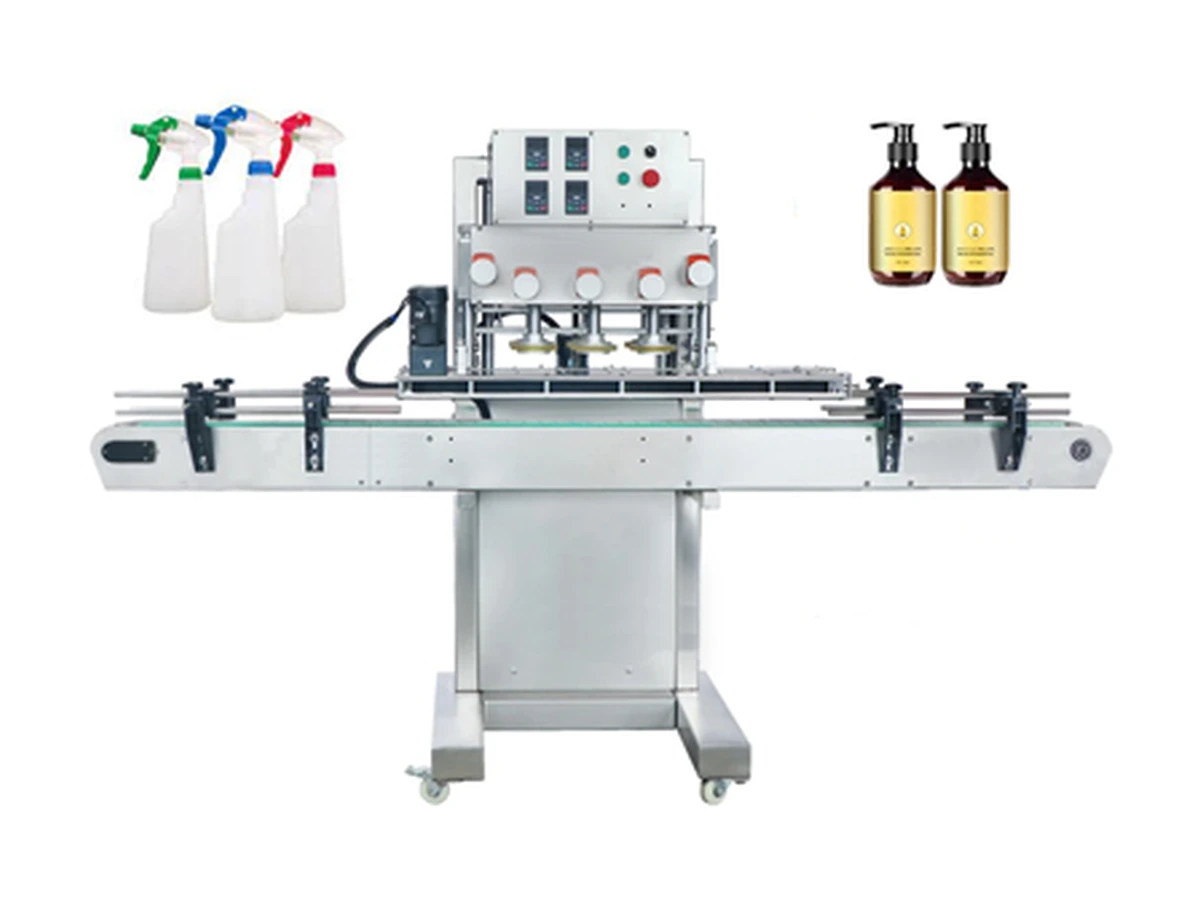
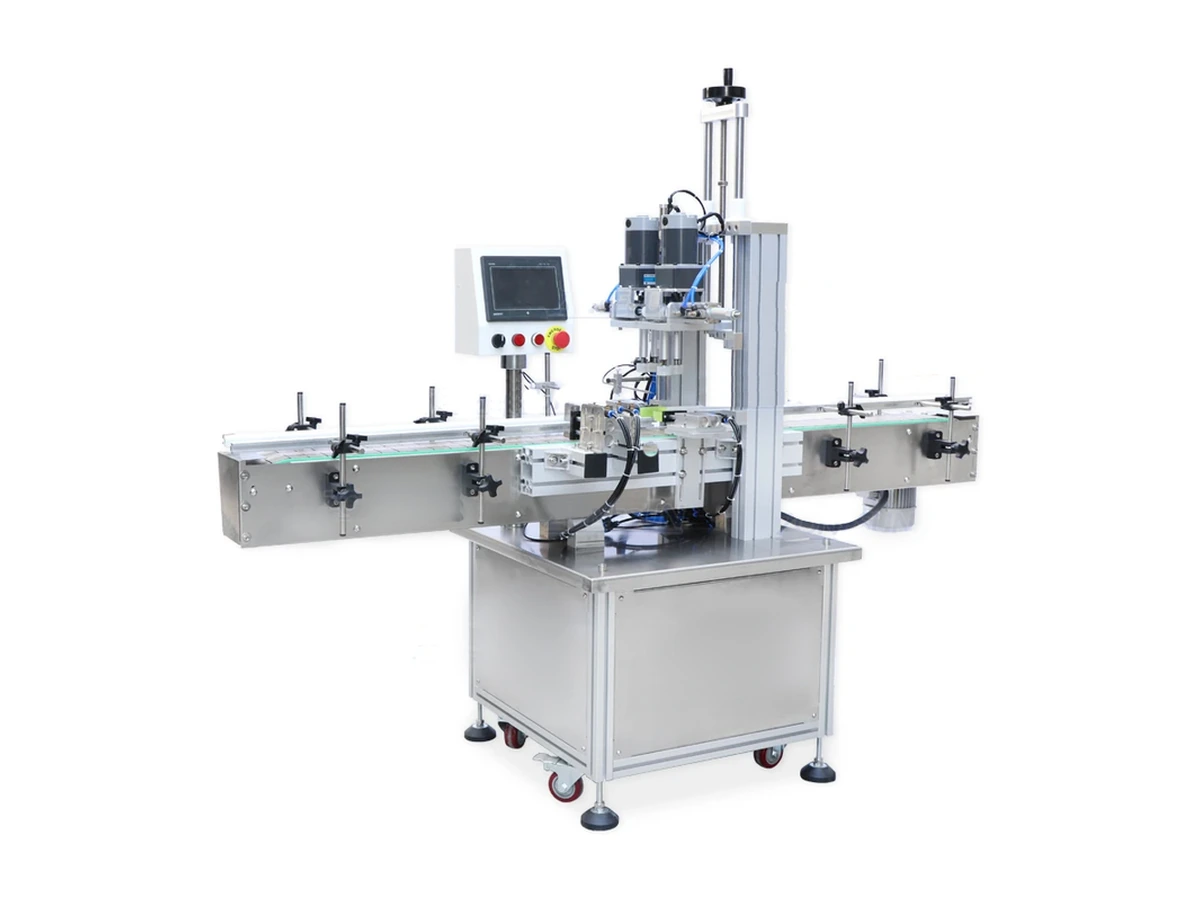
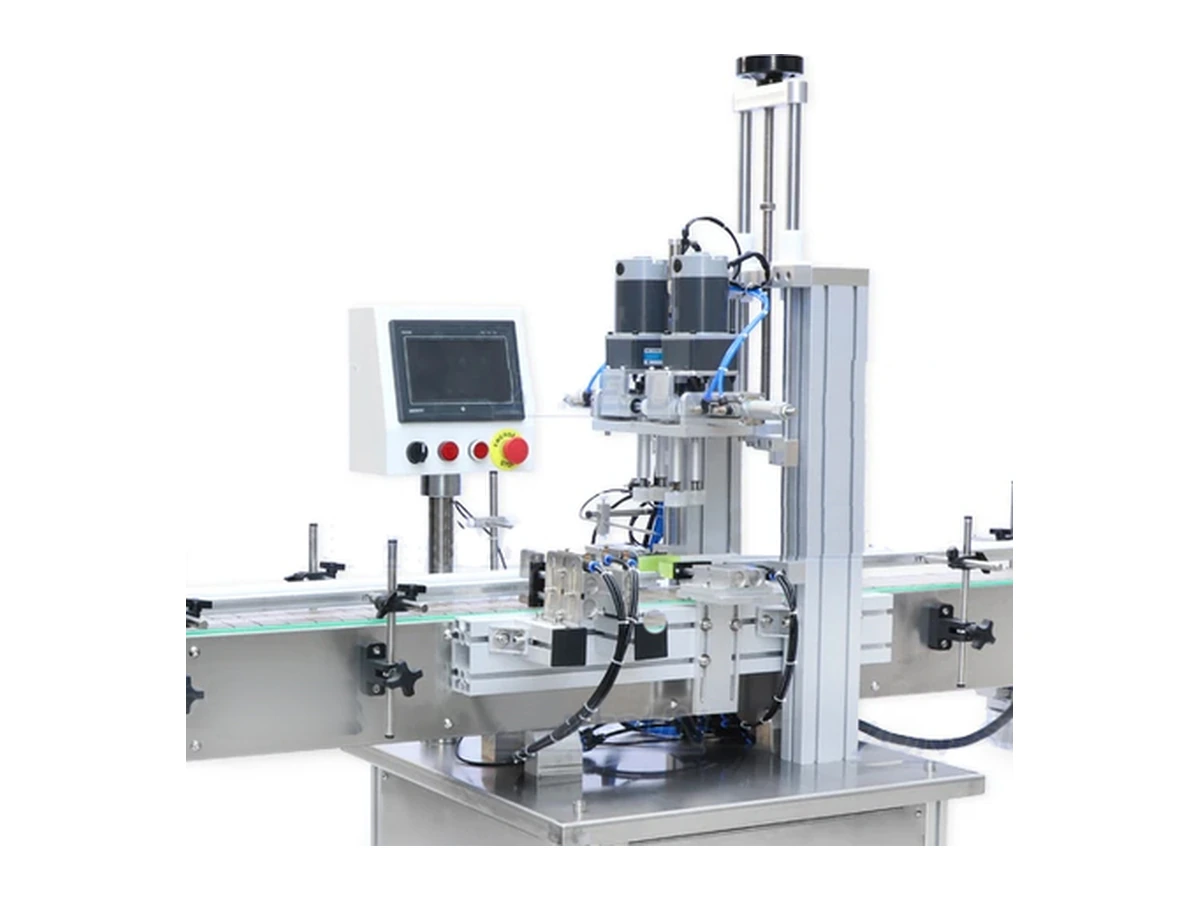
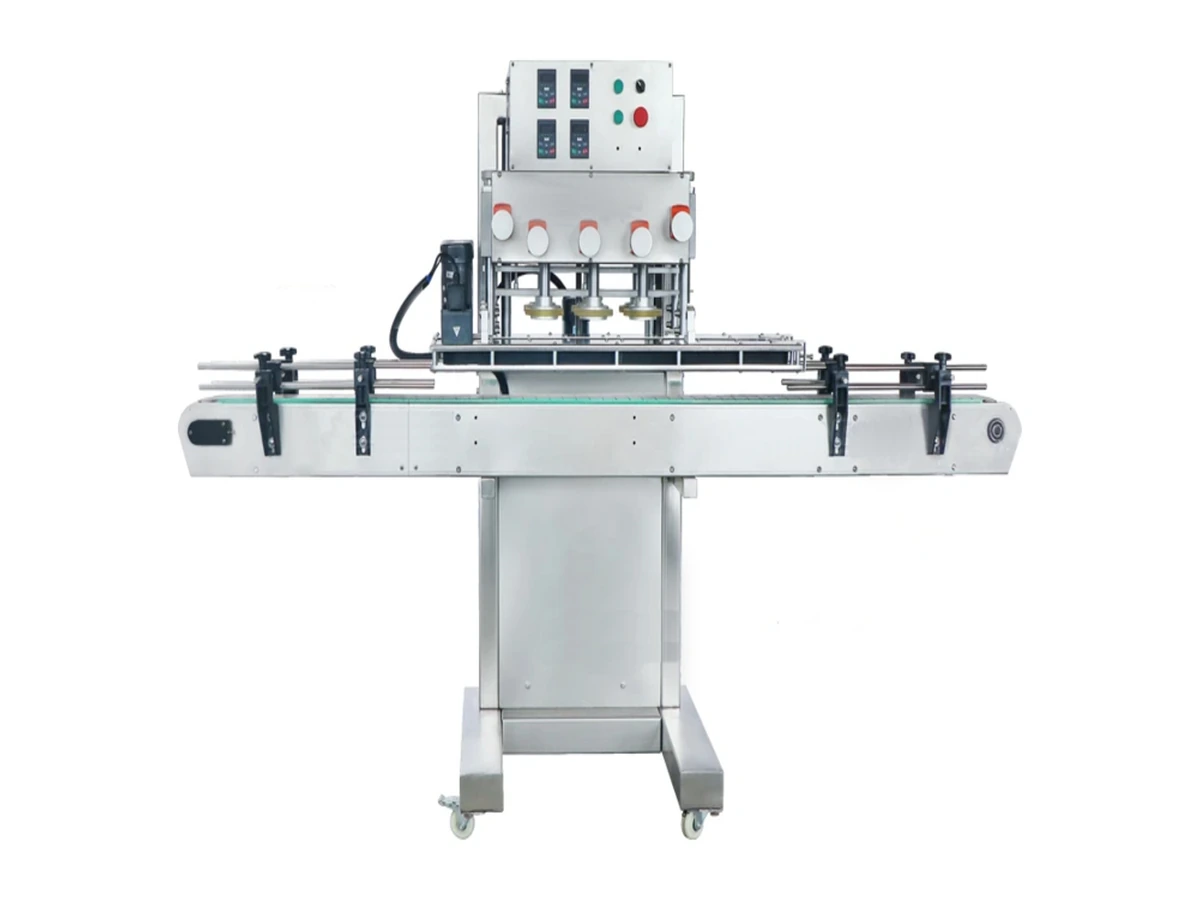
Trigger capping machines to compare

Use these product pages to compare available machine families and then send Lancing your sample details for configuration advice.

Related search routes

Pages that support this buying decision

These internal routes strengthen the trigger-capping topic cluster and help users move from research into a machine enquiry.

FAQs

Questions buyers ask

Do I need to send samples before a quote?

For trigger capping, samples are strongly recommended because cap and tube behaviour affect the machine route.

Can Lancing quote from photos only?

Initial guidance may be possible from photos and dimensions, but final configuration normally needs sample review.

What if I do not know the target output?

Share current production volumes, staff count and growth plans. Lancing can help translate that into an automation route.

Need a trigger capping recommendation?

Send the bottle, cap, tube length, output target and current line details. Lancing can help shortlist the right route.

From enquiry to trial

Turn the format list into a representative sample trial matrix

A quote can define the intended machine scope, but the sample matrix defines what must be proven. List every proposed bottle-and-closure combination, then identify the typical and most demanding conditions so the trial does not rely on one favourable sample.

Matrix fieldInformation to provideWhy it changes the trial
Format identityBottle, neck finish, trigger closure, dip tube and supplier or drawing revision.Prevents different components being treated as the same format.
Production conditionEmpty or representative fill, normal cap packaging and expected environment.Changes bottle stability, component behaviour and operator handling.
Required line stateStart-up, normal run, replenishment, short stop, blocked/starved condition and recovery.Tests the interfaces that are hidden during uninterrupted demonstration cycles.
Finished-pack checksTube entry, thread engagement, cap height, approved torque/functional method, appearance and orientation.Defines accepted output and avoids approving the machine cycle instead of the pack.
Changeover evidenceParts, settings, tools, time boundary and first-off release for each format.Shows whether the proposed SKU range is practical for routine production.

Should every proposed format be listed in the trigger capper quotation?

Yes. Every bottle-and-closure combination expected within the agreed scope should be identified, even when several formats appear similar. The quotation can then state which formats are included, which require change parts and which remain subject to sample confirmation.

How is the worst-case trigger capping format chosen?

The worst case is the format most likely to challenge a specific function, not simply the largest bottle. Separate worst cases may apply to bottle stability, dip-tube entry, closure orientation, thread engagement, tightening, changeover and downstream presentation.

Is a sample trial the same as a factory acceptance test?

No. A sample trial helps select or configure the machinery route using representative components. A factory acceptance test verifies the supplied system against an agreed protocol and scope. The trial should therefore identify the risks and test methods that later belong in FAT and site acceptance.

What happens if the bottle or trigger changes after quotation?

Record the change and review the affected machine functions before assuming the existing scope still applies. A new neck finish, trigger moulding, tube or bottle shape may alter feeding, tooling, support, settings, guarding or acceptance criteria and may require another sample review.

Complete project brief

Add torque, leak, performance and cleaning requirements to the quotation

Where relevant, state the approved torque method, finished-pack leak or functional test, accepted-output definition, downtime data, cleaning boundary and line-clearance procedure. This prevents critical acceptance work being left outside the quoted scope.

RequirementUseful information
Torque and cap heightApproved method, instrument, timing, reference points, limits and sample condition.
Leak or functional pack testProduct/substitute, fill, nozzle position, orientation, conditioning, method and acceptance rule.
Output and OEE boundaryAccepted-good-pack definition, target duty, feeder/operator scope, line interfaces and existing stop data.
Cleaning and line clearanceProducts, spill/aerosol risk, cleaning materials, washdown expectation, format sequence and first-off checks.
Call now01494 623015