1. Approve the pack and reference method
Use the current bottle drawing, closure specification, approved samples and any product-owner limits. Do not derive a universal value from cap diameter alone.

Torque verification
A practical guide to application and removal torque evidence for trigger sprayers, including test conditions, cap height, thread engagement and production records.
Answer first
Trigger-cap torque testing should use the approved bottle and closure, a defined instrument and restraint method, a fixed direction and test speed, and a stated time between capping and measurement. The machine setting is not the result: finished packs must be checked against the pack owner’s approved method and acceptance limits.
For trigger sprayers, a torque result should be interpreted with cap height, thread engagement, dip-tube entry, closure damage and any required leak or functional check. A normal-looking number can still hide a trapped tube, false thread start or abnormal seating.
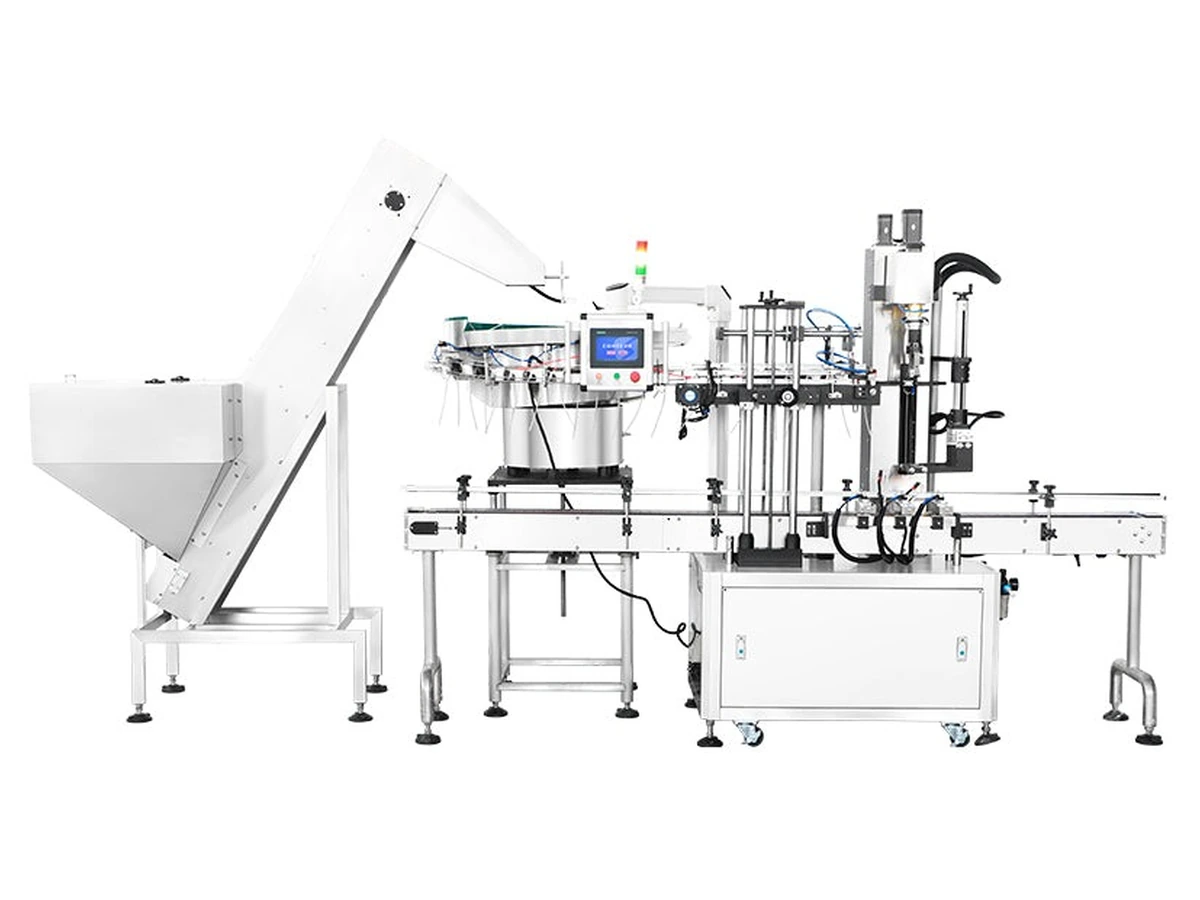
Terms and evidence
These measurements answer different questions and should not be treated as interchangeable.
| Measure or observation | What it describes | What must be controlled |
|---|---|---|
| Application torque | The rotational input used while the closure is applied. On many production machines this is controlled indirectly through the selected tightening method and settings. | Machine architecture, contact method, bottle restraint, closure engagement and approved setup. |
| Removal or opening torque | The rotational force measured when opening an applied closure after a defined elapsed time and conditioning state. | Instrument, bottle restraint, opening direction and speed, elapsed time, temperature and sample handling. |
| Cap height | The seated position of the trigger body relative to a fixed bottle reference. | Reference points, gauge, measurement timing and approved range. |
| Thread or strip failure | Damage, jump-over or loss of engagement rather than a normal opening result. | Stop rule, destructive-inspection method and defect classification. |
| Functional pack result | Whether the finished pack meets the specified dispensing, leak, transport or user requirement. | Product, fill condition, nozzle position, conditioning and the pack owner’s approved protocol. |
Production method
Use the current bottle drawing, closure specification, approved samples and any product-owner limits. Do not derive a universal value from cap diameter alone.
Record whether bottles are empty or filled, the product or substitute, component lots, temperature and the time since capping.
Use the same instrument, bottle restraint, direction, speed and operator method, with checks for calibration or verification status where required by the site quality system.
Record the format, settings revision, tightening tooling, feeder condition, recent stops, interventions and first-off approval.
If results move, inspect tube entry, seating, pre-threading, bottle rotation, gripping contact and component variation before increasing the tightening setting.
When to check
Confirm the approved format after setup and before normal production is released.
Recheck after a bottle, neck finish, trigger, dip tube, supplier lot or tooling change where the site plan requires it.
Verify the finished pack after any change that can affect placement, thread engagement, bottle support or tightening.
Set the frequency through the pack risk, customer requirements and site quality plan rather than copying a universal web interval.
Check first-off packs after a jam, cross-threading event, feeder intervention or abnormal stop before acceptance resumes.
Where removal behaviour after storage or transport matters, use the product owner’s approved conditioning and test plan.
Buyer questions
No. A setting controls the machine, while a test result describes the finished pack under a defined measurement method. Correlate settings with measured and visually approved packs during trials and production verification.
Closure material, liner or seal behaviour, thread interaction, product residue, temperature, storage time and transport can change the opening result. Fix the elapsed time and conditioning state when comparing samples.
No. A cross-threaded or obstructed closure can create resistance. Inspect cap height, seating, thread condition and dip-tube entry as well as the measured result.
Provide each production bottle and trigger combination, including the approved dip tube, filled-weight condition where relevant, component drawings and any existing application/removal method or limits.
Not unless the pack owner has proved that the formats use the same closure system and acceptance window. Different neck finishes, materials, liners, trigger mouldings and bottle stiffness can require separate evidence.
Do not invent one from a generic chart. Work with the bottle and closure suppliers and the product owner to define pack requirements, test method, samples and functional validation before accepting production limits.
Send bottles, trigger closures, dip-tube details, approved pack references, test method and the production conditions that must be represented.