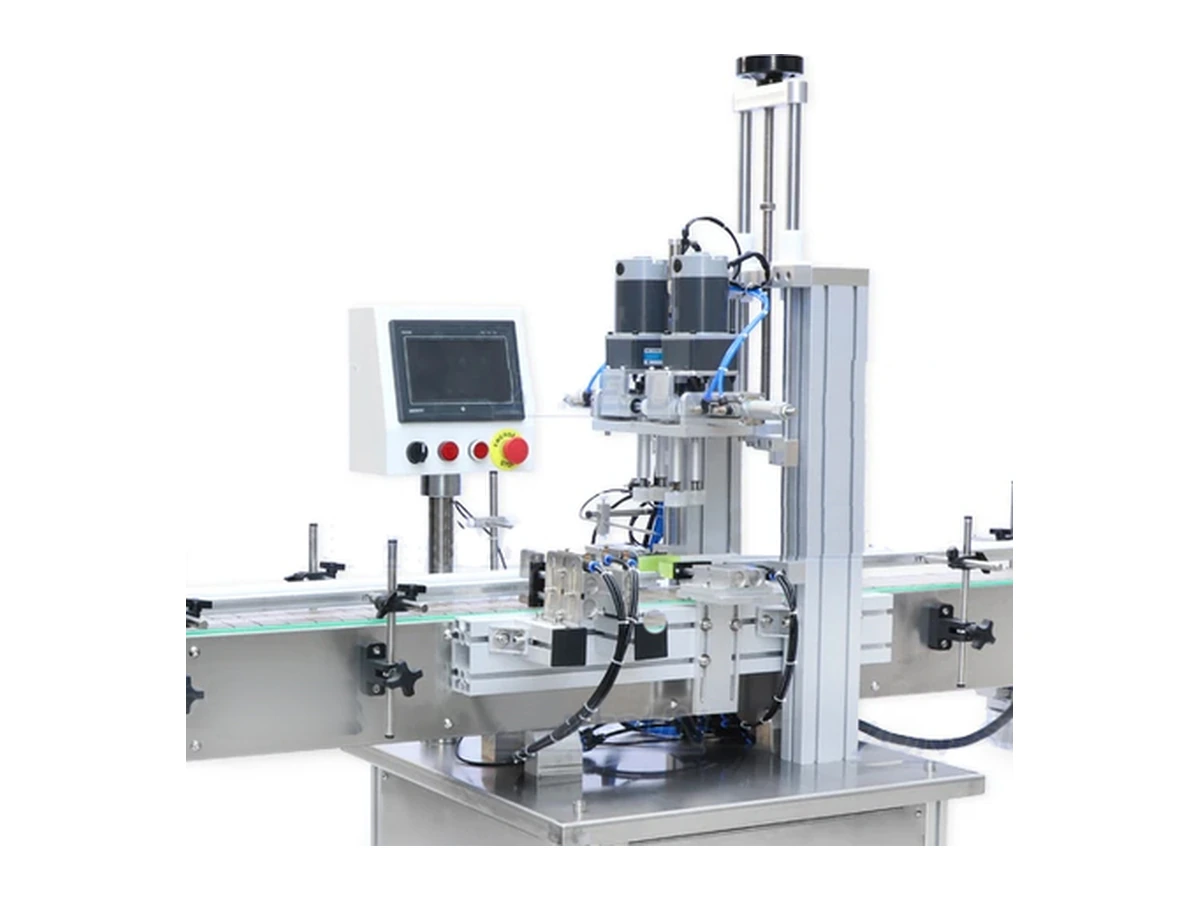
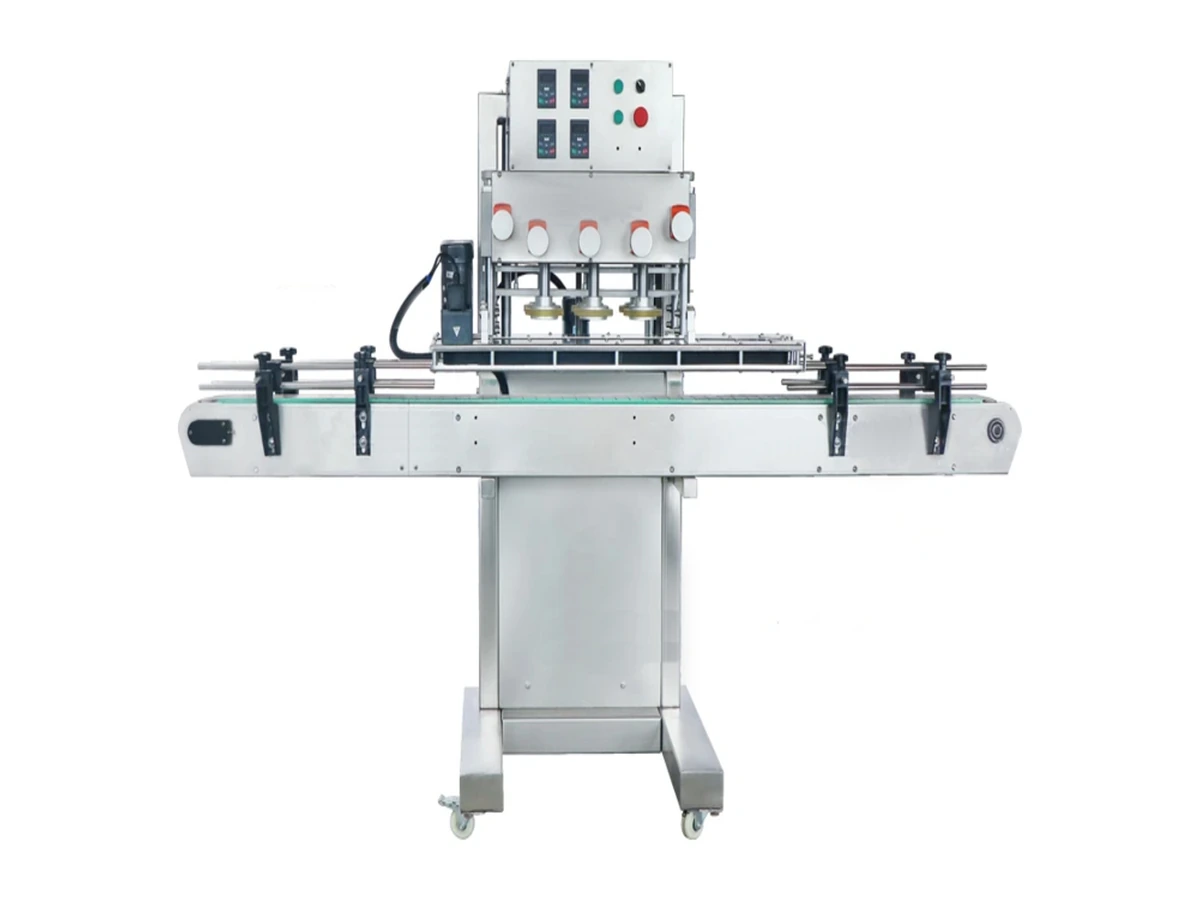
Specify a trigger-capping project from incoming closure to released pack
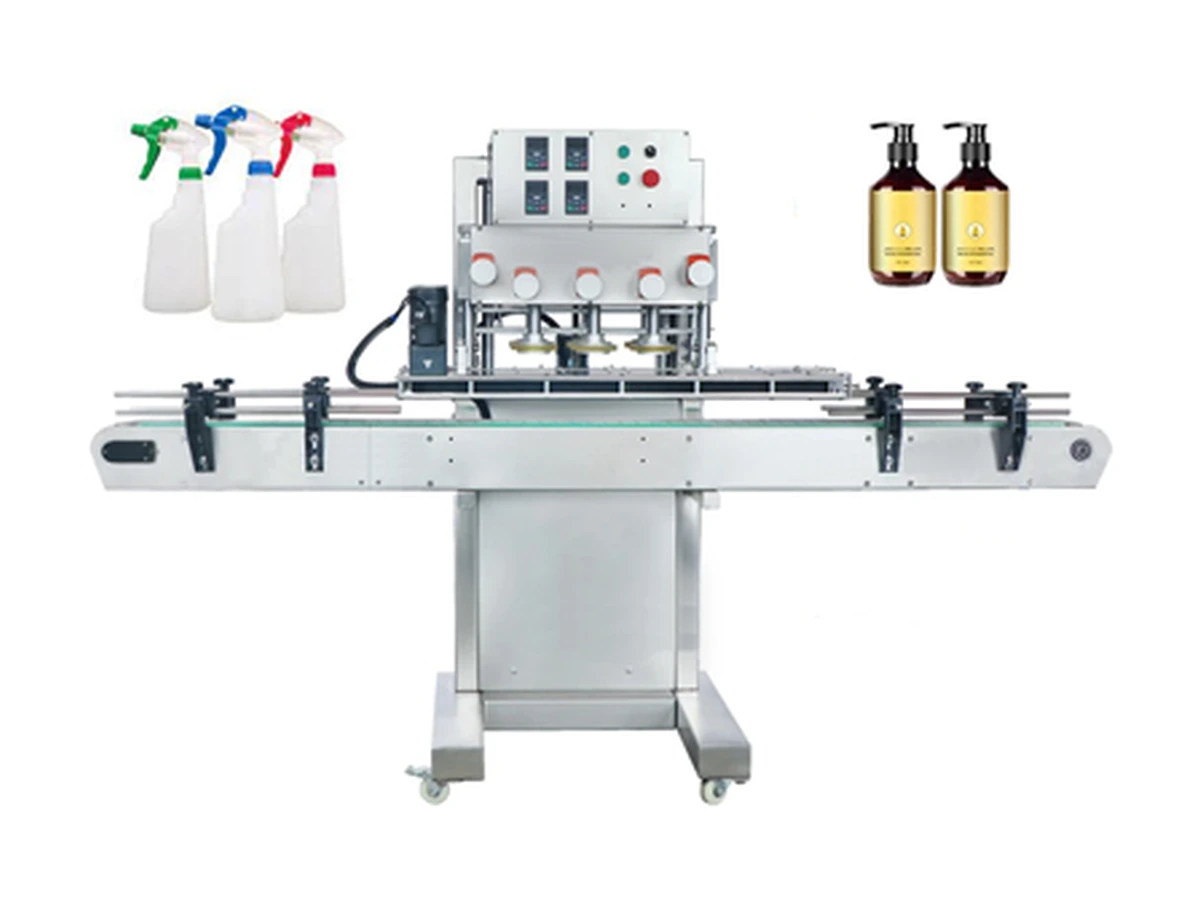
Trigger closures bring several decisions into the same project: how the body is presented, how the dip tube is managed, how the bottle is held and what orientation is required after closing. Describe each decision with your actual bottle and trigger references. A general request for a spray-bottle capper leaves too much of the pack handling undefined.
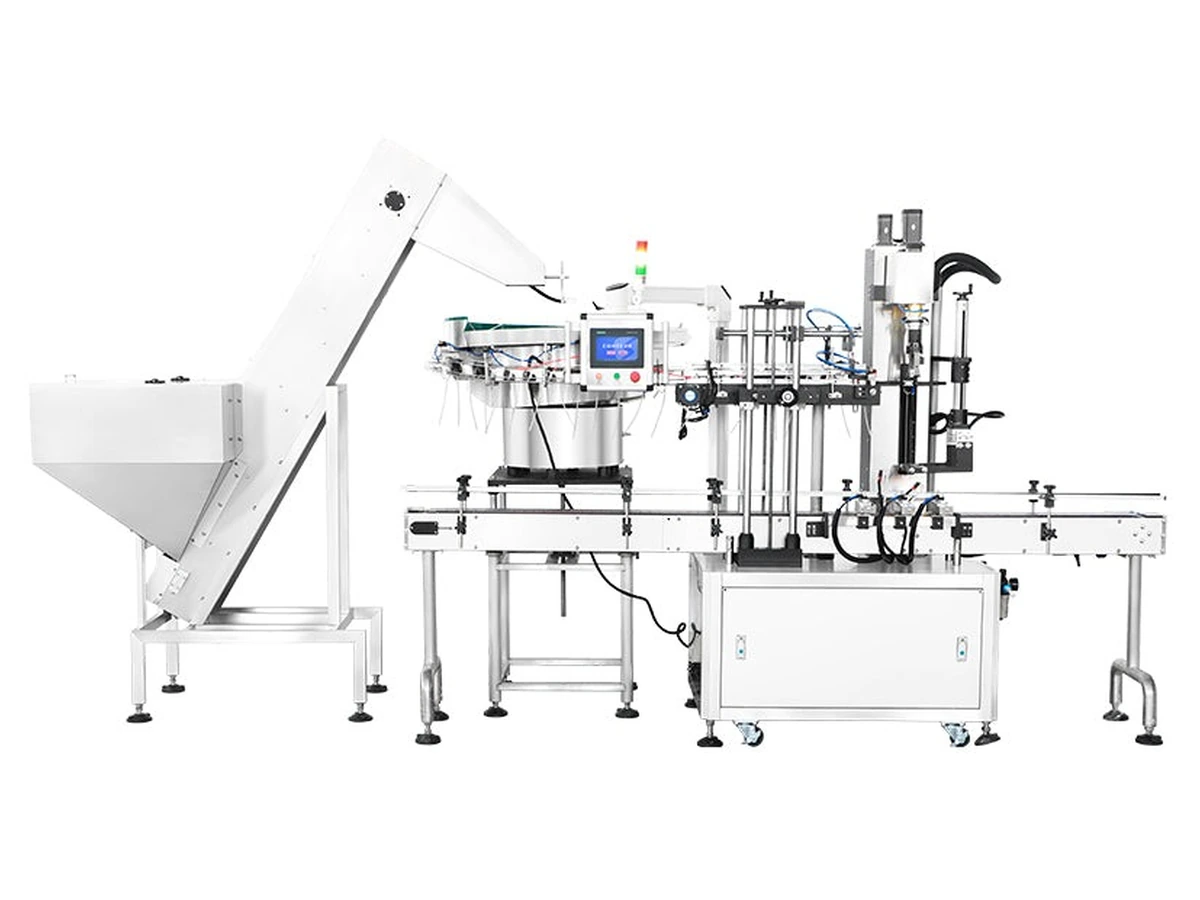
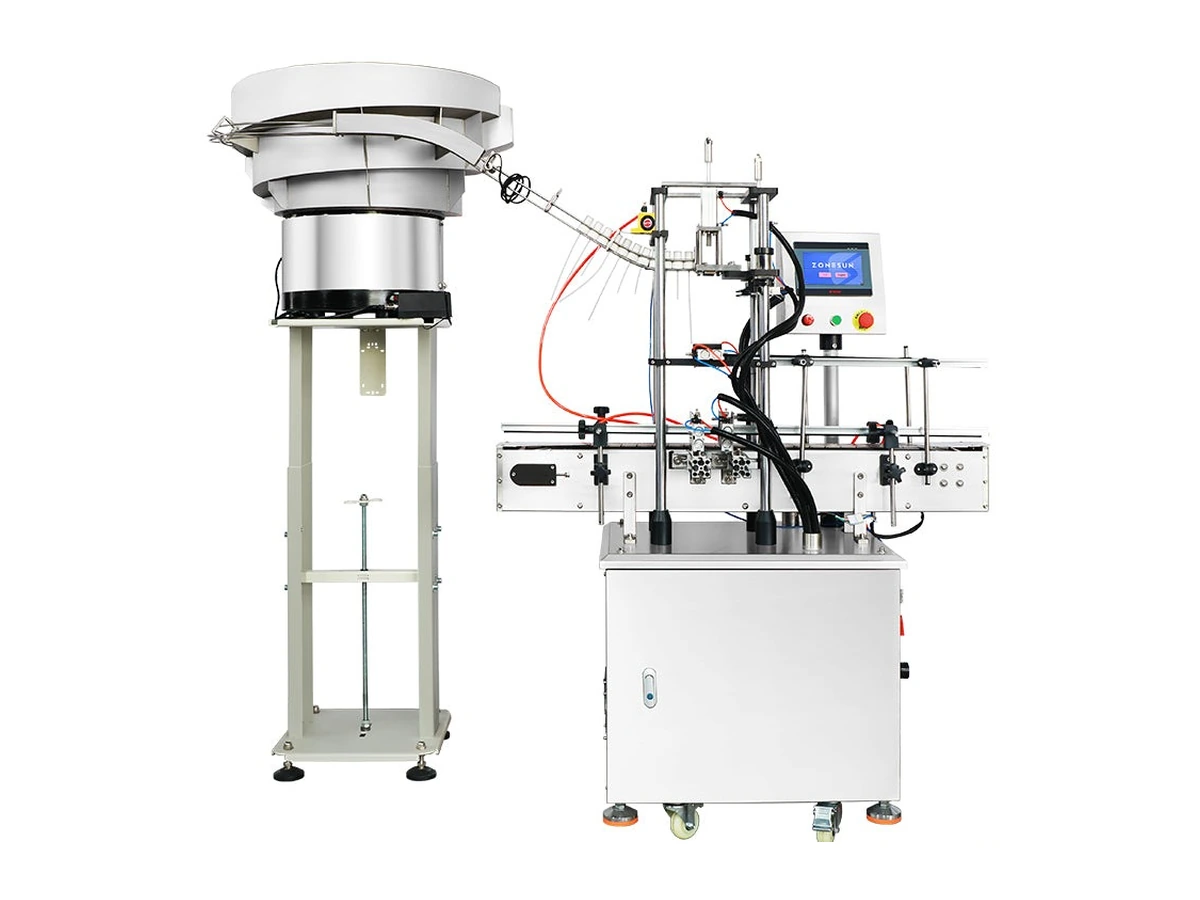
Make a simple process map showing where the filled bottle arrives, how triggers are supplied and where the completed pack goes next. Mark the work currently performed by operators and the work expected from the proposed equipment. This is especially useful when comparing a cap feeder, a tightening machine and a complete trigger-capping arrangement, because their supply boundaries differ.
Keep purchasing and production requirements in the same brief. Give the typical batch pattern, format changes and launch priority, then ask for the component evidence and acceptance checks that support the proposed route. Where delivery, support or future formats are important, request those details explicitly rather than assuming them from a machine description.
- Closure presentation
- Identify the supplied trigger condition, tube reference and any clips or features relevant to feeding.
- Bottle presentation
- Show the filled bottle, transfer arrangement and surfaces that can be used for support without affecting the pack.
- Finished condition
- Record nozzle direction, closure seating and the other pack checks agreed by your quality team.
- Supply boundary
- Ask the proposal to identify included feeding, transfer, tooling and inspection functions for each approved format.
Is a trigger feeder the same as a complete trigger capper?
Check the quoted scope. Feeding and orientation are parts of the process and do not by themselves define bottle handling, insertion or tightening.
What helps avoid a misleading comparison?
Use the same pack references, task boundaries and production job when comparing proposals, and keep untested assumptions visible.