Contract packing

Trigger cappers for contract packers and multi-SKU lines

Compare capping routes for contract packers that need flexibility across spray bottles, pump caps, screw caps and frequent product changeovers.

Buyer guidance

What this page helps you decide

Compare capping routes for contract packers that need flexibility across spray bottles, pump caps, screw caps and frequent product changeovers.

  • Frequent SKU and closure changeovers
  • Spray, pump and screw-cap formats
  • Semi-automatic, compact and inline capping choices
  • Feeder versatility and tooling planning
  • Practical quote support for contract packers
Trigger cappers for contract packers and multi-SKU lines

Specification notes

Practical points before shortlisting machinery

These notes are written for buyers comparing a real trigger capping project, not for generic catalogue browsing.

Why contract packers need flexibility

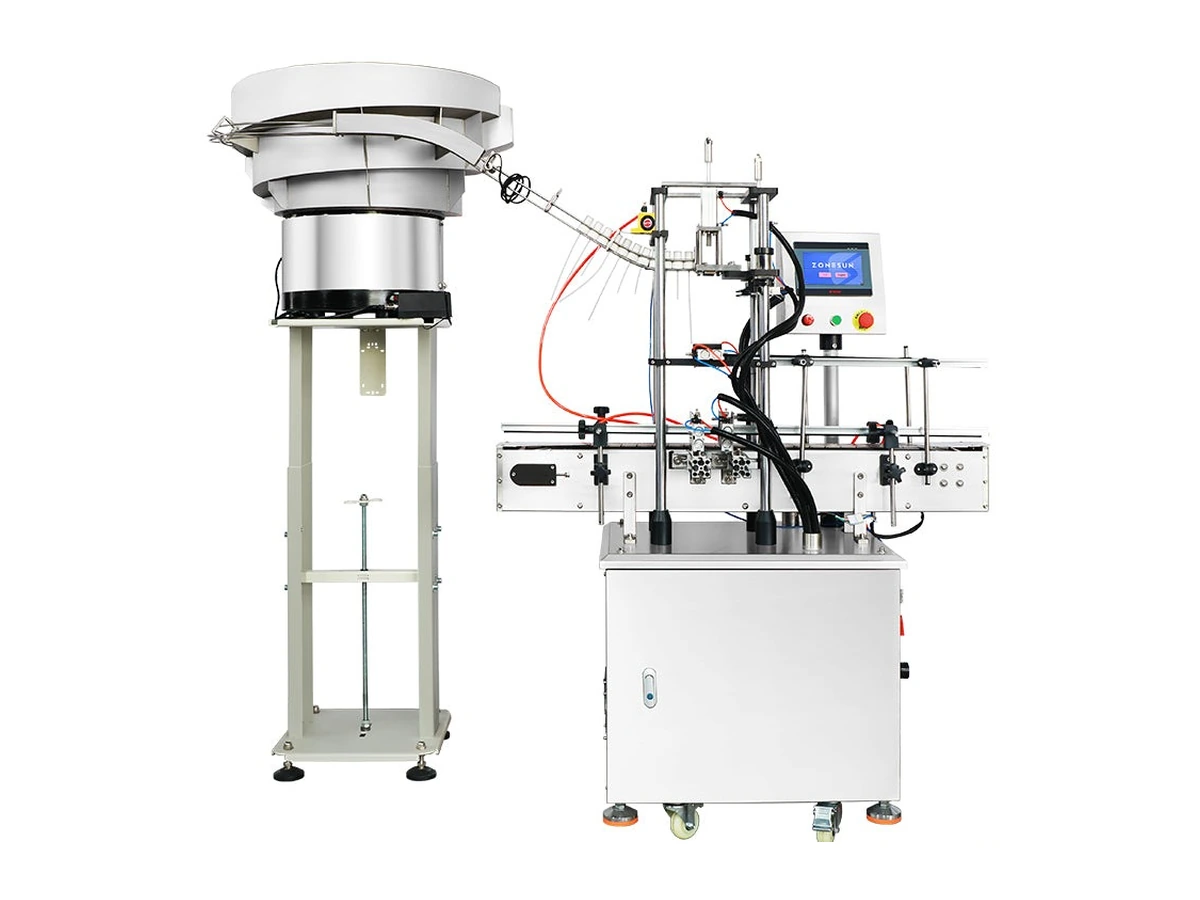
Contract packers often run multiple bottle sizes, closure types and production volumes. A machine that is perfect for one dedicated product may become inefficient when formats change daily. The specification should balance speed, changeover time, cap feeding complexity and operator involvement.

What to prioritise

For multi-SKU operations, change parts, tool-less adjustments, recipe control, guide rail settings, capping head range and feeder versatility can matter as much as maximum output. Manual cap placement can sometimes remain useful for short runs, while automatic feeding may be justified for repeat high-volume SKUs.

Creating a contract-packing brief

List the current and planned bottle families, closure types, run lengths, target outputs and changeover frequency. Identify the formats that drive most volume and the awkward formats that create downtime. This lets Lancing recommend a machine route that supports the real operating pattern rather than one idealised product.

Machine options

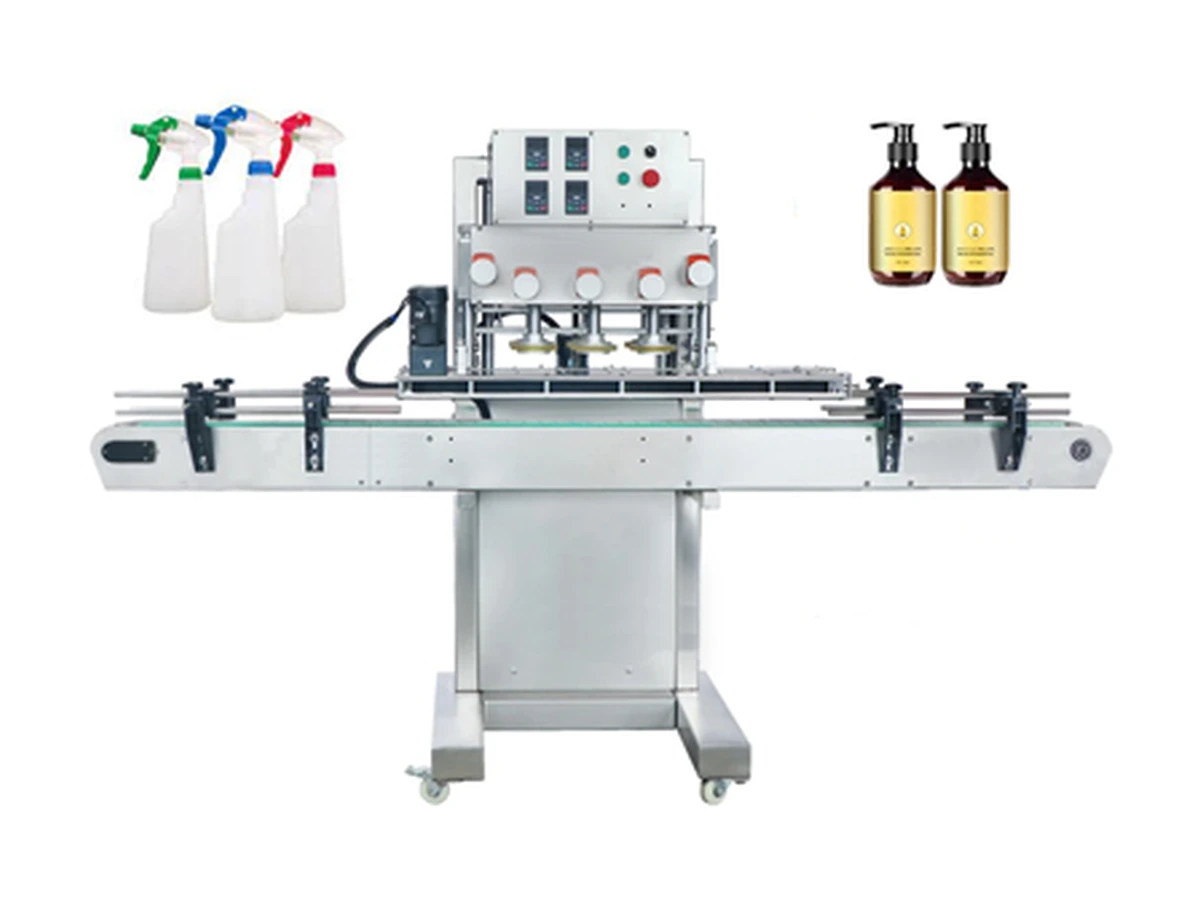
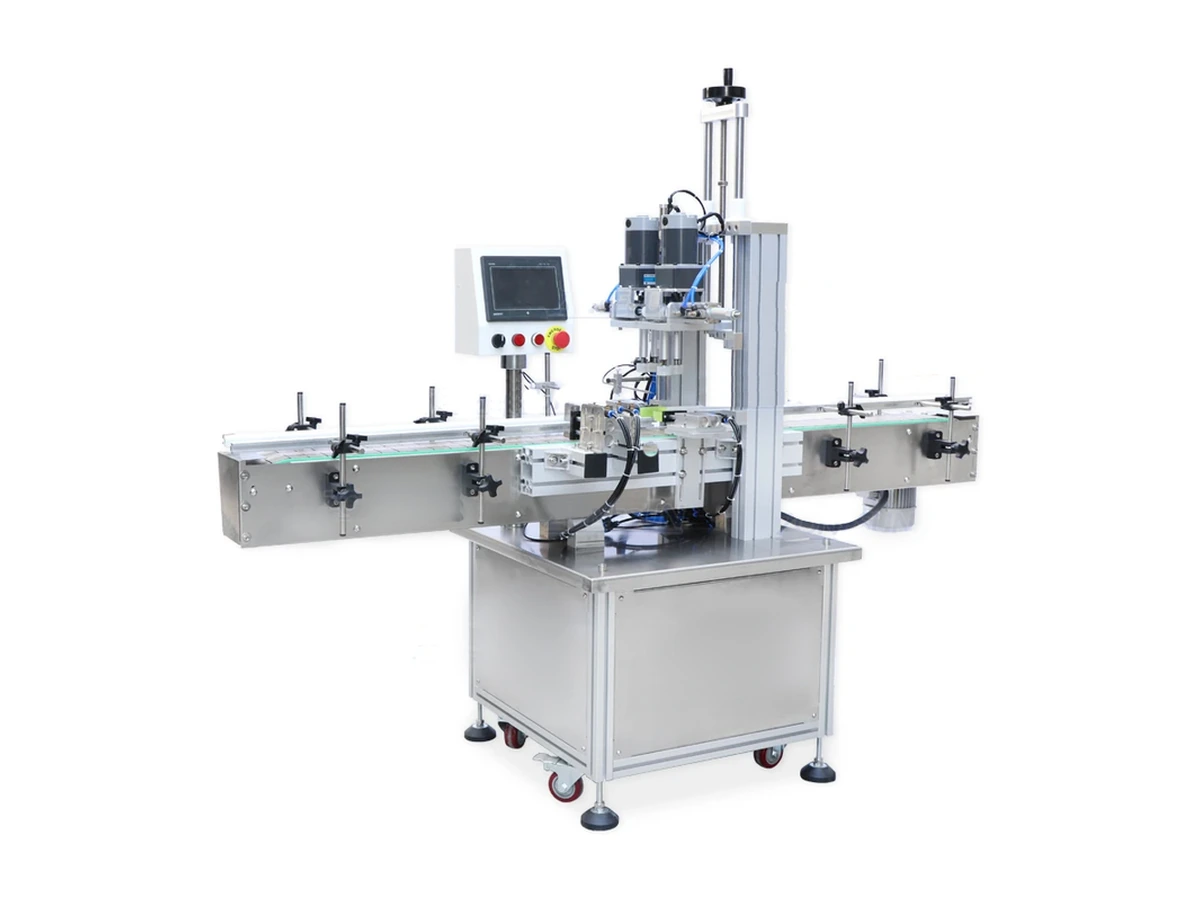
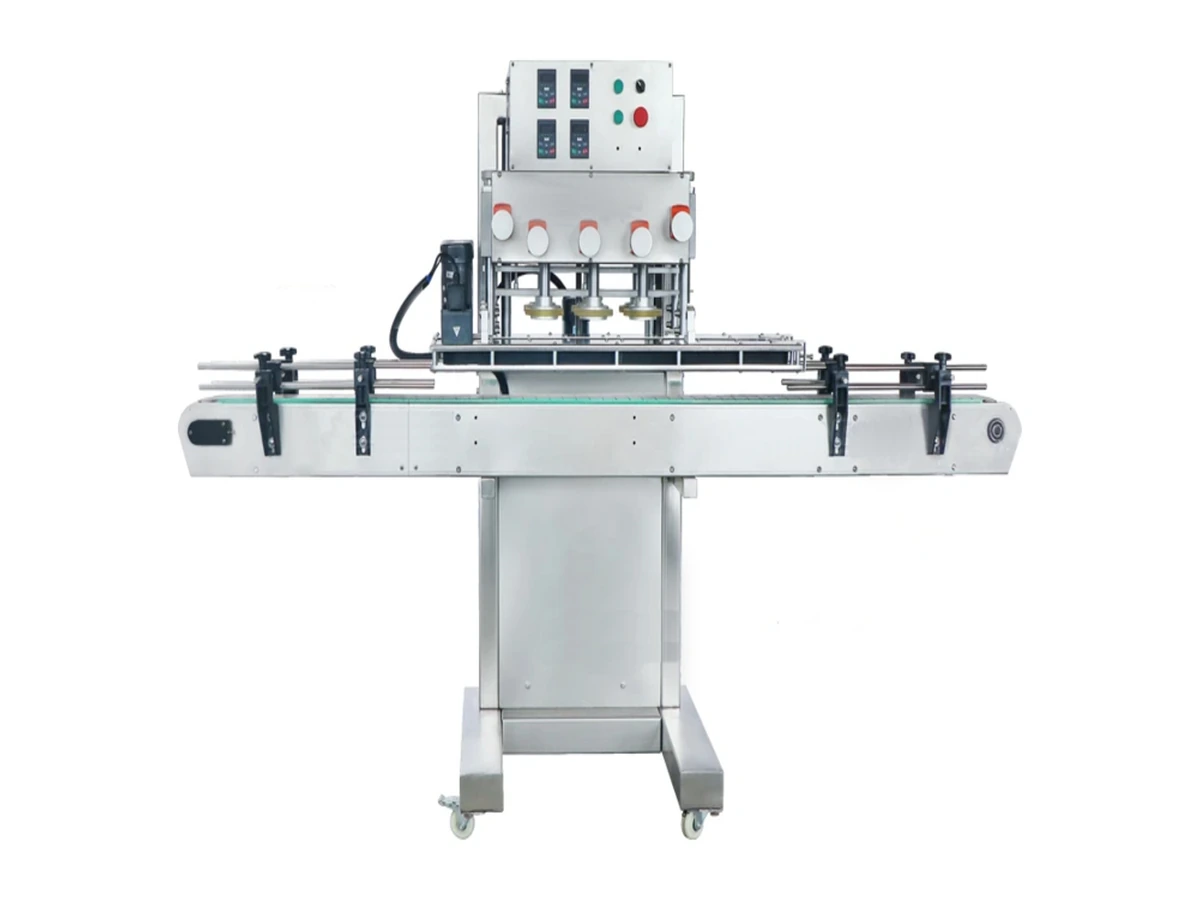
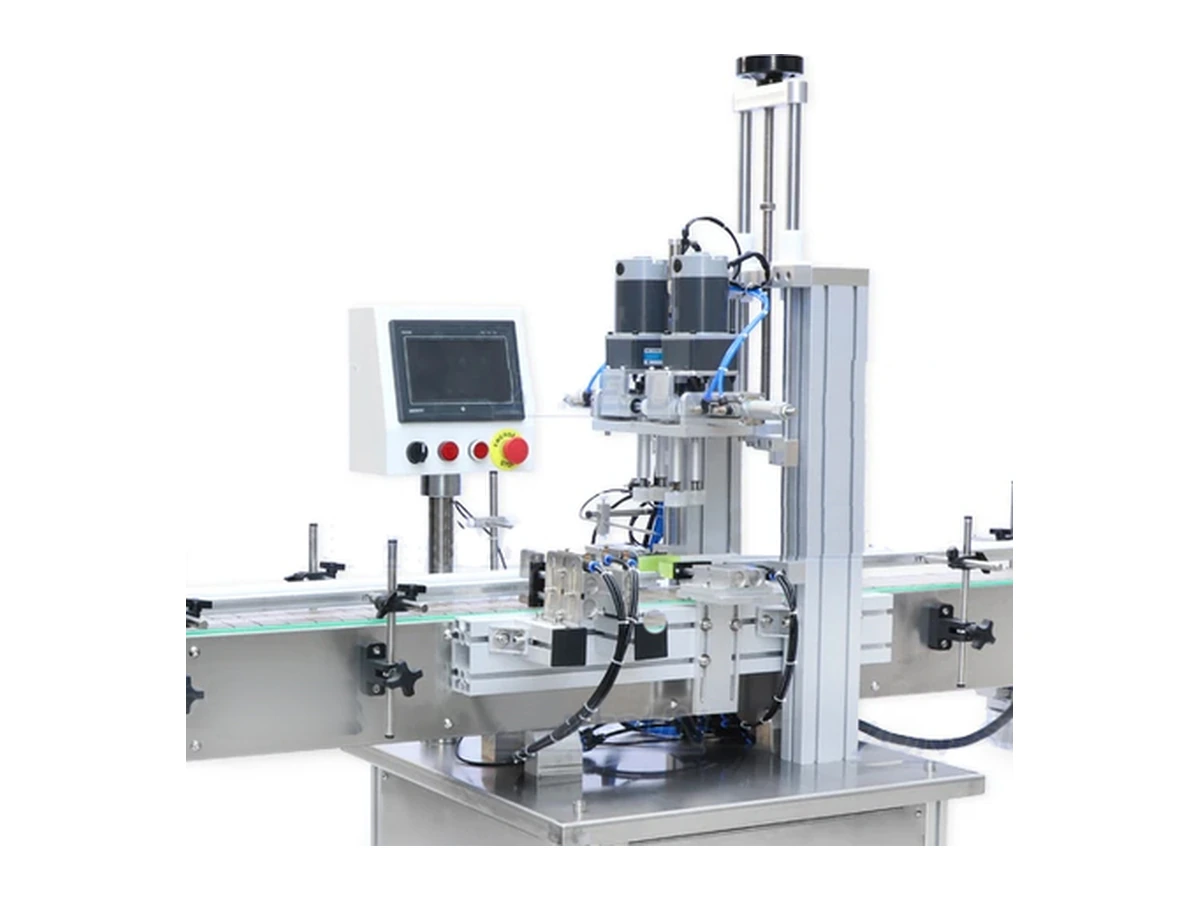
Trigger capping machines to compare

Use these product pages to compare available machine families and then send Lancing your sample details for configuration advice.

Related search routes

Pages that support this buying decision

These internal routes strengthen the trigger-capping topic cluster and help users move from research into a machine enquiry.

FAQs

Questions buyers ask

Should contract packers buy the fastest capper?

Not always. Flexibility, fast changeover and reliable handling across different caps may be more valuable than headline speed.

Can one capper cover several clients?

Often yes, but closure geometry, bottle stability and tooling requirements should be checked across the intended format range.

What information should a contract packer send?

Send a matrix of bottle sizes, cap styles, run lengths, target speeds, changeover frequency and any planned future formats.

Need a trigger capping recommendation?

Send the bottle, cap, tube length, output target and current line details. Lancing can help shortlist the right route.

Multi-SKU control

Use one format matrix for bottles, triggers, settings and quality checks

Contract packing lines can receive similar-looking components from several customers or suppliers. A controlled format identity prevents the wrong trigger, dip tube, tooling or settings being selected and makes changeover evidence easier to review.

Format recordContract-packing purpose
Customer and SKU referenceSeparates commercial identity from the physical bottle-and-closure definition.
Bottle, neck finish and filled weightControls guides, support, conveyor behaviour and tightening resistance.
Trigger supplier, revision and dip tubeControls feeding, orientation, placement and incoming inspection.
Tooling and settings revisionPrevents an undocumented setup from being carried between campaigns.
First-off and routine checksDefines the accepted finished pack for each customer format.
Changeover and line-clearance recordReduces mixed components and shows when the next format was released.

Can a contract packer group similar trigger formats under one setup?

Only after each bottle-and-closure combination has been reviewed and the common tooling, settings and checks have been demonstrated. Similar cap diameter or bottle volume does not prove the same neck finish, tube behaviour, stability or accepted result.

How can mixed trigger components be prevented at changeover?

Use line clearance, labelled component locations, controlled return or disposal of residual material, format verification and first-off approval. Include feeder bowls, tracks, transfer paths and downstream accumulation where components or packs can remain.

Should each customer format have an approved reference sample?

An approved reference can help operators and quality staff compare cap height, orientation and appearance, provided it is labelled, protected and linked to the current component and specification revision. Use measured or functional criteria as well where required.

What run information may be useful for a contract-packing customer?

The agreed record may include batch and component traceability, accepted quantity, rejects, inspection results and deviations or actions. Define the reporting scope commercially and technically before the run; do not assume the machine automatically stores every required field.

Call now01494 623015