Include unpacking and tube separation in the feeder trial
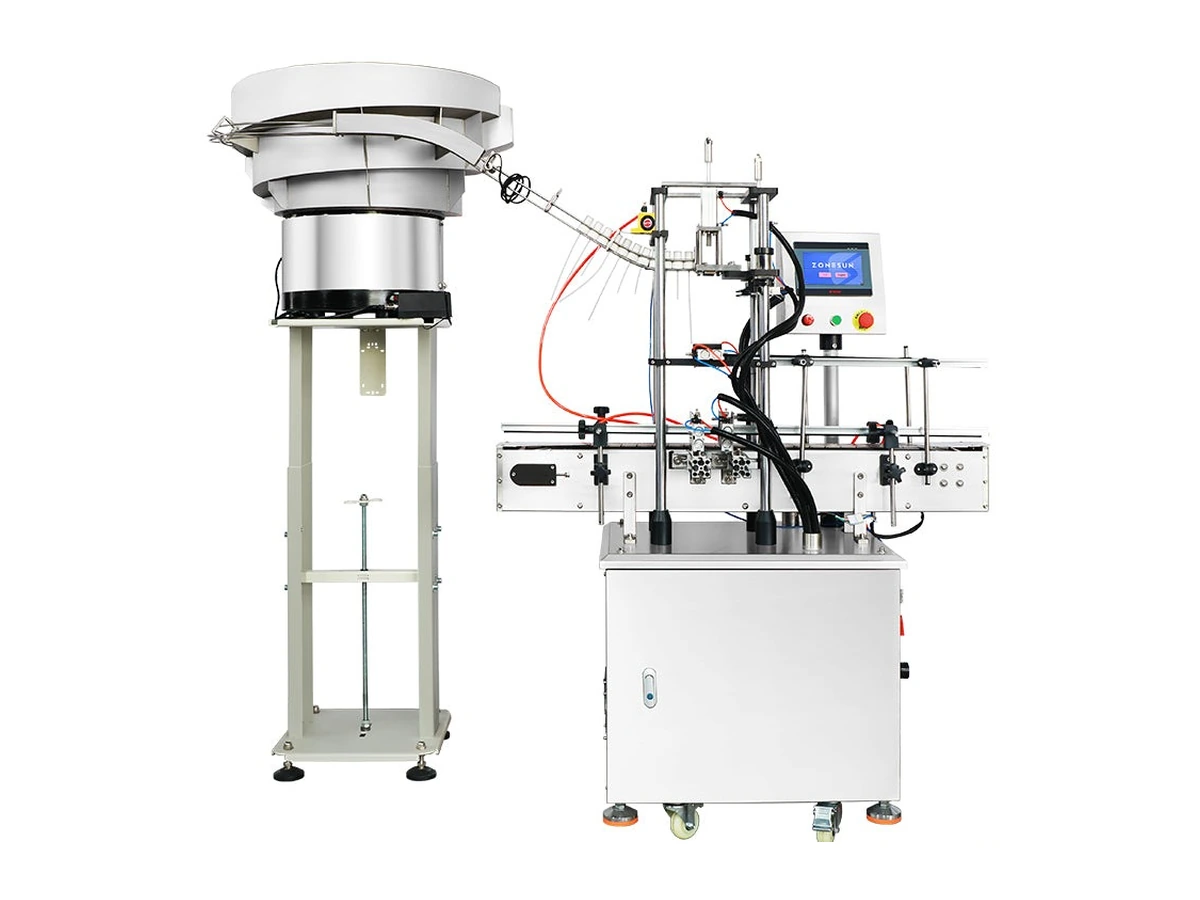
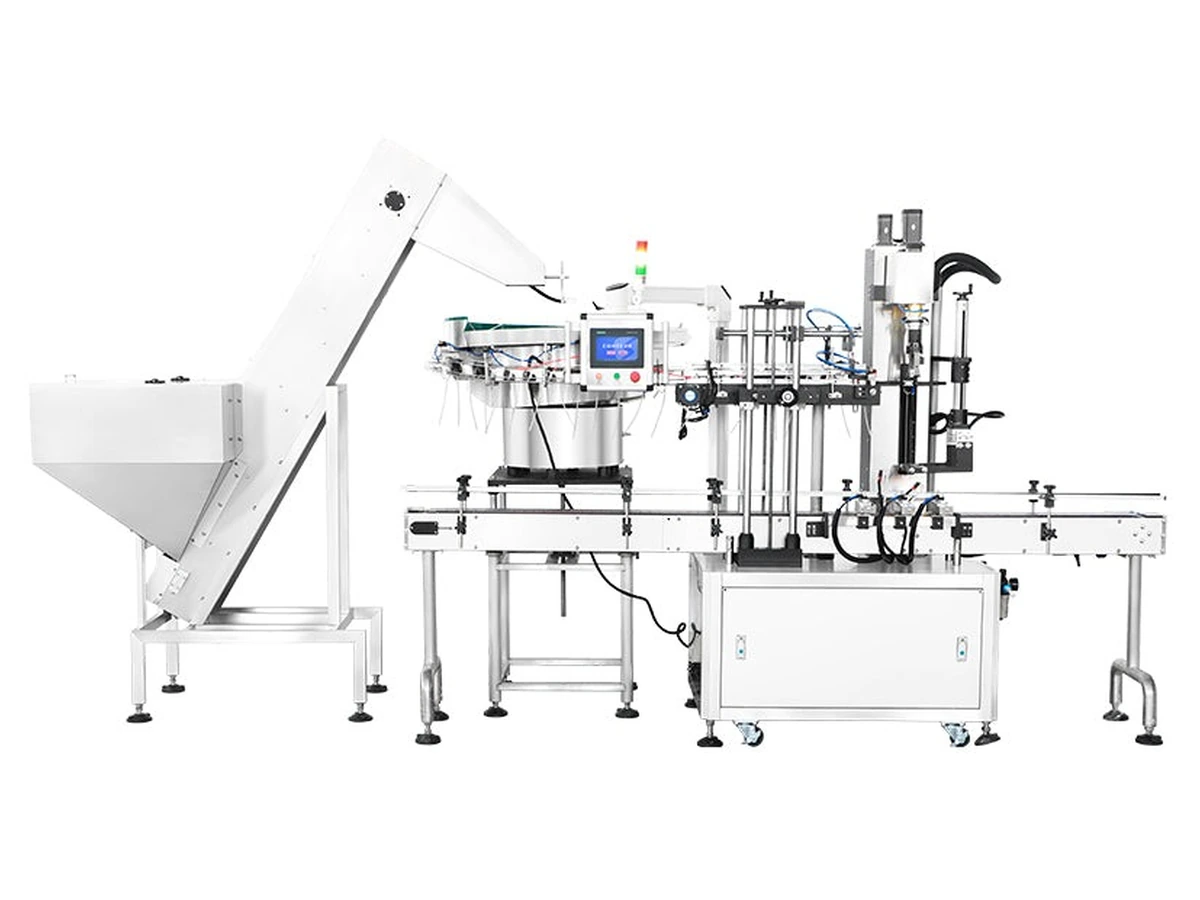
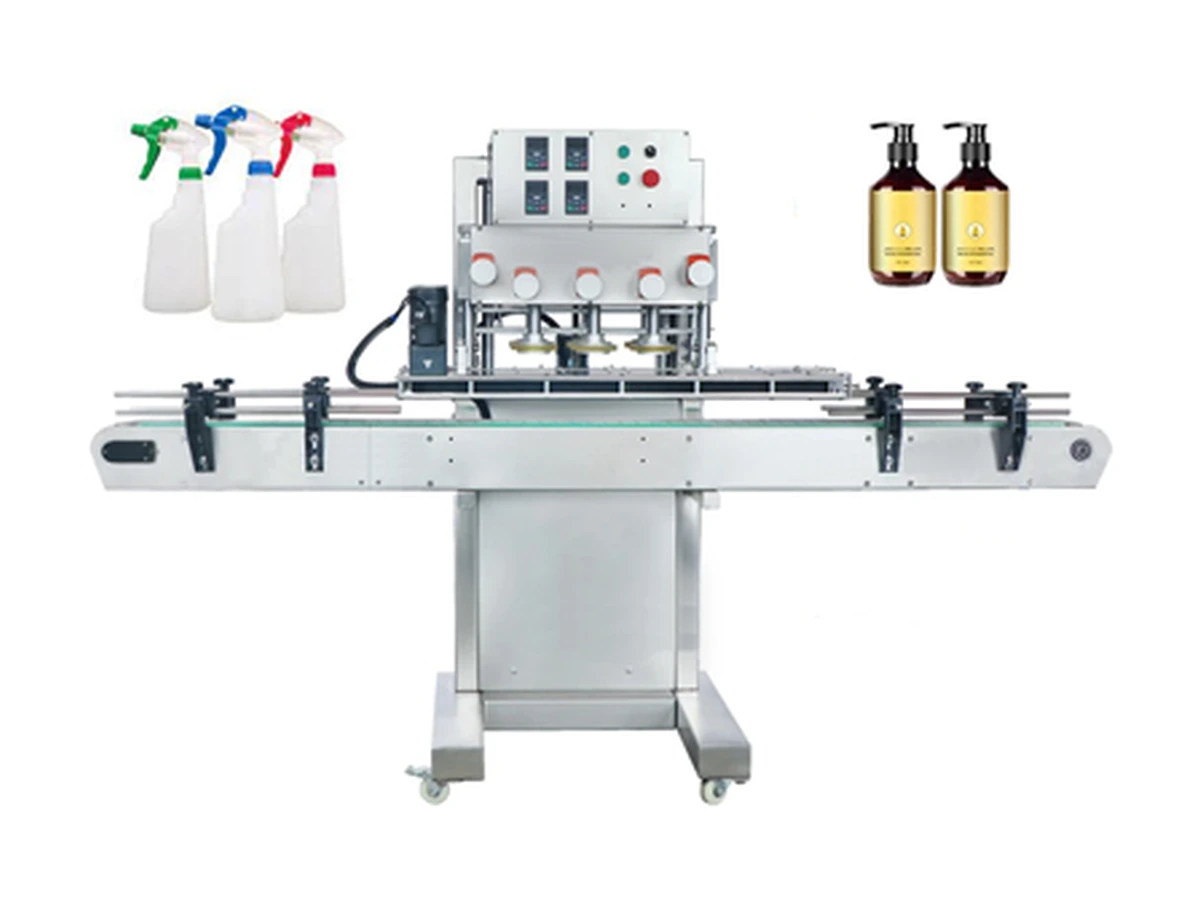
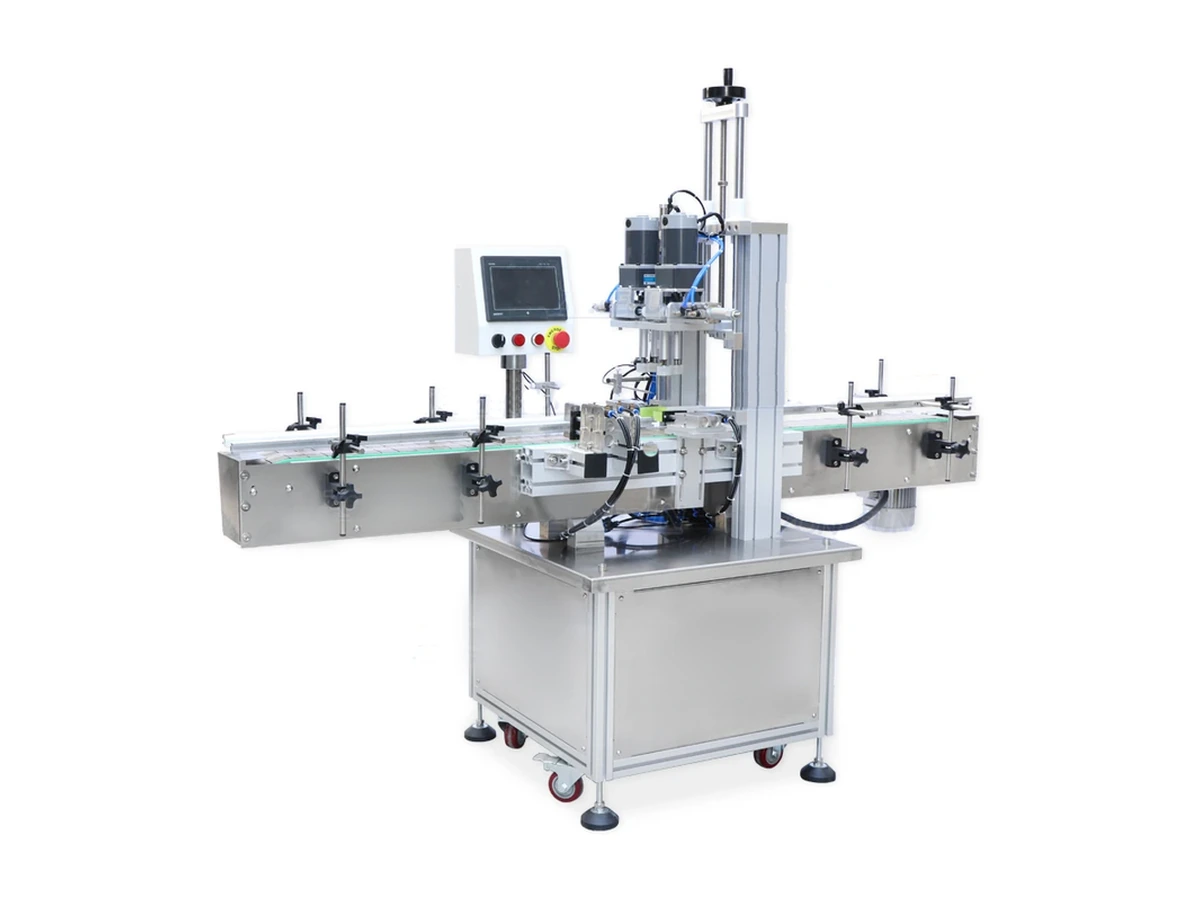
An automatic trigger feeder may run efficiently once closures reach its hopper, while operators still spend significant time separating tangled tubes or removing transport packaging. Include the condition in which sprayers arrive from the closure supplier when assessing the automation benefit. Pre-separated demonstration parts can hide a recurring production task.
Document the delivery method, such as loose bulk packs, arranged trays or individual separators, and observe the normal unpacking route. Count correctly presented closures at the capper handover, but also record the preparation time and interventions needed to keep the feeder supplied. Keep complete dip tubes and the final trigger design in the trial stock. Do not shorten tubes or remove awkward features simply to improve the feeding demonstration.
Compare the complete workflow with alternative controlled-presentation routes where bulk handling is unreliable. A tray-fed or operator-presented solution can be a valid choice for difficult closures if it meets the production duty. Ask the quotation to identify which preparation tasks remain and whether the proposed delivery format needs to change. This makes the labour and equipment comparison reflect usable closures supplied to production.
Why trial triggers in their normal supplier packaging?
Unpacking, separating tubes and replenishing the hopper can determine the labour needed to sustain automatic feeding.
Is bulk feeding always the best route for trigger sprayers?
No. Difficult or delicate closures may justify controlled tray or operator presentation. Compare accepted handover rate and total preparation effort.
Calculate usable trigger-capping output · Compare the automation workflow