Products

Trigger capping machine range

Browse Lancing trigger cappers, cap feeding equipment, automatic screw cappers, compact capper platforms and semi-automatic capping machines.

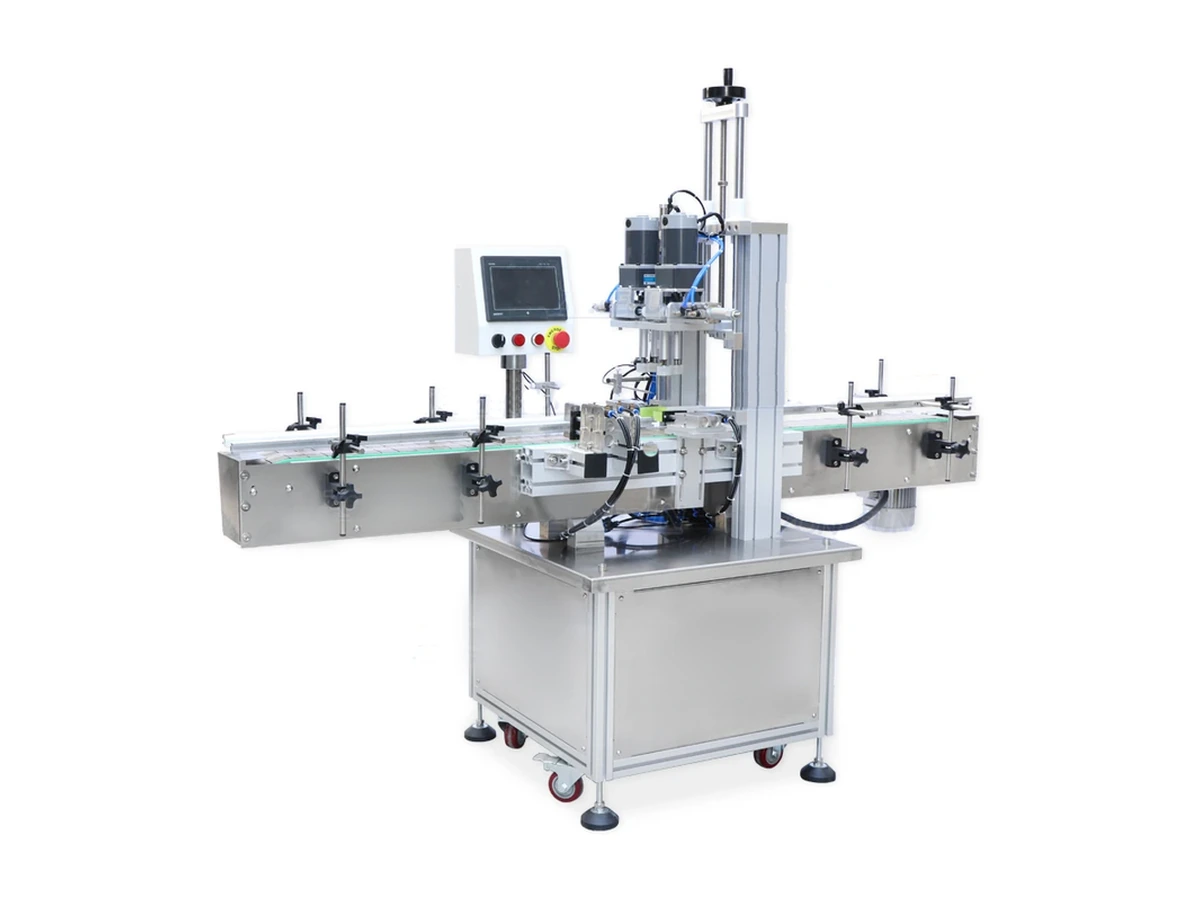
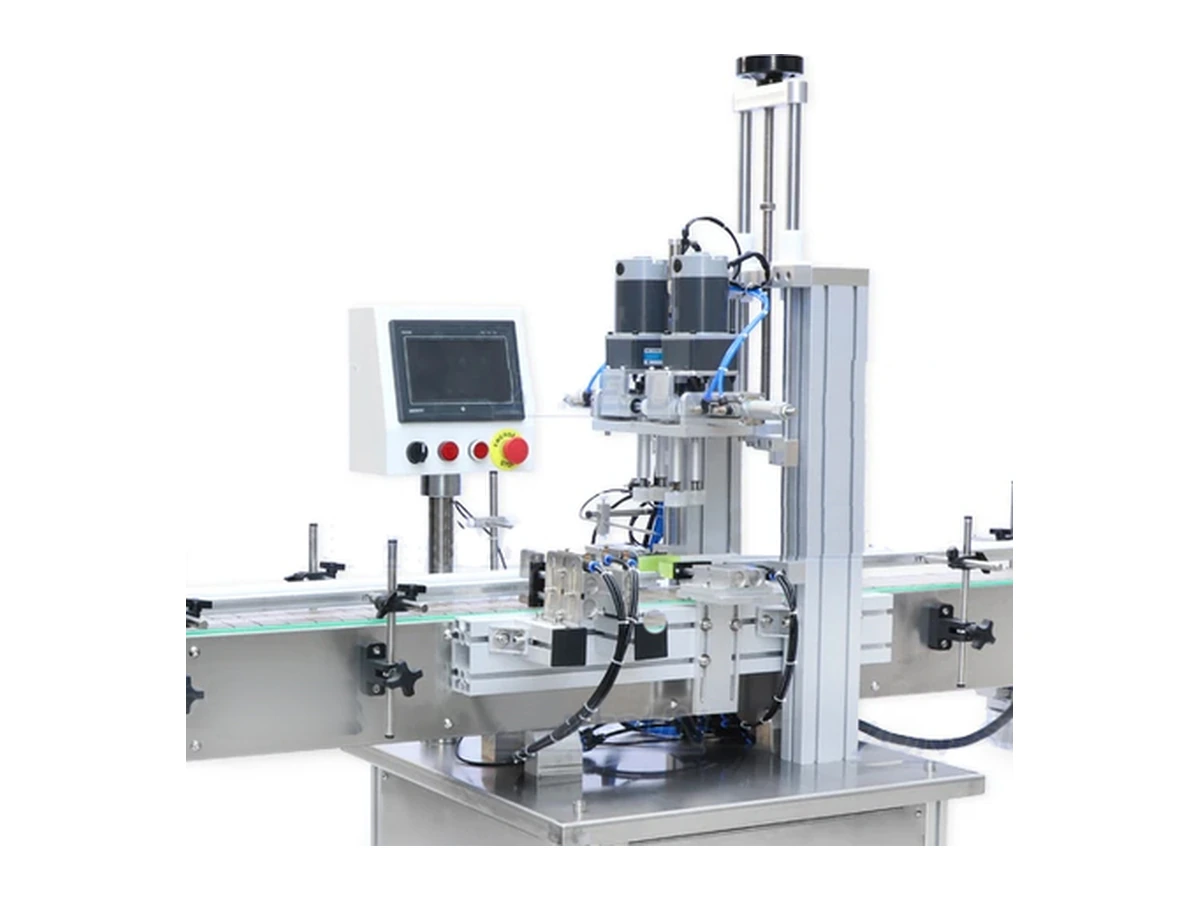
Compact Screw Capping Machine
Compact automatic capping

Compact Screw Capping Machine

Space-saving screw capper for smaller production areas, laboratories and compact lines running sprays or standard screw caps.

Output
Approx. 20–40 bottles/min
Closure
Caps Ø18–70mm
View machine →
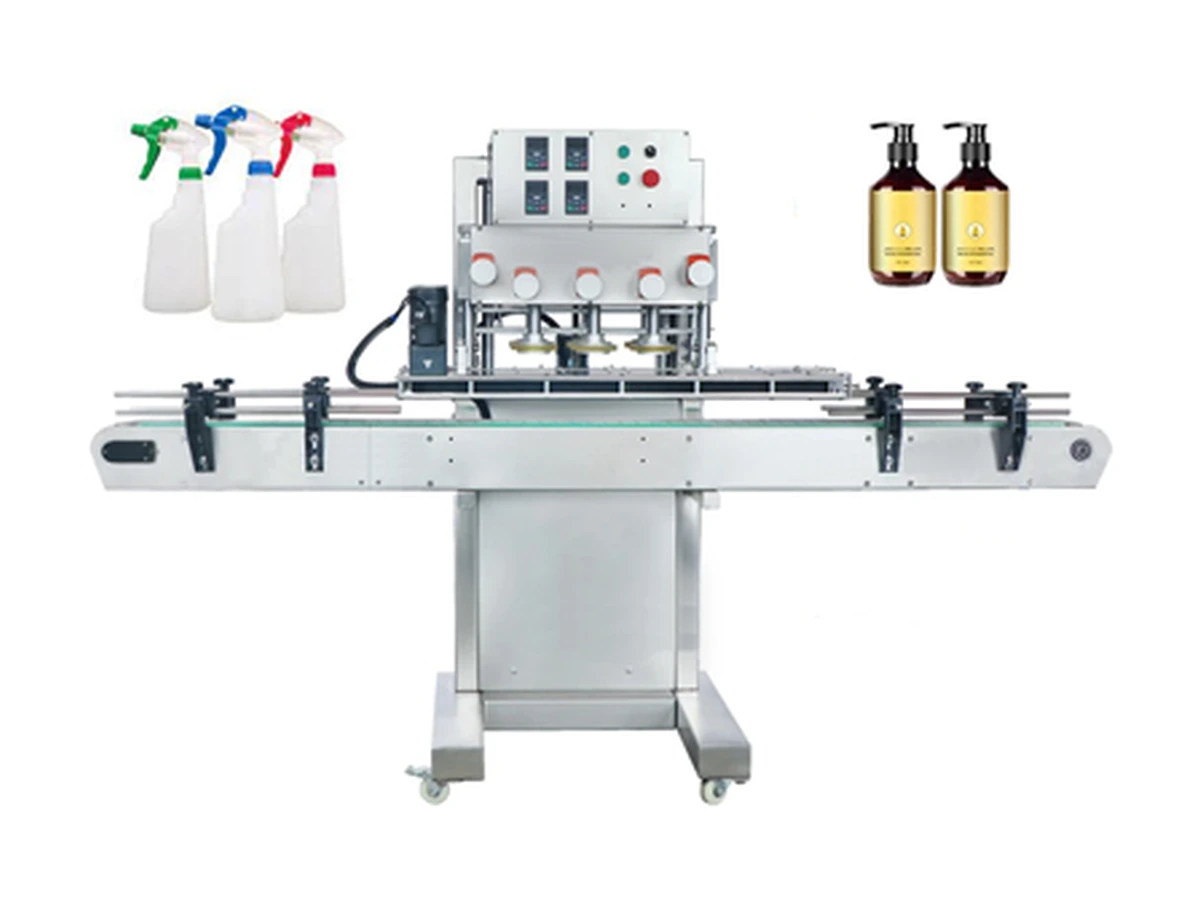
Semi automatic screw capping machine capping head detail
Semi automatic capping

Semi Automatic Screw Capping Machine

Desktop semi-automatic screw capper with automatic bottle clamping, manual/automatic cycling and stable torque control for smaller batches.

Output
20–60 bottles/min format-dependent
Closure
Caps Ø20–60mm, custom up to 90mm
View machine →

How to choose

Match the machine to the closure and production route

A trigger sprayer capper must be matched to the closure body, tube length, bottle shape and line flow. For screw and pump caps, the key points are torque, bottle clamping, cap feed and changeover time.

  • Confirm cap type, diameter, thread, liner and tube length.
  • Check bottle height, diameter, stability and material.
  • Define required output, operator involvement and changeover needs.
  • Confirm whether filling, labelling or conveyors must be integrated.
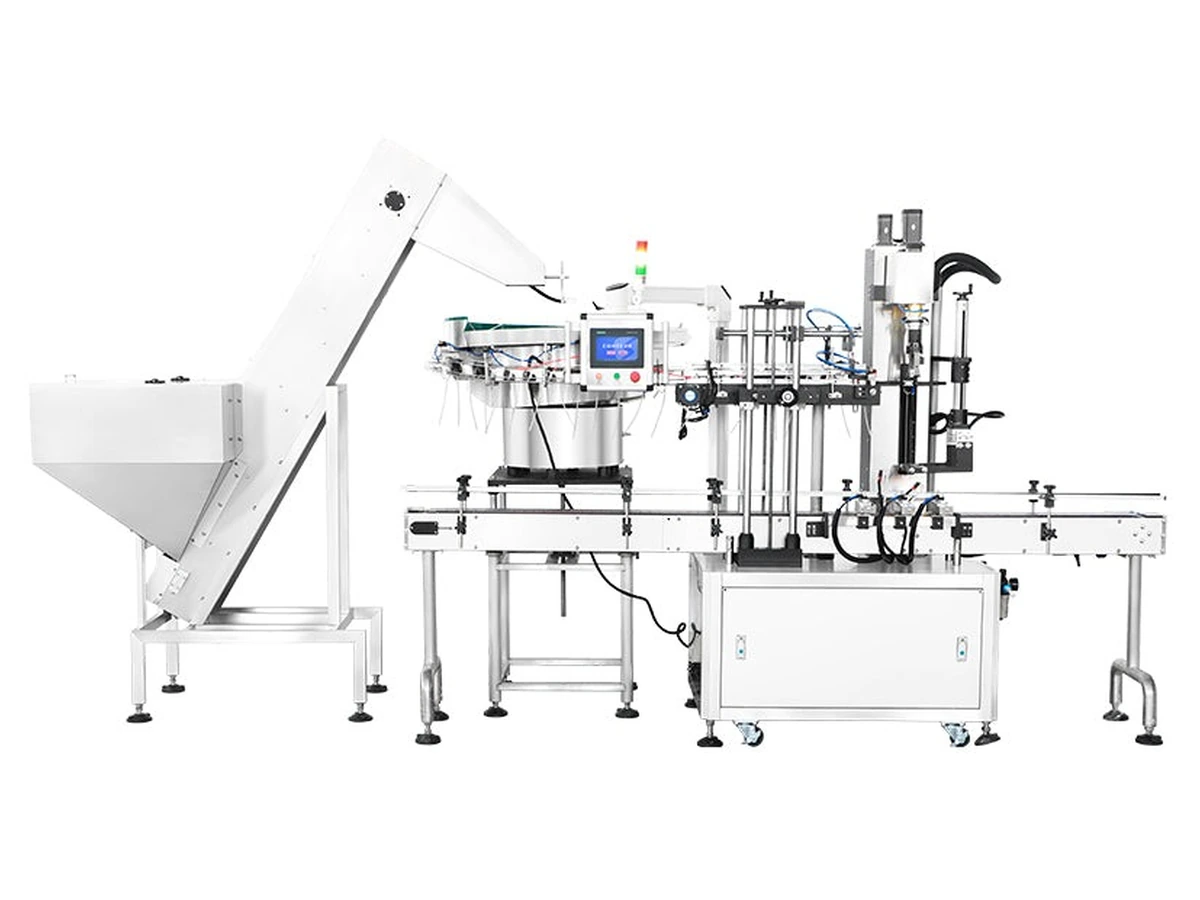
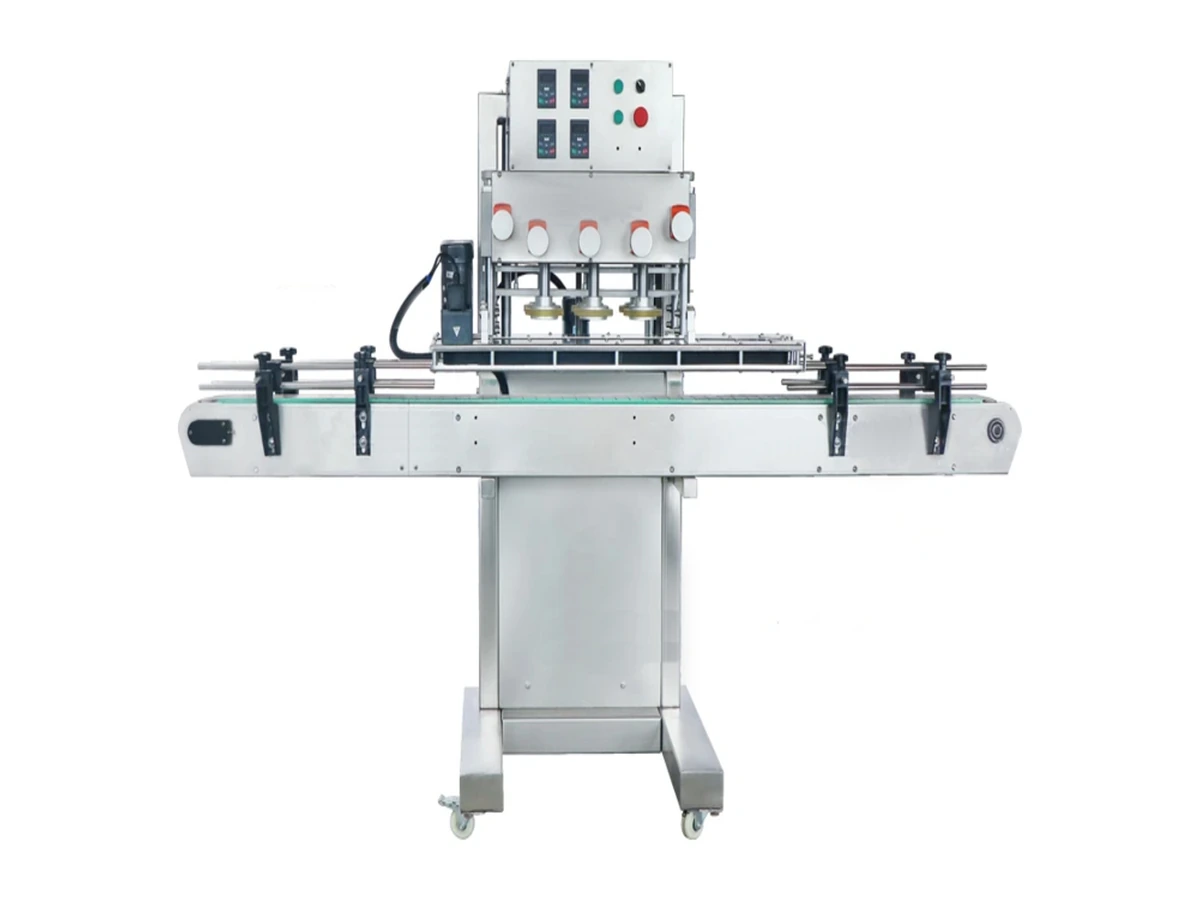
Automatic trigger sprayer capper line

Buyer routes

Start with the search route that matches your project

These route pages help buyers compare the same machinery by closure type, automation level and application.

Verified comparison

Compare the machine route, not the headline speed alone

The reference models cover different closure-handling problems. Use this table to decide which samples and production conditions need to be proved before a final quotation.

RouteReference data in this siteWhat must be confirmed
Automatic trigger sprayer capper1,200 BPH; trigger sprayer; customisable bottle format; VFD conveyor.Closure supply, tube-entry method, orientation, pre-threading, torque, cap height, bottle stability and accepted output.
LU-XG446S trigger cap feeder20–25 BPM; approximate cap Ø15–35 mm; bottle height 10–280 mm.Bulk separation, required orientation, tube protection, buffer length, transfer hand-off and jam recovery.
LU-XG440B belt spindle capper3,000–5,000 BPH; bottle Ø35–120 mm; bottle height 60–200 mm.Whether the cap can be presented and pre-threaded before spindle tightening, plus side-belt support and cap-contact quality.
LU-XG16 automatic screw capper20–60 bottles/min; cap Ø18–70 mm; bottle Ø20–160 mm; height 30–300 mm.Cap-placement route, guide/clamp setup, thread engagement, torque, air supply and line balance.
LU-XG1870 class compact capperApproximately 20–40 bottles/min; cap Ø18–70 mm; bottle height approximately 60–270 mm.Operator tasks, available footprint, manual or assisted cap presentation, changeover and accepted batch output.
LU-XG6100 semi-automatic capper20–60 bottles/min reference mechanical range; cap Ø20–60 mm, custom up to 90 mm; bottle height 100–300 mm.Operator placement rate, ergonomics, bottle clamping, chuck suitability, first-off checks and sustained accepted output.

All dimensions and rates above are source reference values. Final suitability depends on physical production samples and an agreed trial or acceptance method.

Dedicated trigger automation

Choose the automatic trigger route when orientation, dip-tube insertion and repeatable placement need to be controlled as part of the machine rather than left to manual handling.

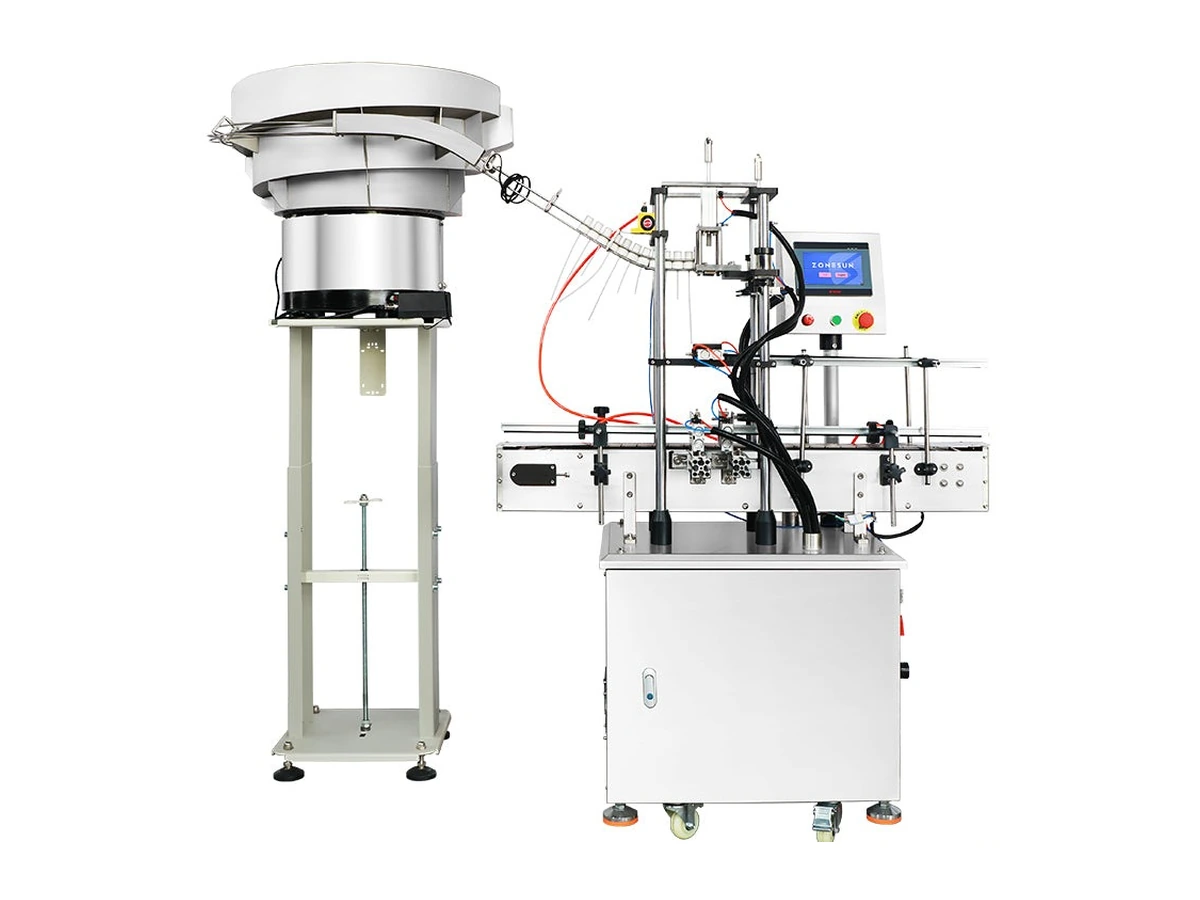
Feeder-assisted capping

Choose the trigger feeder route when the main constraint is reliable orientation and presentation. The downstream capper and transfer interface must be specified at the same time.

Manual or compact route

Choose compact or semi-automatic equipment when an operator can place closures and flexibility matters more than continuous automatic feeding.

For a general cap feeder, cap elevator or closure unscrambler rather than a trigger-capping project, use Cap Feeders UK. For generic spindle cap tightening, use Spindle Cappers UK. This avoids building a trigger-specific quotation around the wrong machinery family.

Route verification

Compare machine references under the same acceptance conditions

Before comparing semi-automatic, feeder-assisted and automatic routes, define the sample set, accepted-pack quality, operator work, closure replenishment, line states and changeover scope.

Acceptance conditions

Use a common FAT/SAT record so output and quality comparisons refer to the same bottle, trigger and operating duty.

Finished-pack quality

Compare tube entry, thread engagement, cap height, torque method and cosmetic result rather than cycle rate alone.

Controls and recovery

Check how each route handles starvation, blockage, faults, reject confirmation and first-good-pack restart.

Call now01494 623015