Troubleshooting

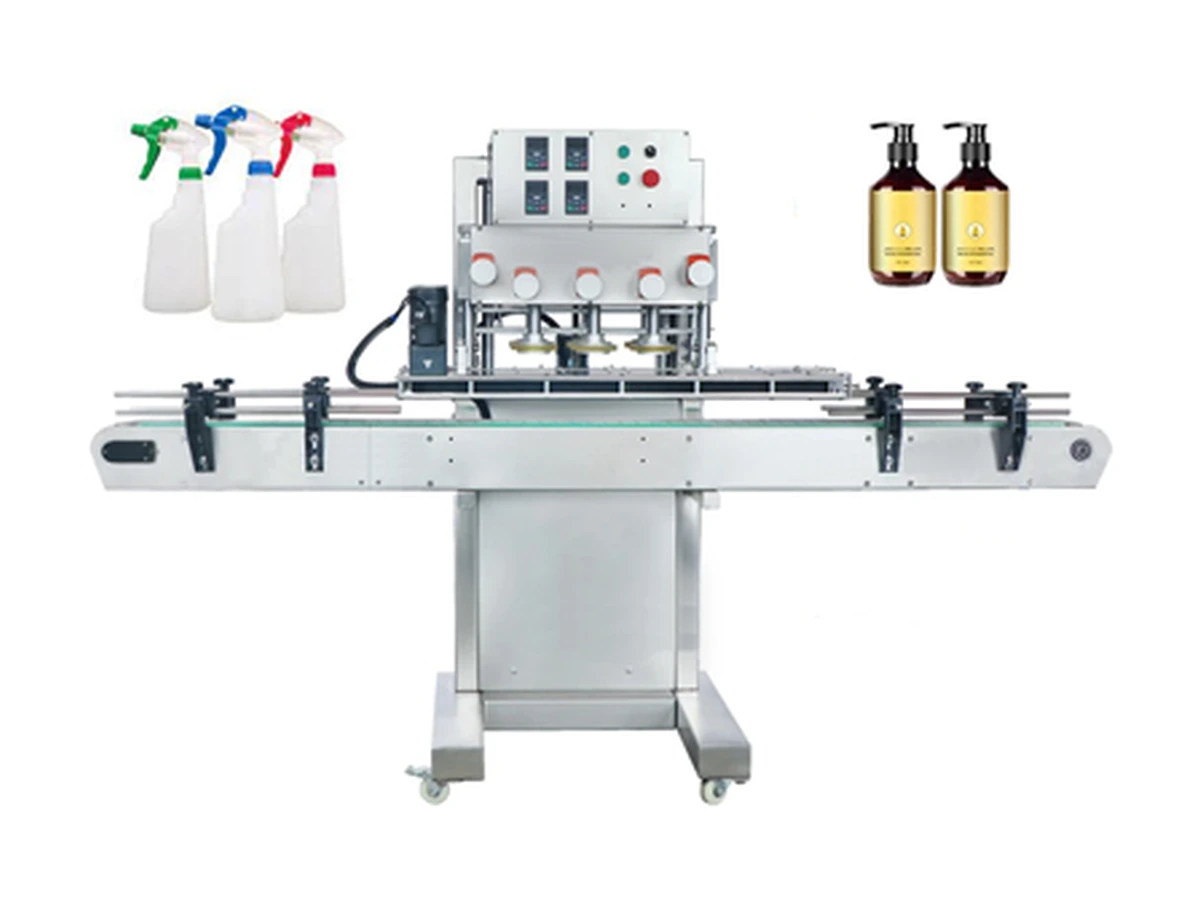
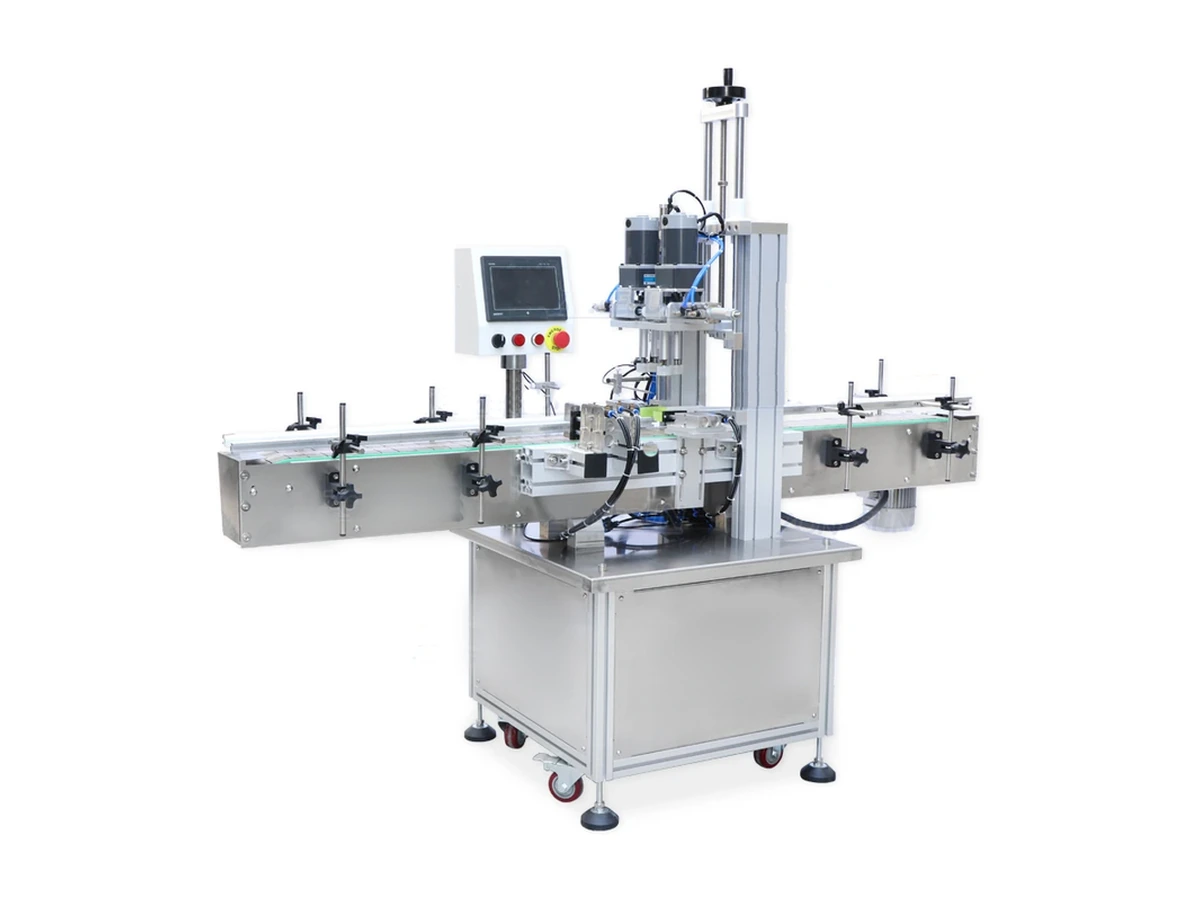
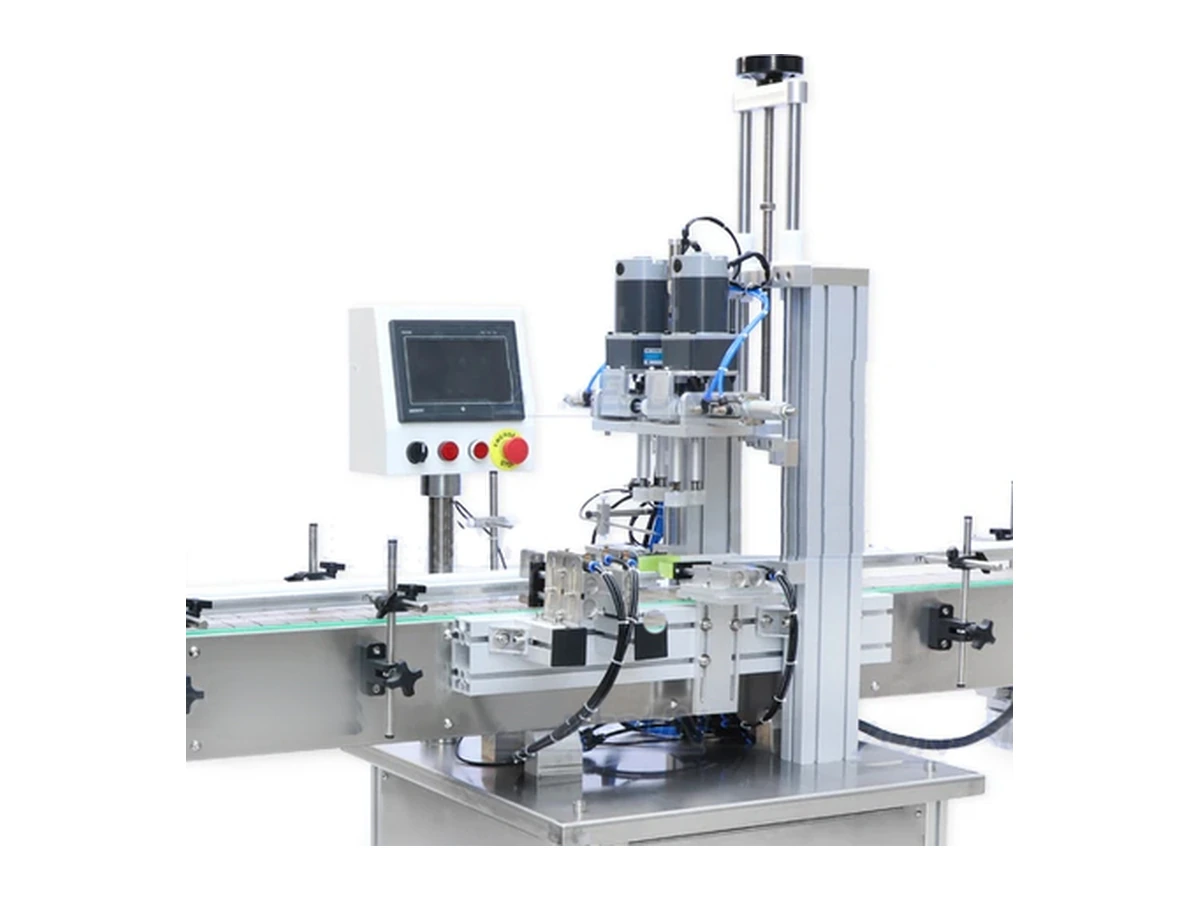
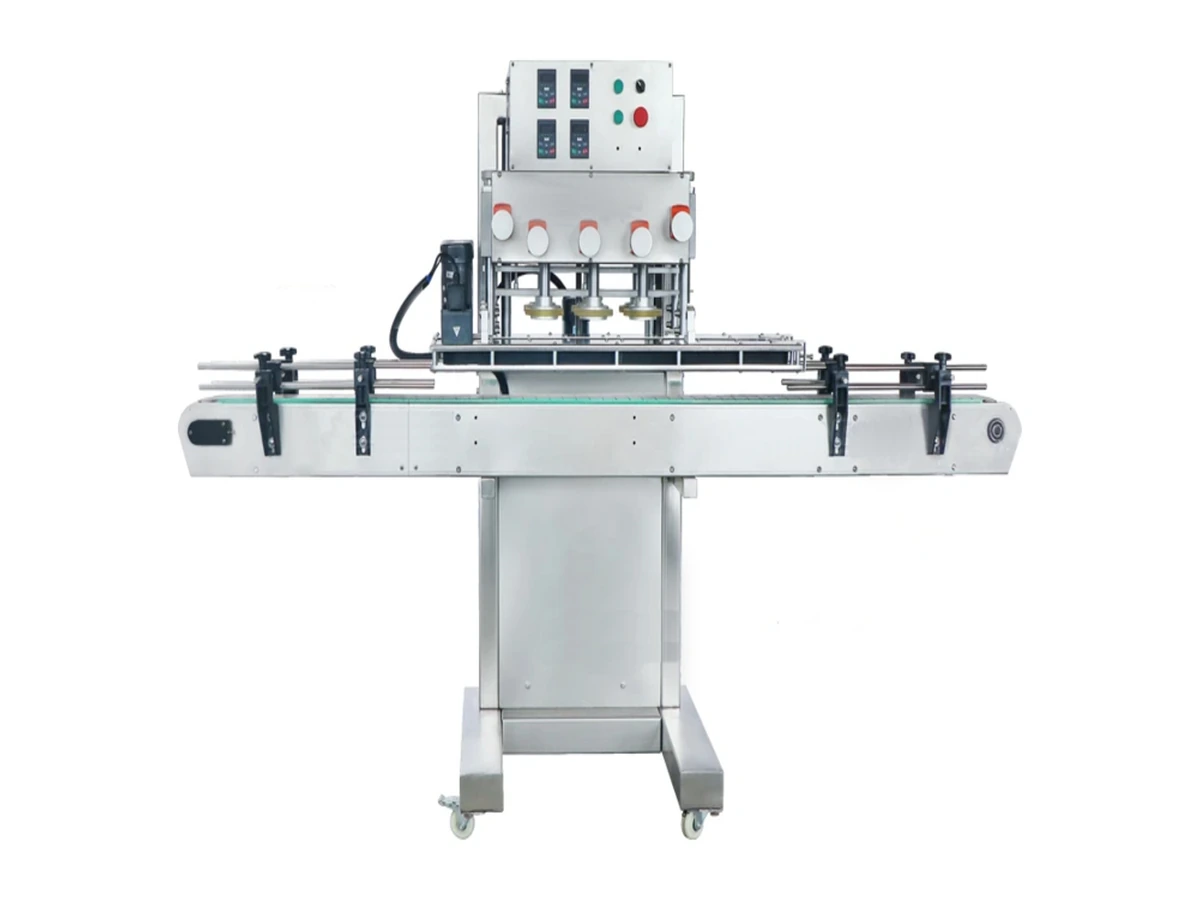
Trigger capper troubleshooting guide for spray bottle lines

Diagnose common trigger capping issues before deciding whether the line needs adjustment, tooling changes, feeder changes or a replacement machine.

Buyer guidance

What this page helps you decide

Diagnose common trigger capping issues before deciding whether the line needs adjustment, tooling changes, feeder changes or a replacement machine.

  • Cap misfeeds and orientation issues
  • Dip-tube entry problems
  • Inconsistent torque and cross-threading
  • Bottle instability on conveyors
  • Changeover and format setting checks
Trigger capper troubleshooting guide for spray bottle lines

Specification notes

Practical points before shortlisting machinery

These notes are written for buyers comparing a real trigger capping project, not for generic catalogue browsing.

Common trigger capping symptoms

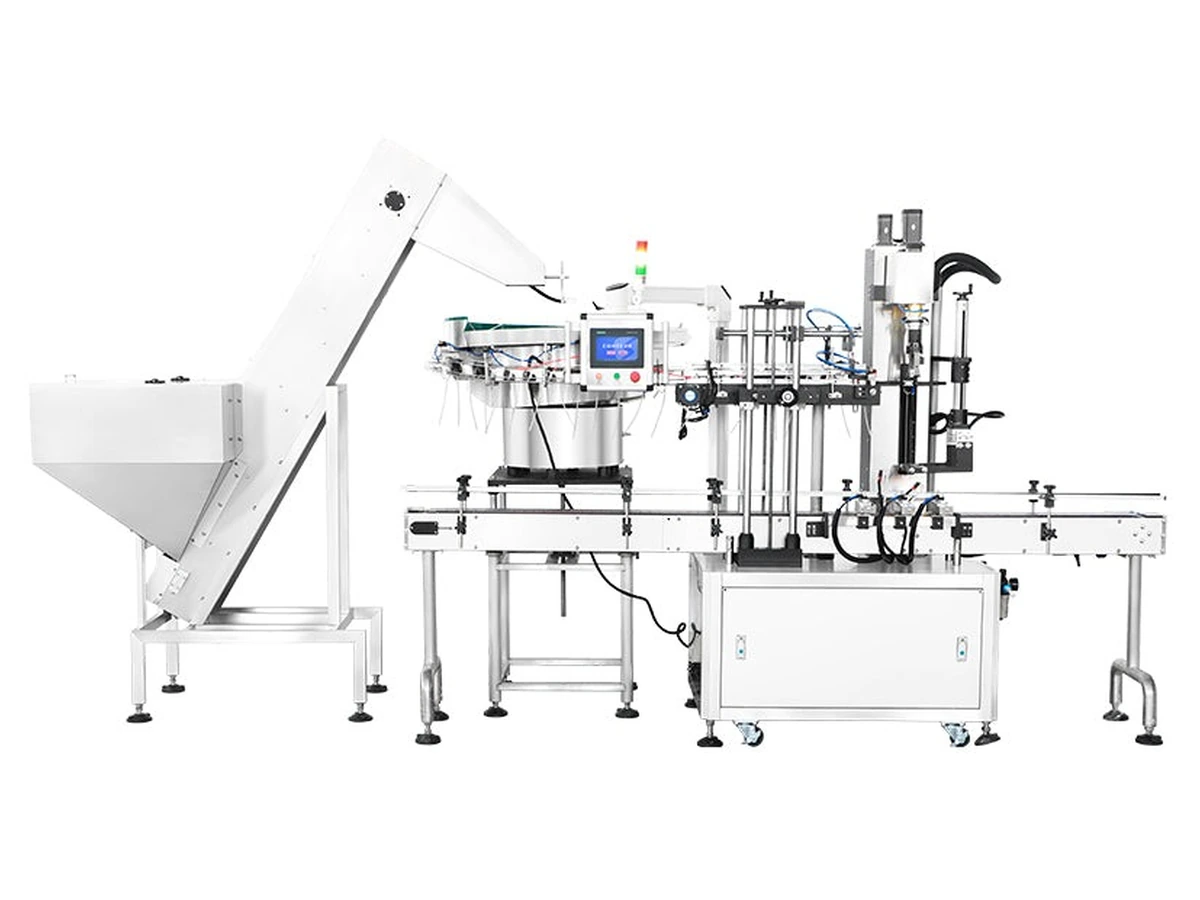
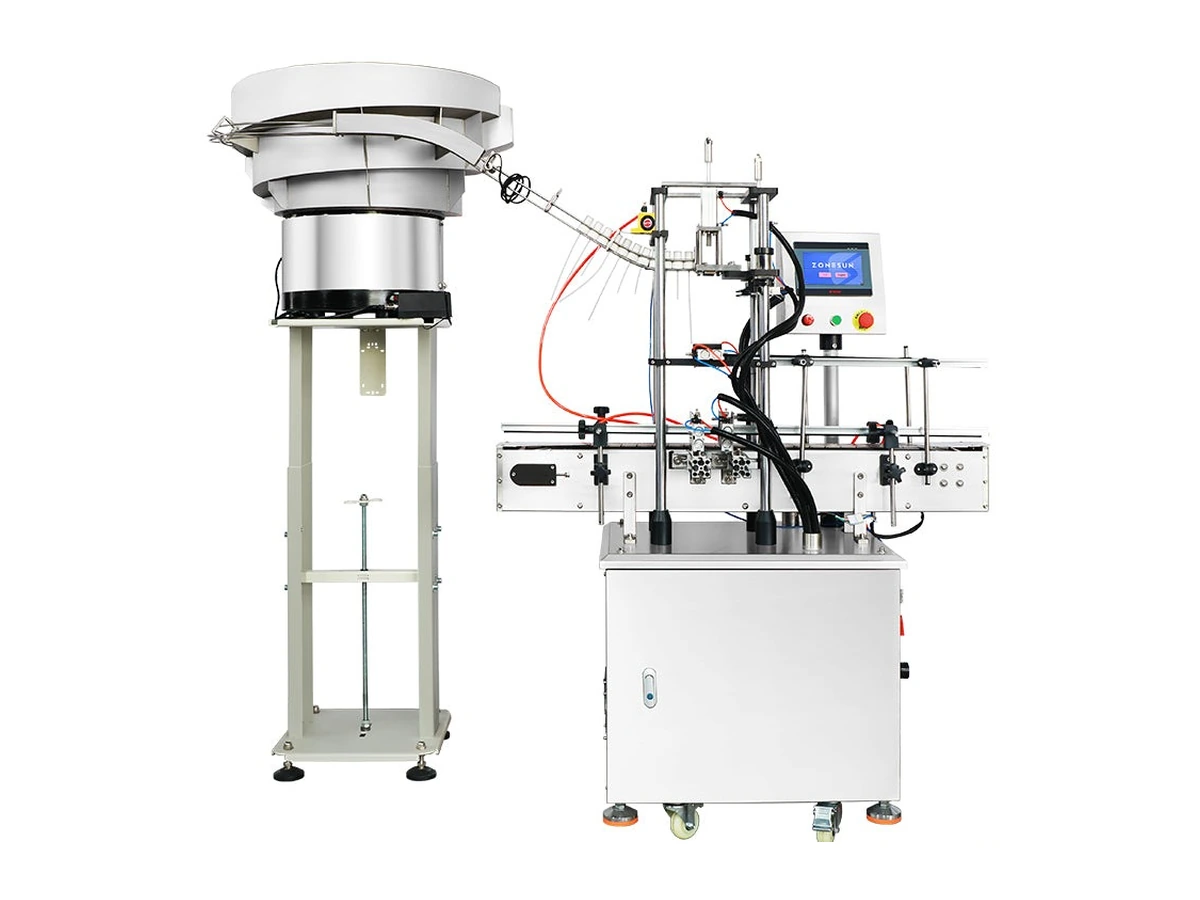
Typical problems include caps arriving in the wrong orientation, dip tubes missing the neck, inconsistent torque, bottle wobble, cap cross-threading, damaged triggers, slow operator placement and stoppages at the feeder. Each symptom can have several causes, so diagnosis should start with the pack and process, not just the capping head.
Where to look first

Check bottle stability, guide rail adjustment, cap dimensions, tube length variation, feeder cleanliness, conveyor speed, capper height, torque setting and whether the cap is seated before tightening. If several cap styles are being run, confirm that the changeover settings match the active format.

When to re-specify the machine

If the line has outgrown manual placement, if cap feeding cannot be made reliable, or if new SKUs fall outside the original machine range, it may be time to review the capper configuration. Lancing can assess whether adjustments, change parts, a feeder upgrade or a different capping route is more appropriate.

Machine options

Trigger capping machines to compare

Use these product pages to compare available machine families and then send Lancing your sample details for configuration advice.

Related search routes

Pages that support this buying decision

These internal routes strengthen the trigger-capping topic cluster and help users move from research into a machine enquiry.

FAQs

Questions buyers ask

Why are trigger caps cross-threading?

Common causes include poor initial seating, bottle movement, incorrect capper height, unsuitable torque settings or inconsistent cap presentation.

Why does the dip tube miss the bottle?

The cap may be poorly oriented, the tube may be too flexible, the bottle may be mispositioned, or the guide system may not suit the pack.

Can troubleshooting avoid buying a new machine?

Sometimes. Adjustments, tooling or feeder changes may solve the issue. In other cases, the original machine may not suit the new production requirement.

Need a trigger capping recommendation?

Send the bottle, cap, tube length, output target and current line details. Lancing can help shortlist the right route.

Fault isolation

Capture the sequence before changing settings

Repeated adjustment can hide the original cause. Record the component, format, machine state and event sequence before moving guides, feeder tooling, head height, wheel pressure or control delays.

Evidence to captureWhy it matters
Last known good pack and first known defectDefines the affected window and whether the condition developed gradually or after a specific event.
Bottle, trigger and dip-tube lotSeparates component variation from machine or setup variation.
Machine state and alarm sequenceShows whether the issue followed starvation, blockage, replenishment, jam, restart or normal running.
Images or slow-motion video of the transferCan reveal orientation loss, tube contact, bottle movement or poor thread start that is difficult to see at speed.
Cap height, torque and visual resultSeparates incomplete placement from final-tightening or measurement issues.
Adjustment and outcomePrevents multiple unrecorded changes and supports return to the approved setup.

Fault questions

Further questions for evidence-led trigger capper troubleshooting

Intermittent faults are easier to solve when the line state, format and affected packs are recorded together.

Why can a trigger capper run well at slow speed but fail at normal demand?

Slow running can hide timing, buffer, spacing and stabilisation limits. At normal demand, closures may arrive with less margin, bottles may move more, and small feeder or hand-off variations can accumulate. Reproduce the fault with the normal operator and replenishment tasks included.

Why do faults appear only after a format change?

A changeover can leave an incorrect part, setting, recipe, height, guide position or inspection reference. The new bottle and closure may also expose a different stability or tube-entry challenge. Compare the completed changeover record with the last approved run before making further adjustments.

How do you separate feeder faults from capper faults?

Inspect the closure at the hand-off boundary. If orientation, spacing or tube condition is already wrong, investigate feeding and transfer. If the closure arrives correctly but placement, thread start or tightening fails, investigate the capper and bottle control. Record the boundary condition with sample and video evidence.

When should production samples be quarantined after a stoppage?

Hold packs whenever the stop could have affected closure presence, tube entry, seating, thread engagement, tightening or tracking. The hold should cover the defined period around the event and remain until the approved inspection and release criteria have been completed.

Evidence-led diagnosis

Check component identity and the affected-pack window before changing settings

A setting change can temporarily hide a component or handling problem. Before adjustment, record the last accepted inspection, the first known defect, bottle and closure lots, machine state and any replenishment, jam, maintenance or format event between them.

Start with containment

  • Stop accepting packs when the defect boundary is unknown.
  • Identify material in the machine, conveyor and downstream buffer.
  • Retain defect and approved comparison samples.
  • Record the current settings before making a change.

Separate likely sources

  • Compare bottle and closure lots with approved references.
  • Check feeder, placement, tube entry, support and tightening in sequence.
  • Review line events and operator interventions.
  • Approve first-off samples before normal acceptance resumes.

Should more torque be used to fix a high trigger cap?

Not until the cause is known. A high cap may result from a trapped tube, cross-threading, incomplete seating, bottle movement or placement height. Adding torque can damage threads, the closure or the bottle while leaving the original engagement problem unresolved.

When should component lots be compared during troubleshooting?

Compare component lots whenever a defect begins after replenishment, supplier change, new delivery, prolonged storage or changed packaging condition, and whenever the same machine settings produce a different result. Record both accepted and affected lot identities before adjustment.

What should be recorded before a trigger capper adjustment?

Record the format, component lots, current settings revision, machine state, defect category, sample result and recent events. Photograph or retain the affected pack where useful. This protects the evidence needed to show whether the adjustment corrected the cause or only changed the symptom.

How is the first good pack after recovery defined?

The first good pack is not simply the first bottle to leave the machine. It is the first pack after the transfer path has been checked and the agreed tube-entry, thread, cap-height, torque/functional, appearance and orientation checks have passed. The site should also define what happens to packs between the fault and approval.

Call now01494 623015