Buyer guide

How to choose a trigger capping machine

A practical checklist for choosing trigger-spray capping equipment, cap feeding routes and automation level.

Step 1

Start with the physical closure

Trigger sprayers are awkward because the body is asymmetric and the dip tube can bend. The machine must be selected around the real cap sample, not just a catalogue diameter. Check cap diameter, trigger body width, tube length, tube stiffness and how the closure arrives at the machine.

Where caps are inconsistent, a bowl feeder, elevator, gripper or tube straightening system can make more difference than a higher headline speed.

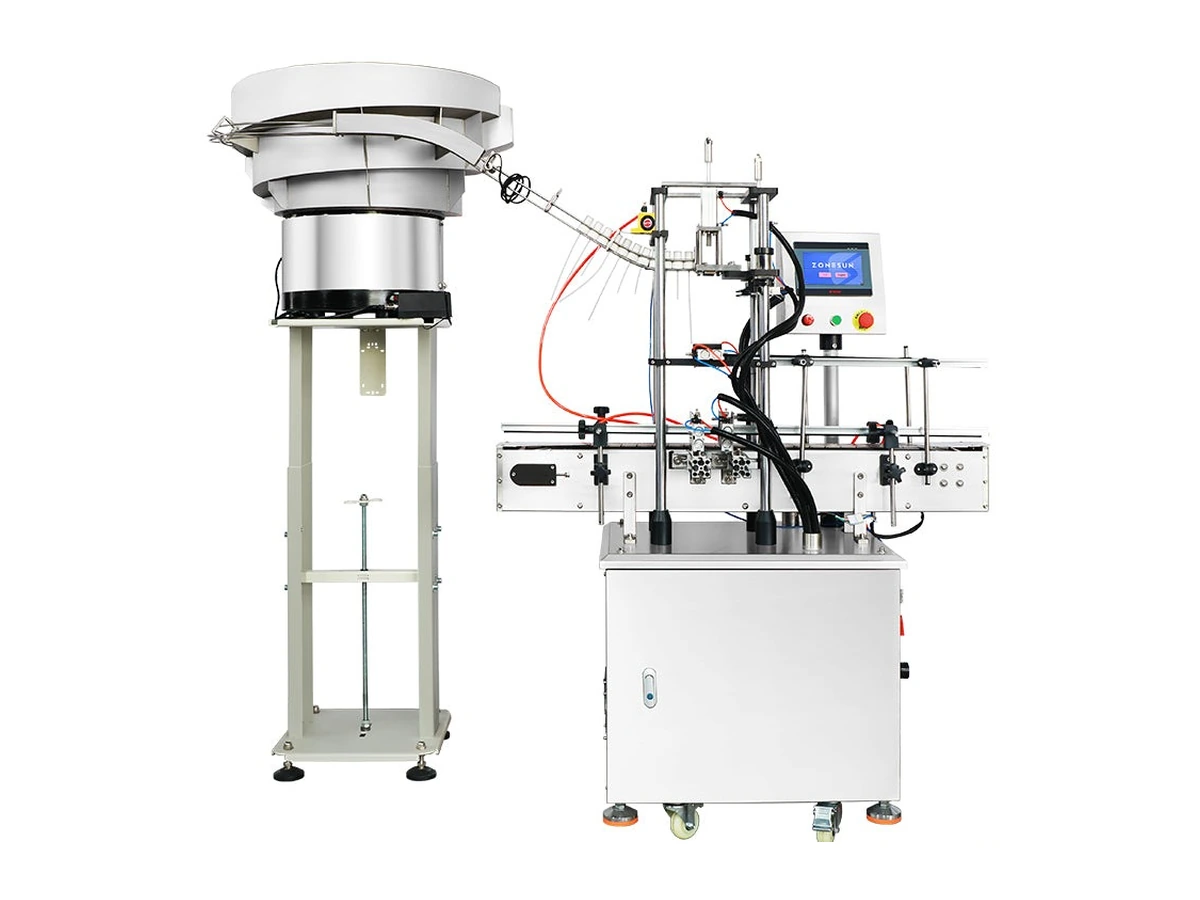
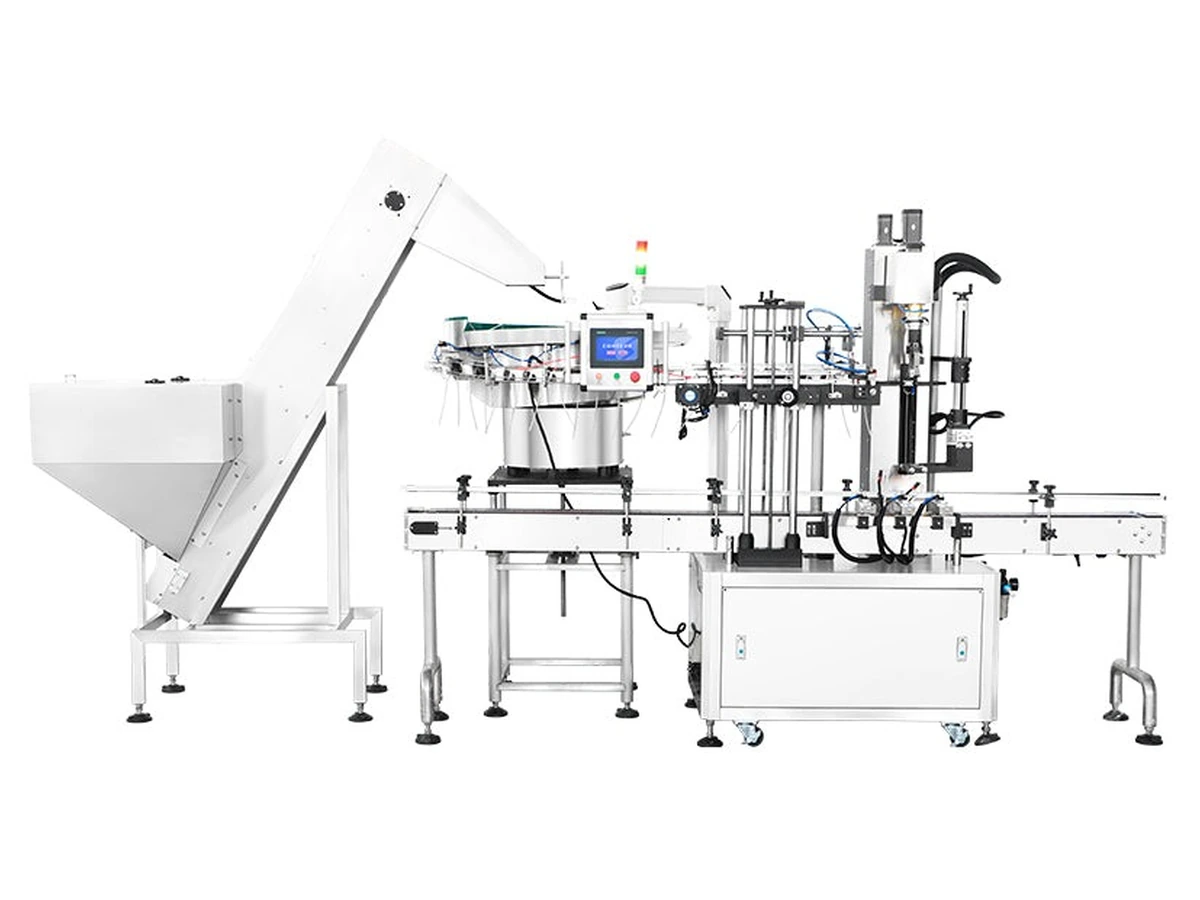
Trigger cap feeder equipment

Manual presentation

Lower-cost route for smaller batches where the operator places caps before tightening.

Feeder assisted

Useful where trigger caps need sorting, orientation and controlled presentation.

Fully automatic

Best for larger outputs where cap feeding, placement, tube handling and tightening are part of the same line.

Checklist

What to confirm before requesting a quotation

Bottle format

Diameter, height, weight, shape, material, shoulder design and stability through conveyor guides.

Cap and tube

Trigger body size, cap diameter, tube length, tube stiffness, thread style and closure torque expectation.

Output and labour

Target bottles per minute, operator loading method, shift pattern and future capacity plans.

Line interfaces

Existing filler, conveyor height, labeller, coding, accumulation and available air and electrical services.

Compare machines

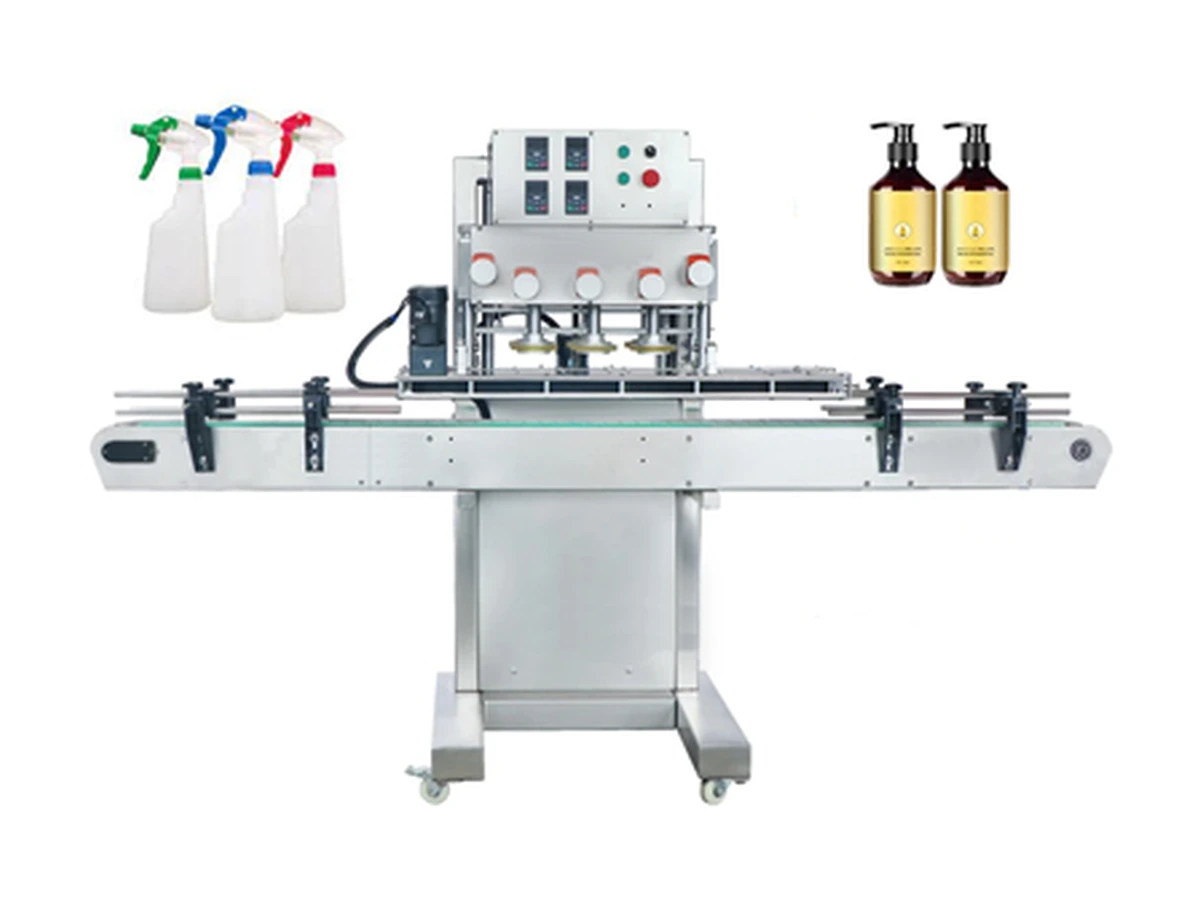
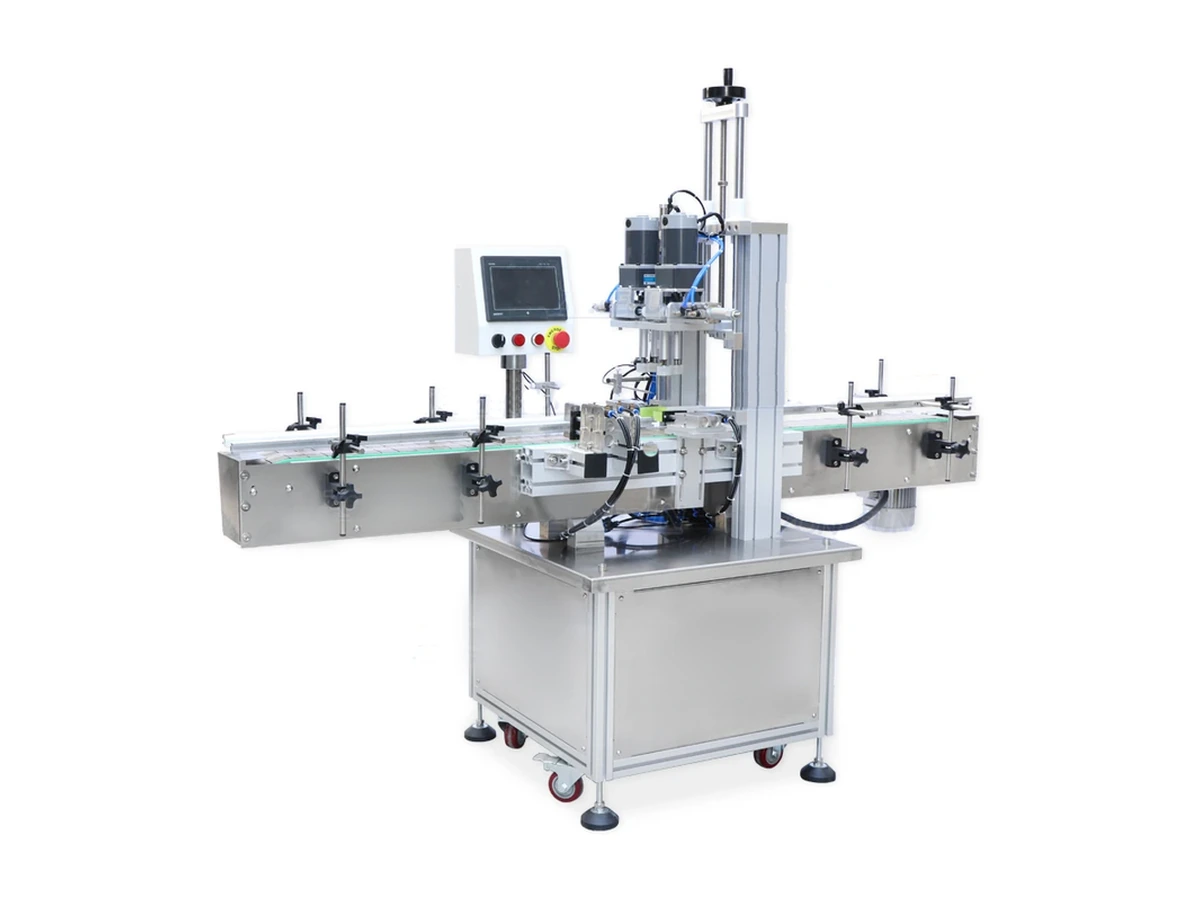
Trigger capping machines to consider

URS essentials

Build the selection around measurable requirements

Before comparing models, convert the production need into a short user requirement specification. This prevents a generic capper from being selected without the feeding, tube handling or bottle support the real pack needs.

Must-have performance

Sustained accepted output, pack quality, operating hours, changeover frequency and required availability.

Pack range

Complete bottle, closure and tube matrix with drawings, samples and tolerances.

Operating environment

Space, access, utilities, cleaning, product risk, guarding and integration with existing equipment.

Verification plan

Factory and site tests, run duration, sample set, quality checks, documentation and training.

NeedDescribe the production problem and what improves when the project is complete.
Scope boundaryState what the supplier is responsible for from bulk caps and bottle infeed to accepted discharge.
ConstraintsFootprint, access, utilities, noise, cleaning, materials and existing line interfaces.
PerformanceSustained rate, rejects, changeover, quality window and recovery from normal faults.
DeliverablesMachine, tooling, drawings, manuals, spares, FAT/SAT, installation and training.

Acceptance method

Turn the user requirement specification into a repeatable trial

A useful trigger-capper trial does not only show that the machine can run one ideal pack. It demonstrates the agreed format range, normal replenishment, controlled stops, inspection method and changeover process.

Build a representative sample matrix

Include every production bottle and closure combination, then identify the worst cases rather than testing only the easiest pack. The longest tube may be difficult to guide; the shortest bottle may change head height; the lightest bottle may rotate under torque; and a shaped bottle may need different guide contact.

Bottle set
Minimum and maximum height, width, filled weight, centre of gravity, material and neck finish.
Closure set
Cap diameter and height, trigger body envelope, nozzle direction, thread, tube length, stiffness and curvature.
Age and tolerance
Use normal production-age components and include expected dimensional variation where samples are available.
Line state
Confirm whether samples are empty or filled, capped immediately after filling, and presented at the real conveyor pitch.

Define measurable acceptance criteria

Write the measurement method before the trial. Torque results are only comparable when the same instrument, timing and technique are used. Cap height needs a fixed bottle and cap reference. Orientation needs a defined angular or visual acceptance rule. Tube entry and cosmetic damage need an agreed inspection standard.

  • Accepted output during a stated run duration and feed/replenishment method.
  • No cross-threading or visibly cocked closures in the accepted sample.
  • Dip tubes fully inside the intended bottle with no agreed unacceptable damage.
  • Torque and cap height within the project-specific limits supplied or approved for the pack.
  • Required trigger direction maintained where orientation is part of the scope.
  • Controlled recovery after feeder starvation, line stop and a representative jam condition.
Failure modeLikely area to investigateTrial boundary
Trigger arrives in the wrong directionBowl tooling, track reject, recirculation or transfer hand-off.Measure correct presentations and false accepts; do not treat total bowl movement as useful output.
Tube catches or bendsBulk tangling, tube straightening, track clearance, gripper path or bottle-neck alignment.Inspect tubes after circulation as well as after capping.
Cross-threaded or high capPlacement height, bottle centring, pre-threading, head timing or thread compatibility.Use a fixed cap-height reference and inspect after the agreed settling time.
Bottle twists or tipsGuide rails, side belts, clamping, filled weight or conveyor timing.Test the least stable filled format, not only an empty round bottle.
Torque spread is too wideCap contact, bottle support, thread start, head settings, cap variation or measurement method.Confirm the gauge and procedure before adjusting the machine.
Output falls after replenishmentInsufficient buffer, bulk loading disturbance, feeder demand control or operator workload.Include normal replenishment and short-stop recovery in the timed run.
Existing Lancing trigger-capping demonstration footage. Use the video to review bottle control, closure transfer and tightening motion; final suitability still requires trials with the production bottle, trigger and dip tube.

Selection questions

Questions to settle before choosing a trigger capping machine

What is the minimum useful sample set?

Every required bottle and trigger combination should be represented, with extra samples for the longest tube, least stable bottle and normal component variation.

Should the trial use empty or filled bottles?

Use the condition that represents production. Filled weight can materially change bottle stability, guide contact and the torque reaction during tightening.

How is pre-threading different from final tightening?

Pre-threading starts and seats the closure so the thread is engaged cleanly. Final tightening then applies the controlled closing action. The exact sequence depends on the selected machine.

How should a feeder buffer be specified?

The buffer should support normal capper demand and replenishment without excessive closure recirculation. Its practical capacity and controls must be proved with the real trigger and tube.

What should a jam-recovery test include?

Confirm safe stop, fault identification, access, removal of affected parts, inspection of the transfer path and a controlled restart with first-off pack approval.

When is another capping technology more suitable?

If closures are simple round screw caps, a generic spindle or chuck capper may be more appropriate. If the project is feeder-only or pump-only, use the specialist Lancing route for that intent.

Selection decision record

Document why the selected automation route is suitable

A short decision record helps prevent a machine being chosen on headline speed while closure feeding, operator workload, line controls or quality evidence remain undefined.

Decision areaQuestion to answerEvidence
Automation levelCan trained operators place and remove closures at the required accepted output, or is automatic feeding/placement needed?Representative timed work, normal replenishment and quality duties.
Closure handlingCan the trigger and dip tube be separated, oriented and transferred without unacceptable damage?Sample trial including component variation and recirculation.
Bottle controlCan the filled bottle resist placement and tightening without tipping, twisting, crushing or marking?Least-stable format tested at production weight.
Quality methodHow will tube entry, thread engagement, cap height, torque and appearance be accepted?Defined instruments, references, timing and project limits.
IntegrationHow will the capper respond to upstream starvation, downstream blockage, faults and restart?Interface and line-state schedule.
LifecycleWhat change parts, training, maintenance, spares and support are needed for the format range?Project scope and handover list.

Selection questions

Further questions before choosing a trigger capping machine

These details help convert a machine-family discussion into a testable user requirement.

Which closure drawings are useful before a trigger capper trial?

Provide bottle neck and finish information, closure skirt and thread details, overall trigger geometry, dip-tube dimensions and any required nozzle orientation. Drawings support the review, but production-intent physical samples remain necessary because flexibility, curvature and mould variation are not fully described by dimensions alone.

What makes a bottle suitable for side-belt support?

The bottle needs accessible contact zones that can be gripped without unacceptable deformation, marking or interference with labels and features. Shape, taper, panel flexibility, filled weight and centre of gravity affect the result. Test the actual bottle at the proposed guide and belt positions.

When should an inline route be compared with a rotary route?

Compare layouts when output, footprint, container handling, format range or integration requirements cannot be met confidently by one route alone. The comparison should use accepted production, changeover, operator work and quality evidence rather than a headline maximum speed.

What should be included in a trigger capper user requirement specification?

Include products, bottle and closure formats, dip tubes, target accepted output, operating pattern, quality checks, feeder and operator scope, utilities, line interfaces, guarding responsibilities, changeover, documentation, trials, FAT, SAT, training and aftercare expectations. Mark assumptions and untested formats clearly.

Call now01494 623015