Identify the change
Record supplier, drawing, mould, material, packaging and lot information. Do not mix old and new components before a comparison sample has been taken.

Incoming quality
Control bottle, neck-finish, trigger-body and dip-tube variation before components reach the capper, so supplier or lot changes are not mistaken for machine faults.
Answer first
Incoming quality checks confirm that production bottles and trigger closures still match the components used to specify and approve the capper. They should identify the supplier, revision and lot, then check the physical features that affect feeding, tube entry, thread start, bottle support, tightening and appearance.
The purpose is not to duplicate the supplier’s quality system or invent universal tolerances. It is to detect changes that may invalidate machine settings or finished-pack acceptance. Use approved drawings and retained samples where available, and agree an escalation route for anything outside the established reference.
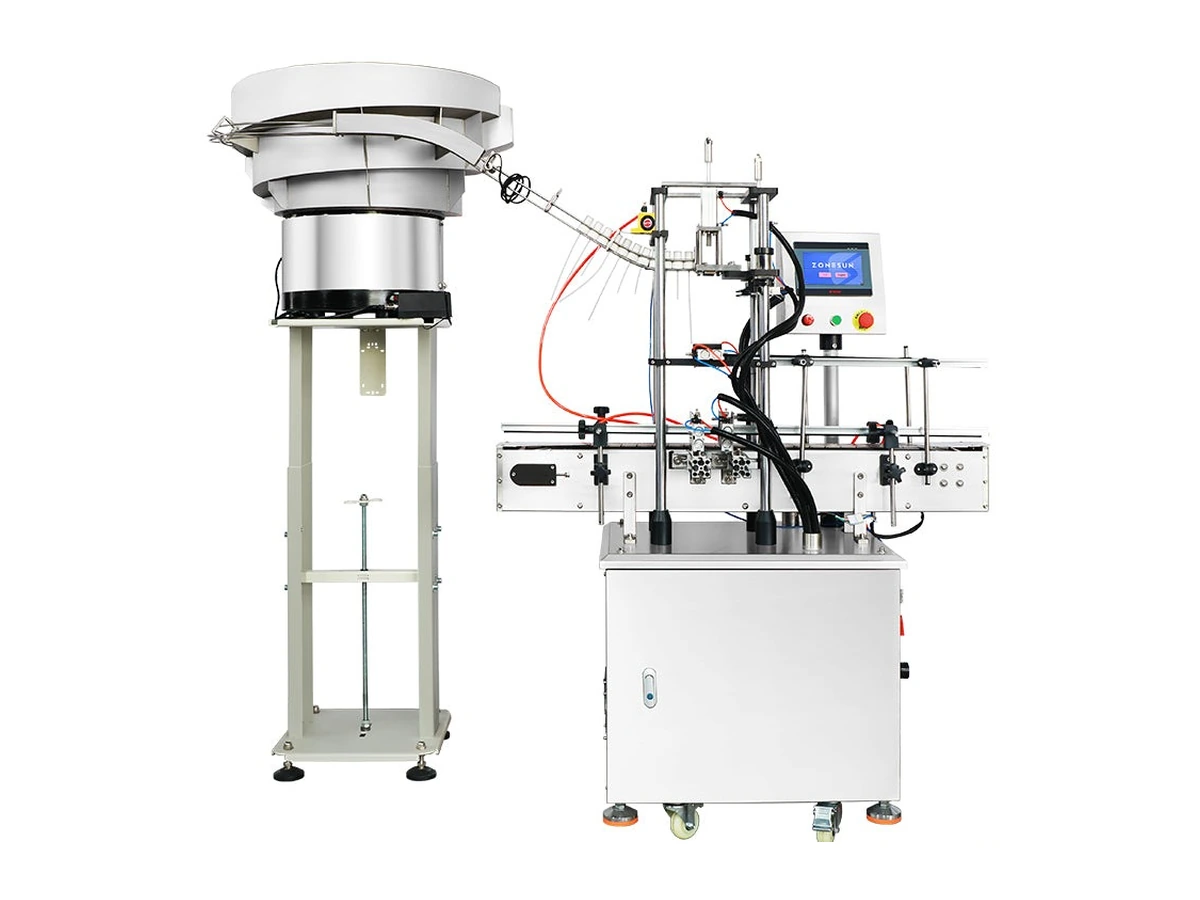
Inspection plan
| Component area | Examples of checks | Potential capping effect |
|---|---|---|
| Bottle identity and body | Supplier/revision, material, shape, height, base, wall condition, filled stability and approved contact areas. | Guide setup, conveyor transfer, side-belt or clamp pressure, tipping, twisting and cosmetic marking. |
| Neck finish | Drawing/revision, thread condition, damage, flash, contamination, neck height and sealing features. | Cap seating, thread start, cap height, torque/functional result and leak-related performance. |
| Trigger body | Supplier/revision, lever/nozzle position, moulding condition, ribs, distortion and surface finish. | Bulk separation, orientation, gripper contact, placement, tightening and final appearance. |
| Thread and closure skirt | Damage, distortion, contamination, liner/seal where applicable and comparison with approved sample. | Pre-threading, cross-threading, seating, torque variation and high caps. |
| Dip tube | Agreed length reference, outside diameter, end cut, curvature, attachment, kink, cut, flattening or contamination. | Bowl tangling, track clearance, false orientation, bottle entry, trapping and functional delivery. |
| Bulk packaging condition | Compression, heat exposure, nested parts, tube set, dust, static and normal replenishment presentation. | Separation, recirculation, orientation, tube damage and operator loading consistency. |
Lot changes
Record supplier, drawing, mould, material, packaging and lot information. Do not mix old and new components before a comparison sample has been taken.
Use the dimensions and visual features already agreed for the project. Photograph or retain differences at feeder, placement, thread, tube and tooling contact points.
Use the approved settings first. Check feeding, orientation, tube entry, thread engagement, cap height, torque/functional result and appearance before normal production acceptance.
If the new lot changes behaviour, investigate the component difference before altering settings. Record any authorised adjustment and repeat first-off approval.
Use lot introduction time, run log, machine events and inspection history to identify which packs require hold, recheck or other site-defined disposition.
Records
Buyer questions
Settings may accommodate an approved range, but repeated compensation can hide a component change and reduce process margin. Compare the new component with the approved reference first, then authorise and document any setting change only after the cause and effect are understood.
Prioritise features that affect the actual machinery route: thread and skirt, trigger-body orientation features, moulding condition, surface/contact areas, dip-tube attachment, agreed tube length reference, tube curvature and the condition created by bulk packaging.
The tube end can catch during bottle entry, while a loose, damaged or inconsistent attachment can change bowl and track behaviour. Record the cut condition, flattening, contamination, curvature and attachment against the approved production sample.
The site should define a risk-based sampling plan using supplier history, component criticality, lot size, change status and quality requirements. This guide does not set a universal sample number. Increase checks when a new supplier, mould, material, packaging or defect trend is introduced.
Incoming components are normally assessed against their approved physical and supplier requirements; the finished closure result is measured after application using the project method. Where a component-specific test is needed, define the instrument, assembly, timing and limit with the bottle and closure suppliers.
Treat the new closure as a new format until its geometry, thread, tube, packaging and machine behaviour are compared. Review feeding, tooling, settings, guarding contact, quality checks, change parts and acceptance scope before routine production release.
Use the compatibility guide, the answer on dip-tube length specification and the finished-pack inspection guide.
Send approved and changed samples, supplier/revision details, photographs and the observed machine or finished-pack effect.