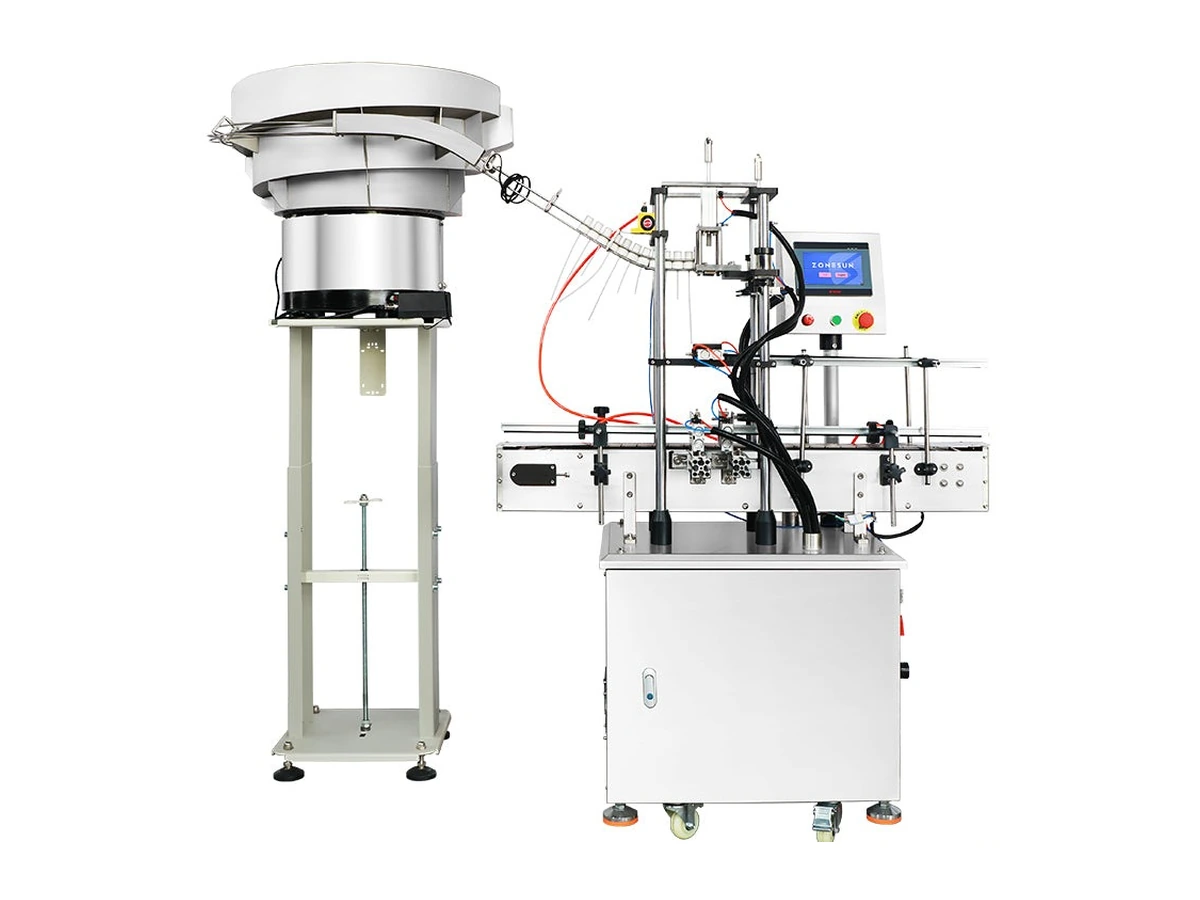
Dip-tube definition

How is dip-tube length specified for trigger capping?

Use an agreed closure reference point and state whether the value is total or usable length, then record tube material, outside diameter, end cut, curvature and attachment condition.

Direct answer

Dip-tube length must be tied to a defined reference point

For trigger capping, dip-tube length should be recorded from an agreed point on the closure or gasket to the tube end, with the record stating whether the value is total or usable length. Length alone is not enough: tube material, outside diameter, end cut, curvature, attachment and normal bulk-pack condition can change feeding and bottle entry.

Use the component supplier’s drawing where available and retain a labelled production sample. If different suppliers use different measurement conventions, translate them into one project definition before comparing parts or building machine tooling.

Trigger spray closure with dip tube for capping-machine specification

Measurement record

Record the tube as a component, not only a number

FieldWhat to defineWhy it matters
Reference pointThe exact point on the closure, gasket or tube attachment from which length is measured.Prevents two suppliers reporting different values for the same physical tube.
Length typeTotal, exposed or usable length, using the project’s agreed term.Links the drawing, bottle internal depth and machine trial.
Tube outside diameter and materialSupplier specification and production sample.Affects stiffness, curvature, guide clearance and resistance to damage.
End conditionCut angle or shape, burrs, flattening, damage and contamination.Affects entry into the bottle and the finished dispensing function.
Curvature and packaging setCondition after normal storage and bulk packaging, not only a manually straightened sample.Affects nesting, bowl circulation, track behaviour and bottle entry.
Attachment conditionInsertion depth, security, alignment and visible damage at the closure connection.A loose or angled tube can change feeding and placement behaviour.

Bottle relationship

Length must be reviewed against the bottle interior and process

Compare the tube with the bottle’s internal depth, base shape, shoulder and neck opening. The preferred finished position depends on the product and pack design and should be confirmed by the bottle and closure specification. The capping trial should check that the tube can enter without trapping, folding, cutting or forcing the trigger body out of position.

This page provides machinery-specification guidance, not a universal dip-tube design rule. Final tube length and function must be approved for the actual product, bottle and closure system.

Related questions

Questions about dip-tube length and behaviour

Should a trigger dip tube touch the bottle base?

There is no universal rule. The preferred position depends on the bottle interior, product, closure design and dispensing requirement. A tube that is too long may bend or obstruct placement; a tube that is too short may not meet the intended product-use requirement. Confirm the design with the component suppliers and test the finished pack.

Why can two tubes with the same nominal length feed differently?

Material stiffness, outside diameter, curvature, end cut, attachment angle and bulk-pack condition can all change how a tube nests, slides and enters tooling. Compare production samples and the full tube specification rather than assuming the nominal length makes them equivalent.

Do curled dip tubes affect trigger closure feeding?

They can. Curvature can increase tangling, drag, recirculation, false orientation or interference at hand-off. Trial closures taken from normal packaging and storage condition, and define what tube curvature or damage is unacceptable before loading the feeder.

When should dip-tube specification be rechecked?

Recheck after a closure supplier, tube material, diameter, cut, attachment, bottle or packaging change, and whenever feeding or tube-entry behaviour changes without a confirmed machine cause. Update the format record and repeat the affected trial checks.

Define your dip-tube sample correctly

Send the closure drawing or sample, the agreed length reference, bottle details, normal packaging condition and the proposed format range.

Call now01494 623015