Define the pack
Start with bottle size, neck finish, trigger cap type, dip-tube length and filled weight.

Manual to Automatic Trigger Capping UK
This guide is for companies replacing hand capping with a semi-automatic or automatic machine. It explains the practical trigger capping considerations that affect specification, quotation and performance after installation.
Buyer guidance
This page is aimed at companies replacing hand capping with a semi-automatic or automatic machine. The right machine route depends on the cap, bottle, dip tube, output target and the wider line rather than the machine name alone.
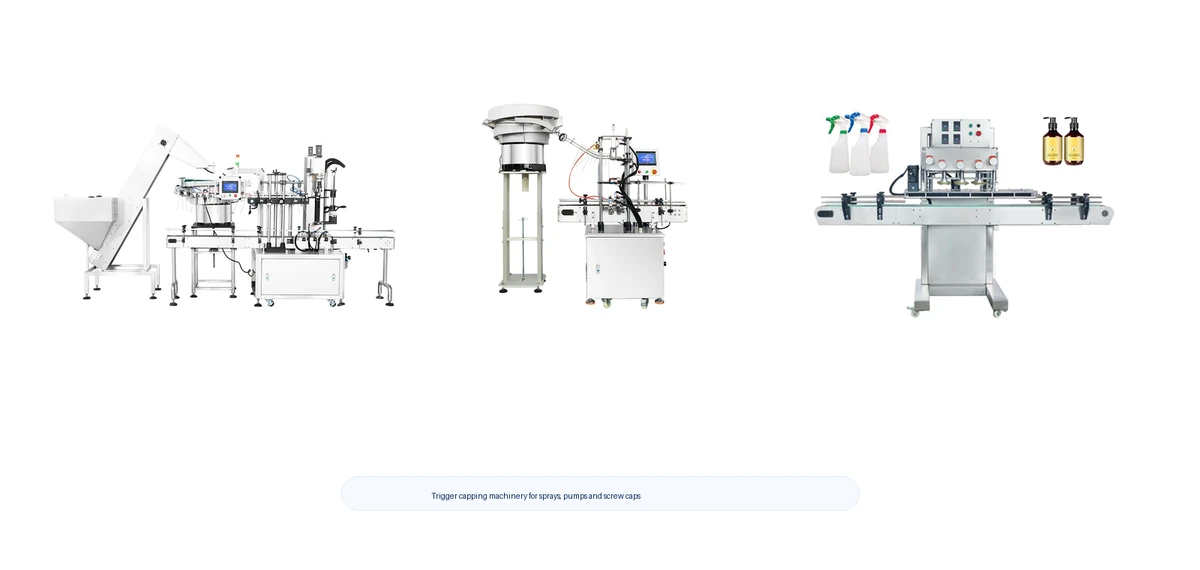
Specification priorities
These points help narrow the shortlist before samples are reviewed or a formal quotation is prepared.
Start with bottle size, neck finish, trigger cap type, dip-tube length and filled weight.
Compare required bottles per minute, shift pattern, batch size and operator availability.
Include installation, commissioning, operator handover, spares and practical aftercare in the project scope.
Related machinery
Use these machine routes to compare the practical equipment options before sending samples for review.
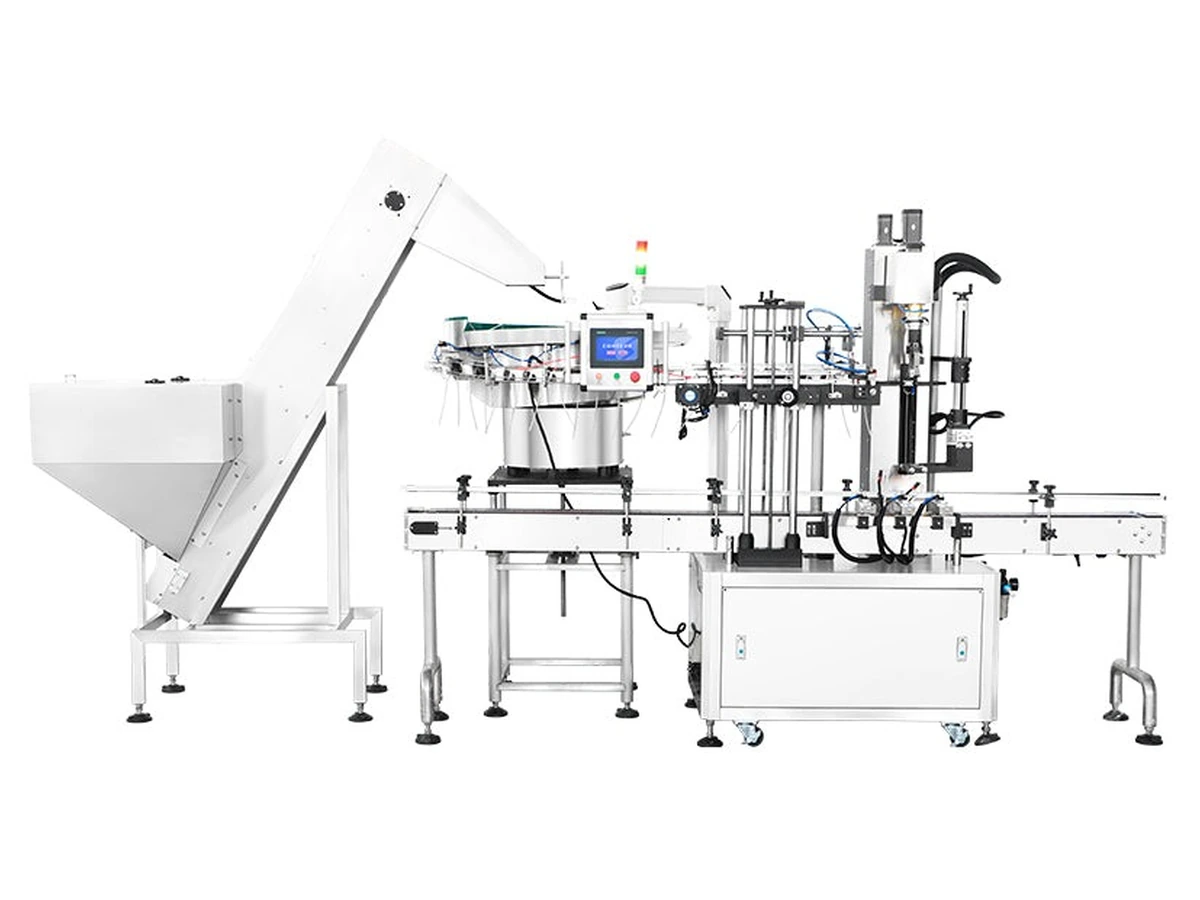
Automatic capping route for cleaning, home-care and chemical bottles with trigger sprayers.
View machine →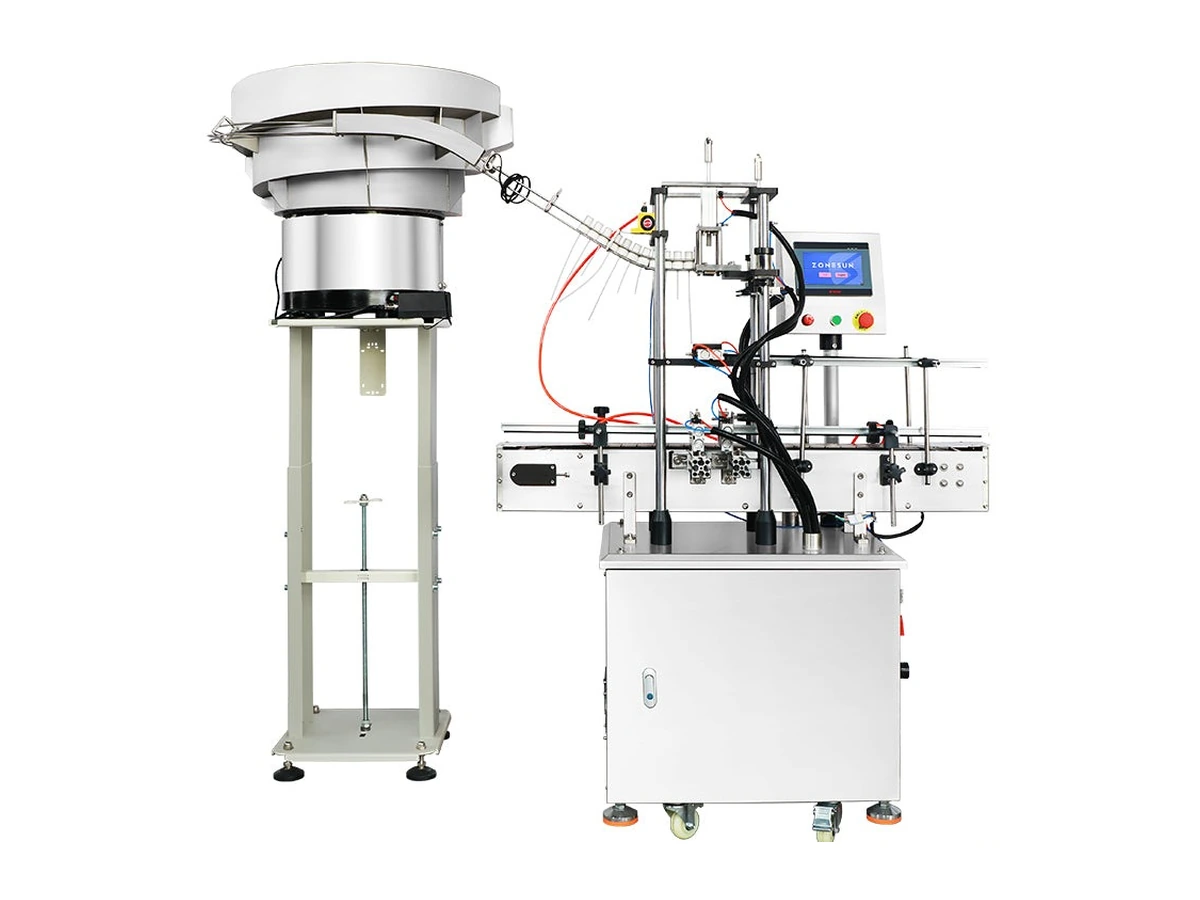
Feeding and orientation route for trigger sprayers with soft dip tubes.
View machine →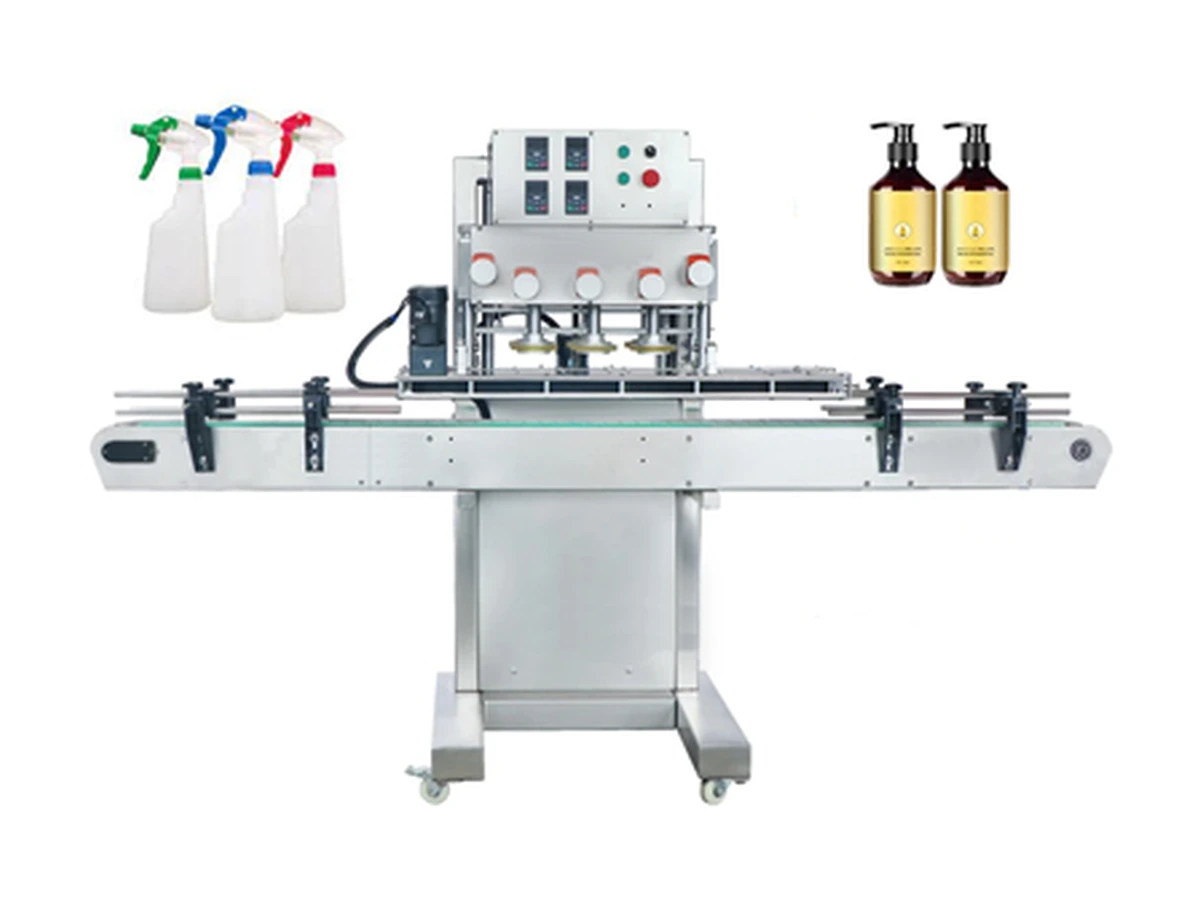
High-output inline belt and spindle capping route for compatible screw and spray closures.
View machine →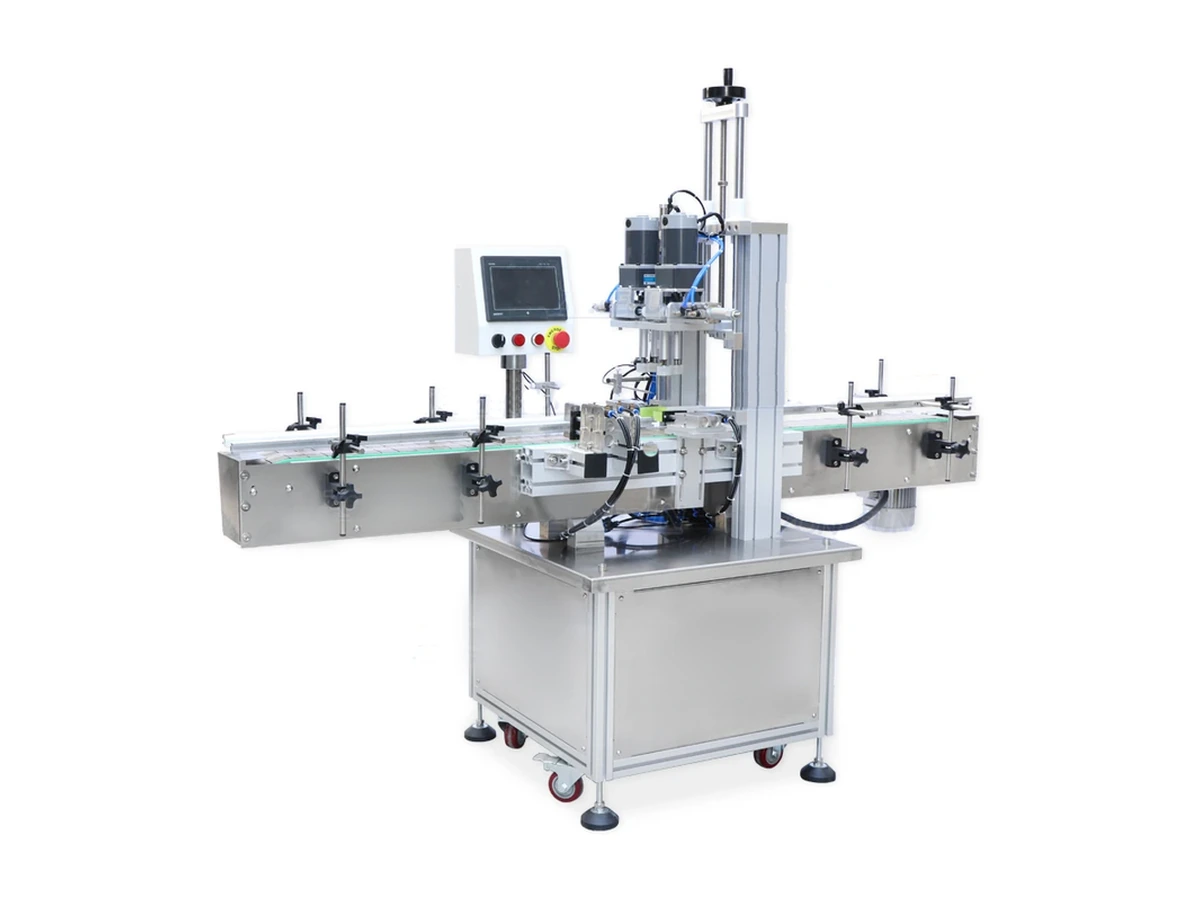
Automatic screw capping route for repeatable cap placement, torque and line integration.
View machine →Quick answers
Send bottle samples, trigger cap samples, tube length, product type, output target and line layout information.
Yes. Lancing can help compare manual-assisted, semi-automatic, compact and automatic trigger capping routes.
Yes. Filling speed, conveyors, labelling and pack-off can all affect the best capping-machine route.
Send bottle samples, trigger caps, dip-tube length, product details and target output. Lancing can help compare semi-automatic, compact and automatic routes.
Automation decision evidence
A fastest observed cycle does not describe normal trigger-capping production. The useful baseline is the number of accepted bottles produced with the normal operators, cap and bottle replenishment, inspection duties, changeovers, minor stops and rework included.
| Route | Typical operator contribution | What must be proved |
|---|---|---|
| Manual hand capping | The operator inserts the tube, places the trigger, starts the thread and tightens the closure. | Accepted output, ergonomic limits, torque consistency, cap height, tube damage and rework during a representative batch. |
| Semi-automatic tightening | The operator normally presents the bottle and closure while the machine controls clamping and the tightening cycle. | Safe and repeatable presentation, bottle stability, tool contact, finished-pack checks and sustainable operator pace. |
| Assisted feeding or placement | A feeder or transfer system controls part of the closure-handling task while an operator remains responsible for defined loading or checking work. | Correct orientation, tube protection, buffer performance, hand-off reliability and the actual reduction in repetitive handling. |
| Fully automatic inline capping | The line controls bottle transfer, closure presentation, placement and tightening, with operators replenishing materials and responding to defined faults. | Accepted output under agreed conditions, line-state handling, changeover, jam recovery and the quality of every agreed bottle-and-trigger format. |
Record accepted bottles, rejected or reworked packs, operator count, cap and bottle replenishment, planned checks, short stops and changeovers. Use normal production conditions rather than an isolated fastest minute.
Tube insertion, closure orientation, thread start, tightening, bottle handling or finished-pack inspection may limit output for different reasons. Automating the wrong stage can move the delay without improving accepted production.
A route that works for one rigid bottle may not suit the lightest, tallest or least stable format. Include every planned trigger family and worst-case dip tube in the comparison.