When semi-automatic is the better choice
A semi-automatic machine can reduce inconsistency without the cost and footprint of automatic cap feeding. It is often suitable for start-ups, pilot lines, laboratories and lower-volume production.

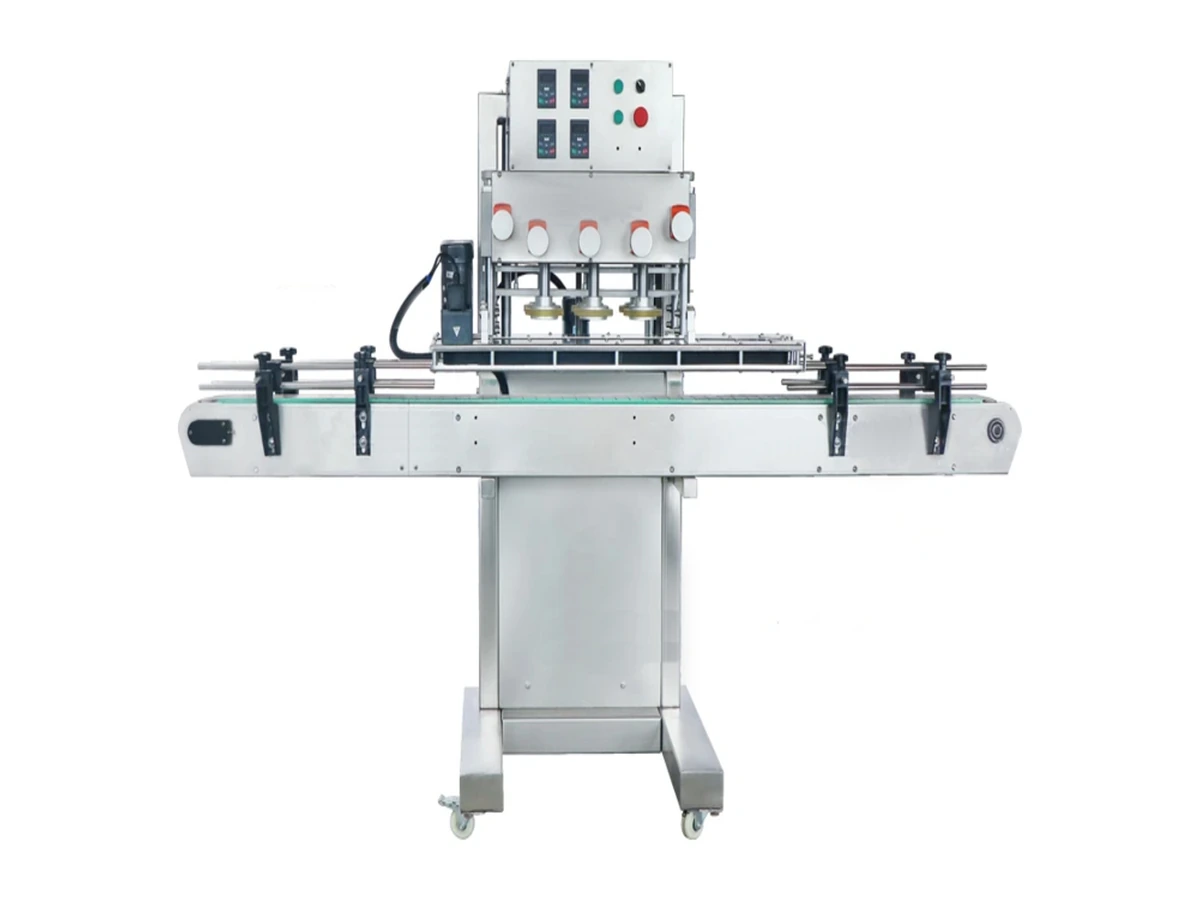
Semi automatic trigger capper
Semi-automatic trigger capping can be the right route when production volume is modest, changeovers are frequent or an operator can place the cap before the machine tightens it.
Buyer route
Semi-automatic trigger capping can be the right route when production volume is modest, changeovers are frequent or an operator can place the cap before the machine tightens it.
Specification notes
These are the practical factors that normally decide whether a simple capper, cap feeder, automatic trigger capper or integrated line is the right choice.
A semi-automatic machine can reduce inconsistency without the cost and footprint of automatic cap feeding. It is often suitable for start-ups, pilot lines, laboratories and lower-volume production.
The operator typically places the trigger, pump or screw closure, then the machine clamps or supports the bottle and applies the required tightening cycle.
A semi-automatic route can be a stepping stone before a later move to cap feeding, conveyors or full automation as demand increases.
Operator-assisted capping
A semi-automatic trigger capper can give controlled tightening without the cost and format-specific tooling of automatic cap feeding. The operator cycle and ergonomics must still be designed around the required sustained output.
The operator collects a closure, guides the tube into the bottle, places the cap squarely and presents the pack to the capping head or starts the cycle.
Smaller batches, many SKUs, development production, contract packing and applications where closure feeding is difficult or changes frequently.
Sustained output depends on operator pace, tube handling and replenishment. Fatigue and variation should be considered when setting the target rate.
Choose equipment and conveyors that can later accept automatic presentation or integrate with a higher-output line where practical.
| Operator tasks | Cap collection, tube insertion, bottle loading, cycle start, unload and quality checks. |
|---|---|
| Ergonomics | Working height, reach, repetitive movement, bottle weight, cap container position and safe guarding. |
| Cycle control | Foot switch, two-hand control, automatic sensor start or another safe and repeatable method. |
| Tightening result | Torque or cap-height window, cross-thread prevention and first-off verification. |
| Bottle support | Fixture or clamp matched to the bottle shape without marking or deforming the container. |
| Output trial | Measure sustained operator output over a realistic period, including cap replenishment and quality checks. |
| Future automation | Conveyor compatibility, space, controls and the possible addition of a feeder/placement system. |
Machine options
Use these product pages to compare the available machine families and then send Lancing your sample details for configuration advice.
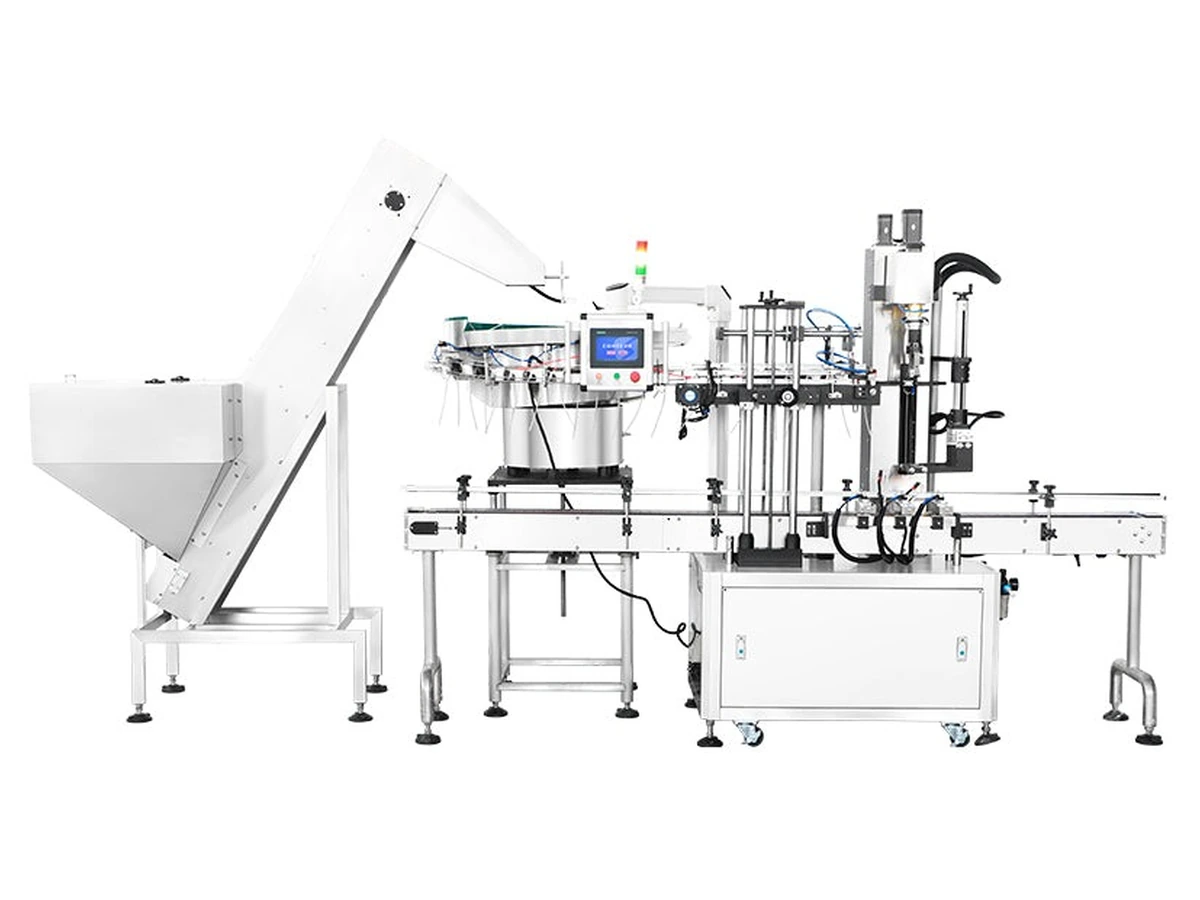
Automatic trigger capping route for cleaning, home-care and chemical bottles with trigger sprayer closures.
View machine →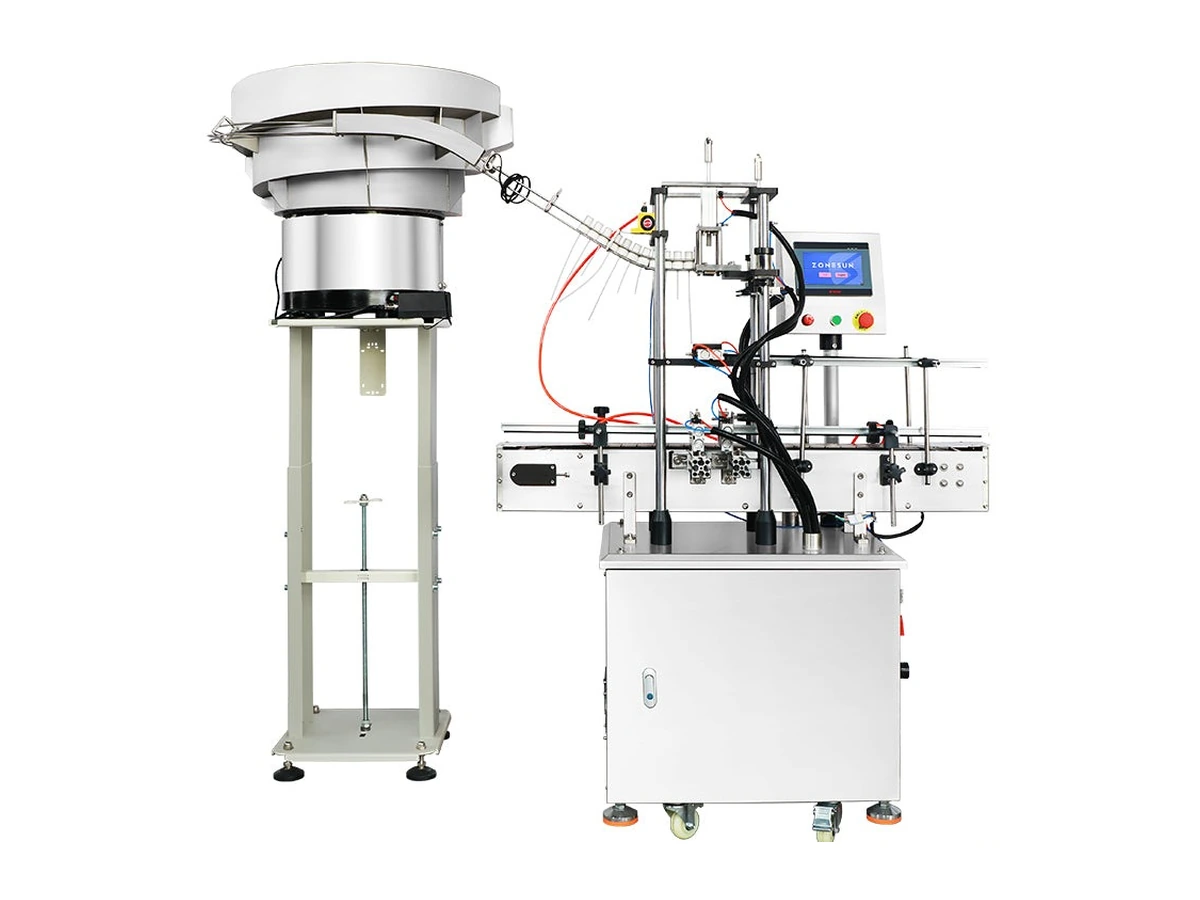
Cap feeding, orientation and dip-tube placement support for awkward trigger sprayer closures.
View machine →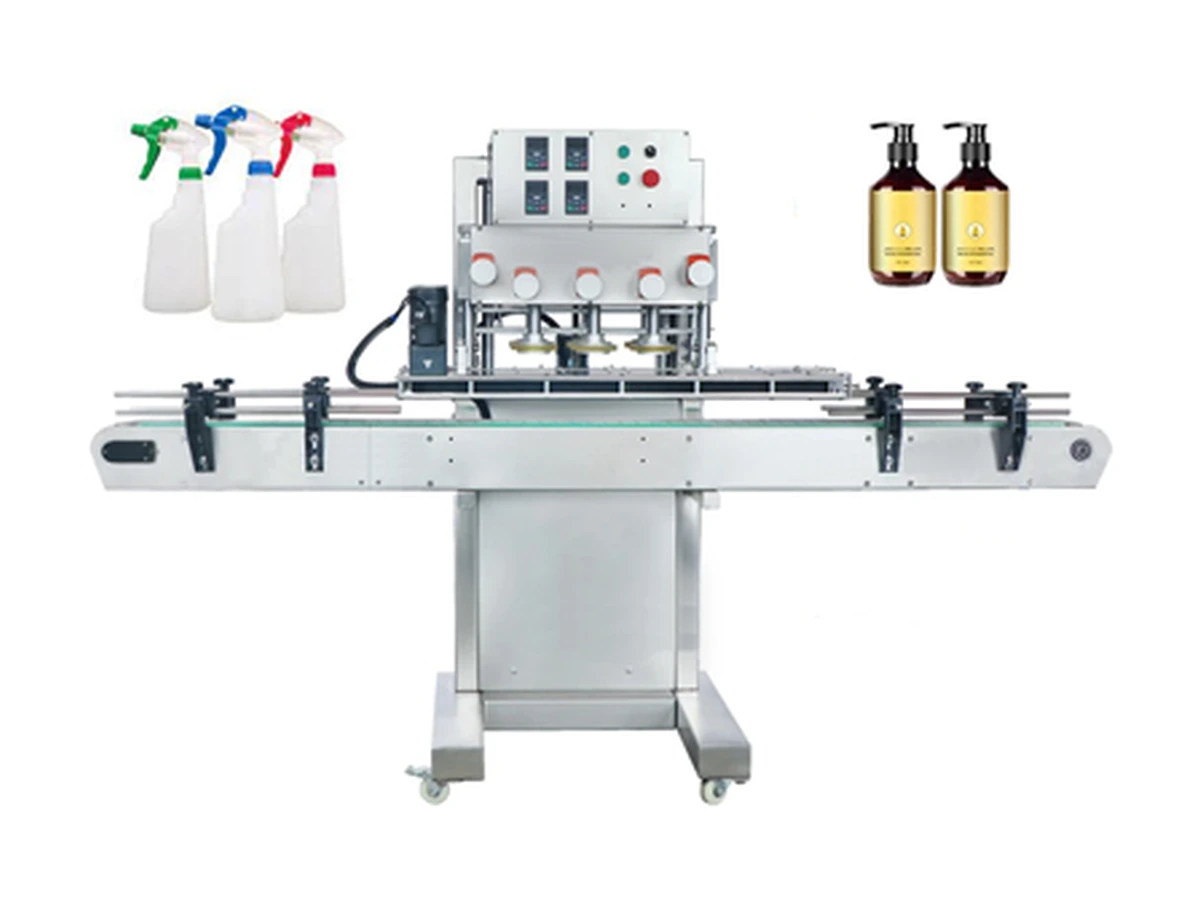
Inline belt/spindle capping route for higher-speed screw, spray and pump closure projects.
View machine →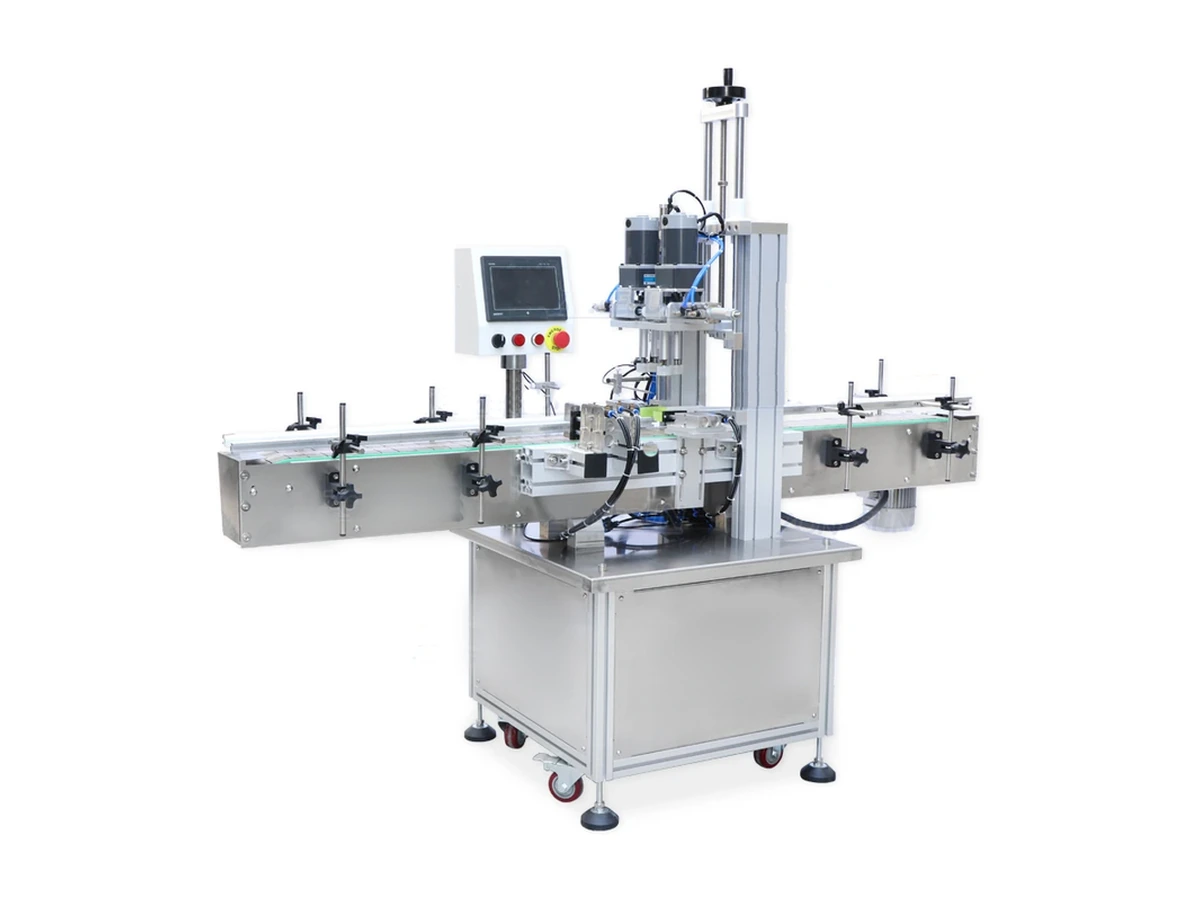
Pneumatic inline screw capper for spray, pump and screw-cap bottles with repeatable torque control.
View machine →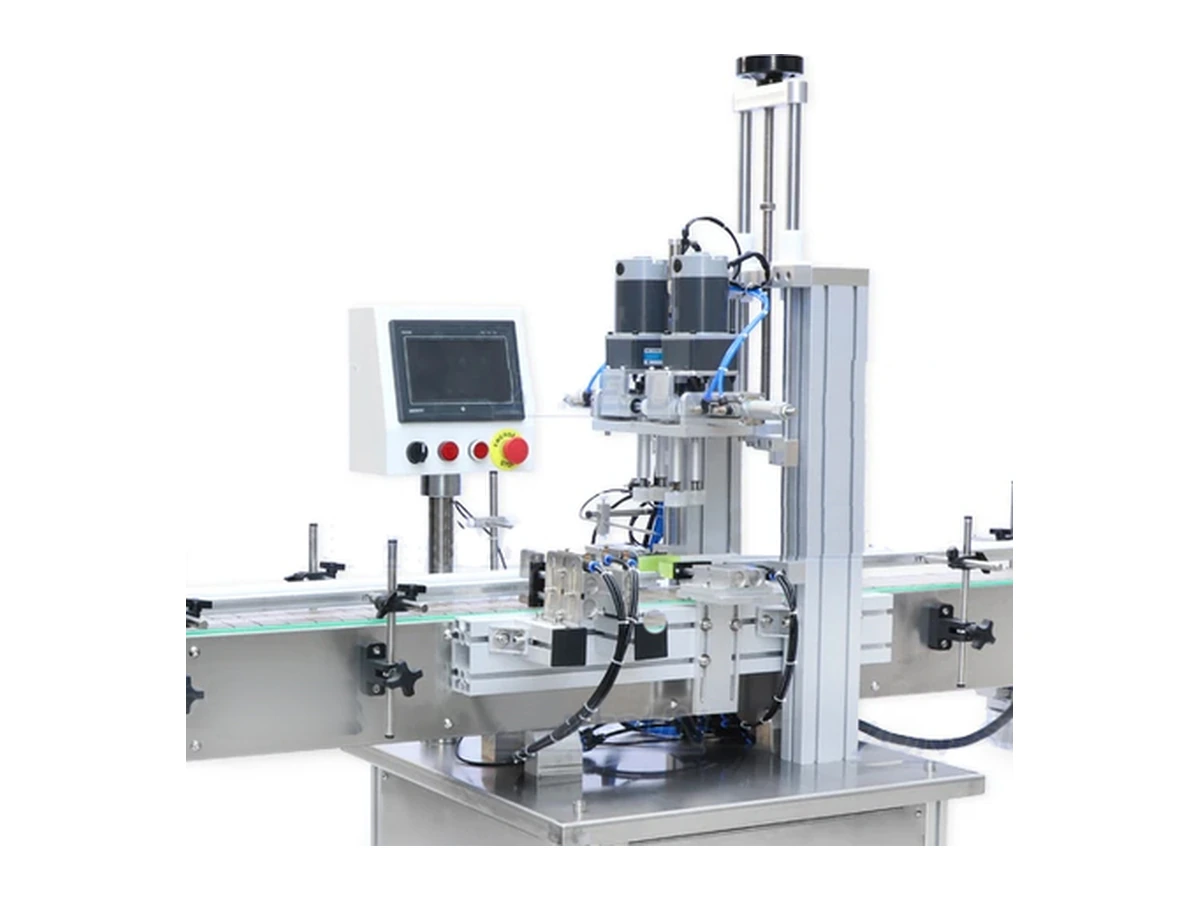
Space-saving screw capper for compact production areas, laboratories and lower-footprint lines.
View machine →Semi-automatic capping route for smaller batches, early-stage projects and manual-assisted operation.
View machine →Related searches
These pages build the trigger-capping topic cluster and help users move from broad research into a machine enquiry.
UK trigger cappers for spray bottles, pump closures and screw caps. Compare automatic trigger capping, cap feeding, dip-tube handling and Lancing support.
Read page →Pump capping machine options for pump bottles, trigger sprayers and screw closures. Compare torque control, cap placement and line integration.
Read page →Spray bottle capping machine options for trigger sprayers, pump closures and screw caps. Compare semi-automatic and automatic capping routes.
Read page →Trigger capper pricing guide for UK buyers. Understand what affects cost: cap feeding, automation level, output, tooling, installation and support.
Read page →FAQs
It depends on operator workflow, cap placement time and required output. Lancing can compare the semi-automatic route against compact or automatic options.
They can be considered where the operator places the trigger closure and the machine provides consistent tightening.
Upgrade when manual cap placement limits output, causes inconsistent quality or creates too much labour demand.
Send the bottle, cap, tube length, output target and current line details. Lancing can help shortlist the right route.