Control the components
Record bottle, trigger, dip tube, seal or gasket, supplier revisions and lots. Include normal bulk-packaging condition rather than only hand-selected parts.

Finished-pack validation
A practical guide to leak and closure checks for trigger spray bottles, including test purpose, product condition, torque, cap height and distribution risk.
Answer first
A trigger spray pack should be leak-tested using the actual bottle, trigger closure, dip tube, product or approved substitute, fill condition and nozzle position. The test method, conditioning, orientation, duration and acceptance rule must match the pack’s intended storage, handling and distribution risks; there is no single universal leak test for every spray bottle.
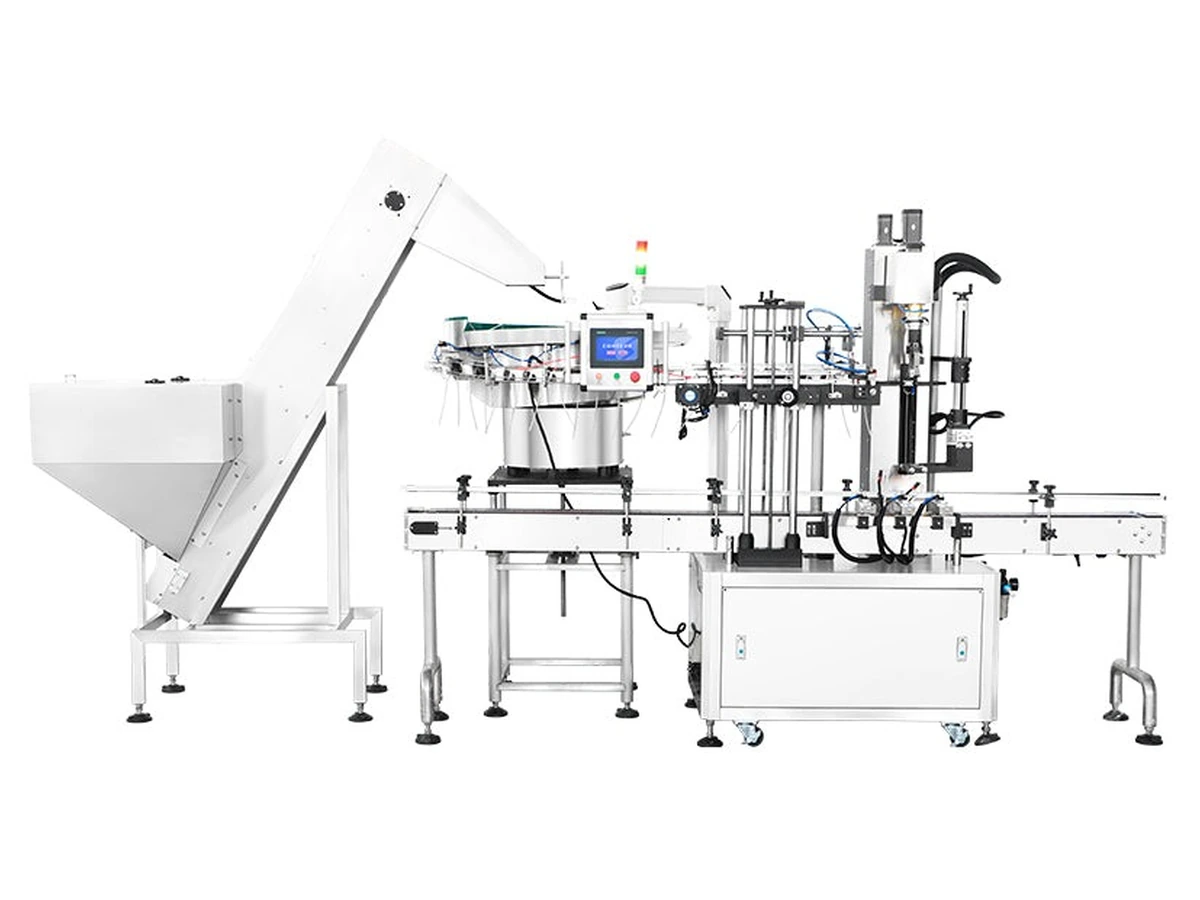
The capper applies and tightens the closure, but finished-pack integrity also depends on the bottle neck finish, closure thread, seal or gasket, component condition, product residue, tube entry and subsequent handling. A capping trial should therefore link machine settings to approved finished-pack checks rather than assuming torque alone proves a leak-free pack.
Test purpose
Different checks expose different failure modes. The product owner should approve the method and safe handling controls.
| Check type | Question it can help answer | Conditions to define |
|---|---|---|
| Visual and dry-pack inspection | Is the trigger seated, correctly threaded, undamaged and free from trapped tube or visible residue? | Approved sample, cap height, nozzle direction, thread and cosmetic criteria. |
| Standing, side or inverted hold | Does the filled pack show visible leakage in a defined orientation over a defined period? | Product/substitute, fill level, nozzle position, temperature, time, absorbent witness and safe containment. |
| Transport or handling simulation | Does the pack remain acceptable after the vibration, shock, compression or orientation risks relevant to distribution? | Distribution profile, packaging, conditioning, sequence and post-test inspection. |
| Vacuum, pressure or instrumented leak test | Does the pack meet a defined technical method for the product sector and risk? | Qualified method, equipment, limits, controls, sample conditioning and competent interpretation. |
| Functional trigger check | Does the sprayer prime, dispense, close or lock as required without visible damage or leakage? | Product, nozzle state, number of actuations, orientation and accepted functional result. |
| Torque and cap-height check | Was the closure applied within the approved mechanical and positional window? | Pack-specific method, timing, instrument, reference points and limits. |
Capping trial
Record bottle, trigger, dip tube, seal or gasket, supplier revisions and lots. Include normal bulk-packaging condition rather than only hand-selected parts.
Use the real product where safe and agreed, or a documented substitute that represents the relevant mass, wetting and handling behaviour.
Link each sample to placement, pre-threading, bottle support, tightening settings, line speed, operator duties and any stop or recovery event.
Use the defined orientation, conditioning, time and decision rule. Keep controls and retained samples where the quality plan requires them.
Check cap seating, thread engagement, cap height, seal condition, neck finish, product residue and damage before compensating with more torque.
Scope boundary
Household, chemical, cosmetic and personal-care spray packs may require product- and distribution-specific leak validation, but that is not automatically the same as pharmaceutical container-closure integrity testing for a sterile barrier. Where a regulated sector or customer standard applies, use the competent, validated method required for that application.
Buyer questions
No. Torque is one part of the closure system. Thread engagement, cap height, neck finish, gasket or seal, product residue, component damage, nozzle state and distribution conditions can all affect the finished pack.
Use the real product where it is safe, practical and approved because wetting, viscosity, temperature and chemical compatibility may matter. If a substitute is used, document which relevant properties it represents and which it does not.
Use the positions that reflect the product design, packing and distribution requirement. If both states can occur, the test plan may need both. Record the position so results remain comparable.
Review the distribution packaging, vibration, shock, compression, temperature and orientation as well as the capping result. Retain affected samples and trace them to component lots, capping settings and the transport condition.
No. It can prove handling and closure application on an empty pack, but it does not reproduce the product, filled weight, wetting, internal pressure or distribution conditions that may influence leakage.
Send approved and leaking samples, bottle and closure drawings, component lots, product or substitute details, fill condition, nozzle position, test method, conditioning, capping settings and the event sequence.
Provide the bottle, trigger, dip tube, product condition, approved leak method and distribution requirement so the trial can test the finished pack rather than machine motion alone.