
Closure quality

How do cap height and torque work together in trigger capping?

Cap height and torque answer different quality questions. Cap height helps show whether the trigger closure has reached a consistent seating position; torque indicates resistance under a defined measurement method. Neither proves correct application alone, so trigger capping trials should combine both with thread, appearance, tube and functional inspection.

Answer first

What does cap height reveal?

Cap height compares the fitted closure position with a defined reference on the bottle or neck. A repeatable height can support evidence of consistent seating; an unusually high, low or tilted closure can indicate incomplete engagement, cross-threading, component variation or a measurement-reference problem. The datum and measurement method must be agreed before results are compared.

CheckWhat it can indicateWhat it cannot prove alone
Cap heightSeating position, skew and variation against a defined reference.Correct torque, intact thread or functional seal condition.
Removal torque or agreed torque checkResistance under the stated instrument, timing and restraint method.Correct thread path, tube entry or cosmetic acceptability.
Visual and tactile inspectionSkew, marking, gaps, nozzle direction and obvious damage.Hidden thread condition or repeatable measurement performance.
Functional pack testBehaviour relevant to the actual product and closure function.The exact root cause of a failed result without further inspection.

Measurement discipline

Keep the test method stable

Torque results can change with instrument, fixture, bottle restraint, removal speed, elapsed time and sample condition. Cap-height results can change with the datum, measurement point and bottle geometry. Record the method alongside every result and compare like with like.

  • Identify bottle and closure sample or batch.
  • State when the measurement was taken after capping.
  • Use the same datum, instrument and restraint method.
  • Separate routine checks from investigation samples.
  • Retain packs from stops, jams and adjustments.
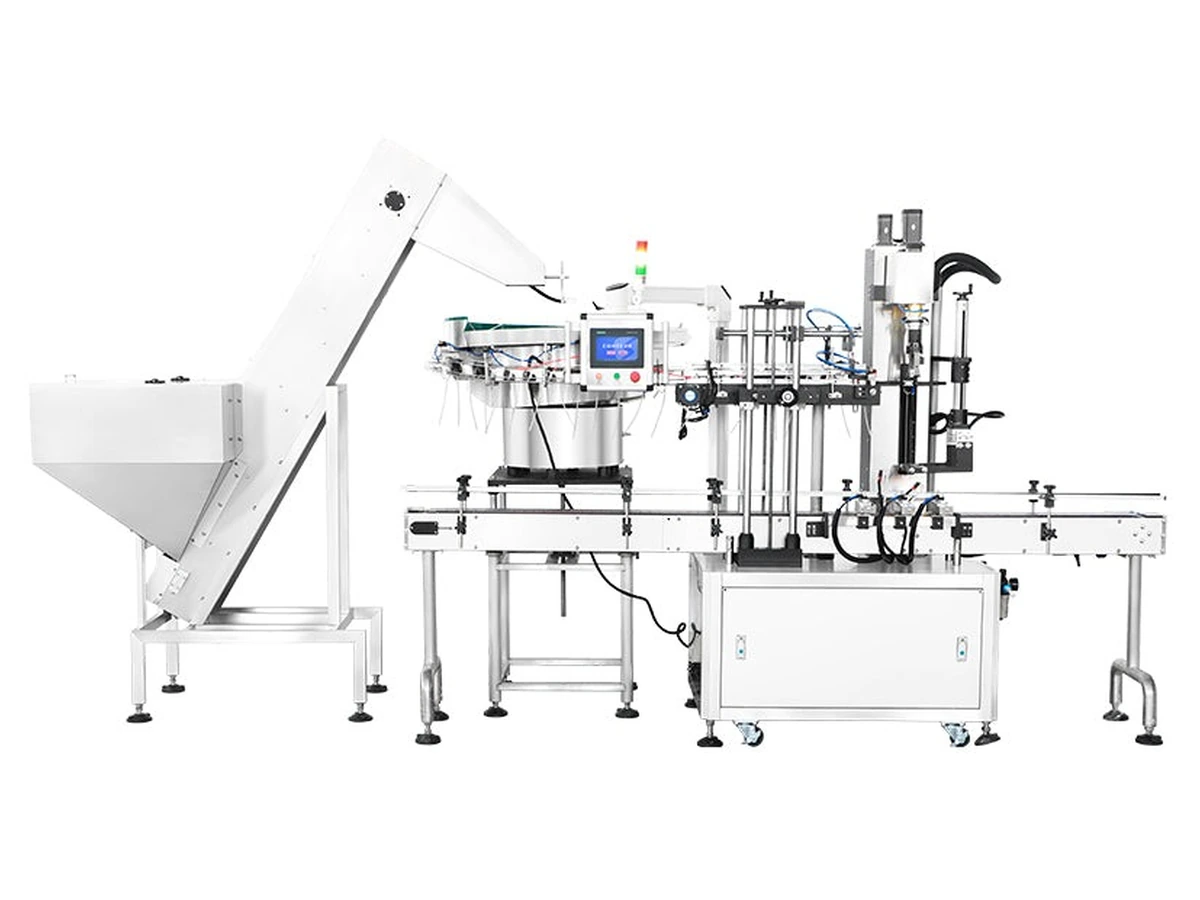
Trigger capping machine used for closure quality and seating checks

What does removal torque reveal?

Removal torque indicates the resistance encountered when the fitted closure is opened under the chosen test method. It can support comparison of samples and process stability, but it is not identical to the torque applied by the capping mechanism and should not be interpreted without the method, timing and component context.

Why can a correct torque reading still hide a bad closure?

A cross-threaded, damaged or incompletely seated closure can sometimes produce a reading within an apparent range because the instrument measures resistance, not the entire assembly history. Combine torque with cap height, seating angle, thread inspection, appearance and the agreed functional test.

How should measurement timing be controlled?

Define a repeatable interval between capping and measurement, then record exceptions. If the project needs checks at more than one interval, treat them as separate test conditions. Do not compare results taken at materially different times without acknowledging the difference.

What evidence should be retained during a trial?

Retain the sample identity, machine settings, test method, measurement results, rejected packs, stop and adjustment history, and photographs where they clarify the defect. Link each result to the exact bottle, closure and run condition so a pass or failure can be reproduced.

Call now01494 623015