Define the pack
Start with bottle size, neck finish, trigger cap type, dip-tube length and filled weight.

Trigger Capping Machine Lead Times UK
This guide is for buyers planning procurement timing, delivery, installation and commissioning. It explains the practical trigger capping considerations that affect specification, quotation and performance after installation.
Buyer guidance
This page is aimed at buyers planning procurement timing, delivery, installation and commissioning. The right machine route depends on the cap, bottle, dip tube, output target and the wider line rather than the machine name alone.
Specification priorities
These points help narrow the shortlist before samples are reviewed or a formal quotation is prepared.
Start with bottle size, neck finish, trigger cap type, dip-tube length and filled weight.
Compare required bottles per minute, shift pattern, batch size and operator availability.
Include installation, commissioning, operator handover, spares and practical aftercare in the project scope.
Related machinery
Use these machine routes to compare the practical equipment options before sending samples for review.
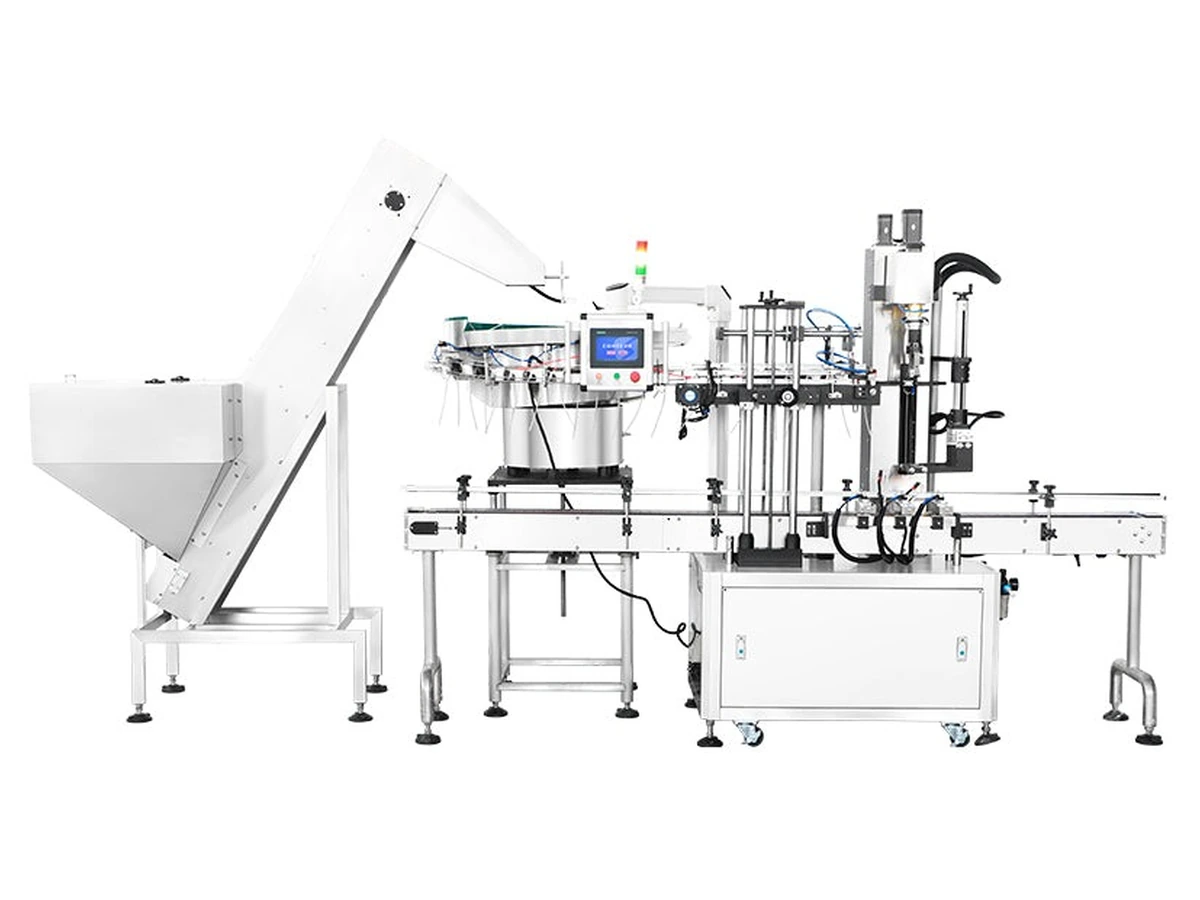
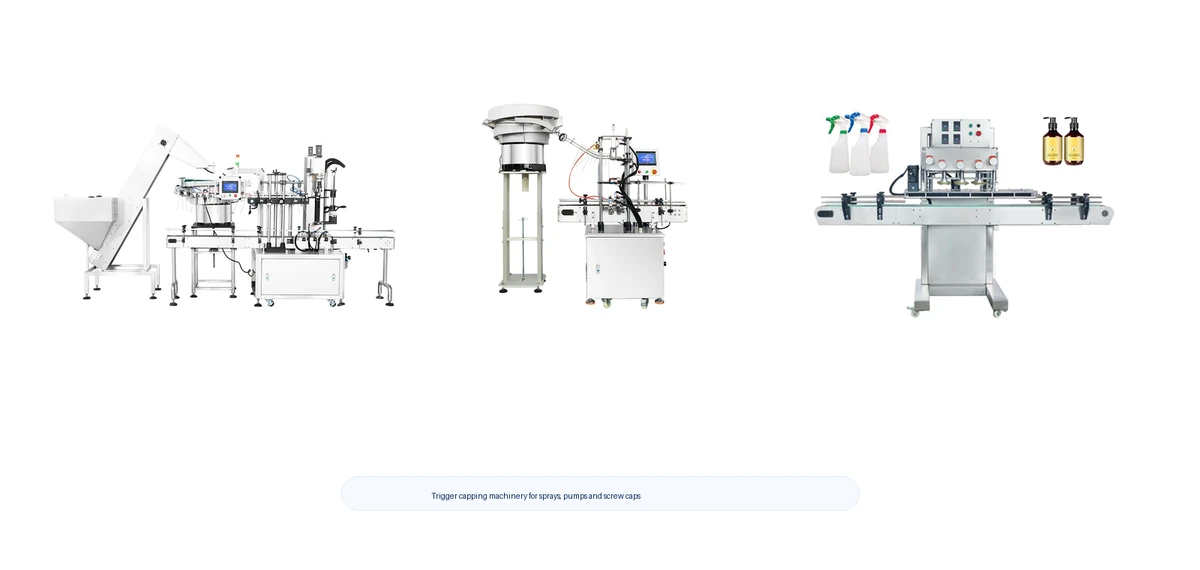
Automatic capping route for cleaning, home-care and chemical bottles with trigger sprayers.
View machine →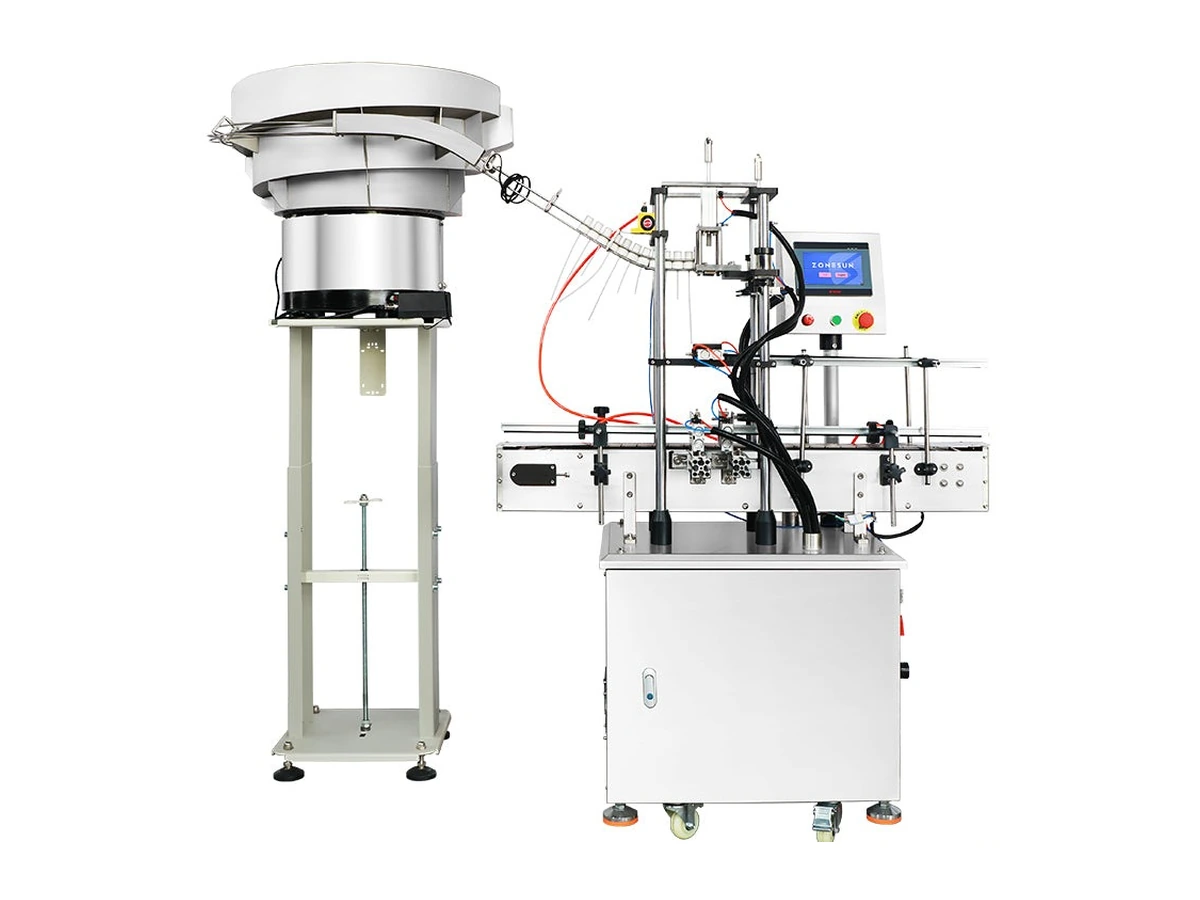
Feeding and orientation route for trigger sprayers with soft dip tubes.
View machine →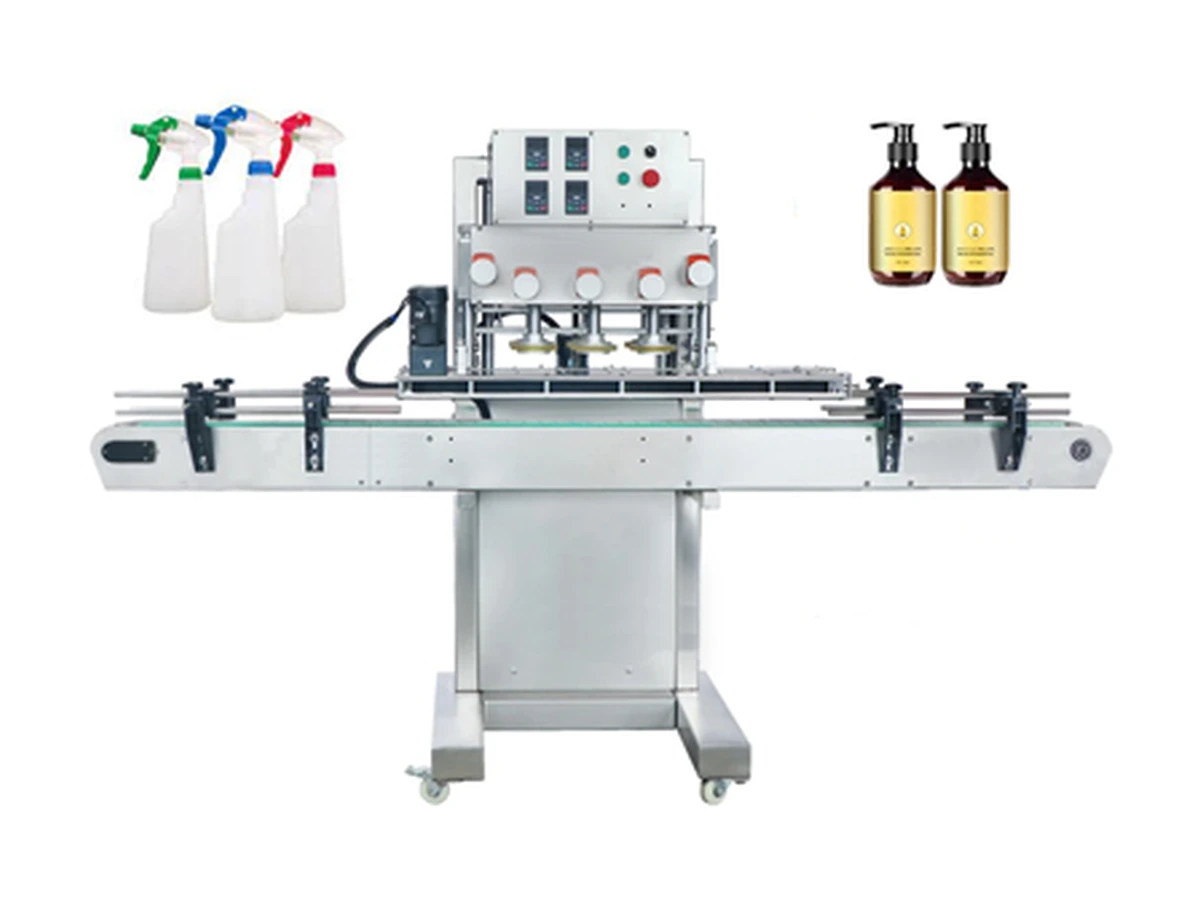
High-output inline belt and spindle capping route for compatible screw and spray closures.
View machine →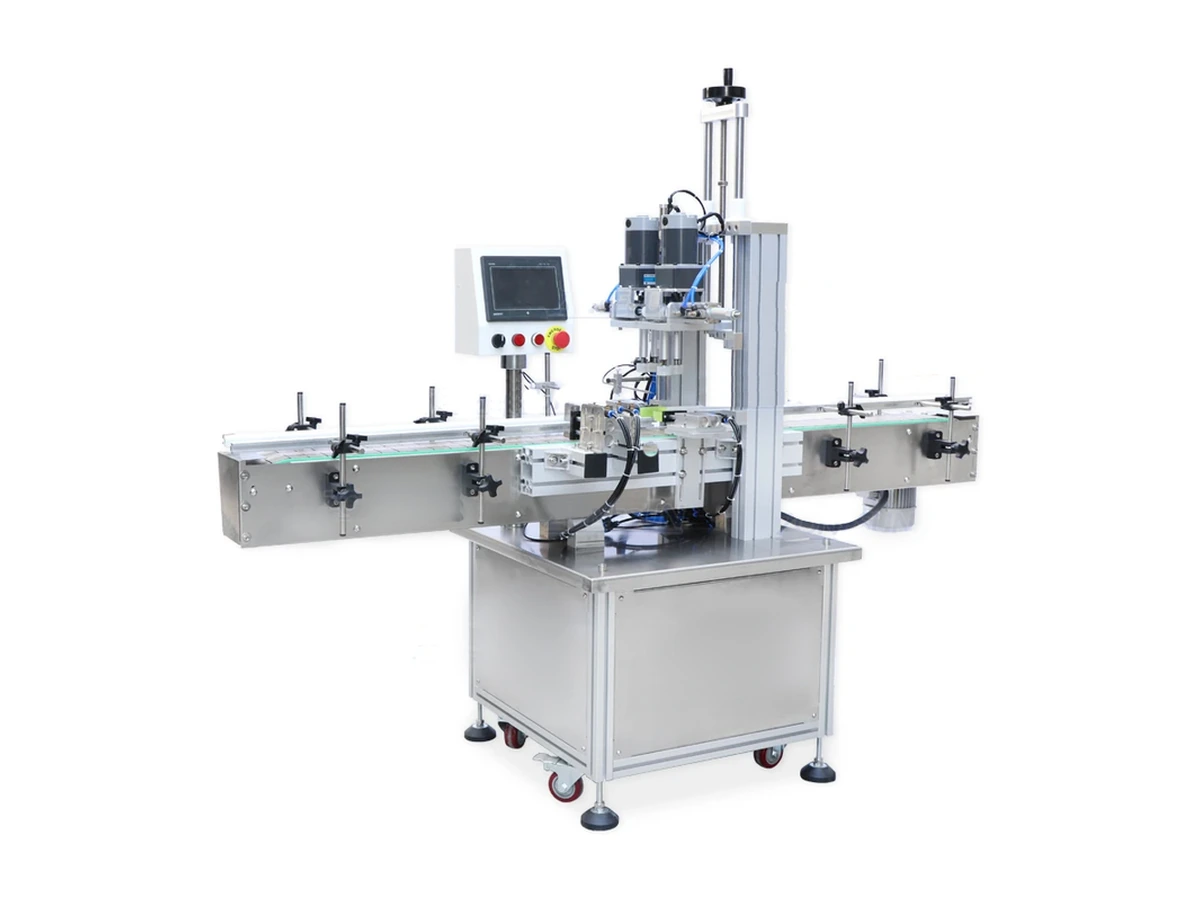
Automatic screw capping route for repeatable cap placement, torque and line integration.
View machine →Quick answers
Send bottle samples, trigger cap samples, tube length, product type, output target and line layout information.
Yes. Lancing can help compare manual-assisted, semi-automatic, compact and automatic trigger capping routes.
Yes. Filling speed, conveyors, labelling and pack-off can all affect the best capping-machine route.
Send bottle samples, trigger caps, dip-tube length, product details and target output. Lancing can help compare semi-automatic, compact and automatic routes.
More routes
Ask what event starts the quoted schedule and what has to be approved before it can proceed. Component samples, agreed format scope, tooling decisions and layout approval may each be project dependencies. Record them alongside the proposed delivery date so the schedule has a clear basis.
Distinguish the equipment arriving on site from the line being ready for accepted production. Identify installation access, utilities, component availability and the people needed for trials and handover. If a product launch depends on the machine, make that dependency explicit during the project discussion.
Use a current project-specific quotation; format scope, supplied equipment and outstanding decisions can differ.
Ask for the effect on trial work, tooling and the programme to be reviewed and recorded before relying on the earlier date.