Maintenance and support

Trigger capper maintenance, spares and support planning

Reduce avoidable downtime by planning routine checks, cleaning, feeder inspection and spare parts for trigger capping machinery.

Buyer guidance

What this page helps you decide

Reduce avoidable downtime by planning routine checks, cleaning, feeder inspection and spare parts for trigger capping machinery.

  • Routine inspection and cleaning
  • Cap feeder and track checks
  • Torque and bottle-control settings
  • Spare parts planning
  • Service and technical support routes
Trigger capper maintenance, spares and support planning

Specification notes

Practical points before shortlisting machinery

These notes are written for buyers comparing a real trigger capping project, not for generic catalogue browsing.

Why maintenance matters

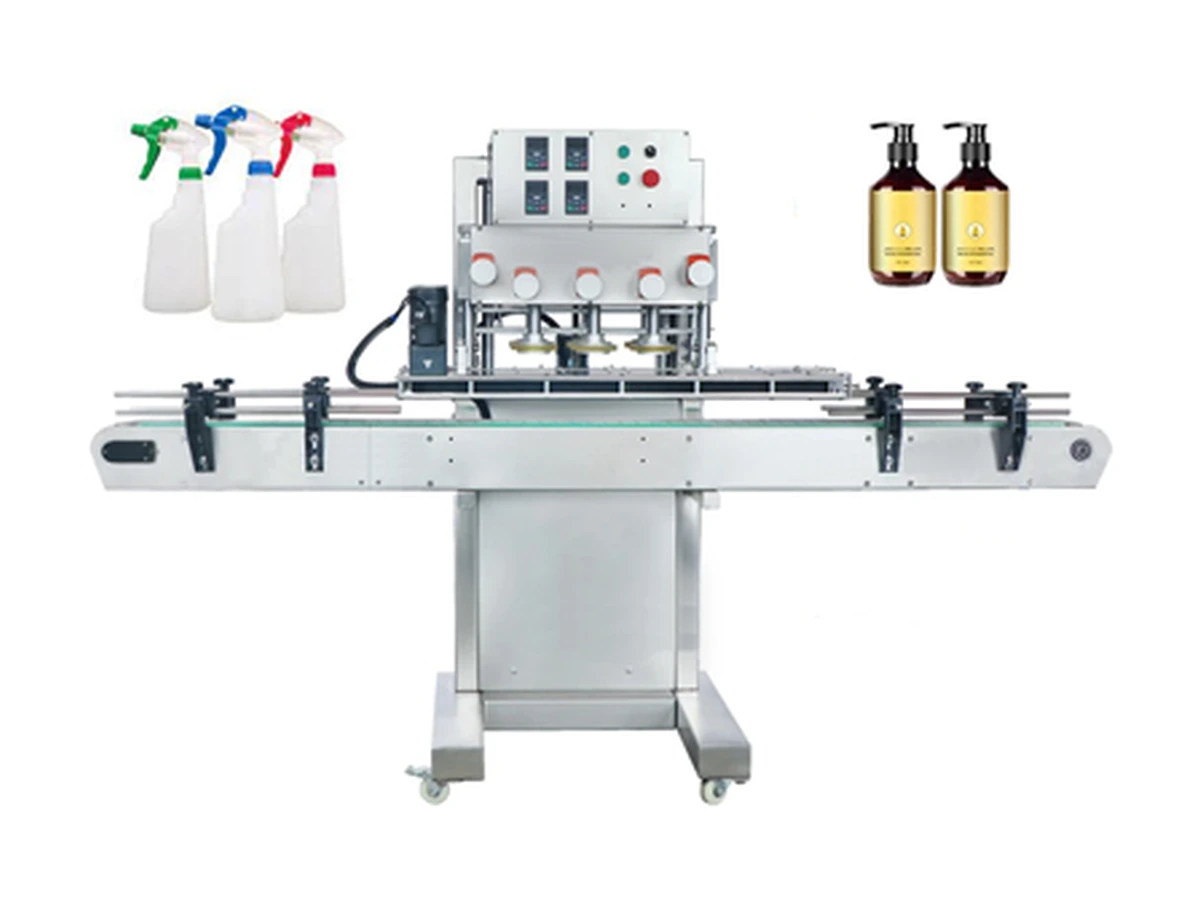
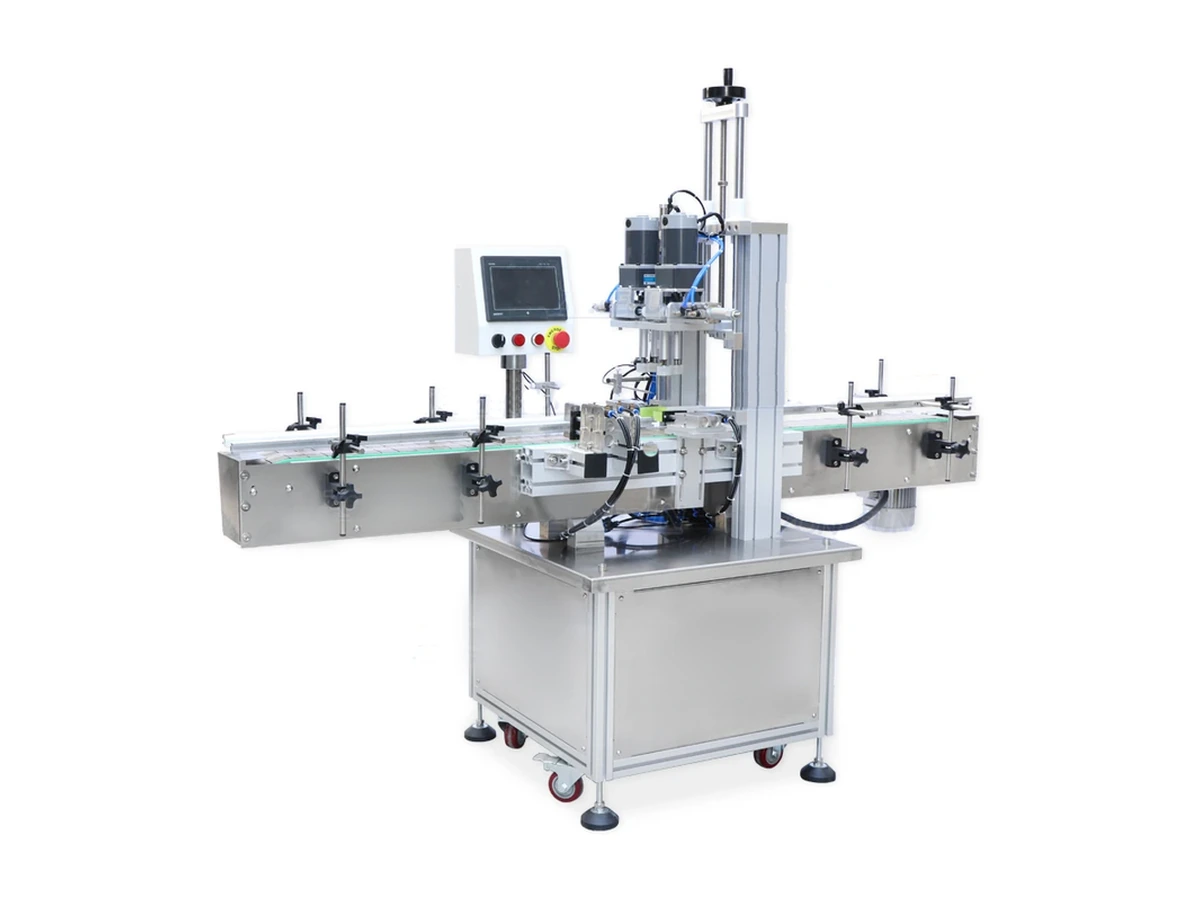
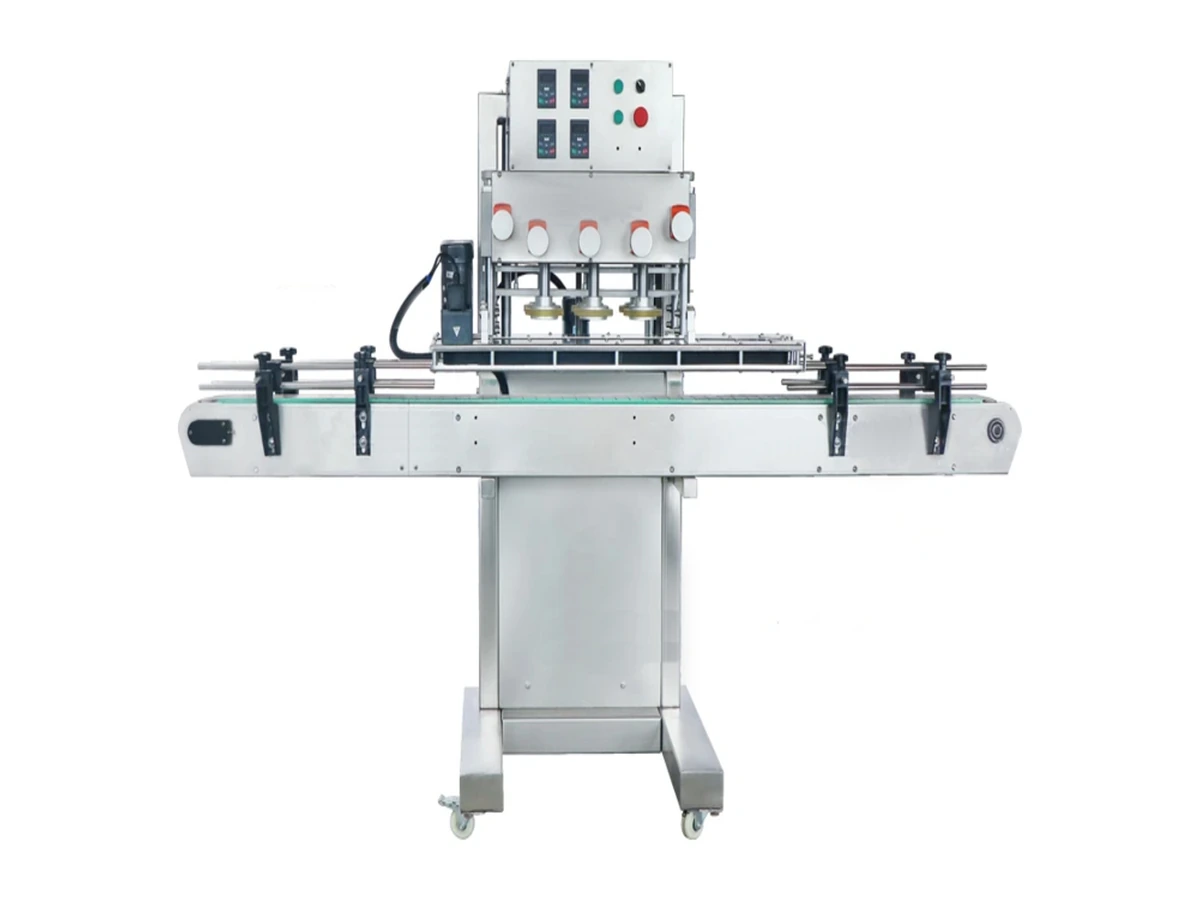
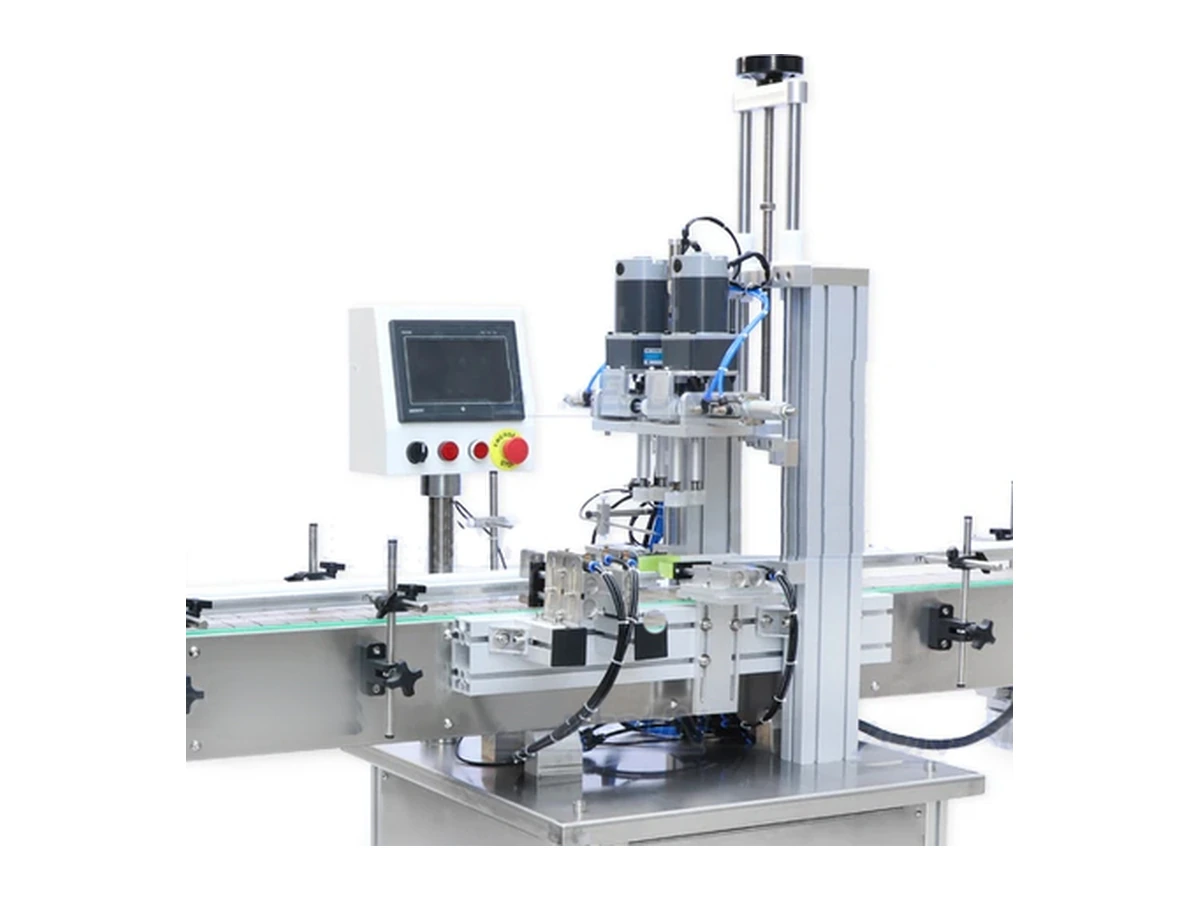
Trigger cappers rely on consistent cap presentation, bottle positioning and controlled tightening. Wear, contamination, vibration, loose settings or damaged tooling can quickly show up as misfeeds, poor torque or product stoppages. A simple maintenance routine helps protect output and reduces emergency callouts.
Routine checks

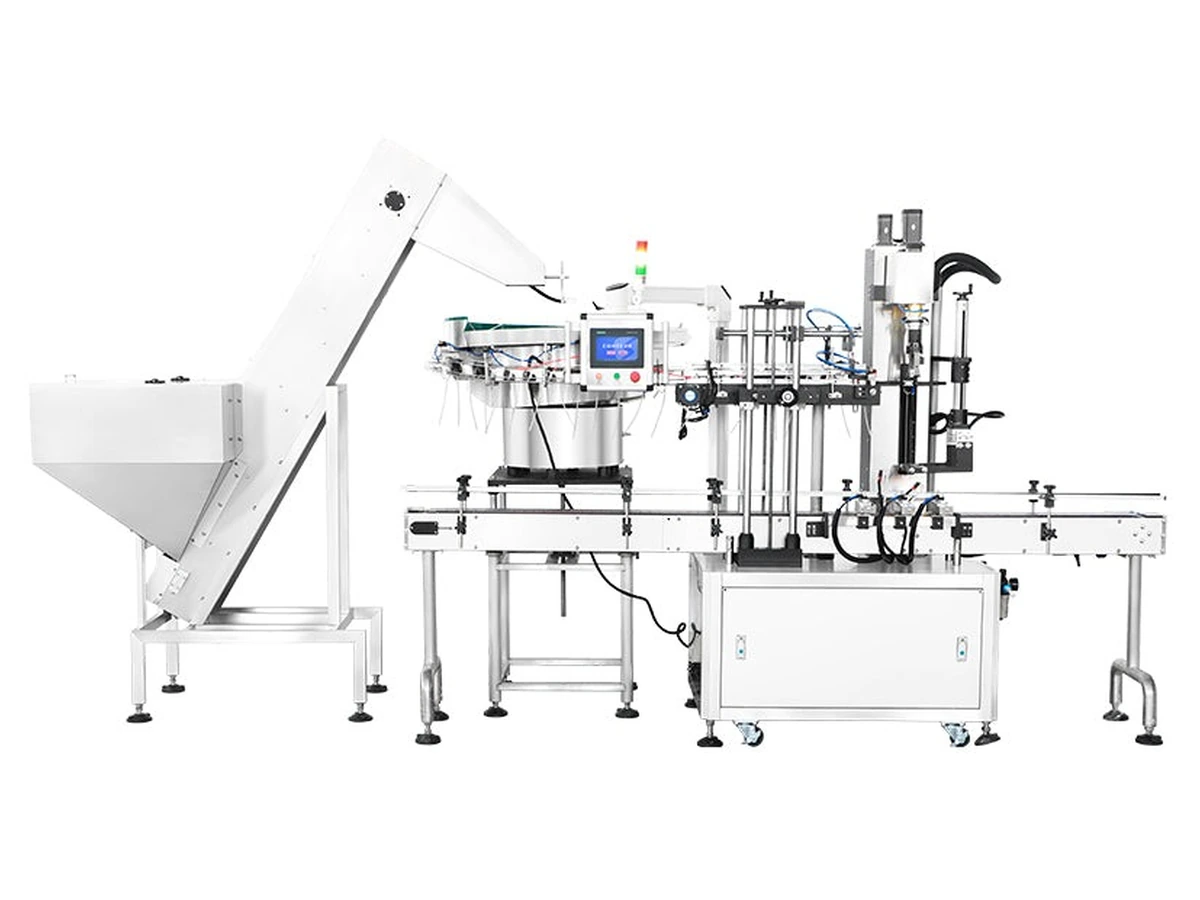
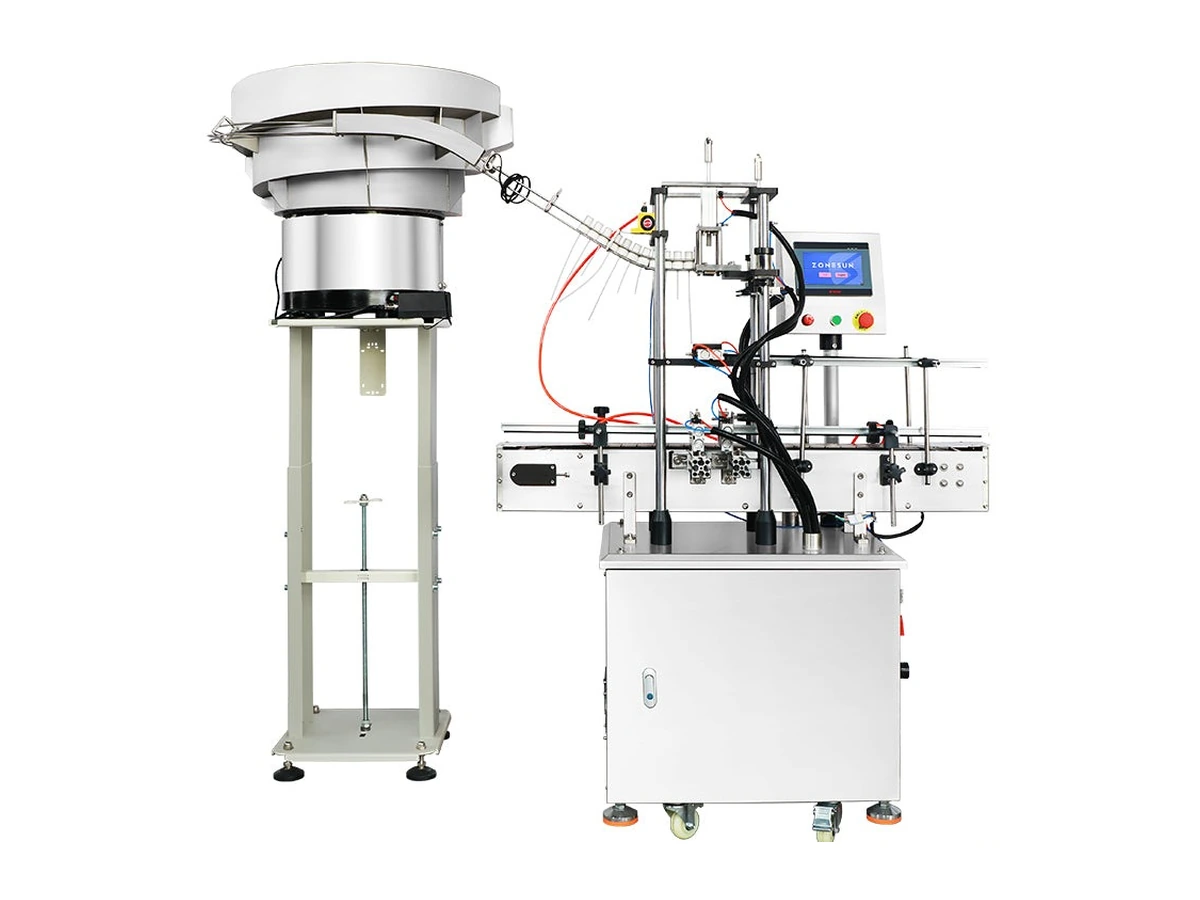
Inspect cap tracks, bowl feeders, guide rails, belts, clamping points, torque heads, sensors, air supply and guards. Clean contact areas where product residue or cap debris can accumulate. Record settings for each bottle and cap format so changeovers do not depend on memory.

Spares planning

Useful spares may include belts, grippers, sensors, guide components, format parts and consumables specific to the machine. Lancing can advise on spares based on the installed configuration and the consequences of downtime for your production schedule.

Machine options

Trigger capping machines to compare

Use these product pages to compare available machine families and then send Lancing your sample details for configuration advice.

Related search routes

Pages that support this buying decision

These internal routes strengthen the trigger-capping topic cluster and help users move from research into a machine enquiry.

FAQs

Questions buyers ask

How often should a trigger capper be checked?

Frequency depends on usage, product environment and output, but daily visual checks and planned periodic maintenance are sensible for production lines.

What causes repeated cap feeder issues?

Worn tooling, contamination, wrong cap batch, mixed caps, incorrect settings or unsuitable feed rate can all cause problems.

Can Lancing help with spares?

Yes. Lancing can support spare parts and technical advice for supplied equipment.

Need a trigger capping recommendation?

Send the bottle, cap, tube length, output target and current line details. Lancing can help shortlist the right route.

Maintenance evidence

Separate equipment wear from component and setup changes

A maintenance decision is stronger when the fault record includes the format, component lots, settings revision, line state and finished-pack result. Otherwise normal supplier variation or an undocumented setup change can be mistaken for worn machinery.

EvidenceMaintenance use
Production run logShows when the fault began, which formats and lots were affected, and whether it followed a stop, adjustment or changeover.
Approved and defect samplesProvides a physical comparison for cap height, thread, tube condition, appearance and orientation.
Settings and tooling revisionConfirms whether the machine was in the approved configuration and what changed after intervention.
Incoming component checksIdentifies bottle, closure or dip-tube changes that can produce the same symptom as wear or misalignment.
Before-and-after resultShows whether the maintenance action corrected the observed defect across the required formats.

How can a wear part affect trigger capping quality?

Wear can change gripping contact, guidance, transfer position, sensor reliability or repeatability. The exact symptom depends on the part and machine route, so compare the affected pack and machine state with the approved condition before replacing parts by assumption.

Why check components before a maintenance adjustment?

A changed neck finish, trigger moulding or dip tube can alter feeding and finished-pack results while the machine remains mechanically unchanged. Comparing component lots first prevents unnecessary adjustments that reduce process margin for the approved format.

What should be recorded after a wear-part replacement?

Record the part identity, reason for replacement, affected formats, settings or alignment changed, before-and-after sample results and first-off approval. Where the part affects inspection or control, include the relevant verification or calibration record.

What evidence should be prepared before contacting Lancing about maintenance?

Provide the machine identity, affected formats, exact symptom, component lots, settings revision, event sequence, photographs or video, recent maintenance and samples where useful. State which formats remain unaffected so the review has a clear boundary.

Controlled changeover

Include cleaning and line clearance in maintenance planning

Product spills, closure debris, mixed formats and cleaning residues can mimic wear or setup faults. Define the cleaning boundary, safe access, approved materials and first-off checks before changing machine settings.

Can residue look like a maintenance fault?

Yes. Residue or debris can obscure sensors, reduce belt/chuck grip, alter guide contact and restrict feeder tracks. Clean and inspect before replacing parts or increasing pressure.

What must be cleared before a trigger format change?

Check hopper, bowl, tracks, covers, transfer, conveyor, reject path and surrounding work area for previous closures, tubes, bottles, labels and loose change parts.

Call now01494 623015